Uprooting the Leading Causes of Death

Uprooting the Leading Causes of Death

Death in America is largely a foodborne illness. Focusing on studies published just over the last year in peer-reviewed scientific medical journals, Dr. Greger offers practical advice on how best to feed ourselves and our families to prevent, treat, and even reverse many of the top 15 killers in the United States.

July 26, 2012 |

Scallops are a nutritious type of seafood.

Scallops are a nutritious type of seafood.
 

Scallops are a type of shellfish that provide you with a number of nutritional benefits. There are two main types, bay scallops and the larger sea scallops. A 3-ounce serving of scallops contains only 80 calories from 14 grams of protein, 20 percent of the daily recommended value for phosphorus and vitamin B-12, 10 percent of the daily value for magnesium and smaller amounts of other essential vitamins and minerals. Scallops also are a source of dietary cholesterol.

Cholesterol Importance

Your body uses a small amount of cholesterol for making healthy cells. It makes all of the cholesterol it needs, so consuming foods that contain a lot of saturated fat, trans fat or dietary cholesterol can cause your blood cholesterol levels to become too high. This increases your risk for heart disease, stroke and heart attack. Other factors besides diet can affect your cholesterol levels. Being overweight or inactive, smoking, or having a family history of high cholesterol can predispose you to having high cholesterol. You are also more at risk if you have diabetes, heart disease, a history of strokes or heart attacks, or clogged arteries. If your cholesterol is too high, your doctor may prescribe cholesterol-lowering medications.

Cholesterol in Scallops

The American Heart Association recommends you limit your dietary cholesterol consumption to 300 milligrams or less per day for healthy individuals and 200 milligrams or less per day if you have high cholesterol or heart disease. Scallops contain 30 milligrams of cholesterol in a 3-ounce serving, which is 10 percent of the recommended intake.

Scallops Effect on Cholesterol

Fat, particularly saturated fat, has a greater effect on your blood cholesterol levels than dietary cholesterol. Scallops contain less than 1 gram of fat per serving, part of which is healthy omega-3 fat that can help lower cholesterol. Cholesterol is part of a group of compounds called sterols. Scallops contain some cholesterol, but also contain other types of sterols which may help reduce your body’s absorption of cholesterol. Because of the low levels of fat and cholesterol in scallops and the beneficial effects of the omega-3s and non-cholesterol sterols, the effect on your blood cholesterol levels of eating scallops in moderation is minimal.

Use

Other types of seafood, such as shrimp, can contain higher levels of cholesterol, making scallops a healthier option. You can bake, saute, boil, steam or broil scallops. Consider adding them to pasta dishes or salads or using them in recipes in place of seafood that is higher in cholesterol. Bay scallops are sweeter than sea scallops, but sea scallops are better suited for pan-searing. Since scallops are low in both cholesterol and mercury, you can consume up to 12 ounces per week as part of a healthy diet.

Arguments Against Low-Carb Diets

Other Common Sense Arguments Against Low-Carb Diets

  • How many slim and healthy people do you know really have been following a low-carb diet for more than a year? Probably none. You may know someone who has tried the diet for a while and lost some weight but this anecdote should not be sufficient to try the diet. Was this person eating junk before? Most people initially lose weight on a low-carb diet because they restrict the level of calories, not because of the larger quantity of fat, cholesterol and animal proteins. Also, most people stop the low-carb diet after a while because they just can’t keep up the carbohydrate restriction
  • How many long lived societies follow a low-carb diets? The book Blue Zones by Dan Buettnercontains detailed information on the longest-lived populations and the diet they have in common is one that is very rich in plants and low in animal products and processed foods. The Eskimos and Inuits on their whale blubber diet are not on the list (not even close)
  • How many people have reversed cancer, diabetes, autoimmune conditions, or heart disease by adopting a low-carb diet? How many physicians had success with such an approach? The answer is zero. Now, look at the success of people like Drs. Fuhrman, McDougall, Klaper and others. They all have tons of examples and success stories. The proof is in the pudding.
  • How many successful athletes follow a low-carb diet? The answer is none. Check for athletes in all fields: cycling, running, swimming, cross-country skiing, triathlons, rowing, mountain climbing, etc. You will not find a single one. It is impossible to be a high-performing athlete and be successful while following a low-carb diet. The fuel is simply not right and the machine (human body) simply breaks down. Don’t assume that it’s simply because none of them have tried. The low-carb diets have been around for more than 100 years and several athletes have tried them at some point in the past. It just does not work. You can test yourself or you can learn from other people’s experience.
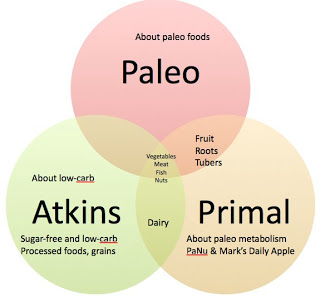
  • The low carb gurus like to say that we will still have the body of our ancestors in the Paleolithic area which were hunter gatherers and that consequently our diet should be centered around meats with some non-starchy vegetables and a little bit of fruits. Interestingly, these low carbers have failed to look at the science that shows that our ancestors were mostly gatherers as opposed to hunters (see the video below from Nathaniel Dominy). These low carb gurus will not tell you that gladiators were actually vegan (video below). These low carb gurus will not tell you that Pharaohs (Egyptian kings and queens) ate a diet rich in meat without refined sugar and had heart disease, which explains the mummy paradox because these pharaohs were not eating simple plant foods like their poor subjects (see the mummy paradox article below). The same article will demonstrate that even that the Ice Man from 5200 years was a vegan too! The low carb primal Paleo concept is based on flawed science; even their arguments about our ancestors are wrong!

Bottom line on Saturated Fat and Dietary Cholesterol

Saturated Fats

Humans are large primates and their diets should be a diet of large herbivorous primates that is rich in plant foods. The human body was designed to operate in an environment where the food consumption is low in saturated fat (most plant foods have little to no saturated fats). This explains why our body can synthesize and make saturated fat. Consequently, saturated fat is not an essential nutrient. There is no need for saturated fat in the human diet. You don’t have to believe me, just check the nutritional guidelines from the National Institutes of Health (link here, select the Dietary Reference Intakes Table for macronutrients and search for “saturated”) . Saturated fat is dangerous and its consumption should be minimized or avoided completely from your diet. Do not believe the low-carb snake-oil salesmen and fake gurus. Their advice is irresponsible and dangerous.

Here is a quote from the USDA Dietary Guidelines for Americans, 2010 (Released 1/31/11) Chapter 3, page 24, “Saturated Fats”

Saturated fatty acids – The body uses some saturated fatty acids for physiological and structural functions, but it makes more than enough to meet those needs. People therefore have no dietary requirement for saturated fatty acids.

Dietary Cholesterol

Just like saturated fat is not an essential nutrient, cholesterol is synthesized by the human body and is not required in our diet. Actually, the body has a limited ability to release extra cholesterol so consumption of cholesterol through food intake does result in excessive levels of cholesterol in the blood. How many people do you know were hospitalized because of cholesterol deficiency? The answer is probably none. Cholesterol deficiency does not exist. There is no medical name for such condition. Dietary cholesterol is dangerous and its consumption should be minimized or avoided completely. Do not believe the low-carb snake-oil salesmen and fake gurus. Their advice is irresponsible and dangerous. Yes, your body can eliminate some cholesterol but it can’t eliminate all of the excess.

Here is a quote from the USDA Dietary Guidelines for Americans, 2010 (Released 1/31/11) Chapter 3, page 26, “Cholesterol”

Cholesterol – The body uses cholesterol for physiological and structural functions, but it makes more than enough for these purposes. Therefore, people do not need to eat sources of dietary cholesterol. Cholesterol is found only in animal foods.

Bottom line on Saturated Fat and Dietary Cholesterol

The bottom line is that saturated fat and dietary cholesterol are not needed in your diet. There are ABSOLUTELY NOT NEEDED. In fact, their consumption is associated with chronic diseases. Have you ever heard of someone admitted to the hospital because of saturated fat deficiency or cholesterol deficiency? The answer is no. There is not even a name for such a condition because it does not exist.

Do not believe stories from “low-carb gurus” that there is a conspiracy out there from health authorities to lie to you and keep you in the dark. Just because your brain consists of saturated fat does not mean you should eat saturated fat. If you follow that line of logic, why not eat animal brain in order to help out your brain? Your body also has blood and bones, are you going to chew some bones like your dog or drink blood like a vampire? No, you won’t because you are smart and are using your head to make a decision. Please use your head, logic and common sense and ignore the quacks like Mercola, Mark Sisson, Atkins, South Beach, etc. who promote dangerous diets.

National Health Authorities Warn

All Respectable and Reputable National Health Authorities Warn the Public Against Low Carb Diets (references are here)

A large number of respectable health authorities have come out over the years and warned the public against the dangers of low carb diets. These authorities include:

  • American Medical Association
  • American Dietetic Association
  • American Cancer Society
  • American Heart Association
  • Cleveland Clinic
  • John Hopkins
  • American Kidney Fund
  • American College of Sports Medicine
  • National Institute of Health

And this it just in the United States. Around the world, health agencies have issued similar warnings and criticized low-carb diets by calling them health hazards. Why would all these health authorities warn the public against low carb diets if there was no danger? All are these scientists crazy or working together to conspire against the “low carb” movement? No, these authorities have done their homework and they came out against low carb diets because the dangers are real, understood and documented. Please be an informed responsible adult and read what these institutions have to say and their reasons before following the advice of gurus, health coaches or gym trainers that promote low carb diets (very common in the cross-fit world).

Ask yourself the following the following questions about the person giving you the low carb advice:

  • Is this person in great health (low body fat, low cholesterol, low blood pressure, low blood glucose, nice skin tone, great energy)? Don’t get fooled by a Photoshopped picture.
  • Is this person following the advice she recommends? How long has this person been following this advice? How old is this person? I don’t mean any disrespect but a 25-year old athlete can look good under any kind of weird diet, so their dietary advice is no indication that it is healthy or not.
  • Does this person really understand nutrition, the essential nutrients needed for health? Where is this person getting his nutritional knowledge? From other low carb gurus?
  • What sort of credible experience has this person had helping people reverse chronic conditions using this low carb advice? Can you meet or talk with these people? Are they in good health (see first bullet)? Are they really slim? Are they still following that nutritional advice? If there was an improvement in people’s conditions, what were these people doing before? If a 400 lbs person lost 100 lbs and is now stuck at 300 lbs, this does not mean the low carb diet works. A low carb diet can yield a relative improvement for someone who eats a lot of junk food but it will not be an improvement for someone healthy eating a whole food plant-based diet (that already excludes processed food made with flour, sugars and oils).
  • If someone improved his/her health following a low-carb diet, what was this person eating before? Most people move from a Standard American Diet (SAD) to a low-carb diet. Unfortunately, the SAD diet is the worst diet out there and any change is a move up in the right direction. However, a small improvement in diet does not mean the new diet is healthy. If someone decreased his cigarette consumption from 3 packs a day to 2 packs a day, we would certainly acknowledge the improvement but would certainly not call the new lifestyle healthy.

Don’t settle for second-class nutritional advice. You deserve better.

Low Carbohydrate Diets Are Unhealthy and Dangerous


Summary

Low carbohydrate diets come under different names and flavors, but they essentially promote the same things: juggling the ratio of macronutrients by restricting carbohydrates and increasing the intake of fats and proteins. The whole concept revolves around the avoidance of carbohydrates, especially refined and processed foods made with white flour, sugar, high fructose corn syrups, etc. In addition, the diet suggests increasing the intake of saturated fat and animal proteins from coconut oil, butter, grass-fed beef and other animal-based products. Most of these low-carb diets throw the baby with the bath water by restricting  fruit intake as well as starchy vegetables and legumes. All carbohydrates are often lumped together and considered bad, without making a distinction between unhealthy refined carbohydrates (cookies, white pasta, white rice, bread, etc.) and healthy whole unrefined carbohydrate-rich plant foods (oatmeal, corn, beans, fruits, etc). The most common versions of low-carb diets are listed below:

  • Atkins (Robert Atkins)
  • Dukan (Pierre Dukan)
  • Evolution diet (Arthur De Vany)
  • Mercola (Joseph Mercola)
  • Paleo (also referred to as the Paleolithic Diet, the Paleodiet, the Caveman Diet, the Stone Age Diet, the CrossFit Diet and the Hunter-Gatherer Diet by Loren Cordain and/or Robb Wolf)
  • Slow Carb Diet (essentially CrossFit/Paleo with beans allowed, by Tim Ferris’ 4-Hour Body)
  • Primal (Mark Sisson)
  • South Beach (Arthur Agatston)
  • TNT (Jeff Volek)
  • Western A Price (Sally Fallon and Mary Enig)
  • Zone (Barry Sears)
  • And multiple others like Anthony Colpo, Dr. Dan Eades, Denise Minger, Jimmy Moore, etc.

Dairy Products Will Literally Kill You!

 -Roger Mason

Milk and dairy products are the number one allergenic food in the world. All adults of all races are allergic to milk and dairy because of the LACTOSE (milk sugar) and casein content. Children lose the ability to produce the enzyme lactase at about the age of three years old. Only humans drink milk after weaning. We choose cow milk, which is meant for calves and not people. Lactose does not just pass harmlessly through the body undigested, but causes a lot of problems – including CANCER. That’s right; people who drink milk and eat dairy products get more cancer of most kinds, especially prostate and breast cancer. They also get more heart disease, diabetes, and other conditions. Blacks, Amerindians, and Asians have the worst problems with milk and milk products.

A study was done for 11 years running of over 20,000 doctors. This was appropriately called the Physician’s Health Study. An article appeared in the American Journal of Clinical Nutrition (volume 74) specifically on prostate cancer and dairy consumption. The authors concluded, “These results support the hypothesis that dairy products… are associated with a greater risk of prostate cancer.” This applies equally to breast cancer, as prostate and breast cancer are almost the exact same diseases, with the same causes, and the same natural cures basically. “In conclusion, this report supports and extends previous observations that high intakes of dairy products…are associated with an increased risk of prostate cancer.” The doctors who ate little or no dairy had much less cancer than the ones who ate dairy regularly. The ones who ate lots of dairy had the highest of all rates by far.
How do you give up milk and dairy products? Very simply. All the major chain groceries now  carry a variety of non-dairy milks including soy, rice, almond, and oat milks. Keep trying these until you find one you like best. Soon you will prefer non-dairy milk very much, and will actually find cow milk somewhat distasteful. Use this for cooking, on cold cereal, and the usual ways you use dairy milk. There are a variety of soy and other cheeses that really melt and taste like dairy cheese in at least eight different flavors such as American, Jack, Cheddar, Mozzarella, Parmesan, Feta, etc. You can find soy sour cream, cream cheese, and other such substitutes. Soy yogurt and ice cream are full of sugar, and can only be used as occasional treats.
Prostate and breast cancer are major epidemics in America. There was another article in the American Journal of Clinical Nutrition (volume 75). This was based on the Health Professionals Follow-up Study for over 33,000 men. The men who ate the most protein got the most cancer. The men who ate the least protein got the least cancer. The animal protein found in red meat, poultry, eggs, and dairy products promotes disease. Milk products contain the cancer promoting protein casein. Whole grains and beans have all the protein you need- without the fat and cholesterol. There is more proof the promoters of high protein diets are all nuts. We eat twice the protein we need. This also leads to dangerous high  uric acid levels. Campbell’s book The China Study proved that animal protein per se causes cancer and other diseases.


Other published international studies show repeatedly that intake of milk and dairy products leads to higher rates of cancer, heart disease, diabetes, and mortality. The more dairy foods you eat the sooner you’ll die. Take dairy completely out of your life. Humans and animals were never meant to eat milk or milk products after weaning. Dairy is the worst allergenic food on earth. Go to websites like www.notmilk.com to learn more. Milk is poison.

More Red Meat = More Diabetes

Renowned Harvard nutritionist gives us even more reason to cut back on the carne.

July 31, 2013

Higher Red Meat Consumption Linked to Diabetes
Once again, a medical study finds significant health risks, like diabetes, in the consumption of red meat. (Photo: Diane Diederich/Getty Images)

On Sunday, the Boston Globe Magazine featured a profile of Harvard professor Walter Willett, calling him the “world’s most influential nutritionist.” Willett’s influence comes as much from his ability to debunk or reframe studies about food and nutrition as it does from his original work.

In the long and very interesting article, Globe writer Neil Swidey mentions a recent study of Willett’s that was released in June: A new look at the 123,000 people involved in a 20-year study ending in 2006 found elevated red-meat consumption to be linked with an increase in diabetes.

According to the study, conducted by Willett and his colleagues at the Harvard School of Public Health, participants who ate at least a half serving more red meat over a four-year period were 48 percent more likely to develop Type 2 diabetes in the following four years. Conversely, those who lowered their meat consumption by more than half a serving per day decreased their diabetes risk. The research was published in the Journal of the American Medical Association.

Previous studies have connected red meat intake with an increased risk of diabetes, but Willett’s study was the first to show that eating more meat raises a person’s risk—and vice versa. Red meat is defined by the United States Department of Agriculture as that which comes from mammals, while white meat comes from poultry and fish.

Not surprisingly, the meat lobby strongly refutes such claims—“nothing to see here, folks!”—and frequently attempts to dismiss studies that are critical of meat on propaganda websites like MeatPoultryNutrition.org and MeatSafety.org.

“While some recent studies have generated headlines linking meat to different ailments, it is important to remember that conditions like heart disease, cancer and diabetes are complex conditions that cannot simply be caused by any one food,” American Meat Institute spokesman Eric Mittenthal told the Pittsburgh Post-Gazette.

On the FAQs page of MeatPoultryNutrition.org, a site run by an industry lobby group called the American Meat Institute, pleads for readers to not give up their meat: “The wisest course of action is a balanced diet, weight control, plenty of exercise and a healthy degree of skepticism about the ‘study of the week,’ ” the site reads.

But Willett’s four decades of research and consistently reliable findings are difficult to dismiss wholesale. And while he admits further study is necessary to account for lifestyle and other health factors, Willett and his colleagues believe the strong connection found between red meat and diabetes warrants people cutting back on their consumption of beef, pork or lamb (giving up meat on Mondays may be a good place to start).

And as we’ve reported numerous times, we are eating less meat, overall.Americans’ meat consumption dropped by more than 12 percent between 2007 and 2012—an amount that equals a half-pound of meat per person, per day.

If Willett’s findings hold true, the result of a less meat-centric diet may be a reduction in the instances of diabetes among Americans, which has skyrocketed in recent years. And that will be great news indeed

Diet Benefits Prostate Cancer

John McDougall, MDDr John McDougall

Diet Benefits Prostate Cancer (Another Ornish Contribution)

Clinical events in prostate cancer lifestyle trial: results from two years of follow-up by Joanne Frattaroli published in the December 2008 issue of the journalUrology found, “Patients with early-stage prostate cancer choosing active surveillance might be able to avoid or delay conventional treatment for at least 2 years by making changes in their diet and lifestyle.” By 2 years of follow-up, 13 of 49 (27%) control patients and 2 of 43 (5%) experimental patients—those encouraged to adopt a low-fat, plant-based diet, to exercise and practice stress management, and to attend group support sessions—had undergone conventional prostate cancer treatment (radical prostatectomy, radiotherapy, or androgen deprivation).

Comment: This is the second report of the Prostate Cancer Lifestyle Intervention Trial started by Dean Ornish, MD.  Given the honest facts about standard prostate cancer treatments, most patients would elect diet, and delay or avoid surgery, radiation, hormone deprivation (pills or cutting off their testicles), and chemotherapy. These damaging treatments fail to produce consistent survival benefits—and every doctor and patient should know the results of a century of research.  Doing nothing would be a better option for most patients.  Research also shows that the high-fat, meat- and dairy- rich Western diet causes this disease. Common sense says “Don’t throw gasoline on a fire.” 

Frattaroli J, Weidner G, Dnistrian AM, Kemp C, Daubenmier JJ, Marlin RO, Crutchfield L, Yglecias L, Carroll PR, Ornish D. Clinical events in prostate cancer lifestyle trial: results from two years of follow-up. Urology. 2008 Dec;72(6):1319-23. Epub 2008 Jul 7.

The Ancient Human Diet Is Starch-based

John McDougall, MD


Dr John McDougall

Starch grains on human teeth reveal early broad crop diet in northern Peru by Dolores Piperno reported in the December 16, 2008 issue of the Proceeding of the National Academy of Science, found plant parts on the teeth (dental plaque) of people who lived in Northern Peru as long as 11,200 years ago and concluded, “Starch grain studies of dental remains document plants and edible parts of them not normally preserved in archaeological records and can assume primary roles as direct indicators of ancient human diets and agriculture.”1

Researchers examined 39 human teeth found in northern Peru’s Nanchoc Valley from six to eight individuals. Some of the grains had been cooked.  The diet of these people was considered stable for possibly 5000 years (until 6000 years ago).  These people cultivated their crops close to their circular houses.  Starch granules from Lima beans, common beans, peanuts, nuts, squash, grains, and fruits were identified.

Comment:  Often the only findings reflecting the diet of ancient people are the hard bones of animals that are found near their ruins.  Any plant material has decayed and disappeared.  Because of this many people have come to the wrong conclusion that early people were primarily hunters and their diet was largely of meat.  However, this research adds support for my often-stated position, that all large populations of trim, healthy people, throughout written human history, have obtained the bulk of their calories from starch.

The early ancestors of modern humans, from at least 4 million years ago, followed diets almost exclusively of plant-foods. Beginning at least 250,000 years ago, people survived as hunter-gatherers with a subsistence standard of living, eating foods that extended from one extreme to the other in proportions of plant vs. animal foods—from the raw flesh and fat of marine mammals; the Arctic Eskimos—to diets composed largely of wild plants of the Western Desert; the Australian Aborigines.2 Hunter-gatherers took advantage of any dependable sources of food from their wild local environments.  Because of the ease and dependability (compared to obtaining animals), gathering fruits and vegetables was a primary source of food for most hunter-gatherer societies. The emphasis on hunting increased in higher latitudes because of plant scarcity.3 Examination of the dental remains of this ancient culture provides more clear evidence that the natural human diet is starch based.

1) Piperno DR, Dillehay TD. Starch grains on human teeth reveal early broad crop diet in northern Peru. Proc Natl Acad Sci U S A. 2008 Dec 16;105(50):19622-7.

2) Milton K.  Back to basics: why foods of wild primates have relevance for modern human health.  Nutrition. 2000 Jul-Aug;16(7-8):480-3.

3)  Milton K.  Hunter-gatherer diets-a different perspective.  Am J Clin Nutr. 2000 Mar;71(3):665-7.