Whole Grains May Work As Well As Drugs
The consumption of three portions of whole grains a day appears as powerful as high blood pressure medications in alleviating hypertension.
December 25, 2012 | Volume 11
Live a healthier life, avoid cancer, heart issues, diabetes and arthritis and other autoimmune diseases.

Related to health issues
The consumption of three portions of whole grains a day appears as powerful as high blood pressure medications in alleviating hypertension.

Scallops are a type of shellfish that provide you with a number of nutritional benefits. There are two main types, bay scallops and the larger sea scallops. A 3-ounce serving of scallops contains only 80 calories from 14 grams of protein, 20 percent of the daily recommended value for phosphorus and vitamin B-12, 10 percent of the daily value for magnesium and smaller amounts of other essential vitamins and minerals. Scallops also are a source of dietary cholesterol.
Your body uses a small amount of cholesterol for making healthy cells. It makes all of the cholesterol it needs, so consuming foods that contain a lot of saturated fat, trans fat or dietary cholesterol can cause your blood cholesterol levels to become too high. This increases your risk for heart disease, stroke and heart attack. Other factors besides diet can affect your cholesterol levels. Being overweight or inactive, smoking, or having a family history of high cholesterol can predispose you to having high cholesterol. You are also more at risk if you have diabetes, heart disease, a history of strokes or heart attacks, or clogged arteries. If your cholesterol is too high, your doctor may prescribe cholesterol-lowering medications.
The American Heart Association recommends you limit your dietary cholesterol consumption to 300 milligrams or less per day for healthy individuals and 200 milligrams or less per day if you have high cholesterol or heart disease. Scallops contain 30 milligrams of cholesterol in a 3-ounce serving, which is 10 percent of the recommended intake.
Fat, particularly saturated fat, has a greater effect on your blood cholesterol levels than dietary cholesterol. Scallops contain less than 1 gram of fat per serving, part of which is healthy omega-3 fat that can help lower cholesterol. Cholesterol is part of a group of compounds called sterols. Scallops contain some cholesterol, but also contain other types of sterols which may help reduce your body’s absorption of cholesterol. Because of the low levels of fat and cholesterol in scallops and the beneficial effects of the omega-3s and non-cholesterol sterols, the effect on your blood cholesterol levels of eating scallops in moderation is minimal.
Other types of seafood, such as shrimp, can contain higher levels of cholesterol, making scallops a healthier option. You can bake, saute, boil, steam or broil scallops. Consider adding them to pasta dishes or salads or using them in recipes in place of seafood that is higher in cholesterol. Bay scallops are sweeter than sea scallops, but sea scallops are better suited for pan-searing. Since scallops are low in both cholesterol and mercury, you can consume up to 12 ounces per week as part of a healthy diet.
Other Common Sense Arguments Against Low-Carb Diets
Saturated Fats
Humans are large primates and their diets should be a diet of large herbivorous primates that is rich in plant foods. The human body was designed to operate in an environment where the food consumption is low in saturated fat (most plant foods have little to no saturated fats). This explains why our body can synthesize and make saturated fat. Consequently, saturated fat is not an essential nutrient. There is no need for saturated fat in the human diet. You don’t have to believe me, just check the nutritional guidelines from the National Institutes of Health (link here, select the Dietary Reference Intakes Table for macronutrients and search for “saturated”) . Saturated fat is dangerous and its consumption should be minimized or avoided completely from your diet. Do not believe the low-carb snake-oil salesmen and fake gurus. Their advice is irresponsible and dangerous.
Here is a quote from the USDA Dietary Guidelines for Americans, 2010 (Released 1/31/11) Chapter 3, page 24, “Saturated Fats”
Saturated fatty acids – The body uses some saturated fatty acids for physiological and structural functions, but it makes more than enough to meet those needs. People therefore have no dietary requirement for saturated fatty acids.
Dietary Cholesterol
Just like saturated fat is not an essential nutrient, cholesterol is synthesized by the human body and is not required in our diet. Actually, the body has a limited ability to release extra cholesterol so consumption of cholesterol through food intake does result in excessive levels of cholesterol in the blood. How many people do you know were hospitalized because of cholesterol deficiency? The answer is probably none. Cholesterol deficiency does not exist. There is no medical name for such condition. Dietary cholesterol is dangerous and its consumption should be minimized or avoided completely. Do not believe the low-carb snake-oil salesmen and fake gurus. Their advice is irresponsible and dangerous. Yes, your body can eliminate some cholesterol but it can’t eliminate all of the excess.
Here is a quote from the USDA Dietary Guidelines for Americans, 2010 (Released 1/31/11) Chapter 3, page 26, “Cholesterol”
Cholesterol – The body uses cholesterol for physiological and structural functions, but it makes more than enough for these purposes. Therefore, people do not need to eat sources of dietary cholesterol. Cholesterol is found only in animal foods.
Bottom line on Saturated Fat and Dietary Cholesterol
The bottom line is that saturated fat and dietary cholesterol are not needed in your diet. There are ABSOLUTELY NOT NEEDED. In fact, their consumption is associated with chronic diseases. Have you ever heard of someone admitted to the hospital because of saturated fat deficiency or cholesterol deficiency? The answer is no. There is not even a name for such a condition because it does not exist.
Do not believe stories from “low-carb gurus” that there is a conspiracy out there from health authorities to lie to you and keep you in the dark. Just because your brain consists of saturated fat does not mean you should eat saturated fat. If you follow that line of logic, why not eat animal brain in order to help out your brain? Your body also has blood and bones, are you going to chew some bones like your dog or drink blood like a vampire? No, you won’t because you are smart and are using your head to make a decision. Please use your head, logic and common sense and ignore the quacks like Mercola, Mark Sisson, Atkins, South Beach, etc. who promote dangerous diets.
All Respectable and Reputable National Health Authorities Warn the Public Against Low Carb Diets (references are here)
A large number of respectable health authorities have come out over the years and warned the public against the dangers of low carb diets. These authorities include:
And this it just in the United States. Around the world, health agencies have issued similar warnings and criticized low-carb diets by calling them health hazards. Why would all these health authorities warn the public against low carb diets if there was no danger? All are these scientists crazy or working together to conspire against the “low carb” movement? No, these authorities have done their homework and they came out against low carb diets because the dangers are real, understood and documented. Please be an informed responsible adult and read what these institutions have to say and their reasons before following the advice of gurus, health coaches or gym trainers that promote low carb diets (very common in the cross-fit world).
Ask yourself the following the following questions about the person giving you the low carb advice:
Don’t settle for second-class nutritional advice. You deserve better.
Summary
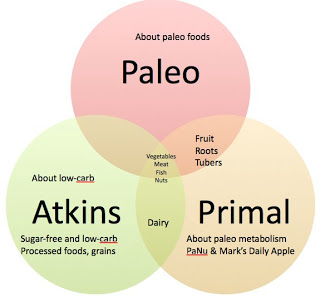
Low carbohydrate diets come under different names and flavors, but they essentially promote the same things: juggling the ratio of macronutrients by restricting carbohydrates and increasing the intake of fats and proteins. The whole concept revolves around the avoidance of carbohydrates, especially refined and processed foods made with white flour, sugar, high fructose corn syrups, etc. In addition, the diet suggests increasing the intake of saturated fat and animal proteins from coconut oil, butter, grass-fed beef and other animal-based products. Most of these low-carb diets throw the baby with the bath water by restricting fruit intake as well as starchy vegetables and legumes. All carbohydrates are often lumped together and considered bad, without making a distinction between unhealthy refined carbohydrates (cookies, white pasta, white rice, bread, etc.) and healthy whole unrefined carbohydrate-rich plant foods (oatmeal, corn, beans, fruits, etc). The most common versions of low-carb diets are listed below:

Dr John McDougall
Starch grains on human teeth reveal early broad crop diet in northern Peru by Dolores Piperno reported in the December 16, 2008 issue of the Proceeding of the National Academy of Science, found plant parts on the teeth (dental plaque) of people who lived in Northern Peru as long as 11,200 years ago and concluded, “Starch grain studies of dental remains document plants and edible parts of them not normally preserved in archaeological records and can assume primary roles as direct indicators of ancient human diets and agriculture.”1
Researchers examined 39 human teeth found in northern Peru’s Nanchoc Valley from six to eight individuals. Some of the grains had been cooked. The diet of these people was considered stable for possibly 5000 years (until 6000 years ago). These people cultivated their crops close to their circular houses. Starch granules from Lima beans, common beans, peanuts, nuts, squash, grains, and fruits were identified.
Comment: Often the only findings reflecting the diet of ancient people are the hard bones of animals that are found near their ruins. Any plant material has decayed and disappeared. Because of this many people have come to the wrong conclusion that early people were primarily hunters and their diet was largely of meat. However, this research adds support for my often-stated position, that all large populations of trim, healthy people, throughout written human history, have obtained the bulk of their calories from starch.
The early ancestors of modern humans, from at least 4 million years ago, followed diets almost exclusively of plant-foods. Beginning at least 250,000 years ago, people survived as hunter-gatherers with a subsistence standard of living, eating foods that extended from one extreme to the other in proportions of plant vs. animal foods—from the raw flesh and fat of marine mammals; the Arctic Eskimos—to diets composed largely of wild plants of the Western Desert; the Australian Aborigines.2 Hunter-gatherers took advantage of any dependable sources of food from their wild local environments. Because of the ease and dependability (compared to obtaining animals), gathering fruits and vegetables was a primary source of food for most hunter-gatherer societies. The emphasis on hunting increased in higher latitudes because of plant scarcity.3 Examination of the dental remains of this ancient culture provides more clear evidence that the natural human diet is starch based.
1) Piperno DR, Dillehay TD. Starch grains on human teeth reveal early broad crop diet in northern Peru. Proc Natl Acad Sci U S A. 2008 Dec 16;105(50):19622-7.
2) Milton K. Back to basics: why foods of wild primates have relevance for modern human health. Nutrition. 2000 Jul-Aug;16(7-8):480-3.
3) Milton K. Hunter-gatherer diets-a different perspective. Am J Clin Nutr. 2000 Mar;71(3):665-7.
Dr John McDougall
Brain Impairment from the Atkins Diet
Low-carbohydrate weight-loss diets. Effects on cognition and mood by Kristen D’Anci in the February 2009 issue of the journal Appetite concluded that,“The present data show memory impairments during low-carbohydrate diets at a point when available glycogen stores would be at their lowest.” Women followed a low-carbohydrate diet, similar to the Atkins diet, or a reduced-calorie balanced diet, similar to that recommended by the American Dietetic Association (ADA). “Results showed that during complete withdrawal of dietary carbohydrate, low-carbohydrate dieters performed worse on memory-based tasks than ADA dieters. These impairments were ameliorated after reintroduction of carbohydrates.” After about one week of severe carbohydrate deprivation subjects demonstrated impairment of memory.
Comments: Have you noticed any of your dieting friends slipping with their physical or mental health? There are scientific reasons to believe this is a real change caused by a deficiency of “brain fuel,” which is carbohydrate. Sugar (glucose) is the primary, preferred fuel for the brain and it is not stored in the brain tissues. Thus, the brain is dependent upon circulating glucose in the blood stream. This glucose comes almost exclusively from eating carbohydrates. Except for milk and honey, only plant-derived foods contain carbohydrate. The body’s stores of carbohydrate last about 24 to 72 hours after starting on a low-carbohydrate, Atkins-type diet. Upon depletion of carbohydrates the body metabolizes body fat into ketones, which can be used, but less efficiently, by the brain tissues and other body tissues for fuel.
The popularity of low-carbohydrate diets is waning, but I doubt they will vanish because they promise quick weight loss while consuming familiar foods like beef, butter and Brie. These diets work by simulating sickness. Without carbohydrate the body turns to fat for energy. Ketones are produced from fat metabolism and with their accumulation a condition of ketosis develops. Ketosis suppresses the appetite. Weight loss follows as long as ketosis-induced, appetite-suppression, is maintained. Most dieters cannot tolerate the unpleasantness of sickness for long and they give up, regaining all their lost body fat.
The foods consumed for a low-carbohydrate diet (meat, poultry, fish, cheese, eggs) are known to cause many serious illnesses, including heart disease, strokes, cancer, osteoporosis, and constipation. This is not the right way to lose weight.
D’Anci KE, Watts KL, Kanarek RB, Taylor HA. Low-carbohydrate weight-loss diets. Effects on cognition and mood. Appetite. 2009 Feb;52(1):96-103.

By Tommy Dean | August 7, 2013

Recent health studies show that red meat is a key culprit in a slew of chronic diseases that currently affect the US.
Grilled during backyard barbecues, cooked for homemade meals, and ordered on the go at millions of fast food restaurants across the country, red meat is a mainstay in many Americans’ diets, but a growing body of scientific research released within the last year suggests that it may be the common thread in a slew of ailments that are at the root of the country’s health epidemic. While the animal agriculture industry may be quick to tout burgers and steak as tasty sources of protein, it’s increasingly clear that the food’s dietary detriments, which include cancer, heart disease, and diabetes, may warrant a warning label to caution the general public that they eat at their own risk.
Forkful of Chronic Disease
The country’s health status is at odds with the medical industry. As many fatal and life-threatening diseases are rendered obsolete with the development of vaccines, medications, and treatments, many residents continue to suffer from unprecedented levels of preventable health issues such as type 2 diabetes. According to the Centers for Disease Control, as of 2011, approximately 23 million people in the US currently live with the condition while nearly 70 million are pre-diabetic. Type 2 diabetes can be partially attributed to genetics and a lack of physical activity, but it is also heavily influenced by diet. A review published this year by the Harvard School of Public Health shows that go-to barbecue fare such as pork and beef play a significant role in the disease’s proliferation. During the research, the Harvard scientists analyzed three separate studies that recorded a collective 150,000 patients’ dietary habits since the 1980s. The results revealed that eating an additional 1.5 ounces of the red meat every day increases the likelihood of developing type 2 diabetes by approximately 48 percent, which led them to the conclusion that reducing intake of the food is a key way to keep the chronic condition at bay: “Our results add further evidence that limiting red meat consumption over time confers benefits for [type 2 diabetes] prevention,” wrote the research authors.
At the heart of the country’s diet-related disease dilemma is the heart. Nearly 715,000 US residents have heart attacks each year, killing approximately 600,000 people annually. For years, health professionals have reported that red meat’s high fat and cholesterol content negatively affect the cardiovascular system, but a study published in the journal Nature Medicine in 2013 revealed that there is a chemical component of beef and pork that increases consumer’s risk of suffering heart disease as well. Recently, Cleveland Clinic researchers found that when humans’ gut bacteria digest the compound carnitine—which is abundant in red meat—the byproduct TMAO is released. TMAO was found to inhibit the body from expelling cholesterol, allowing the fatty substance to sink into artery walls—a deadly recipe for heart attack.
Caustic Cancer
Cancer is another leading cause of death in the US, and a significant amount of resources have been dedicated to finding new and effective treatments for the disease. But as healthcare costs become more of a concern for the general population, doctors and dieticians are training their gaze on prevention methods, such as healthier diets, that reduce the likelihood of cancer ever occurring. While fruits, vegetables, and legumes are unanimously lauded as foods that help keep a clean bill of health, there’s also an emphasis on what not to eat. Enter red meat. A study published in the Archives of Internal Medicine in 2012, which analyzed the dietary habits of more than 120,000 people, revealed that consuming a 3-ounce piece of red meat every day increases the risk of dying from cancer or cardiovascular disease by 13 percent, while eating an additional serving of processed red meats, such as hot dogs or bacon, heightens a person’s fatality incidence by 20 percent. Separate studies have also found links between red meat and the development of bladder, lung, and breast cancer, and a recently released study by the American Cancer Society in Atlanta concluded that when a patients ate foods such as beef, pork, and lamb prior to being diagnosed with colon cancer—one of the most common forms of cancer in the US—it significantly raised their mortality risk as well.
Red Meat, Red Flag
In order for the country as a whole to combat chronic conditions such as type 2 diabetes, cardiovascular disease, and cancer, we need to start at the source of the problem—our diets. This means looking at the hard data from reputable health sources to make informed decisions, and replacing foods like red meat that have repeatedly proven to be inimical with sustenance that actually sustains a long and healthy existence. It is this urgency to encourage a greater physical well-being and combat the country’s collective health epidemic that has led wellness experts and dieticians to discourage meat and dairy and endorse plant-based diets.

by Christina Sarich
July 21st, 2013
 According to Harvard Medical School, cutting out or reducing red meat consumption can help prolong your life by up to 20%. The study, published in the Archives of Internal Medicine, looked at 84,000 women and 38,000 men’s diets in order to determine if it was really beneficial to consume a big juicy steak several times a week. The study found, unequivocally, that people who ate the most red meat (especially processed red meats) died younger, and most often from cardiovascular diseases and cancer.
“We estimated that substitutions of 1 serving per day of other foods (including fish, poultry, nuts, legumes, low-fat dairy, and whole grains) for 1 serving per day of red meat were associated with a 7% to 19% lower mortality risk. We also estimated that 9.3% of deaths in men and 7.6% in women in these cohorts could be prevented at the end of follow-up if all the individuals consumed fewer than 0.5 servings per day (approximately 42 g/d) of red meat.”
Even though people who consumed high levels of red meat also tended to smoke, drink, and have less-than-healthy body weights, those factors were calculated into the study, and people who ate more red meat still died sooner than their more vegetarian counterparts. The study concluded that each daily serving of red meat increased risk of death by 13%. The impact rose to 20% if the serving was processed, as in food items like hot dogs, bacon, and cold cuts.
“This study provides clear evidence that regular consumption of red meat, especially processed meat, contributes substantially to premature death,” according to Dr. Frank Hu, one of the senior scientists involved in the study and a professor of nutrition at the Harvard School of Public Health.
Dr. Walter Willet, a senior scientists on the study said:
“If someone is age 60 and has a 50% chance of dying in the next 25 years, adding one serving a day would increase his risk of dying in that time to about 57%, and if he had two servings a day, this would be about a 63% risk of dying in that time.”
The good news is that you don’t have to go completely meat free, though. You can substitute other proteins that the body can more easily assimilate and digest. Fish resulted in a 7% decrease in risk, beans and legumes resulted in a 10% decrease in risk, chicken and whole grains resulted in a 14% reduction, and nuts as a source of protein offered a whopping 19% reduction in cardiovascular and cancer risks compared to red meat consumption. The study did not measure sprouted beans or other sprouted seeds that often have up to 900% more nutritional value for the body as well.
Furthermore, many farm-raised animals which supply meat are fed on GMO diets, which can cause cancer, organ failure and other unsavory health concerns.
—
The study was funded by grants from the NIH and by a career development award from the National Heart, Lung, and Blood Institute. The study authors reported that they had no conflicts of interest.
Read more: http://naturalsociety.com/reducing-red-meat-consumption-extend-life-20-percent/#ixzz2aXih0JVJ
Follow us: @naturalsociety on Twitter | NaturalSociety on Facebook
 The Way To Eat