National Health Authorities Warn

All Respectable and Reputable National Health Authorities Warn the Public Against Low Carb Diets (references are here)

A large number of respectable health authorities have come out over the years and warned the public against the dangers of low carb diets. These authorities include:

  • American Medical Association
  • American Dietetic Association
  • American Cancer Society
  • American Heart Association
  • Cleveland Clinic
  • John Hopkins
  • American Kidney Fund
  • American College of Sports Medicine
  • National Institute of Health

And this it just in the United States. Around the world, health agencies have issued similar warnings and criticized low-carb diets by calling them health hazards. Why would all these health authorities warn the public against low carb diets if there was no danger? All are these scientists crazy or working together to conspire against the “low carb” movement? No, these authorities have done their homework and they came out against low carb diets because the dangers are real, understood and documented. Please be an informed responsible adult and read what these institutions have to say and their reasons before following the advice of gurus, health coaches or gym trainers that promote low carb diets (very common in the cross-fit world).

Ask yourself the following the following questions about the person giving you the low carb advice:

  • Is this person in great health (low body fat, low cholesterol, low blood pressure, low blood glucose, nice skin tone, great energy)? Don’t get fooled by a Photoshopped picture.
  • Is this person following the advice she recommends? How long has this person been following this advice? How old is this person? I don’t mean any disrespect but a 25-year old athlete can look good under any kind of weird diet, so their dietary advice is no indication that it is healthy or not.
  • Does this person really understand nutrition, the essential nutrients needed for health? Where is this person getting his nutritional knowledge? From other low carb gurus?
  • What sort of credible experience has this person had helping people reverse chronic conditions using this low carb advice? Can you meet or talk with these people? Are they in good health (see first bullet)? Are they really slim? Are they still following that nutritional advice? If there was an improvement in people’s conditions, what were these people doing before? If a 400 lbs person lost 100 lbs and is now stuck at 300 lbs, this does not mean the low carb diet works. A low carb diet can yield a relative improvement for someone who eats a lot of junk food but it will not be an improvement for someone healthy eating a whole food plant-based diet (that already excludes processed food made with flour, sugars and oils).
  • If someone improved his/her health following a low-carb diet, what was this person eating before? Most people move from a Standard American Diet (SAD) to a low-carb diet. Unfortunately, the SAD diet is the worst diet out there and any change is a move up in the right direction. However, a small improvement in diet does not mean the new diet is healthy. If someone decreased his cigarette consumption from 3 packs a day to 2 packs a day, we would certainly acknowledge the improvement but would certainly not call the new lifestyle healthy.

Don’t settle for second-class nutritional advice. You deserve better.

Low Carbohydrate Diets Are Unhealthy and Dangerous


Summary

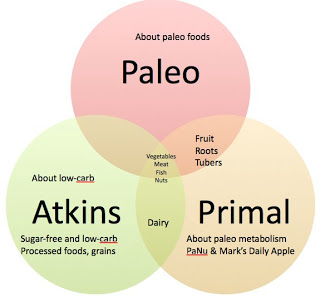
Low carbohydrate diets come under different names and flavors, but they essentially promote the same things: juggling the ratio of macronutrients by restricting carbohydrates and increasing the intake of fats and proteins. The whole concept revolves around the avoidance of carbohydrates, especially refined and processed foods made with white flour, sugar, high fructose corn syrups, etc. In addition, the diet suggests increasing the intake of saturated fat and animal proteins from coconut oil, butter, grass-fed beef and other animal-based products. Most of these low-carb diets throw the baby with the bath water by restricting  fruit intake as well as starchy vegetables and legumes. All carbohydrates are often lumped together and considered bad, without making a distinction between unhealthy refined carbohydrates (cookies, white pasta, white rice, bread, etc.) and healthy whole unrefined carbohydrate-rich plant foods (oatmeal, corn, beans, fruits, etc). The most common versions of low-carb diets are listed below:

  • Atkins (Robert Atkins)
  • Dukan (Pierre Dukan)
  • Evolution diet (Arthur De Vany)
  • Mercola (Joseph Mercola)
  • Paleo (also referred to as the Paleolithic Diet, the Paleodiet, the Caveman Diet, the Stone Age Diet, the CrossFit Diet and the Hunter-Gatherer Diet by Loren Cordain and/or Robb Wolf)
  • Slow Carb Diet (essentially CrossFit/Paleo with beans allowed, by Tim Ferris’ 4-Hour Body)
  • Primal (Mark Sisson)
  • South Beach (Arthur Agatston)
  • TNT (Jeff Volek)
  • Western A Price (Sally Fallon and Mary Enig)
  • Zone (Barry Sears)
  • And multiple others like Anthony Colpo, Dr. Dan Eades, Denise Minger, Jimmy Moore, etc.

Dairy Products Will Literally Kill You!

 -Roger Mason

Milk and dairy products are the number one allergenic food in the world. All adults of all races are allergic to milk and dairy because of the LACTOSE (milk sugar) and casein content. Children lose the ability to produce the enzyme lactase at about the age of three years old. Only humans drink milk after weaning. We choose cow milk, which is meant for calves and not people. Lactose does not just pass harmlessly through the body undigested, but causes a lot of problems – including CANCER. That’s right; people who drink milk and eat dairy products get more cancer of most kinds, especially prostate and breast cancer. They also get more heart disease, diabetes, and other conditions. Blacks, Amerindians, and Asians have the worst problems with milk and milk products.

A study was done for 11 years running of over 20,000 doctors. This was appropriately called the Physician’s Health Study. An article appeared in the American Journal of Clinical Nutrition (volume 74) specifically on prostate cancer and dairy consumption. The authors concluded, “These results support the hypothesis that dairy products… are associated with a greater risk of prostate cancer.” This applies equally to breast cancer, as prostate and breast cancer are almost the exact same diseases, with the same causes, and the same natural cures basically. “In conclusion, this report supports and extends previous observations that high intakes of dairy products…are associated with an increased risk of prostate cancer.” The doctors who ate little or no dairy had much less cancer than the ones who ate dairy regularly. The ones who ate lots of dairy had the highest of all rates by far.
How do you give up milk and dairy products? Very simply. All the major chain groceries now  carry a variety of non-dairy milks including soy, rice, almond, and oat milks. Keep trying these until you find one you like best. Soon you will prefer non-dairy milk very much, and will actually find cow milk somewhat distasteful. Use this for cooking, on cold cereal, and the usual ways you use dairy milk. There are a variety of soy and other cheeses that really melt and taste like dairy cheese in at least eight different flavors such as American, Jack, Cheddar, Mozzarella, Parmesan, Feta, etc. You can find soy sour cream, cream cheese, and other such substitutes. Soy yogurt and ice cream are full of sugar, and can only be used as occasional treats.
Prostate and breast cancer are major epidemics in America. There was another article in the American Journal of Clinical Nutrition (volume 75). This was based on the Health Professionals Follow-up Study for over 33,000 men. The men who ate the most protein got the most cancer. The men who ate the least protein got the least cancer. The animal protein found in red meat, poultry, eggs, and dairy products promotes disease. Milk products contain the cancer promoting protein casein. Whole grains and beans have all the protein you need- without the fat and cholesterol. There is more proof the promoters of high protein diets are all nuts. We eat twice the protein we need. This also leads to dangerous high  uric acid levels. Campbell’s book The China Study proved that animal protein per se causes cancer and other diseases.


Other published international studies show repeatedly that intake of milk and dairy products leads to higher rates of cancer, heart disease, diabetes, and mortality. The more dairy foods you eat the sooner you’ll die. Take dairy completely out of your life. Humans and animals were never meant to eat milk or milk products after weaning. Dairy is the worst allergenic food on earth. Go to websites like www.notmilk.com to learn more. Milk is poison.

Diet Benefits Prostate Cancer

John McDougall, MDDr John McDougall

Diet Benefits Prostate Cancer (Another Ornish Contribution)

Clinical events in prostate cancer lifestyle trial: results from two years of follow-up by Joanne Frattaroli published in the December 2008 issue of the journalUrology found, “Patients with early-stage prostate cancer choosing active surveillance might be able to avoid or delay conventional treatment for at least 2 years by making changes in their diet and lifestyle.” By 2 years of follow-up, 13 of 49 (27%) control patients and 2 of 43 (5%) experimental patients—those encouraged to adopt a low-fat, plant-based diet, to exercise and practice stress management, and to attend group support sessions—had undergone conventional prostate cancer treatment (radical prostatectomy, radiotherapy, or androgen deprivation).

Comment: This is the second report of the Prostate Cancer Lifestyle Intervention Trial started by Dean Ornish, MD.  Given the honest facts about standard prostate cancer treatments, most patients would elect diet, and delay or avoid surgery, radiation, hormone deprivation (pills or cutting off their testicles), and chemotherapy. These damaging treatments fail to produce consistent survival benefits—and every doctor and patient should know the results of a century of research.  Doing nothing would be a better option for most patients.  Research also shows that the high-fat, meat- and dairy- rich Western diet causes this disease. Common sense says “Don’t throw gasoline on a fire.” 

Frattaroli J, Weidner G, Dnistrian AM, Kemp C, Daubenmier JJ, Marlin RO, Crutchfield L, Yglecias L, Carroll PR, Ornish D. Clinical events in prostate cancer lifestyle trial: results from two years of follow-up. Urology. 2008 Dec;72(6):1319-23. Epub 2008 Jul 7.

The Ancient Human Diet Is Starch-based

John McDougall, MD


Dr John McDougall

Starch grains on human teeth reveal early broad crop diet in northern Peru by Dolores Piperno reported in the December 16, 2008 issue of the Proceeding of the National Academy of Science, found plant parts on the teeth (dental plaque) of people who lived in Northern Peru as long as 11,200 years ago and concluded, “Starch grain studies of dental remains document plants and edible parts of them not normally preserved in archaeological records and can assume primary roles as direct indicators of ancient human diets and agriculture.”1

Researchers examined 39 human teeth found in northern Peru’s Nanchoc Valley from six to eight individuals. Some of the grains had been cooked.  The diet of these people was considered stable for possibly 5000 years (until 6000 years ago).  These people cultivated their crops close to their circular houses.  Starch granules from Lima beans, common beans, peanuts, nuts, squash, grains, and fruits were identified.

Comment:  Often the only findings reflecting the diet of ancient people are the hard bones of animals that are found near their ruins.  Any plant material has decayed and disappeared.  Because of this many people have come to the wrong conclusion that early people were primarily hunters and their diet was largely of meat.  However, this research adds support for my often-stated position, that all large populations of trim, healthy people, throughout written human history, have obtained the bulk of their calories from starch.

The early ancestors of modern humans, from at least 4 million years ago, followed diets almost exclusively of plant-foods. Beginning at least 250,000 years ago, people survived as hunter-gatherers with a subsistence standard of living, eating foods that extended from one extreme to the other in proportions of plant vs. animal foods—from the raw flesh and fat of marine mammals; the Arctic Eskimos—to diets composed largely of wild plants of the Western Desert; the Australian Aborigines.2 Hunter-gatherers took advantage of any dependable sources of food from their wild local environments.  Because of the ease and dependability (compared to obtaining animals), gathering fruits and vegetables was a primary source of food for most hunter-gatherer societies. The emphasis on hunting increased in higher latitudes because of plant scarcity.3 Examination of the dental remains of this ancient culture provides more clear evidence that the natural human diet is starch based.

1) Piperno DR, Dillehay TD. Starch grains on human teeth reveal early broad crop diet in northern Peru. Proc Natl Acad Sci U S A. 2008 Dec 16;105(50):19622-7.

2) Milton K.  Back to basics: why foods of wild primates have relevance for modern human health.  Nutrition. 2000 Jul-Aug;16(7-8):480-3.

3)  Milton K.  Hunter-gatherer diets-a different perspective.  Am J Clin Nutr. 2000 Mar;71(3):665-7.


Breast Cancers Spontaneously Disappear

John McDougall, MD


Dr John McDougall


Breast Cancers Spontaneously Disappear

The natural history of invasive breast cancers detected by screening mammography by Per-Henrik Zahl published in the November 24, 2008 issue of the Archives of Internal Medicine found, “…that the natural course of some screen-detected invasive breast cancers is to spontaneously regress.”1 The investigators found invasive breast cancer 22% more often in women who had a mammography every other year for 6 years than those who did not (1909 vs. 1564 per 100 000 women). If all cancer were to naturally progress and none disappear then the same number of cancers would be expected to be found in the women who received regular screening every other year and those who only had one exam after 6 years. Their conclusion was, “it appears that some breast cancers detected by repeated mammographic screening would not persist to be detectable by a single mammogram at the end of 6 years.”  The final remarks of the investigators were, “Our findings are equally consistent with the possibility that mammography either leads to a reduction in breast cancer mortality or has no effect at all. Instead, our findings simply provide new insight on what is arguably the major harm associated with mammographic screening, namely, the detection and treatment of cancers that would otherwise regress.”

Comment: Spontaneous regression of advanced breast cancer has been reported.  One recent reported identified 32 such cases, but there are certainly many more unreported cases.2 Advanced melanoma, brain cancer (neuroblastoma), and kidney cancer are also known to disappear without treatment.  Precancerous changes in the female uterine cervix and colon polyps also regress. 

Most of my readers know that I am against doing “early detection” screening tests for most cancers, including those of the breast, prostate, and lung cancer. This study provides one more reason to avoid mammography and even breast-self examination—benefits of which have been seriously questioned.3,4 The harms from these detection campaigns are, however, unquestioned.*

I often see women with breast cancer, men with prostate cancer, and both genders with many other forms of cancer in late stages.  Their doctors have given them no hope—in fact, in most cases their well-intentioned treatments add to their misery.  Hopelessness compounds the suffering.  Patients need to be told that even with advanced cancer, sometimes there is recovery, called spontaneous remission.  I believe this miracle is more likely to happen for someone in good health, rather than in poor health. The only way I know to consistently improve health is by replacing destructive habits with good ones.  The most powerful of these changes is switching from the meat-, dairy-, and junk food-based Western diet to the McDougall starch-based diet.  I have seen what I believe to be spontaneous remissions in my patients several times. Ruth Heidrich, reported as a Star McDougaller, is one remarkable example of metastatic breast cancer diagnosed over 26 years ago—and she lives cancer free today.

*I believe there are minor benefits to be had from PAP smears every 3 to 5 years until age 50, one routine colon exam (polyps) at age 55 to 60, exams of the mouth (leukoplakia), and skin exams (pre-melanoma).

1) Zahl PH, Maehlen J, Welch HG. The natural history of invasive breast cancers detected by screening mammography. Arch Intern Med. 2008 Nov 24;168(21):2311-6.

2) Larsen SU, Rose C. Spontaneous remission of breast cancer. A literature review.Ugeskr Laeger. 1999 Jun 28;161(26):4001-4.

3) Baxter N; Canadian Task Force on Preventive Health Care. Preventive health care, 2001 update: should women be routinely taught breast self-examination to screen for breast cancer? CMAJ. 2001 Jun 26;164(13):1837-46.

4) Gøtzsche PC, Nielsen M. Screening for breast cancer with mammography.Cochrane Database Syst Rev. 2006 Oct 18;(4):CD001877.

Brain Impairment from the Atkins Diet

John McDougall, MD


Dr John McDougall

Brain Impairment from the Atkins Diet


Low-carbohydrate weight-loss diets. Effects on cognition and mood by Kristen D’Anci in the February 2009 issue of the journal Appetite concluded that,The present data show memory impairments during low-carbohydrate diets at a point when available glycogen stores would be at their lowest.” Women followed a low-carbohydrate diet, similar to the Atkins diet, or a reduced-calorie balanced diet, similar to that recommended by the American Dietetic Association (ADA). “Results showed that during complete withdrawal of dietary carbohydrate, low-carbohydrate dieters performed worse on memory-based tasks than ADA dieters. These impairments were ameliorated after reintroduction of carbohydrates.”  After about one week of severe carbohydrate deprivation subjects demonstrated impairment of memory.

Comments:  Have you noticed any of your dieting friends slipping with their physical or mental health?  There are scientific reasons to believe this is a real change caused by a deficiency of “brain fuel,” which is carbohydrate. Sugar (glucose) is the primary, preferred fuel for the brain and it is not stored in the brain tissues.  Thus, the brain is dependent upon circulating glucose in the blood stream.  This glucose comes almost exclusively from eating carbohydrates.  Except for milk and honey, only plant-derived foods contain carbohydrate. The body’s stores of carbohydrate last about 24 to 72 hours after starting on a low-carbohydrate, Atkins-type diet.  Upon depletion of carbohydrates the body metabolizes body fat into ketones, which can be used, but less efficiently, by the brain tissues and other body tissues for fuel.

The popularity of low-carbohydrate diets is waning, but I doubt they will vanish because they promise quick weight loss while consuming familiar foods like beef, butter and Brie.  These diets work by simulating sickness.  Without carbohydrate the body turns to fat for energy. Ketones are produced from fat metabolism and with their accumulation a condition of ketosis develops. Ketosis suppresses the appetite. Weight loss follows as long as ketosis-induced, appetite-suppression, is maintained. Most dieters cannot tolerate the unpleasantness of sickness for long and they give up, regaining all their lost body fat.

The foods consumed for a low-carbohydrate diet (meat, poultry, fish, cheese, eggs) are known to cause many serious illnesses, including heart disease, strokes, cancer, osteoporosis, and constipation.  This is not the right way to lose weight.

D’Anci KE, Watts KL, Kanarek RB, Taylor HA. Low-carbohydrate weight-loss diets. Effects on cognition and mood. Appetite. 2009 Feb;52(1):96-103.

5 Surprising Genetically Modified Foods

Leaving aside the question of whether they’re good or bad for a moment, what exactly are GMOs, and which foods are they in?

By Maggie Caldwell on Mon. August 5, 2013 3:00 AM PDT

Golden rice

GE rice may soon be approved for human consumption. Photo illustration/Photos from IRRI, WIkimedia Commons

By now, you’ve likely heard about genetically modified organisms (GMOs) and the controversy over whether they’re the answer to world hunger or the devil incarnate. But for right now, let’s leave aside that debate and turn to a more basic question: When you go to the supermarket, do you know which foods are most likely to be—or contain ingredients that are—genetically engineered? A handy FAQ:

So what exactly are genetically modified organisms? 
GMOs are plants or animals that have undergone a process wherein scientists alter their genes with DNA from different species of living organisms, bacteria, or viruses to get desired traits such as resistance to disease or tolerance of pesticides.

But haven’t farmers been selectively breeding crops to get larger harvests for centuries? How is this any different?
Over at Grist, Nathanael Johnson has a great answer to this question—but in a nutshell: Yes, farmers throughout history have been raising their plants to achieve certain desired traits such as improved taste, yield, or disease resistance. But this kind of breeding still relies on the natural reproductive processes of the organisms, where as genetic engineering involves the addition of foreign genes that would not occur in nature.

Am I eating GMOs?
Probably. Since several common ingredients like corn starch and soy protein are predominantly derived from genetically modified crops, it’s pretty hard to avoid GM foods altogether. In fact, GMOs are present in 60 to 70 percent of foods on US supermarket shelves, according to Bill Freese at the Center for Food Safety; the vast majority of processed foods contain GMOs. One major exception is fresh fruits and veggies. The only GM produce you’re likely to find is the Hawaiian papaya, a small amount of zucchini and squash, and some sweet corn. No meat, fish, and poultry products approved for direct human consumption are bioengineered at this point, though most of the feed for livestock and fish is derived from GM corn, alfalfa, and other biotech grains. Only organic varieties of these animal products are guaranteed GMO-free feed.

So what are some examples of food that are genetically modified?
1. Papayas: In the 1990s, Hawaiian papaya trees were plagued by the ringspot virus which decimated nearly half the crop in the state. In 1998, scientists developed a transgenic fruit called Rainbow papaya, which is resistant to the virus. Now 77 percent of the crop grown in Hawaii is genetically engineered (GE).

2. Milk: RGBH, or recombinant bovine growth hormone, is a GE variation on a naturally occurring hormone injected into dairy cows to increase milk production. It is banned for milk destined for human consumption in the European Union, Canada, New Zealand, and Australia. Many milk brands that are rGBH-free label their milk as such, but as much as 40 percent of our dairy products, including ice cream and cheese, contains the hormone.

3. Corn on the cob: While 90 percent of corn grown in the United States is genetically modified, most of that crop is used for animal feed or ethanol and much of the rest ends up in processed foods. Sweet corn—the stuff that you steam or grill on the barbecue and eat on the cob—was GMO-free until last year when Monsanto rolled out its first GE harvest of sweet corn. While consumers successfully petitioned Whole Foods and Trader Joe’s to not carry the variety, Walmart has begun stocking the shelves with it without any label.

4. Squash and zucchini: While the majority of squashes on the market are not GE, approximately 25,000 acres of crookneck, straightneck, and zucchinis have been bioengineered to be virus resistant.

5. “All natural” foods: Be wary of this label if you’re trying to avoid GE foods. Right now there is no strict definition of what constitutes a natural food. This could be changing soon as federal court judgesrecently requested the Food and Drug Administration to determine whether the term can be used to describe foods containing GMOs to help resolve pending class action suits against General Mills, Campbell Soup Co., and the tortilla manufacturer Gruma Corp.

Are there any foods I’ve heard might be genetically modified—but actually aren’t?
1. Potatoes: 
In 1995, Monsanto introduced genetically modified potatoes for human consumption, but after pressure from consumers, McDonald’s and several other major fast food chains told their French fry suppliers to stop growing GE potatoes. The crop has since been removed from the market.

2. Seedless watermelon: While it would seem plausible that a fruit that produces no seeds has been bioengineered, the seedless watermelon is a hybrid of two separate breeds. It has been nicknamed the “mule of the watermelon world.”

3. Salmon: Currently no meat, fish, or egg products are genetically engineered, though a company called Aqua Bounty has an application in with the FDA to approve its GE salmon.

4. Soy milk: While 93 percent of soy grown in the United States is genetically engineered, most major brands of soy milk are GMO-free. Silk, the best-selling soy milk brand in the country, joined the Non-GMO Project in 2010. Many popular tofu brands in the United States also sell GMO-free tofu products.*

5. Rice: staple food for nearly half the world’s population, there are currently no varieties of GM riceapproved for human consumption. However, that could soon change. A genetically modified variety calledgolden rice being developed in the Philippines has been altered to include beta-carotene, a source of vitamin A. Backers are lauding it as a way to alleviate nutrient deficiency for the populations in developing countries.

How about organic foods? 
Since the late ’90s, USDA organic standards have prohibited any genetically modified ingredients. Originally, the agency tried to include GE foods under the organic umbrella, but it backed down in 2002 after a massive public outcry to save organic standards.

How long have I been eating GE food?
Scientists conducted the first GE food trials the late 1980s, and in 1994, a biotech company called Calgene released the first GMO approved for human consumption: the “Flavr Savr tomato,” designed to stay ripe on the vine longer without getting squishy. The product, which Monsanto eventually picked up, flopped, but it paved the way for others: Biotech companies have made billions since with GE corn, soy bean, cotton, and canola.

Aren’t food companies required to let me know whether their products contain GMOs?
Not in the United States. Sixty-four developing and developed countries require GMO food labeling, according to Freese at the Center for Food Safety. You may have heard about the recent string of “Right to Know” bills in state assemblies across the country. The bills are aimed to require food companies to label any products that contain genetically modified organisms. Connecticut and Maine recently passed laws that would require food manufacturers to reveal GE ingredients on product packaging, but those laws won’t go into effect until other states adopt similar measures. Americans overwhelmingly support such laws, with poll after poll showing that over 90 percent of respondents support mandatory labeling. Biotech companies and the food industry say that such labeling would be expensive and pointless since genetically engineered foods have been declared safe for human consumption.

So if the food is safe, what’s all the fuss about them?
First off, not everyone agrees that GMOs are safe to eat, especially over the long term. The European Union remains decidedly skeptical, with very few approved GE crops grown on the continent and mandatory labeling in place for products that contain GMOs. Some scientists fear that GMOs could causeallergies in humans. Others point to the environmental consequences of the farming of GE crops.

How do GMOs affect the environment?
One word: Pesticides. Hundreds of millions of extra pounds of pesticides. The six biggest producers of GE seeds—Monsanto, Syngenta, Dow Agrosciences, BASF, Bayer, and Pioneer (DuPont)—are also the biggest producers of chemical herbicides and insecticides. Monsanto’s Roundup Ready crops, for example, are genetically engineered to be immune to herbicide so that farmers can destroy weeds without killing their cash crops. But the process has spawned Roundup resistant weeds, leading farmers to apply greater and greater doses of the chemical or even resort to more toxic methods to battle back the superweeds.

Where can I learn more about GMOs? 
Mother Jones‘ Tom Philpott writes critically about GMOs often. In this 2011 Scientific American piece, Brendan Borrell lays out the pro-GMO case very well. Grist‘s Nathanael Johnson has written several posts that clarify the basic science behind GE crops, and a New York Times Room for Debate from 2009 offers a pretty good synopsis of the controversy. Food policy wonks might enjoy perusing the Food and Agriculture Organization’s page on biotechnology in agriculture; if you’re looking for a more entertaining way to educate yourself, a documentary called GMO OMG opens in select theaters this fall.

Clarification: Previously this story stated most tofu sold in the United States is GMO-free. While the top-selling US tofu brand Nasoya and many other major manufacturers in the US have items verified by theNon-GMO Project, this doesn’t necessarily encompass all tofu products.

Why Red Meat is at the Root of America’s Health Epidemic

Food

By Tommy Dean | August 7, 2013

Recent health studies show that red meat is a key culprit in a slew of chronic diseases that currently affect the US.

Grilled during backyard barbecues, cooked for homemade meals, and ordered on the go at millions of fast food restaurants across the country, red meat is a mainstay in many Americans’ diets, but a growing body of scientific research released within the last year suggests that it may be the common thread in a slew of ailments that are at the root of the country’s health epidemic. While the animal agriculture industry may be quick to tout burgers and steak as tasty sources of protein, it’s increasingly clear that the food’s dietary detriments, which include cancer, heart disease, and diabetes, may warrant a warning label to caution the general public that they eat at their own risk.

Forkful of Chronic Disease
The country’s health status is at odds with the medical industry. As many fatal and life-threatening diseases are rendered obsolete with the development of vaccines, medications, and treatments, many residents continue to suffer from unprecedented levels of preventable health issues such as type 2 diabetes. According to the Centers for Disease Control, as of 2011, approximately 23 million people in the US currently live with the condition while nearly 70 million are pre-diabetic. Type 2 diabetes can be partially attributed to genetics and a lack of physical activity, but it is also heavily influenced by diet. A review published this year by the Harvard School of Public Health shows that go-to barbecue fare such as pork and beef play a significant role in the disease’s proliferation. During the research, the Harvard scientists analyzed three separate studies that recorded a collective 150,000 patients’ dietary habits since the 1980s. The results revealed that eating an additional 1.5 ounces of the red meat every day increases the likelihood of developing type 2 diabetes by approximately 48 percent, which led them to the conclusion that reducing intake of the food is a key way to keep the chronic condition at bay: “Our results add further evidence that limiting red meat consumption over time confers benefits for [type 2 diabetes] prevention,” wrote the research authors.

At the heart of the country’s diet-related disease dilemma is the heart. Nearly 715,000 US residents have heart attacks each year, killing approximately 600,000 people annually. For years, health professionals have reported that red meat’s high fat and cholesterol content negatively affect the cardiovascular system, but a study published in the journal Nature Medicine in 2013 revealed that there is a chemical component of beef and pork that increases consumer’s risk of suffering heart disease as well. Recently, Cleveland Clinic researchers found that when humans’ gut bacteria digest the compound carnitine—which is abundant in red meat—the byproduct TMAO is released. TMAO was found to inhibit the body from expelling cholesterol, allowing the fatty substance to sink into artery walls—a deadly recipe for heart attack.

Caustic Cancer
Cancer is another leading cause of death in the US, and a significant amount of resources have been dedicated to finding new and effective treatments for the disease. But as healthcare costs become more of a concern for the general population, doctors and dieticians are training their gaze on prevention methods, such as healthier diets, that reduce the likelihood of cancer ever occurring. While fruits, vegetables, and legumes are unanimously lauded as foods that help keep a clean bill of health, there’s also an emphasis on what not to eat. Enter red meat. A study published in the Archives of Internal Medicine in 2012, which analyzed the dietary habits of more than 120,000 people, revealed that consuming a 3-ounce piece of red meat every day increases the risk of dying from cancer or cardiovascular disease by 13 percent, while eating an additional serving of processed red meats, such as hot dogs or bacon, heightens a person’s fatality incidence by 20 percent. Separate studies have also found links between red meat and the development of bladder, lung, and breast cancer, and a recently released study by the American Cancer Society in Atlanta concluded that when a patients ate foods such as beef, pork, and lamb prior to being diagnosed with colon cancer—one of the most common forms of cancer in the US—it significantly raised their mortality risk as well.

Red Meat, Red Flag
In order for the country as a whole to combat chronic conditions such as type 2 diabetes, cardiovascular disease, and cancer, we need to start at the source of the problem—our diets. This means looking at the hard data from reputable health sources to make informed decisions, and replacing foods like red meat that have repeatedly proven to be inimical with sustenance that actually sustains a long and healthy existence. It is this urgency to encourage a greater physical well-being and combat the country’s collective health epidemic that has led wellness experts and dieticians to discourage meat and dairy and endorse plant-based diets.

Shiitake Mushrooms – One of the Healthiest Fungi in the World

Christina Sarich

by 
June 30th, 2013
Updated 06/30/2013 at 6:41 am

shiitake mushrooms 263x164 Shiitake Mushrooms – One of the Healthiest Fungi in the WorldIf you haven’t gotten a good dose of fungi lately, particularly shiitake mushrooms, then you are missing out. Used by the Chinese for over 6000 years, shiitake mushrooms are said to be an aphrodisiac, and can sell for upwards of $40 a pound in US markets. The mushroom gets its name from the Shii tree on which the mushrooms most often grow in Japan. The best part? They offer a host of medicinal and healthful benefits from promoting heart health to boosting longevity. Further, they can be added to salads, brown rice dishes, and a plethora of other recipes to ingest their life-giving nutrients and special compounds.

Shiitake mushrooms are an excellent source of some important vitamins and minerals. For starters, they have three B vitamins, B2, B5 and B6, and six important trace minerals: phosphorous, selenium, copper, zinc, potassium, magnesium, and manganese. Selenium is a known cancer-fighting mineral. The mushrooms also contain vitamin D and protein as well as dietary fiber. Finally, they are a great non-meat source of iron, the blood-fortifying element.

In researching the shiitake mushroom, it was found that it helps boost cardiovascular health by preventing too much immune cell binding to the lining of our blood vessels. Because of specific types of protein molecules (ICAM-1, VCAM-1, and E-selectin) in shiitake mushrooms, which have special adhesion characteristics in their molecules, our blood vessels are protected.

Beta-glucan, the soluble fiber in shiitake mushrooms also binds to cholesterol in the gut by forming a gel-like paste, which absorbs it and then expels it from the body. It is through this process that ‘bad’ cholesterol levels can be lowered by eating shiitake.

What’s more, shiitake mushrooms also boost the immune system and add years to our lives by reducing oxidative stress throughout the body due to their high levels of antioxidants.

Finally, the mushrooms farmed organically on forest hardwoods are sustainable and great for the environment, so you can obtain your fill of fungi with absolutely no guilt.

Read more: http://naturalsociety.com/shiitake-mushrooms-one-of-the-healthiest-fungi-in-the-world/#ixzz2b8j2RdDn
Follow us: @naturalsociety on Twitter | NaturalSociety on Facebook