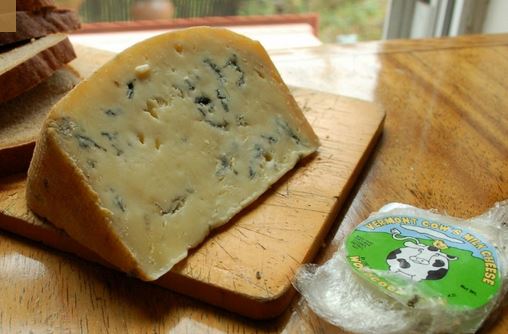
Cow’s Milk May Actually Be Bad For Your Bones!

Green Planet

Drinking three glasses of milk a day increases the risk of osteoporosis, bone fractures, and correlates with a higher mortality rate, according to a new study by Michaëlsson  K, Wolk  A, Langenskiöld  S, et al. in the The British Medical Journal. The BMJ explains, “Michaëlsson and colleagues suggest that milk is harmful because a metabolite of lactose, D-galactose, mimics aging through inflammation and oxidative stress in animal models,” and they call for a more definitive answer on the relationship between dairy and mortality.

With campaigns like the now-defunct Got Milk? the dairy industry has been soap-boxing for decades about the importance of dairy for calcium intake and bone strength. We’ve been bombarded with the idea that dairy is our most important nutritional supplement, and the best thing for a growing child. Not true. The Physicians Committee for Responsible Medicine shows this is only the latest in a history of studies showing not only that milk fails to protect bone health, but that plant-based nutrition is more effective for disease prevention. One of the best ways to increase bone density is through exercise.

This news may not come as a surprise to readers, who know calcium and dairy need to break up, but it is impressive because of its scope. The researchers followed 61,433 women for over 20 years, and 45,339 men for 11 years. The scale of the study should satisfy concerns of bias, and spur the conversation about how marketing campaigns have substituted for real health advice, at least in the United States. We can only hope that findings of this magnitude will provide the push for government health programs to change their policies, from the food pyramid to The Special Supplemental Nutrition Program for Women, Infants, and Children (WIC), a federal food subsidy program for low income nursing mothers and young children, emphasizing animal-source nutrition.

From children told to drink milk with their lunches to the elderly attempting to fight bone loss with cow’s milk, the system has to change. The good news is that studies like this provide both proof and reason.

Image Source: free photos & art/Flickr

The Trouble with Triglycerides

By

WebMD Feature

You’ve probably heard of triglycerides, and you’ve probably also heard that consistently high blood levels of triglycerides can be  a bad thing.

But what are triglycerides, exactly? Why would your doctor shake his head if your cholesterol report says that your triglycerides are high? And what do they have to do with diabetes and a group of worrisome symptoms called the “metabolic syndrome?”

What Are Triglycerides?

Simply put, triglycerides are fat. That is, they’re the major form in which our bodies store fat. Fat tissue is made up of cells that fill up with triglycerides.

So triglycerides are bad, right? Well, not normally. In fact, we couldn’t live without triglycerides. “They’re the main way evolution gave us to store energy,” says Mitchell Lazar, MD, PhD, director of the Institute for Diabetes, Obesity and Metabolism at the University of Pennsylvania.

“Up until 100 years ago or so, food wasn’t nearly as plentiful as it is now, and we burned a lot more calories in physical labor. So it was very important to have the ability to store fuel in an efficient way,” Lazar says. “Per pound, you get twice as much energy from your stores of fat as you do from the other two substances we can burn for energy — proteins and sugars.”

But now there’s a lot more food around, we eat a lot more of it, and we don’t get as much physical activity as we once did. So, most of us are storing significantly more fat than we need — in the form of triglycerides.

Damage and Diabetes

What’s the problem with having high triglycerides? If triglycerides are fat, and fat is energy, aren’t we just storing more energy? Unfortunately, our bodies often can’t store that extra energy efficiently — and sometimes those extra fat cells can attract other cells that cause problems for your health.

“For one thing, fat cells tend to attract inflammatory cells,” Lazar says. “Certain inflammatory cells, called cytokines, compromise the body’s ability to deal with sugar and increase your risk of developing diabetes.”

Fat, in the form of triglycerides, also tends to spill over into other tissues, like the liver and the muscle. “This seems to predispose these other tissues to not being able to handle sugar properly and thus, again, increases your risk of becoming diabetic,” Lazar says

Meet the Metabolic Syndrome

High triglycerides are often associated with a group of other conditions that together are called the “metabolic syndrome” — a group of risk factors for heart disease and type 2 diabetes. These include:

  • Obesity, especially excessive fat tissue in and around the abdomen
  • High blood pressure
  • Increased blood sugars (pre-diabetes or impaired glucose tolerance )
  • High levels of inflammatory proteins in the blood

High triglycerides can also mean low levels of high-density lipoproteins (HDL) — the “good” cholesterol.”  “We don’t know how HDL protects you from things like heart disease and diabetes, but we know it does,” Ginsburg says. “And high triglycerides mean lower HDL.”

At the same time, they can form a sort of “‘combination package” with low-density lipoproteins —LDL, or the “bad” cholesterol — leading to more plaque formation in the arteries of your heart and further elevating your risk of heart disease.

Know Your Levels

What should your triglyceride levels be? Normal triglycerides are 150 or below. Any level that is consistently higher than that is considered to be a problem:

  • Borderline High: 150 – 199
  • High: 200 – 499
  • Very High: 500

So what can you do if your triglycerides are hitting the heights? One answer is extremely simple and, for many people, extremely challenging: losing weight through diet and exercise.

“If everybody lost 10% of their body weight and started exercising for half an hour, three or four times a week, it would take care of almost half the problem,” says Henry N. Ginsberg, M.D., Irving Professor of Medicine and Director of the Irving Institute for Clinical and Translational Research at Columbia University Medical Center in New York. “Yes, there is a genetic predisposition involved, but whatever the genetics are, it’s made much worse by being overweight.”

What should you eat? Well, in some ways whatdoesn’t matter as much as how much.

“I don’t care if you’re eating 100% protein or 100% carbohydrates, if you eat more than you burn, you’re going to make triglycerides,” Ginsberg says. “But if you’re eating 100% fat, the body doesn’t even have to work that hard to do it.”

A diet low in saturated fats, cholesterol, and simple carbohydrates is recommended when trying to reduce high triglycerides. If you’re not sure what simple carbohydrates are, think of “white” foods such as:

  • White rice
  • White bread
  • Regular potatoes
  • Pasta

“These get digested and turned into sugar so quickly that you might as well drink soda,” Ginsburg says. “What you want, instead, are carbs that take awhile to absorb — which means fiber.” Try these foods instead:

  • Brown rice
  • Whole grain bread
  • Sweet potatoes
  • Whole wheat pasta

If your cholesterol and triglyceride levels are very high, your doctor may also prescribe medication to help bring them down. At very high levels, triglycerides can be so bad that a person can develop other problems such as pancreatitis, and these drugs are absolutely beneficial in these cases, Lazar says.

“To prevent diabetes and the metabolic syndrome, I think it’s probably most important to think about it in terms of calories. Your goal should be to eat only as much fuel as you’re going to burn.”

Casein: The Disturbing Connection Between This Dairy Protein and Your Health

Milk, cheese, and butter are some of the top three foods many people have a hard time giving up when transitioning to a healthy, plant-based diet. Even though the plant-based milk industry is now booming, thanks to all the varieties of options that we have, many people still do use dairy milk, cheese, and butter without abandon. But is this a coincidence? Is cheese pizza really something magical or is it addictive for so many people because of something else?

Considering cheese actually has a horrible smell and is rather gross when you consider how it’s made, there aren’t any magical properties behind cheese (or other dairy products) that make them anything special. The reason why they’re so addicting is largely due to a certain type of protein dairy products contain.

Meet Milk Protein: Whey and Casein

There are two types of protein found in dairy products: casein and whey protein. 38 percent of the solid matter in milk is made of protein. Of that total protein, 80 percent is casein and 20 percent is whey. Cheese is mostly made of casein, where most of the liquid whey has been filtered or strained out, but all dairy products contain casein, not just cheese. The difference between whey and casein is how they’re digested and how they react in the body. Whey protein is digested quickly and absorbed rapidly into the bloodstream, which causes an increase in insulin quickly. This process stimulates IGF-1 (insulin growth factor) which has been found to create new cancer cells and proliferate cancer cell growth. Yikes!

Casein: Your Brain and Body’s Worst Nightmare

Casein is very different from whey, though just as detrimental to your health. Casein breaks down more slowly and in the process, also wreaks havoc on your health. Casein is made of 70 percent fat and is packed with cholesterol. It’s  even been found to be a leading cause of cancer.

Dr. T. Colin Campbell, author of The China Study, says through his studies he has found casein to be the most relevant cancer promoter ever discovered.  Because casein digests so slowly, natural morphine-like substances in casein known as casomorphins, act like opiates in the body as they enter the bloodstream. Just minutes after you eat a dairy-based food, the casein protein begins to break down.  This releases the drug-like casomorphins, which attach to opiate receptors in the brain, and cause severe addictions to dairy products (hence the reason they keep people coming back for more.) Casomorphins trigger such an addictive response that they’ve been compared to heroine in terms of their strength to cause food addictions and mood disorders.

Casein’s slow digestion rate also puts great strain on the digestive system. Dr. Frank Lipman (an Integrative and Functional Medical expert), explains that the body has an extremely difficult timebreaking down the proteins in casein. Dr. Lipman says that common symptoms of dairy sensitivity due to casein are: excess mucus production, respiratory problems and digestive problems like constipation, gas, bloating, and/or diarrhea. It’s also known to cause skin issues like acne, rashes, and redness or irritation. Skip the casein and try eating more of these Inexpensive Vegan Foods That Brighten Your Skin instead!

Morphine in Milk- What the Dairy Industry Doesn’t Advertise on Their Products

If you still think a harmless glass of milk, a cup of yogurt, or a small serving of cheese isn’t potentially dangerous, think again. Dr. Neal Barnard, M.D. (founder of the Physician’s Committee for Responsible Medicine, a.k.a PCRM) found that in various studies, when dairy products were removed from the diet, cheese was the hardest food for people to give up. Dr. Barnard credits this finding to cheese being the most concentrated source of all dairy products. PCRM has also discovered that milk actually contains morphine, which can clearly be seen when milk is inspected under a microscope. Morphine is not added to cow’s milk; cows actually produce these opiate-like chemicals on their own.

Beware of the Sneaky Place Casein Lurks (Hint, It’s Not Just Dairy!)

The Trouble With Casein  is that it’s not just found in dairy products. In fact, this dangerous ingredient is often used in other foods, even those that are marketed as a vegan food. Casein is used in food for it’s scientific properties to thicken and congeal foods and likely for it’s addictive properties to sell more products.  Some brands of veggie cheeses, non-dairy yogurts, non-dairy, and non-dairy creamers contain casein for these very reasons. Casein is also found in some other non-food items such as: paint, adhesives, glues, fabrics, textiles, and plastics. Can you believe that? Items in your home and your clothes could even contain this toxic protein naturally found in dairy!

How to Spot Casein on a Label:

You’ll find casein listed as either of the following: casein, caseinates, calcium caseinate, potassium caseinate and sodium caseinate. Read labels thoroughly and buy products that are 100 percent vegan to be sure you’re not consuming this ingredient. If you have a question about the ingredients in your food or household product, you may also want to contact the manufacturer to inquire about it more thoroughly.

Other Problems With Dairy and Your Health

As you can see, it’s no wonder that gooey cheese pizza or bowl of dairy milk ice cream is so hard for many people to give up, but addiction isn’t the only problem dairy causes. Dairy has also been linked to brain fog and depression, which creates even more havoc to the brain and body. Lactose, a milk sugar found in dairy, is also one of the number one allergies people have in the United States.

You Don’t Need Casein or Dairy to be Healthy or Happy

Believe it or not, life does go on without dairy milk, cheese, yogurt, ice cream, sour cream, and butter. In fact, it gets better! Plant-based foods come with just as many satisfying properties as dairy foods do, yet they contain no morphine or other nasty chemicals found in dairy foods. Check out these 10 Reasons to Ditch Dairy if you’re still on the fence.

Here are some healthy options to buy instead of dairy products:

As you can see, there are plenty of dairy replacements to choose from, but again, when choosing processed foods, make sure they are 100 percent vegan. You can use these delicious plant-based options to recreate fabulous dishes in your recipes and change your health in the process.

Need recipes? We’ve got plenty of dairy-free options to choose from!

 Image Source: Carly Lesser & Art Drauglis/Flickr

This content provided above is for informational purposes only and is not a substitute for medical advice, diagnosis or treatment.

What Are Phytosterols?

What Are Phytosterols?

Phytosterols can help keep your heart and brain young. Find out which foods contain them and how much you need.

By

Monica Reinagel, MS, LD/N, CNS,

November 19, 2013
 http://www.quickanddirtytips.com/health-fitness/healthy-eating/know-your-nutrients/what-are-phytosterols?page=all

Episode #260

The word “phytosterol” may be unfamiliar but you’ve probably been eating them your whole life.

At least I hope you have!

Because a diet rich in phytosterols is a great way to reduce your risk of heart disease. And now, researchers suspect that phytosterols also play a role in prevention of Alzheimer’s disease as well.

Read on to learn more.

Sponsor: Squarespace, the all-in-one platform that makes it fast and easy to create your own professional website, e-commerce site, or online portfolio.  For a free trial and 10% off, go to squarespace.com/diva and use offer code Diva11.

What Are Sterols?

The word “phyto” means plant, of course. But what does “sterol” mean? Sterols are a family of molecules with a specific shape and structure. Phytosterols are sterols found in plants. The sterols you find in animals are called zoosterols and the best-known of these is cholesterol. And here’s where the link between phytosterols and heart disease comes into play.

How Do Phytosterols Protect Your Heart and Brain?

Stimagsterol appears to inhibit the formation of the beta-amyloid protein that builds up in the brain of people with Alzheimer’s.

Phytosterols and cholesterol are similar enough in structure that they are absorbed through the same mechanisms—and only so many molecules are going to get through the gate. When your diet is high in phytosterols, you absorb less cholesterol. This can lead to lower LDL (or, “bad”) cholesterol levels and and a reduced risk of heart disease.

See also: Eat More of These Foods to Lower Your Cholesterol

Even better, new research suggests that phytosterols may also help reduce your risk of Alzheimer’s. One phytosterol in particular, called stimagsterol, appears to inhibit the formation of the beta-amyloid protein that builds up in the brain of people with Alzheimer’s. The research is still preliminary; we have to see if it works as well in people as it does in animals. But if stigmasterol can help protect our brains as well as our hearts, that will be a welcome bonus!

Where Do You Get Phytosterols?

Pistachios, peanuts, sunflower and sesame seeds, split peas, wheat germ, and canola oil are all particularly good sources, but virtually all nuts, seeds, and legumes contain decent amounts of phytosterols. Some fruits and vegetables, including berries, broccoli, Brusells sprouts, and avocado are also good sources. You can also buy foods, such as butter spreadspeanut butter, mayonnaise, and even orange juice, that have been fortified with extra phytosterols.

Vegetarians tend to have higher intake of phytosterols than meat-eaters, probably because they tend to eat more vegetables, nuts, seeds, and legumes.  That could be part of the reason that heart disease rates are lower in vegetarians.

See also: Should You Be a Vegetarian?


Of course, you could just go to the vitamin store and pick up a bottle of phytosterol supplements but I would much prefer that you get these nutrients from foods rather than pills. Why? Because foods that are high in phytosterols tend to be high in other nutrients that also protect your health, such as fiber and antioxidants. Eating nuts and legumes is also linked with a healthy body weight, which further protects you from disease. Finally, when you get your phytosterols from whole foods, it’s pretty hard to overdo it. Not so with supplements.

The Case Against Supplements

Extracting individual nutrients from foods and putting them into pills makes it easy to ensure consistently high intakes, no matter what you eat. But isolated nutrients don’t always have the same benefits as they do in a whole food context. Often, some critical co-nutrient is inadvertently left behind. Sometimes taking concentrated amounts of single nutrients leads to imbalances or overloads. Most importantly, when we rely on supplements to supply our nutrients, we rob ourselves of all the collateral benefits of a whole foods diet.

See also: Can You Get Too Many Vitamins?

A high intake of phytosterols can lower your cholesterol, for example, but it can also lower your beta-carotene levels. In the context of a diet that includes lots of fruits and vegetables, this is unlikely to cause a problem. But adding a phytosterol supplement to a diet that’s deficient in fruits and vegetables might. Very high levels of phytosterols have even been linked to an increased risk of heart disease. So let’s not assume that if a little is good, a whole lot more will be a whole lot better!

How Much Phytosterol Do You Need?

The cholesterol-lowering benefits of phytosterols appear to peak about about 2,000 mg per day. That’s probably more than you’ll be able to get from diet alone. (Typical intakes max out around 500mg per day.) I still recommend eating phytosterol-rich foods on a regular basis, but if you’re trying to maximize the cholesterol-lowering effect, you might want to add a phytosterol-fortified food to the mix. Check with your doctor to see what target range she recommends. And don’t forget to load up on the fruits and vegetables for extra beta-carotene.

See also: How to Get More Vegetables Into Your Diet

For those who aren’t worried about their cholesterol, enjoying nuts, seeds, legumes, wheat germ, and avocado is a great (and delicious) way to get the protective benefits of phytosterols, along with the many other benefits of these nutritious, whole foods.

Keep In Touch

Post your comments and questions below or on the Nutrition Diva Facebook page. Also be sure to sign up for my free weekly newsletter for more tips, recipes, and answers to your nutrition questions.

– See more at: http://www.quickanddirtytips.com/health-fitness/healthy-eating/know-your-nutrients/what-are-phytosterols?page=all#sthash.eoHSo8RA.dpuf

Is Coconut Oil Bad For You?

IS COCONUT OIL BAD FOR YOU? YES, ASSERT THE PHYSICIANS, REGISTERED DIETITIANS, AND SCIENTISTS AT THE PRITIKIN LONGEVITY CENTER IN MIAMI, FLORIDA.

Many in the coconut oil business promote it as the “good” saturated fat. But “this is a case where facts have been twisted into fiction,” states Dr. Jay Kenney, Educator and Nutrition Research Specialist at Pritikin.

Coconut Oil is Bad For You

Here are the facts:

All oils are a mixture of saturated, monounsaturated, and polyunsaturated fatty acids, though each oil is usually called by the name of the fatty acid that is most abundant. The artery-clogging – and therefore most damaging – fatty acid is saturated fat. The fat in coconut oil is 92% saturated fat.

What gets tricky is that there are different kinds of saturated fats. Some are long-chain (they have 12 or more carbon atoms), and some are medium-chain (fewer than 12 carbon atoms). These various saturated fats do not have the same impact on LDL (bad) cholesterol levels in the blood. One long-chain saturated fat, stearic acid, has little impact on LDL cholesterol. Stearic acid is the most common saturated fat in chocolate, which is why chocolate or cocoa butter raises LDL only about one-quarter as much as butter, even though both are about 60% saturated fat.

Coconut Oil Is Bad for LDL Cholesterol


Coconut oil – bad for LDL cholesterol

But other long-chain saturated fatty acids, like the ones that make up most of the saturated fat in coconut, palm kernel, and palm oils (known as tropical oils), do in fact raise LDL cholesterol considerably. These saturated fats are called palmitic, myristic, and lauric acids. They also make up most of the saturated fatty acids in meat, poultry, and dairy fats like milk, butter, and cheese.

Other saturated fats that have little impact on LDL cholesterol levels include medium-chain varieties like caproic, caprylic, and capric acids. A small percentage of the saturated fat in coconut oil, about 10%, is made up of these less harmful saturated fatty acids, but virtually all the rest of coconut oil’s saturated fat is made up of the long-chain varieties that send LDL soaring.

And coconut oil is full of these artery-busting long-chain varieties by the sheer fact that there’s such a huge percentage of saturated fat, 92%, packed into coconut oil to begin with.

Ounce for ounce, coconut oil has more saturated fat than butter, beef tallow, or lard. “So coconut oil raises LDL cholesterol as much – or more – than animal fats,” cautions Dr. Kenney.

Coconut Oil Bad For Your Heart

Coconut oil – bad for the heart

For the health of your heart, lowering your LDL cholesterol is the single most important thing to do. How low should you go? Federal guidelines from the National Cholesterol Education Program state that a desirable LDL cholesterol is less than 100 mg/dL.

For individuals who already have atherosclerosis (they have suffered a heart attack, they require heart surgery or angioplasty, they have diabetes, or testing has identified plaque formation), LDL levels below 70 mg/dL are advised.

“It would probably be very difficult to get your LDL into these healthy ranges if you were eating a lot of coconut oil,” cautions Dr. Jay Kenney.

Polynesia

The coconut oil industry likes to point out that the traditional Polynesian diet – high in tropical oils like coconut – is linked with relatively low rates of heart disease.

“It’s important to remember, however, that heart disease involves several variables,” counters Dr. Kenney.

Even Virgin Coconut Oil Is Bad For You“Yes, studies of people on traditional Polynesian diets have found that they have relatively low rates from heart disease despite high LDL cholesterol levels, but other aspects of their native lifestyle are very healthful, and probably help counteract the cholesterol-raising effect of the coconut fat. Their traditional diet, for example, is very high in dietary fiber and heart-healthy omega 3 fatty acids from fish, and very low in sodium. Historically, native Polynesians also tended to be nonsmokers, and were physically very active. All these factors would certainly promote heart health.”

Is Virgin Coconut Oil Bad For You?

Lately, virgin coconut oil has been heavily promoted. Marketers claim that any bad data on coconut oil are due to hydrogenation, and virgin coconut oil is not hydrogenated. (Hydrogenation is an industrial process in which unsaturated fats take on the physical properties of saturated fats.)

But only a small percentage, 8%, of coconut oil is unsaturated fat, which means only 8% of coconut oil gets hydrogenated. And the yield is mostly stearic acid, the one common long-chain saturated fatty acid that has minimal impact on LDL cholesterol levels. “So completely hydrogenated coconut oil has about the same impact on LDL cholesterol as does virgin oil,” points out Dr. Kenney.

“Sometimes the coconut oil’s unsaturated fatty acids are partially hydrogenated, which will lead to the production of small amounts of trans fatty acids, although not nearly as many as there are in other vegetable oils because there are so few unsaturated fatty acids in coconut oil to begin with.”

“All in all,” observes Dr. Kenney, “you pay a premium price for the virgin coconut oil, but from a health perspective, it is hardly much better than the hydrogenated coconut oils used commercially.”

Bottom Line:

Don’t believe claims on the Internet and elsewhere that coconut oil is good for you. Coconut oil is bad news for your LDL cholesterol, heart, and overall health.

Herb Crusted Halibut

Herb Crusted Halibut Recipehttp://allrecipes.com/recipe/herb-crusted-halibut/

  • 3/4 cup panko bread crumbs

  • 1/3 cup chopped fresh parsley

  • 1/4 cup chopped fresh dill

  • 1/4 cup chopped fresh chives

  • 1 tablespoon extra-virgin olive oil

  • 1 teaspoon finely grated lemon zest

  • 1 teaspoon sea salt

  • 1/4 teaspoon ground black pepper


  • Preheat the oven to 400 degrees F (200 degrees C).
  1. Line a baking sheet with foil.
  2. Combine panko bread crumbs, parsley, dill, chives, extra-virgin olive oil, lemon zest, sea salt, and black pepper in a bowl. Taste and adjust with more salt if desired.
  3. Rinse halibut fillets and pat dry with a paper towel.
  4. Place halibut fillets onto the prepared baking sheet.
  5. Generously spoon the herbed crumbs over the fish, and lightly press crumb mixture onto each fillet.
  6. Bake in the preheated oven until crumb topping is lightly browned and fish flakes easily with a fork, 10 to 15 minutes.

Tell Quaker Oats to Ditch the Dairy!

Oatmeal with Green Apple

Bad news for the Quaker Oats man: He’s getting a milk mustache this October.

Quaker is launching a campaign urging you to douse oatmeal’s disease-fighting benefits with dairy milk, which is loaded with cholesterol, saturated fat, and sugar. MilkPEP, a milk promotion program funded by the dairy industry, is behind the promotion. But you can urge Quaker to save face—and its customers’ health—by ditching the dairy.

Dairy is the top source of saturated fat in the American diet and exacerbates America’s No. 1 killer: heart disease. Milk also increases the risk prostate, ovarian, and other cancers. And it causes cramping, diarrhea, and bloating for the 65 percent of the population who are lactose intolerant.

Swapping whole milk for 2% won’t lessen the nutritional impact either. Skim and nonfat milks are not much better than the full fat variety. Most of their calories come from sugar—lactose—which is why they pack about as many calories as a typical soda

But Quaker Oats recipes can be easily made with plant-based milks that—unlike dairy products—are cholesterol-free and don’t contribute to heart disease, cancer, or digestive issues.

Please take a minute to sign our petition below. Let Quaker Oats know that dairy-free is the healthiest way to be!

Message

*Subject:

Dear Ms. Nooyi,

*Personalize your message

Sincerely,
[Your Name]
[Your Address]
[City, State ZIP]

Lysine Rich Foods

It is very important to consume lysine-rich foods on a daily basis, so as to supply the body with the necessary lysine required for the body to carry out various functions. Foods like eggs, meat, fruits, nuts, (and many)vegetables, etc. are high in lysine content.
Advertisement
http://www.buzzle.com/articles/lysine-rich-foods.html
Proteins are the building blocks of our body, which are made up of 20 different amino acids. Of these 20 amino acids, half are known as essential amino acids, while the rest are called non-essential amino acids. The non-essential amino acids are produced by the body itself, which is why we do not need to furnish the body with them additionally. On the other hand, essential amino acids are those amino acids that are not produced by the body and need to be provided to the body, on a timely basis by eating foods rich in them. One such essential amino acid required by the body is Lysine, or L-lysine, which needs to be attained from lysine rich foods.

What is Lysine?

Lysine plays a significant role in overall growth of the body and also helps in carnitine (component that helps lower cholesterol) production. Moreover, it also helps absorb calcium from the body, thereby helping in retaining calcium. This helps strengthen the bones and teeth and prevent osteoporosis. Lysine plays a significant role in collagen formation, which happens to be an important component of connective tissues like the skin, cartilage and the tendon. This is because lysine produces allysine, a derivative in the body, which aids in collages and elastin production.

Let’s not forget how lysine is important for muscle building, injury recovery and the production of enzymes and hormones. It is also known to be effective in treating cold sores and herpes simplex infections. During times of physical stress and strain, as in the case of an athletes body, intense training sessions and workouts causes the body to use up more lysine. Loss of too much lysine can result in cannibalization of body muscle tissues, thus, athletes need to have lysine supplements to avoid any such circumstances.

List of Lysine Rich Foods

The different food items rich in lysine content are as follows:

For Vegetarians

➢ Legumes (Lentils, beans, peas)
➢ Soybean products (Tofu, soy milk)
➢ Fenugreek seeds
➢ Seaweed (Spirulina)
➢ Sprouts
➢ Cheese (Parmesan, Gruyere, Edam, Gouda)
➢ Plain skim yogurt
➢ Dried fruit (Figs)
➢ Brewer’s yeast
➢ Tomato, carrot or orange juice
➢ Fruits (Pears, apricots, mangoes, bananas and apples)
➢ Vegetables (pumpkin, peas, beets,cauliflower, celery)
➢ Nuts (cashew nuts, almonds, Brazil nuts, walnuts, pecans)

For Non Vegetarians

➢ Eggs
➢ Fish (sardines, cod, flounder)
➢ Beef
➢ Chicken
➢ Pork
➢ Turkey
➢ Shellfish (Shrimp, Oysters)
➢ Liver

While the above-mentioned list consists of food items high in lysine, there are some from the list which contain more arginine content than lysine. During conditions like cold sores, these arginine levels have to be kept under control. Thus, even though lysine is present in nuts like walnuts, pecans, almonds, etc. they have to be avoided for faster recovery from cold sores. Shellfish should also be avoided. Consume more of dairy, soybean and meat products to counter the high arginine levels.

Symptoms of Lysine Deficiency

When one does not consume enough lysine rich foods, a lysine deficiency may develop. The symptoms of lysine deficiency are as follows:
Hair Loss
Appetite Loss
Agitation
Dizziness
Inability to concentrate
Fatigue and lethargy
Bloodshot eyes
Kidney stone formation
Anemia
Reproductive disorders
Stunted growth
Is Lysine safe?

Lysine is a safe amino acid that helps build, heal and restore the body parts. However, people taking lysine supplements need to be cautious. With lysine supplement intake, there lies the danger of an overdose. This overdose triggers side effects like diarrhea, stomach cramps, gallstone formation, rise in blood cholesterol levels, etc. When had in appropriate amounts, lysine is safe and only benefits the body in several ways.

Generally non-vegetarian people do not encounter lysine deficiencies. It’s the vegans that do not get adequate amount of lysine from their diet. They can easily solve this problem by consuming lysine supplements. Lysine rich foods are to be consumed on a daily basis so as to furnish the body with a constant supply of lysine. Lack of appropriate levels of lysine simply results in several health problems, moreover, having excess of it also triggers side effects. Maintaining the balance is the key to good health. People taking supplements should only take them after consulting their health care provider.
By Priya Johnson
Last Updated: February 23, 2012

Don’t Miss
Benefits and Side Effects of L-Lysine
Lysine Side Effects
Lysine for Herpes
Lysine for Cold Sores
L-Lysine Benefits
More From Buzzle
Foods High in Lysine and Low in Arginine
Lysine Dosage for Cold Sores
L-Lysine for Shingles
Lysine Overdose
Lysine Ointment
Read more at Buzzle: http://www.buzzle.com/articles/lysine-rich-foods.html

Fenugreek – 6 Reasons Why This Herb and Spice Belongs In Your Medicine Cabinet  

fenugreek428 2 Fenugreek   6 Reasons Why This Herb and Spice Belongs In Your Medicine Cabinet

By John Summerly
PreventDisease.com

Trigonella foenum in graecum (Fenugreek) is a traditional herbal plant used to treat disorders like diabetes, low lactation, respiratory ailments, wounds, inflammation, gastrointestinal ailments, detoxification of heavy metals, pain, colds and even cancer.

Fenugreek is used as an herb (dried or fresh leaves), spice (seeds), and vegetable (fresh leaves, sprouts, and microgreens). Sotolon is the chemical responsible for fenugreek’s distinctive sweet smell.

They contain alkaloids (mainly trigonelline) and protein high in lysine (Lysine is an essential amino acid needed for growth and to help maintain nitrogen balance in the body.) and L-tryptophan. Its steroidal saponins are thought to inhibit cholesterol absorption and synthesis. Trials have shown that fenugreek lowers elevated cholesterol and triglyceride levels in the blood, but does not lower HDL (“good”) cholesterol levels. The typical range of intake for cholesterol-lowering is 5-30 grams with each meal or 15-90 grams all at once with one meal. As a tincture, 3-4 ml of fenugreek can be taken up to three times per day. Due to the potential uterine stimulating properties of fenugreek, which may cause miscarriages, fenugreek should not be used during pregnancy.

Cuboid-shaped, yellow-to-amber colored fenugreek seeds are frequently encountered in the cuisines of the Indian subcontinent, used both whole and powdered in the preparation of pickles, vegetable dishes, daals, and spice mixes such as panch phoron and sambar powder. They are often roasted to reduce bitterness and enhance flavor.

It is recognized as a member of the pea family listed as GRAS (generally regarded as safe) by the U.S. Food and Drug Administration.

Fenugreek is high in iron and selenium and is a rich source of viscous fiber (about 27%) and protein (about 25%). Fenugreek contains generous amounts of choline and vitamin A, as well as biotin, inositol, lecithin, PABA and vitamins B1 , C and D. Fenugreek also supplies a sizeable amount of the amino acids arginine, histidine, leucine and lysine.

1) BLOOD SUGAR

Scientists from the National University of Singapore, McMaster University (Canada), and Harvard University report that medium and high doses (at least 5 grams per day) of fenugreek seed powder were associated with significant reductions in fasting blood glucose levels in diabetics.

“Our systematic review and meta-analysis suggest that fenugreek seeds may contribute to better glycemic control in persons with diabetes mellitus with a similar magnitude of effect as intensive lifestyle or other pharmaceutical treatment added to standard treatment,” they wrote in the Nutrition Journal.

“Fenugreek is widely available at low cost and generally accepted in resource poor countries such as India and China where a large proportion of persons with diabetes in the world reside. Therefore, fenugreek may be a promising complementary option for the clinical management of diabetes.”

Studies have indicated a potential role of compounds in fenugreek to inhibit enzymatic digestion and the absorption of glucose from the gut, while there is also the potential for an amino acid derivative called 4-hydroxyisoleucine to stimulate glucose-dependent insulin.

“The fenugreek herbal product must be standardized and tested for the composition and can be administered in the form of capsules with a recommended dose of at least 5 g per day.

Results from clinical trials support beneficial effects of fenugreek seeds on glycemic control in persons with diabetes. Fenugreek significantly changes fasting blood glucose.

French scientists have also shown fenugreek stimulates general pancreatic secretion, of use for improving severe diabetes. A study in theEuropean Journal of Clinical Nutrition showed fenugreek lowered blood glucose and serum lipid levels in type I diabetes. An earlier study published in this same journal showed similar results in non-insulin-dependent diabetics. Experiments have shown a reduction in urinary glucose by 54%, along with decreased blood glucose and cholesterol levels when defatted fenugreek seed powder was added to the diets of diabetic participants. Other studies have further confirmed fenugreek’s hypoglycemic activity, as well as its hypocholesterolemic ability, due to the high amount of fiber, cellulose and lignin in the defatted portion of the seeds. Fenugreek’s rich supply of steroidal saponins, including diosgenin, have also been implicated as responsible for lowering cholesterol.

2) LACTATION

Fenugreek seeds are galactagogue, meaning they promote lactation. They are often used to increase milk supply in lactating mothers. Studies have shown that it is a potent stimulator of breast milk production and its use was associated with increases in milk production. 

When it comes to enhancing lactation, fenugreek is in the same class as
milk thistle, anise, fennel seeds, and marshmallow. Usual dose of fenugreek is one to four capsules (580-610 mg) three to four times per day, although as with most herbal remedies there is no standard dosing. The higher of these doses may be required in relactating or adoptive mothers. Alternatively, it can be taken as one cup of strained tea three times per day (1/4 tsp seeds steeped in 8 oz water for 10 minutes).

Fenugreek increases milk supply within 24 to 72 hours. Use during pregnancy is not recommended because of its uterine stimulant effects.

3) CANCER

Cancer is the final outcome of a plethora of events. Targeting the proliferation or inducing programmed cell death in a proliferating population is a major standpoint in the cancer therapy and more herbs are being recognized for their potential to effectively stimulate apoptosis as effectively as drugs.

Proliferation of cancer is regulated by several cellular and immunologic processes. Fenugreek inhibits the proliferation by augmenting immune surveillance, silencing acute inflammation, and inducing mediated apoptosis of cancer.

In the journal Integrative Cancer Therapy researchers found that fenugreek along with other medicinal extracts reduced the number, incidence, and multiplicity of tumors, which was confirmed by the pathologic studies that showed regressed tumors.

Results of the study confirmed that fenugreek extract not only limits the rate of proliferation by inhibition of the processes integral to cancer development but also induce programmed cell death of cancer cells leading to fewer and regressed tumors.

Various animal experiments have shown fenugreek inhibits liver cancer cells. In China, fenugreek is employed as a pessary in the treatment of cervical cancer.

4) REDUCE ALUMINUM TOXICTY

In open access, peer-reviewed journal Nutrition Research and Practice, researchers demonstrated that a diet supplemented with fenugreek seeds could offer protection from aluminum toxicity for the kidney, bone and brain, at the same time.

The researchers concluded that fenugreek seeds can be used as a regular nutrient to alleviate the side effects of aluminum ingestion, especially for anybody populations who are more susceptible to developing aluminum toxicity.

The known multiple pharmacological effects of fenugreek, including its antidiabetic, antioxidative, antineoplastic, anti-inflammatory, antiulcerogenic, antipyretic, antitumor and immunomodulatory effects assist in the detoxification process. The active components of fenugreek seeds behind their most common properties have been described as polyphenolic flavonoids, steroid saponins, and mainly galactomannans.

5) COUGHS AND RESPIRATORY

Fenugreek increases the production of mucosal fluids to help remove allergens and toxins from the respiratory tract. Fenugreek acts as an expectorant and antispasmodic to loosen phlegm and help stop chronic coughs. Research has also found that fenugreek induces perspiration to help lower fever, a quality which has been compared by some authorities with that of quinine. It is often included in lung-healing formulas for treating emphysema and lung congestion, as well as allergies, bronchitis, fever, hayfever and respiratory tract infection.

6) ENHANCES DIGESTION

Fenugreek also stimulates the production of digestive fluids to enhance digestion and assimilation of nutrients. Fenugreek is even recommended during convalescence and in cases of anorexia to promote weight gain. Fenugreek provides anti-inflammatory properties which help soothe inflamed tissues, as confirmed by Belgian researchers. In fact, these soothing properties have been found to help stomach problems such as dyspepsia, gastric ulcers and gastritis. Fenugreek even acts as a mild laxative to relieve constipation.

In general, fenugreek encourages an overall improvement in health, weight gain, more efficient protein utilization, reduced phosphorous secretion, and increased red blood cell counts. It is a worthy medicinal herb in any kitchen or medicine cabinet.

Read the full article here: http://preventdisease.com/news/14/020314_Fenugreek-6-Reasons-Herb-Spice-Belongs-In-Your-Medicine-Cabinet.shtml

John Summerly is nutritionist, herbologist, and homeopathic practitioner. He is a leader in the natural health community and consults athletes, executives and most of all parents of children on the benefits of complementary therapies for health and prevention.