The Secret’s Out: The Reason Red Meat is So Bad for Our Health

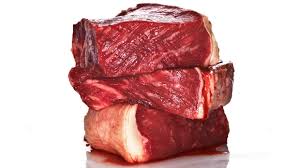
We’ve known red meat isn’t the healthiest choice for a long time now. It’s a leading cause in heart disease, inflammation, cancer, and even digestive problems. While its highly touted by meat-lovers as being a good source of iron, (though we know there are better sources), the truth is, red meat is not a healthy food. But what is it about red meat that’s so bad?

Scientists at the University of California Found The Secret

Researchers at the University of California found that meat triggers a toxic reaction within the body that weakens the immune system due to a natural sugar it contains our bodies can’t digest. Yes, you heard that right – meat actually has a natural sugar, as small as it may be. Known as Neu5Gc, this sugar is a foreign agent to our body that is seen as an invader.

The body launches an immune response as it tries to get rid of it and in the mean time, a host of health problems occur, such as cancer (which is largely a disease of a weak immune system). The unique findings are that other carnivores can eat red meat fine because their bodies actually contain the natural sugar that digests the meat. Our bodies don’t – clearly a sign that we’re not meant to eat it.

Meat and Tumor Production

The sugar, Neu5Gc, is already in the body of other carnivores that consume meat for food. Mice (who don’t contain the sugar as we don’t) were fed meat and actually developed tumors quickly.

“This is the first time we have directly shown that mimicking the exact situation in humans increases spontaneous cancers in mice,” said Dr Ajit Varki, Professor of Medicine and Cellular and Molecular Medicine at the University of California. ”The final proof in humans will be much harder to come by.”

We don’t think we need more proof to go meat-free, do you? Meat has led to a host of negativeenvironmental and health factors for years. Harvard University found that a diet high in red meat raised the risk of breast cancer for women by 22 percent, and found those who regularly ate 5.6oz (160g) of red meat a day had one third higher risk of bowel cancer.

These studies provide more proof that meat really isn’t a healthy choice. If our bodies don’t see meat as a welcomed food, it’s time to stop eating it once and for all.

For tips to go meatless, check out: 13 Meatless Monday Meals for the Beginner Cook.

Lead Image Source: Rpavich/Flickr

More Milk, More Problems

milk-fracture

Science Contradicts Milk Marketing

This week, another study has illustrated that milk actually has a negative effect on bone health. Researchers in Sweden published findings in the British Medical Journal showing that women who drink milk have a higher incidence of bone fractures—and an increased risk of mortality from heart disease and cancer.

According to the study, women who consume three or more glasses of milk per day have a 60 percent increased risk of developing a hip fracture and a 93 percent increased risk of death. And each glass of milk increases mortality risk by 15 percent.

However, this news should not come as a shock to anyone outside of the dairy industry’s advertising department. A 2005 review in Pediatrics showed that milk has no effect on preventing stress fractures in girls. In fact, the research linked higher milk consumption with higher fracture risk.

For strong, healthy bones, it’s important to have enough calcium and vitamin D. However, animal products tend to leech calcium from bones, yet plant foods do not have this effect. One cup of collards has 268 mg of calcium. Spinach has 245 mg in a single cup, while a cup of soybeans has 261 mg. When you take fortified orange juice and fortified tofu into account, it’s easy to obtain more than the daily calcium recommendation of 1,000 mg.

Regardless of what milk marketers would have you believe, vitamin D is not naturally occurring in dairy milk. Last week, we examined a recent Canadian study suggesting that children who consumed dairy milk had higher levels of vitamin D. After reviewing the research, we learned that the dairy milk was fortified—while the plant milks were not. Any fortified non-dairy beverage can provide the necessary nutrients, without the cholesterol and saturated fat found in milk.

The science is there: milk does a body bad. Let’s wipe off the milk mustaches and remove milk from the school lunch line. To learn how you can help get milk out of schools, visitwww.HealthySchoolLunches.org.

Last updated by at October 30, 2014.

Animal Protein as a Carcinogen

Answer to a Reader’s Question:

Although there are many arguments favoring the nutritional imbalance explanation of cancer, one of the more striking for me was the experimental animal studies discussed in Chapter 3 in my book, The China Study. Namely, aflatoxin is a very potent carcinogen for the rat. However, after the Indian researchers showed that decreasing protein (casein) intake from the usual level of consumption of 20% to 5% completely prevented this very powerful carcinogen to cause cancer, we then began our work (references in our book). We explored that finding in great depth and eventually confirmed their initial observation. That is, simple adjustment of dietary protein (casein) within very normal ranges of protein intake controlled cancer growth and it worked not by one mechanism but by a large array of mechanisms. In other words, we proved this association beyond any doubt.

Further, over the years, this research required a lot of funding and our applications for funding were reviewed by other researchers highly experienced in this field. Every time we got high marks for the quality of the research. Then, when we submitted the results for publication, they were again reviewed by peers and these papers were published in the very best cancer research journals. Among the people who know the most about cancer, our work was entirely convincing.

Very simply, normal adjustment of protein intake was capable of enormously influencing the ability of a chemical carcinogen’s ability to promote cancer. Dietary protein trumped a very powerful carcinogen in a species that was exceptionally sensitive to this carcinogen.

Then we did much the same thing with a cancer caused by a virus, the hepatitis B virus.

If we follow the criteria of determining what is a carcinogen and what is not, these findings should shake up the entire world of cancer research and education because this is the way that other carcinogens (Alar, dioxin, DDT, etc.) also work–except the evidence favoring their carcinogenicity is far less than it is for aflatoxin!

But I was not comfortable taking the usual path of declaring that casein is a carcinogen that was far more powerful than aflatoxin (“the most potent carcinogen ever discovered” according to the people who favor the chemical carcinogen hypothesis). Instead, I was more interested in asking broader questions, involving the role of animal protein based foods in their association with human cancer, as well as to study the comparative associations of aflatoxin consumption and protein consumption in humans–this was the China Study.

I have given this story to many of the very best–and most critical audiences — that I can find (Harvard, Berkeley, Cornell, Emory, Yale, Duke, NIH, etc.) and I get no serious criticism. The only comment that seems to surface more than a few times is ‘I am taking on some very powerful interests and they won’t listen — regardless of the veracity of the evidence’, or words to that effect. In other words, this issue — first narrowly defined but later expanded into a much larger issue — is mostly about politics, economics, personal bias, etc., and not about rational science. Quite honestly, it depresses me because there is so much at stake for human health. Corporate America, who controls the agenda in this health research business, is more interested in their own health than they are in the health of the public!!

Dr. T. Colin Campbell has been at the forefront of nutrition research for over forty years. His legacy, the China Project, has been acknowledged as the most comprehensive study of health and nutrition ever conducted. Dr. Campbell is the Jacob Gould Schurman Professor Emeritus of Nutritional Biochemistry at Cornell University. Dr. Campbell also serves as the President of the Board for the T. Colin Campbell Center for Nutrition Studies and is featured faculty in our highly acclaimed, Plant-Based Certificate and our online heart course, Nutrition for a Healthy Heart.

USDA “Beefing” Up Special Interest Marketing Funds

It's What's for Dinner

Remember the old “Beef. It’s What’s for Dinner” advertisements? Those were sponsored by the beef checkoff program.

Red meat production and sales have declined as the public has become increasingly aware of the link between meat consumption and chronic disease. For consumer health, this is progress. However, the USDA is now proposing a new “checkoff” program to allocate additional funds—potentially totaling $160 million—towards the promotion and marketing of beef in 2015. And since the USDA also issues national dietary recommendations, this creates a clear conflict of interest.

Beef is bad for your health. Physicians, researchers, and medical organizations clearly state the consequences of eating red meat. Harvard University has published numerous studies associating meat consumption with chronic disease. The World Health Organization notes the correlation between meat and colorectal and prostate cancersin its dietary recommendations. The American Heart Association published findings saying that women who had two servings per day of red meat had a 30 percent higher risk of developing coronary heart disease. Physicians Committee researchers found that eatingmeat is a risk factor for diabetesThe American Institute for Cancer Researchrecommends reducing and removing red and processed meat, as does the American Cancer Society. Even government officials in the United Kingdom have been clear in their recommendations to British citizens to cut red meat consumption.

However, the USDA has remained ambiguous when discussing red meat. In the 2010 Dietary Guidelines, the USDA recommended reducing saturated fat and cholesterol intake—neglecting to mention that a sirloin steak overloads your arteries with 155 percent of your daily maximum intake of saturated fat and 152 percent of your daily maximum cholesterol.

The USDA is accepting public comments on the proposed checkoff program until Dec. 10.Click here to take action by submitting your comments to the USDA.

Want to know more about the research? Check out this sample of studies from just the past two years linking red meat and chronic disease:

Red and Processed Meats Increase Risk of Bladder Cancer
Red Meat in Childhood Increases Risk for Breast Cancer
Breast Cancer Linked to Eating Red Meat
Iron in Meat Linked to Heart Disease
Even Modest Amounts of Meat Increase Risk for Diabetes
Meat-Eating is a Risk Factor for Developing Diabetes
Red and Processed Meat Endangers Health
Many Ways Meat Causes Colon Cancer
Red and Processed Meat Products Linked to Mortality
Cutting Out Meat Boosts Heart Attack Victims’ Chance of Survival
Red and Processed Meat Linked to Death for Colorectal Cancer Patients
Researchers Discover New Way Meat Causes Heart Disease
More Evidence That Red and Processed Meats Are Deadly

Last updated by at December 8, 2014.

Endothelial Cells Get Damaged

Raw Cashew Nut Egg{less}nog

 December 17, 2014

Many will agree that there is nothing better than a glass of sweet and spicy eggnog on a chilly, white Christmas morning ♥

I know everyone loves sipping on this delicious, creamy drink this time of year, but oh does this holiday splurge come with a whole lot of unwanted calories!

Cinnamon cloves banana eggnog

Traditionally, eggnog contains a few whole eggs, heavy cream and is loaded with sugar. Plus, I know some of you like to sneak in some rum on occasion 🙂

One cup of eggnog (a full glass will be about 2 cups) contains 343 calories, and if you add the alcohol, it becomes a whopping 450 calories…and that’s only half of your glass!

Eggless sugar-free vanilla cinnamon eggnog

This is a whole lot for your body to digest, especially around the holiday extravaganza when we splurge on sweet foods and drinks almost almost every day.

With that in mind, I know you will appreciate me sharing this yummy holiday treat with you, which is also 100% sugar, dairy and egg-free.

Banana date eggless eggnog

This egg-less eggnog is not only super tasty, but also packed full of amazing nutrition that your beautiful bod will love you for ♥

Cashews are rich in vitamin E, selenium and iron, while the dates add some natural sweetness to the drink along with lots of gut-healthy fiber, magnesium and vitamin B6, needed for healthy cell metabolism.

This really is one amazing cocktail, so enjoy!

Raw Cashew Nut Egg(less)nog

Yields 2
Write a review
Print
Prep Time
10 min
Cook Time
5 min
Ingredients
  1. 1 cup raw cashews (soaked in water for 10 min to soften)
  2. 5-6 raw pitted dates*
  3. 1 ripe banana
  4. 1 cup almond milk, or any other nut milk of choice**
  5. pinch of cinnamon
  6. pinch of nutmeg
  7. pinch of ground cloves
  8. 1/2 teaspoon vanilla extract (optional)
Instructions
  1. Blend all ingredients until smooth
  2. Chill in the refrigerator for a few minutes
  3. Sit back, relax and enjoy every sip, preferably in good company 🙂
Notes
  1. *You can add a tablespoon of maple syrup in addition to the dates if you prefer the drink sweeter
  2. **You can also just add plain water as the cashews will turn into cashew milk when blended. If you want the eggnog to be thicker, add another handful of nuts to the mix

Wishing you a healthy & happy holiday season!

Never miss a recipe!

More than a chicken, fewer than a grape

Science News

Exact tally of human genes remains elusive

BY
2:47PM, OCTOBER 13, 2010

BOSTON — No one really knows all the genetic parts needed to make a human being.

Picking out and counting the genes among the billions of DNA letters (shown here as four different colors) that make up the human genome has proved daunting.

M. TAMA/GETTY IMAGES
Estimates of the number of human genes have fallen and narrowed in range over the years as research has shed more light on how genes are arrayed along DNA.
M. PERTEA AND S. SALZBERG/GENOME BIOLOGY 2010, ADAPTED BY E. FELICIANO

Exactly how many genes make up the human genome remains a mystery, even though scientists announced the completion of the Human Genome Project a decade ago. The project to decipher the genetic blueprint of humans was supposed to reveal all of the protein-producing genes needed to build a human body.

“Not only do we not know what all the genes are, we don’t even know how many there are,” Steven Salzberg of the University of Maryland in College Park said October 11 during a keynote address at the Beyond the Genome conference, held in Boston. Most estimates place the human gene count in the neighborhood of 22,000 genes, which falls between the number of genes in a chicken and the number in a grape.

Grape plants have 30,434 genes, by the latest count. Chickens have 16,736 genes, a number Salzberg said will likely grow as scientists put the finishing touches on the chicken genome. As in humans, the gene totals for each species are not as precise as they seem and are subject to revision.

The most accurate estimate of the human gene count is the RefSeq database maintained by the U.S. National Institutes of Health, Salzberg said. He laid out arguments for favoring this estimate, such as its inclusion of all confirmed genes to date, in a paper published in May inGenome Biology. By the RefSeq count, humans have 22,333 genes. But another government database lists 38,621 human genes. And a different project called Gencode currently recognizes 21,671.

Such disparate numbers stem from the fact that genes comprise only about 1 percent of the 3 billion As, Ts, Gs and Cs that make up the human genetic instruction book. And the genes aren’t conveniently laid out as single, continuous stretches of genetic code. Instead, human genes are found in protein-encoding pieces called exons, interspersed with stretches of DNA that don’t make protein. These spacers are called introns.

To make matters worse, each exon in a gene codes for only a portion of a protein. Cells can mix and match different combinations of exons to make various proteins.

Traditionally, scientists have used computer programs to sift through billions of DNA letters and pinpoint the locations of genes. The programs have improved over the years, but they still aren’t as good as people at plucking exons from the sea of introns and figuring out how those protein-encoding segments are spliced together, said Clara Amid, a computational biologist at the Wellcome Trust Sanger Institute in Hinxton, England.

Amid is involved in the Gencode project, an effort to identify all the human genes and the many permutations of those genes that can lead to a dizzying number of proteins. She and her colleagues pick out genes the old-fashioned way — by hand. The researchers get plenty of clues where genes are from computerized gene-finders, studies that sequence RNA produced by genes, and from comparisons of human DNA to the genomes of other animals. Synthesizing all that information allows people to accurately find and mark the locations of genes, a process scientists call annotation. “The best computerized methods could replicate the manual annotation only 40 to 50 percent of the time,” Amid said October 12 at the Beyond the Genome conference.

The Gencode team isn’t finished with its work; several chromosomes still need the human touch. Gencode’s current count is 21,671 human genes. “The number will go up, definitely,” Amid said. Already the team has located several new genes on chromosome 4 thanks to data from RNA-sequencing projects, she said.

Exactly how many new genes might be located by sequencing RNA instead of DNA is anyone’s guess. Scientists who sequenced RNA from fruit flies discovered 1,938 new genes, Brenton Graveley from the University of Connecticut Health Center in Farmington said at the conference.

The Mammalian Gene Collection, one effort to catalog all of the full-length RNA versions of genes, lists 18,877 human genes. That number is likely to represent the lower boundary of the gene count, Salzberg said.

If new RNA sequencing methods detect the same proportion of new genes in people as were found in fruit flies, the human genome could gain about 3,000 more genes in addition to those already confirmed by RefSeq. “That would be an exciting result,” Salzberg said. “I’d be surprised, but we like surprises in science.”

 https://www.sciencenews.org/article/more-chicken-fewer-grape

Source: M. Pertea and S. Salzberg/Genome Biology 2010; Credit: T. Dubé, chicken icon: Pinare/Shutterstock, human icon: Mysontuna/Shutterstock

Though simple organisms generally have relatively small genomes, gene number is not necessarily correlated to complexity. Here are a few different organisms, along with their current estimated gene counts.

Vitamin E

WHFoods

For serving size for specific foods see the Nutrient Rating Chart.

Basic Description

Vitamin E is a blanket term for eight different naturally occurring nutrients—four different tocopherols and four different tocotrienols. Each of these vitamin E types is considered a fat-soluble antioxidant, and all eight are found in varying degrees in our daily diet. You may sometimes hear all eight molecules being referred to collectively as “tocochromanols.”

The most famous of the vitamin E group is alpha-tocopherol. Both with respect to diet and high-dose supplementation, it is among the most intensely studied of nutrients. This is because its ability to help prevent free radical damage is well documented Public health recommendations for vitamin E are typically measured in milligram equivalents of alpha-tocopherol equivalents, or mg ATE. You will find this abbreviation being used throughout our live website charts.

However, despite the current prominence of alpha-tocopherol in public health recommendations and nutrition research, scientists are also interested in potential health benefits associated with lesser studied members of the vitamin E family, especially the tocotrienols. Like tocopherols (including alpha-tocopherol), tocotrienols are naturally occurring forms of vitamin E. Since they cannot be converted by humans into alpha-tocopherol, the tocotrienols are not considered relevant in meeting vitamin E needs. However, preliminary studies suggest that tocotrienols can provide us with health benefits in a way that is distinct from alpha-tocopherol, as well as other tocopherols. We look forward to future research in this area.

In this introductory description of vitamin E, it is also worth mentioning the unusually confusing nature of its units of measurement. There is really no such thing as “milligrams of vitamin E” since this description fails to explain what forms of the vitamin were considered when making the determination. As mentioned earlier, our website chart present vitamin E data in terms of “mg ATE” which stands for “milligrams of alpha-tocopherol equivalents.” However, other types of equivalents can be used in presenting vitamin E data. For example, equivalents of d-alpha-tocopheryl acetate and equivalents of d-alpha-tocopheryl succinate can be used. (These two chelated, synthetic forms of vitamin E are frequently found in dietary supplements due to their longer shelf life).

While many of the World’s Healthiest Foods are rich in vitamin E, we see that average U.S. adults fail to come close to a minimal requirement for this important nutrient. Below, we’ll give you some guidance to help you chose foods rich in vitamin E that will better help you meet your daily needs.

You’ll have a number of foods to choose from to build a menu that is rich in vitamin E. We list seven of the World’s Healthiest Foods as excellent sources of vitamin E. Another six foods rate as very good sources, while twelve foods are listed as good.

Role in Health Support

Protection Against Free Radical Damage

Vitamin E is a potent antioxidant. Because it is fat soluble, we see it offer protection against damage to the fats that line the outside of every cell of our body.

When the fats in our membranes become damaged, important cell functions become compromised. Based on this important mechanism, researchers have studied whether diets low in vitamin E are associated with many diseases associated with aging.

We also see vitamin E protect fats from free radical damage before we eat them. We’ll talk about the role of vitamin E in protecting foods during storage below in the Impact of Cooking, Storage, and Processing section.

Protection Against Heart Disease

Vitamin E helps protect LDL cholesterol (sometimes referred to as “bad” cholesterol) from free radical damage. Free radical damage typically involves an unwanted interaction with a reactive oxygen-containing molecule. When vitamin E is deficient—and under some other circumstances as well—it is possible for LDL cholesterol to become insufficiently protected and damaged by oxygen. When damaged in this way, the LDL cholesterol is often referred to as “oxidized LDL.” If the process continues, it is possible for oxidized LDL to accumulate in blood vessel walls and create the early stages of hardening of the arteries (atherosclerosis).

Diets rich in vitamin E from vegetables, fish, and plant oils—like the Mediterranean diet for example—have been linked to cardiovascular prevention in large health surveys. Understand, though, that the potential benefits of this diet are not limited to or fully explained by vitamin E, and that dietary supplements of vitamin E (in comparison to vitamin E in food) have not demonstrated the same sort of preventive benefit that researchers hoped to see.

Summary of Food Sources

Of our seven excellent sources of vitamin E, five are green leafy vegetables. Followers of our WHFoods site will probably not be surprised by this—green leafy vegetables score well as sources of many different nutrients. With respect to vitamin E, their combination of nutrient richness and low calories is very compelling to our rating system. Expect each serving of greens to contain about 15 to 25% of your daily requirement.

Outside of greens, the foods with the most vitamin E tend to be high fat foods. These include nuts, seeds, extracted oils, and fatty fish. The amount of vitamin E per serving of nuts or seeds can vary widely, but you should expect to receive at least about 10% of your daily need, and sometimes as much as 80% (as we see with sunflower seeds).

Many oil rich-plants give us good amounts of vitamin E. These include olives and avocados, both of which provide between 10-15% of your daily need. Because these oily foods contain more calories, we rate them as good rather than very good or excellent sources. Still, we encourage using these plants or plant oils to help provide vitamin E.

We see a few of our World’s Healthiest seafoods are rich sources of vitamin E. Shrimp and sardines are two examples of this, with each topping 10% of daily requirements. Salmon and cod contain a little less vitamin E, yet can still be solid contributors.

Because most U.S. residents fail to get enough vitamin E in their daily diet, we recommend paying some attention to food sources of this important antioxidant. As long as you make a few of these vitamin E rich foods staple foods in your daily diet, you should be able to meet your intake requirements through foods alone..

Perhaps the easiest way to make sure you are getting enough vitamin E is by including sunflower seeds as snacks or as part of meals. This recipe for Healthy Turkey Salad contains nearly the whole Dietary Reference Intake (DRI) in one meal. Here are a few more recipes—Pureed Sweet Peas and 5-Minute Collard Greens with Sunflower Seeds—that include sunflower seeds.

We can also rely on meals that contain multiple foods providing more modest amounts of vitamin E, and allow them to stack up to become a more substantial amount. Our Poached Eggs Over Spinach and Mushrooms recipe contains spinach, eggs, and olive oil as sources of vitamin E. Together, they provide one-third of the RDA in only 10% of your daily calorie intake.

Recipes that contain nuts and nut butters will be a nice way to add vitamin E into your meals. You can be creative in the way you do this; for example, our 10-Minute Apricot Bars is a dessert recipe that provides more than 40% of the RDA for vitamin E.

There is a balance between getting plenty of fat-rich foods as sources of vitamin E and overdoing it and letting the calories pile up. As long as you choose wisely, you should be able to cover your vitamin E needs with just a few rich sources.

Nutrient Rating Chart

Introduction to Nutrient Rating System Chart

In order to better help you identify foods that feature a high concentration of nutrients for the calories they contain, we created a Food Rating System. This system allows us to highlight the foods that are especially rich in particular nutrients. The following chart shows the World’s Healthiest Foods that are either an excellent, very good, or good source of vitamin E. Next to each food name, you’ll find the serving size we used to calculate the food’s nutrient composition, the calories contained in the serving, the amount of vitamin E contained in one serving size of the food, the percent Daily Value (DV%) that this amount represents, the nutrient density that we calculated for this food and nutrient, and the rating we established in our rating system. For most of our nutrient ratings, we adopted the government standards for food labeling that are found in the U.S. Food and Drug Administration’s “Reference Values for Nutrition Labeling.” Read more background information and details of our rating system.

World’s Healthiest Foods ranked as quality sources of
vitamin E
Food Serving
Size
Cals Amount
(mg (ATE))
DRI/DV
(%)
Nutrient
Density
World’s
Healthiest
Foods Rating
Sunflower Seeds 0.25 cup 204.4 12.31 82 7.2 excellent
Spinach 1 cup 41.4 3.74 25 10.8 excellent
Swiss Chard 1 cup 35.0 3.31 22 11.3 excellent
Turnip Greens 1 cup 28.8 2.71 18 11.3 excellent
Asparagus 1 cup 39.6 2.70 18 8.2 excellent
Beet Greens 1 cup 38.9 2.61 17 8.1 excellent
Mustard Greens 1 cup 36.4 2.49 17 8.2 excellent
Chili Peppers 2 tsp 15.2 2.06 14 16.2 excellent
Almonds 0.25 cup 132.2 6.03 40 5.5 very good
Broccoli 1 cup 54.6 2.26 15 5.0 very good
Bell Peppers 1 cup 28.5 1.45 10 6.1 very good
Kale 1 cup 36.4 1.11 7 3.7 very good
Tomatoes 1 cup 32.4 0.97 6 3.6 very good
Avocado 1 cup 240.0 3.11 21 1.6 good
Peanuts 0.25 cup 206.9 3.04 20 1.8 good
Shrimp 4 oz 134.9 2.49 17 2.2 good
Olives 1 cup 154.6 2.22 15 1.7 good
Olive Oil 1 TBS 119.3 1.94 13 2.0 good
Collard Greens 1 cup 62.7 1.67 11 3.2 good
Cranberries 1 cup 46.0 1.20 8 3.1 good
Raspberries 1 cup 64.0 1.07 7 2.0 good
Kiwifruit 1 2 inches 42.1 1.01 7 2.9 good
Carrots 1 cup 50.0 0.81 5 1.9 good
Green Beans 1 cup 43.8 0.56 4 1.5 good
Leeks 1 cup 32.2 0.52 3 1.9 good
World’s Healthiest
Foods Rating
Rule
excellent DRI/DV>=75% OR
Density>=7.6 AND DRI/DV>=10%
very good DRI/DV>=50% OR
Density>=3.4 AND DRI/DV>=5%
good DRI/DV>=25% OR
Density>=1.5 AND DRI/DV>=2.5%

Impact of Cooking, Storage and Processing

The vitamin E in foods degrades slowly over time. For example, at room temperature, wheat flour loses about one-third of its vitamin E at close to one year of storage. That said, most people would be making use of their wheat flour long before this year-long time period.

Similarly, olive oil kept in a closed bottle will lose about 20-30% of its vitamin E over six months of storage. Don’t leave the bottle open, though, as all of the vitamin E will be gone after three or four months if you do. (While leaving olive oil in an opened bottle might sound unlikely, there are a good number of olive oil containers in the marketplace that feature an unsealed spout, and we do not recommend storage of olive oil in this way. You will find many more details about olive oil storage in our Extra Virgin Olive Oil food profile.)

Vitamin E also gets damaged by high heat cooking. For example, heating olive oil at 340°F (172°C) will lead to a destruction of the vitamin E, with almost half lost at three hours, and almost all of it gone by six hours. At WHFoods, we do not generally recommend any heating of extra virgin olive oil, and if we do include it in a heated sauce or other recipe, we heat it very gently and briefly. The delicate nature of vitamin E, and the fatty acids it protects, are good reasons to avoid heating of this oil. We adopt a similar approach for oil-rich foods like nuts and seeds, which we recommend be consumed in raw or minimally cooked form.

Usually in this section of our nutrient profiles, we discuss how specific nutrients are damaged in the storage of foods. But with respect to vitamin E, it is equally important to note that this nutrient can protect the foods from damage. For example, meat from chickens fed diets high in vitamin E show less evidence for free radical damage to their fats over 10 days of storage. Presumably, this vitamin E richness in the food consumed by the chickens helped protect their body fat from damage by oxygen. (We don’t have research comparing the human health consequences of consuming chicken fat with and without varying degrees of free radical damage. But we do know that animals fed diets that are rich in vitamin E typically provide us with animal foods that have good amounts of this vitamin as well.)

Risk of Dietary Deficiency

Given that the average U.S. adult eats exactly half the Dietary Reference Intake (DRI) for vitamin E—7.5 mg of the recommended 15 mg per day—the risk of dietary deficiency of vitamin E in the United States is substantial. In fact, vitamin E is one of the most common vitamin deficiencies in the United States, with as many as 92% of men and 98% of women failing to reach target intake goals.

In 2006, a research group from Tufts University did a statistical model of the best way to ensure vitamin E nutrition while staying within normal calorie levels and without impairing other nutrient intake. Among their conclusions, they asserted that a low intake of nuts and seeds—70% of their subjects didn’t eat any of either—was predictive of low vitamin E intake. Analyzing this conclusion in reverse, this is further evidence that nuts and seeds can be a good place to start when trying to achieve strong vitamin E nutrition. (Of course, low intake of dark green leafy vegetables by the average U.S. adult is another reason why so many people in the U.S. fail to meet their vitamin E needs.)

At first, it may seem like a paradox that we tend to eat diets high in fat, yet fail to have reliable vitamin E nutrition. That’s because not every type of dietary fat is as rich in vitamin E as nuts or seeds. The way plant cooking oils are manufactured and processed can lead to significant destruction of the nutrient before it ever gets to your plate. Generally speaking, you should expect highly processed foods (e.g., oils made from nuts and seeds) to contain less vitamin E than their whole, natural counterparts (e.g., whole nuts and seeds).

Other Circumstances that Might Contribute to Deficiency

Diets that overly restrict fat can limit vitamin E intake substantially. It will not be impossible to achieve vitamin E nutrition with a very low fat diet, but you’ll need to work much harder to do it. For example, if you decided that you wanted to get 100% of your DRI for vitamin E from sunflower seeds alone—our richest WHFoods source—you would need to allow for 18 grams of fat in your day’s food just to provide that amount. In an 1,800-calorie meal plan, that amount of fat would represent 9% of total calories all by itself. If you consumed an additional 18 grams of fat from all of the rest of your foods on that day, you diet for that day would already be close to 20% fat. On the other hand, if you were willing to obtain your vitamin E exclusively from dark green leafy vegetables, you could get 100% of the DRI from about 5 cups, representing 150-200 calories but only 2-5 grams of fat.

Any disease or medication that impairs the ability to digest fats will also endanger vitamin E nutrition. If this potentially describes you, make sure to talk to your doctor to make sure that you are protected against deficiency.

Relationship with Other Nutrients

Diets high in polyunsaturated fats—the type found in most fish and vegetable oils—may increase your requirement for vitamin E. Some sources recommend an older standard of an extra 0.6 mg of vitamin E for each gram of polyunsaturated fat. We are not convinced that this level of specificity is well supported, even though the principle of increasing vitamin E intake along with increased intake of polyunsaturated fat makes good sense to us. The World’s Healthiest Foods recipes tend to be moderate in polyunsaturated fats (and much higher in the more stable monounsaturated fats than most U.S. diets), and as such, we believe that our WHFoods recommendation of 15 milligrams of d-alpha-tocopherol equivalents per day should suffice for the average person.

Like other dietary antioxidants, vitamin E needs help from multiple nutrients to do its job at maximum efficiency. In particular, vitamin C helps to recycle vitamin E so it can continue to neutralize free radicals over and over again.

If vitamin K levels are low, too much vitamin E can lead to problems involving too easy bleeding from injuries and too slow closing of wounds. The amounts of vitamin E necessary to create this effect are large, however, and probably not achievable via diet alone. (In other words, dietary supplementation of vitamin E would most likely be required to create this degree of imbalance between vitamin E and vitamin K.)

Risk of Dietary Toxicity

We are not aware of a single published report of adverse effects from dietary vitamin E. Reflecting this lack of evidence for harm, the National Academy of Sciences set the Tolerable Upper Intake Limit (UL) for vitamin E at 1000 mg, more than 60 times the DRI, and more than 100 times what an average American eats in a day. You can feel confident that you are not eating toxic levels of vitamin E in your daily diet. Translated into IU, 1,000 milligrams of vitamin E represents 1,490 IU of d-alpha-tocopherol and 1,360 IU of d-alpha-tocopheryl acetate.

Disease Checklist

  • Cancer
  • Heart attack
  • Stroke
  • PMS
  • Fibrocystic breast disease
  • Diabetes
  • Epilepsy
  • Alzheimer’s disease
  • Parkinson’s disease
  • Macular degeneration
  • Cataract
  • Intermittent claudication
  • Cold sores
  • Immune health

Public Health Recommendations

In 2000, the National Academy of Sciences established a set of Dietary Reference Intakes (DRIs) for vitamin E. These recommendations included Adequate Intake (AI) levels for infants under one year of age, and Recommended Dietary Allowances (RDAs) for everyone else. These milligrams amounts represent alpha-tocopherol equivalents, or mg ATE. DRIs for vitamin E are as follows:

  • 0-6 months: 4 mg
  • 6-12 months: 5 mg
  • 1-3 years: 6 mg
  • 4-8 years: 7 mg
  • 9-13 years: 11 mg
  • 14+ years: 15 mg
  • Pregnant women: 15 mg
  • Lactating women: 19 mg

The most common DRI for vitamin E—15 milligrams ATE (alpha-tocopherol equivalents) —translates into approximately 22 IU of d-alpha-tocopherol and 20 IU of d-alpha-tocopheryl acetate. (The form of d-alpha-tocopherol is a naturally occurring form of vitamin E that is chemically classified as “non-esterified” and d-alpha-tocopheryl acetate is an esterified form commonly found in supplements due to its longer shelf life.)

The 2000 DRI recommendations also included a Tolerable Upper Intake Limit (UL) for adults of 1000 mg per day. As discussed above, this is more than an order of magnitude beyond even what the most vitamin E-rich diet could ever contain. For this reason, we should consider this UL more for supplement intake than guidance around dietary choices. Translated into IU, 1,000 milligrams of vitamin E represent 1,490 IU of d-alpha-tocopherol and 1,360 IU of d-alpha-tocopheryl acetate.

The Daily Value (DV) for vitamin E is 30 IU. The measurement of IU, short for International Units, is an older way to quantify vitamin E with 1 milligram of d-alpha-tocopherol from food equivalent to 1.49 IU.

References

  • Azzini E, Polito A, Fumagalli A, et al. Mediterranean diet effect: an Italian picture. Nutr J 2011;10:125.
  • Ben-Hassine K, Taamalli A, Ferchichi S, et al. Physicochemical and sensory characteristics of virgin olive oils in relation to cultivar, extraction system and storage conditions. Food Res Int 2013;54:1915-25.
  • Casal S, Malheiro R, Sendas A, et al. Olive oil stability under deep-frying conditions. Food Chem Toxicol 2010;48:2972-9.
  • Food and Nutrition Board, Institute of Medicine. Dietary Reference Intakes for vitamin C, Vitamin E, Selenium, and Carotenoids. Washington, DC: National Academy Press; 2000;284-324.
  • Gao X, Wilde PE, Lichtenstein AH, et al. The maximal amount of dietary alpha-tocopherol intake in US adults (NHANES 2001-2). J Nutr 2006;136:1021-6.
  • Krichene D, Allalout A, Mancebo-Campos V, et al. Stability of virgin olive oil and behavior of its natural antioxidants under medium temperature accelerated storage conditions. Food Chem 2010;121:171-7.
  • Luciano G, Moloney AP, Priolo A, et al. Vitamin E and polyunsaturated fatty acids in bovine muscle and the oxidative stability of beef from cattle receiving grass or concentrate-based rations. J Anim Sci 2011;89:3759-68.
  • Narciso-Gaytan C, Shin D, Sams AR, et al. Dietary lipid source and vitamin E effect on lipid oxidation stability of refrigerated fresh and cooked chicken meat. Poult Sci 2010;89:2726-34.
  • Nielsen MM, Hansen A. Stability of vitamin E in wheat flour and whole wheat flour during storage. Cereal Chem 2008;85:716-20.
  • Sen CK, Khanna S, and Roy S. (2006). Tocotrienols: vitamin E beyond tocopherols. Life Science 78(18): 2088-2098.
  • U.S. Department of Agriculture, Agricultural Research Service. 2012. Total Nutrient Intakes: Percent Reporting and Mean Amounts of Selected Vitamins and Minerals from Food and Dietary Supplements, by Family Income and Age, What We Eat in America, NHANES 2009-2010.
  • Valk EE, Hornstra G. Relationship between vitamin E requirement and polyunsaturated fatty acid intake in man: a review. Int J Vitam Nutr Res 2000;70:31-42.

Food Sources of Vitamin E

Dietitians

Information About Vitamin E

  • Vitamin E is a fat soluble vitamin that may improve immune function.
  • Vitamin E is an antioxidant that helps protects cells from damage by free radicals. Free radicals can damage tissues and organs in the body.
  • Vitamin E may play a role in preventing chronic disease such as heart disease and cancer but this is still being studied.
  • Research does not support taking vitamin E supplements for the prevention of chronic disease. Most Canadians can get the vitamin E they need from foods.

How Much Vitamin E Should I Aim For?

Age in Years Aim for an intake of
milligrams (mg) /day**
Stay below
mg/day*
Men and Women
19 and older
15* 1000*
Pregnant Women
19 and older
15* 1000*
Breastfeeding Women
19 and older
15* 1000*

*as alpha-tocopherol
**this amount includes sources of vitamin E from fortified food and supplements

Vitamin E Content of Some Common Foods

Vitamin E is found mainly in foods that contain fat like margarine, vegetable oil, wheat germ, nuts, nut butters, and seeds. The following table shows you foods which are sources of vitamin E.

Food                           Serving size Vitamin E (mg)
Vegetables and Fruits
Spinach, cooked 125 mL (½ cup) 2-4
Dandelion greens, raw 250 mL (1 cup) 2
Tomato sauce, canned 125 mL (½ cup) 2
Swiss chard, cooked 125 mL (½ cup) 2
Turnip greens, cooked 125 mL (½ cup) 2
Pepper, red, cooked 125 mL (½ cup) 2
Avocado ½ fruit 1-4
Grains Products
Cereal, wheat germ, toasted 30 g (¼ cup) 5
Milk and Alternatives This food group contains very little of this nutrient.
Meat and Alternatives
Egg, cooked 2 large 2-3
Fish and Seafood
Eel, cooked 75 g (2 ½ oz) 4
Halibut, cooked 75 g (2 ½ oz) 2
Herring, cooked 75 g (2 ½ oz) 2
Sardines, canned with oil 75 g (2 ½ oz) 2
Tuna, white, canned with oil 75 g (2 ½ oz) 2
Nuts and Seeds
Almonds, unblanched, without shell 60 mL (¼ cup) 9-10
Sunflower seeds, without shell 60 mL (¼ cup) 8-13
Almonds, blanched, without shell 60 mL (¼ cup) 2-9
Almond butter 30 mL (2 Tbsp) 8
Hazelnuts, without shell 60 mL (¼ cup) 5
Peanuts, without shell 60 mL (¼ cup) 3
Peanut butter 30 mL (2 Tbsp) 3
Pine nuts 60 mL (¼ cup) 3
Brazil nuts 60 mL (¼ cup) 2
Meat Alternatives
Meatless (fish sticks, wiener, chicken), cooked 75 g (2 ½ oz) 1-3
Meatless, luncheon slices 75 g (2 ½ oz) 2
Fats and Oils
Vegetable oil, wheat germ 5 mL (1 tsp) 7
Vegetable oil (sunflower, safflower) 5 mL (1 tsp) 2

Source: “Canadian Nutrient File 2010”
www.hc-sc.gc.ca/fn-an/nutrition/fiche-nutri-data/index-eng.php
[accessed March 23, 2012]

Dietary Guidelines for Alzheimer’s Prevention

Dietary Guidelines for Alzheimer’s Prevention

Seven dietary and lifestyle guidelines to boost brain health and reduce the risk of Alzheimer’s are available as an online advance on May 16, 2014, as a special supplement in Neurobiology of Aging.

“Alzheimer’s disease isn’t a natural part of aging,” notes lead author Neal Barnard, M.D., president of the nonprofit Physicians Committee and an adjunct professor of medicine at the George Washington University School of Medicine. “By staying active and moving plant-based foods to the center of our plates, we have a fair shot at rewriting our genetic code for this heart-wrenching , and costly, disease.”

Alzheimer’s Disease International predicts Alzheimer’s rates will triple worldwide by 2050. The Alzheimer’s Association predicts long-term care costs start at $41,000 per year.

7 guidelines to reduce risk of Alzheimer's disease

The seven guidelines to reduce risk of Alzheimer’s disease are:

  1. Minimize your intake of saturated fats and trans fats. Saturated fat is found primarily in dairy products, meats, and certain oils (coconut and palm oils). Trans fats are found in many snack pastries and fried foods and are listed on labels as “partially hydrogenated oils.”
  2. Eat plant-based foods. Vegetables, legumes (beans, peas, and lentils), fruits, and whole grains should replace meats and dairy products as primary staples of the diet.
  3. Consume 15 milligrams of vitamin E, from foods, each day.Vitamin E should come from foods, rather than supplements. Healthful food sources of vitamin E include seeds, nuts, green leafy vegetables, and whole grains. Note: The RDA for vitamin E is 15 milligrams per day.
  4. Take a B12 supplement. A reliable source of B12, such as fortified foods or a supplement providing at least the recommended daily allowance (2.4 micrograms per day for adults), should be part of your daily diet. Note: Have your blood levels of vitamin B12 checked regularly as many factors, including age, impair absorption.
  5. Avoid vitamins with iron and copper. If using multivitamins, choose those without iron and copper, and consume iron supplements only when directed by your physician.
  6. Choose aluminum-free products. While aluminum’s role in Alzheimer’s disease remains a matter of investigation, those who desire to minimize their exposure can avoid the use of cookware, antacids, baking powder, or other products that contain aluminum.
  7. Exercise for 120 minutes each week. Include aerobic exercise in your routine, equivalent to 40 minutes of brisk walking, three times per week.

Other preventive measures, such as getting a minimum of seven hours of sleep each night and participating in 30 to 40 minutes of mental activity most days of the week, such as completing crossword puzzles, reading the newspaper, or learning a new language, can only help boost brain health.

“We spend trillions of dollars each year on failed drug trials,” notes study author Susan Levin, M.S., R.D., C.S.S.D., Physicians Committee director of nutrition education. “Let’s take a portion of these funds and invest in educational programs to help people learn about foods that are now clinically proven to be more effective in fighting this global epidemic.”

The preliminary guidelines to reduce risk of Alzheimer’s were formed at the International Conference on Nutrition and the Brain in Washington on July 19 and 20, 2013.

The full guidelines are available at Neurobiology of Aging.

Learn how to prevent Alzheimer’s with these seven tips for brain health.