Eating nuts tied to lower risk of dying

Eating nuts tied to lower risk of dying from cancer, heart disease (and a slimmer waist), Harvard study finds

Want to live for a long time? Then consider upping your nut consumption: A 30-year Harvard study discovered that consuming different types of nuts, including pistachios, lowers the chances of death from cancer and heart disease, and lowers mortality rates from all causes, too.

Ebrahim Noroozi/AP filesWant to live for a long time? Then consider upping your nut consumption: A 30-year Harvard study discovered that consuming different types of nuts, including pistachios, lowers the chances of death from cancer and heart disease, and lowers mortality rates from all causes, too.

DALLAS — Help yourself to some nuts this holiday season: Regular nut eaters were less likely to die of cancer or heart disease — in fact, were less likely to die of any cause — during a 30-year Harvard study.

Introducing omega-7s, the new fatty acid on the block

Have you taken your omega-7s today?

If you follow nutrition information even half-heartedly, there’s a good chance you’ve heard of omega-3 fatty acids, the fats derived primarily from fish that are thought to be good for our hearts and brains, and that can reduce inflammation throughout the body. Less well-known, but still relevant are the omega-9 fatty acids, which can be derived from the likes of olive oil. Unlike omega-3s and omega-6s, however, omega-9 fatty acids can be manufactured in our body, and are therefore not actually essential to a healthy diet. So what are omega-7s, and why do they matter? We are only beginning to understand them, but what we know so far is both intriguing and promising.

Read more…

Nuts have long been called heart-healthy, and the study is the largest ever done on whether eating them affects mortality.

Researchers tracked 119,000 men and women and found that those who ate nuts roughly every day were 20% less likely to die during the study period than those who never ate nuts. Eating nuts less often lowered the death risk too, in direct proportion to consumption.

The risk of dying of heart disease dropped 29% and the risk of dying of cancer fell 11% among those who had nuts seven or more times a week compared with people who never ate them.

The benefits were seen from peanuts as well as from pistachios, almonds, walnuts and other tree nuts. The researchers did not look at how the nuts were prepared — oiled or salted, raw or roasted.

A bonus: Nut eaters stayed slimmer.

“There’s a general perception that if you eat more nuts you’re going to get fat. Our results show the opposite,” said Dr. Ying Bao of Harvard-affiliated Brigham and Women’s Hospital in Boston.

She led the study, published in Thursday’s New England Journal of Medicine. The U.S. National Institutes of Health and the International Tree Nut Council Nutrition Research & Education Foundation sponsored the study, but the nut group had no role in designing it or reporting the results.

Researchers don’t know why nuts may boost health. It could be that their unsaturated fatty acids, minerals and other nutrients lower cholesterol and inflammation and reduce other problems, as earlier studies seemed to show.

‘Sometimes when you eat nuts you eat less of something else like potato chips’

Observational studies like this one can’t prove cause and effect, only suggest a connection. Research on diets is especially tough, because it can be difficult to single out the effects of any one food.

People who eat more nuts may eat them on salads, for example, and some of the benefit may come from the leafy greens, said Dr. Robert Eckel, a University of Colorado cardiologist and former president of the American Heart Association.

Dr. Ralph Sacco, a University of Miami neurologist who also is a former heart association president, agreed.

“Sometimes when you eat nuts you eat less of something else like potato chips,” so the benefit may come from avoiding an unhealthy food, Sacco said.

The Harvard group has long been known for solid science on diets. Its findings build on a major study earlier this year — a rigorous experiment that found a Mediterranean-style diet supplemented with nuts cuts the chance of heart-related problems, especially strokes, in older people at high risk of them.

Many previous studies tie nut consumption to lower risks of heart disease, diabetes, colon cancer and other maladies.

In 2003, the U.S. Food and Drug Administration said a fistful of nuts a day as part of a low-fat diet may reduce the risk of heart disease. The heart association recommends four servings of unsalted, unoiled nuts a week and warns against eating too many, since they are dense in calories.

The new research combines two studies that started in the 1980s on 76,464 female nurses and 42,498 male health professionals. They filled out surveys on food and lifestyle habits every two to four years, including how often they ate a serving (1 ounce) of nuts.

Study participants who often ate nuts were healthier — they weighed less, exercised more and were less likely to smoke, among other things. After taking these and other things into account, researchers still saw a strong benefit from nuts.

We did so many analyses, very sophisticated ones, to eliminate other possible explanations

Compared with people who never ate nuts, those who had them less than once a week reduced their risk of death 7%; once a week, 11%; two to four times a week, 13%; and seven or more times a week, 20%.

“I’m very confident” the observations reflect a true benefit, Bao said. “We did so many analyses, very sophisticated ones,” to eliminate other possible explanations.

For example, they did separate analyses on smokers and non-smokers, heavy and light exercisers, and people with and without diabetes, and saw a consistent benefit from nuts.

‘We’re seeing benefits of nut consumption on cardiovascular disease as well as body weight and diabetes’

At a heart association conference in Dallas this week, Penny Kris-Etheron, a Pennsylvania State University nutrition scientist, reviewed previous studies on this topic.

“We’re seeing benefits of nut consumption on cardiovascular disease as well as body weight and diabetes,” said Kris-Etherton, who has consulted for nut makers and also served on many scientific panels on dietary guidelines.

“We don’t know exactly what it is” about nuts that boosts health or which ones are best, she said. “I tell people to eat mixed nuts.”

Health Canada manipulates the numbers in favor of business at the expense of Canadian’s health

Sweet heavens: Statscan finds average Canadian eats 26 tsp of sugar a day

A new report released Wednesday by Statistics Canada has, for the first time, offered a comprehensive snapshot of how much sugar Canadians consume each day. On average, people across the country down the equivalent of 26 teaspoons of sugar a day, which accounts for about 21 per cent of all calories consumed.

That is an average of 109 lbs each. And Canada does not have a daily value for sugar on food labels. Simple reason the DV % would be of the charts. Instead Health Canada protects the sugar industry instead of the health of Canadians.

By the way the same deception goes on for fat also. Health Canada bases the fat consumption on 65 grams of fat per day or 30% instead of a realistic 20 grams of fat a day for 10% of calories. As a result fatty foods get a free ride on the DV calculation. Canadians being deceived by Health Canada once again.

Canada’s Recommendation for Fat is a whopping 30% of calories from fat daily

Symbol of the Government of Canada

The Percent Daily Value (% DV)
Read on to understand why the %DV is useless.

Here is a good guide:
% Daily Value,
5% is a little, 15% is a lot

The Percent Daily Value (% DV) can help you choose foods that are healthier for you. The % DV is found on the right-hand side of the Nutrition Facts table.

What is the % Daily Value?

The % DV is a guide to help you choose healthier foods. The % DV shows you if a specific amount of food has a little or a lot of a nutrient.

  • 5% DV or less is a little
  • 15% DV or more is a lot

The % DV is not meant to track your total nutrient intake for the day. This is because some of the foods you eat (like vegetables, fruit, and fresh meat) don’t have a Nutrition Facts table.

Healthy Eating and the
Nutrition Facts table

The % DV for the following nutrients must be listed on the Nutrition Facts table:

Protein does not have a % DV since most Canadians get enough of it in their diet.
Poor excuse for not having a number. Fats are recommended at 30%,
carbohydrates at 60% so Protein is 10% of calories. Most Canadians get far             more than that and much more than they need. 

Sugars do not have a % DV because there is no recommended amount of sugar for a healthy population. WHY? Is sugar getting a free ride here? The correct amount of sugar per day is very close to zero sugar. Stats Canada says every Canadian is eating 109 lbs of sugar a year,2 lbs a week and they  have no DV recommendation. We are paying Health Canada to put out this kind of pure crap.

Did you know?

Listing the % DV for the following nutrients is optional:

Cholesterol, folate, magnesium, niacin, phosphorus, potassium, riboflavin, selenium, thiamine, vitamin B12, vitamin B6, vitamin D, vitamin E, zinc, and other vitamins and minerals.

How to use the % DV?

You can use the % DV to:

  • Choose products that are higher in the nutrients you want more of, and lower in the nutrients you want less of.

Here are some nutrients you may want…

Less of

  • fat                                    You set the DV based on a whopping 30% Fat
  • saturated and trans fats       and now you say reduce the fat intake.
  • sodium

More of

  • fibre
  • vitamin A
  • calcium
  • iron
  • Compare two different food products to make healthier food choices for you and your family.

How is the % DV calculated?

The % DV for a nutrient is calculated by dividing the amount of the nutrient contained in the serving size of a food product by its Daily Value and then multiplying that number by 100.

Example: If a food product has 3 mg of iron and the Daily Value for iron is 14 mg, the % DV for iron would be 21%.

(3 mg ÷ 14 mg) × 100 = 21% DV.

Did you know?

The % DV column on the Nutrition Facts table is not meant to add up to 100%. Each nutrient in the Nutrition Facts table has its own Daily Value.

Daily Values

The Daily Values for nutrients are based on the highest recommended intakes. They apply to most people ages 2 and over, but do not include extra nutrient needs for women who are pregnant or breastfeeding.

Canada’s food guide daily value of calories from fat are based on 2000 calories a day of which they recommend that you consume 30% of your calories from fat. Worst still your daily value % are based on this high inflated percentage thus making the DV % low for fatty foods like milk and cheese. I did the math for you see below.

See Daily Values

Nutrient Daily Value (DV)
Fat 65 g x 9= 600 Calories    or    30% of daily calories
Saturated and trans fats 20 g
Cholesterol 300 mg
Sodium 2400 mg
Carbohydrate 300 g x4= 1200 Calories     or    60% of daily calories
Fibre 25 g
Sugars no DV
Protein no DV
Vitamin A 1000 RE
Vitamin C 60 mg
Calcium 1100 mg
Iron 14 mg

Note: RE=retinol equivalents

Fructose and Liver Damage

liverA new study, published last week in theAmerican Journal of Clinical Nutrition, shows that eating dietary fructose causes liver damage in monkeys.

“Is a calorie a calorie? Are they all created equal? Based on this study, we would say not,” said Kylie Kavanagh, D.V.M., assistant professor of pathology-comparative medicine at Wake Forest Baptist and lead author of the study.

The study used monkeys in two groups over a several year period. The study was designed so that the monkeys would NOT gain weight. Both groups were fed the same number of calories, just distributed differently. One group received fructose (sugar), the other a different form of carbohydrate with equal caloric impact.

Both diets had the same amount of fat, carbohydrate and protein, but the sources were different, Kavanagh said. The high-fructose group’s diet was made from flour, butter, pork fat, eggs and fructose (the main ingredient in corn syrup), similar to what many people eat, while the control group’s diet was made from healthy complex carbohydrates and soy protein.

The results?

Not surprisingly, the animals allowed to eat as much as they wanted of the high-fructose diet gained 50 percent more weight than the control group. They developed diabetes at three times the rate of the control group and also developed hepatic steatosis, or non-alcoholic fatty liver disease.

“What surprised us the most was how quickly the liver was affected and how extensive the damage was, especially without weight gain as a factor,” Kavanagh said. “Six weeks in monkeys is roughly equivalent to three months in humans.”

Vegan Diets Associated with Lower Weights

Breaking Medical News
FaceBook_icon_16 Twitter Email

Vegan Diets Associated with Lower Weights
scales

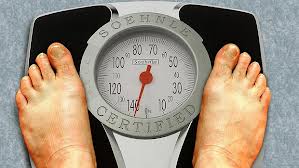
People who follow vegan diets weigh less and consume more protective nutrients such as beta carotene and fiber, according to a study published in next month’s issue of the Journal of the Academy of Nutrition and Dietetics. Researchers collected data from 71,751 participants enrolled in the Adventist Health Study 2 for five years. Participants were categorized into five dietary patterns: vegan, lacto-ovo vegetarian, semi-vegetarian, pesco-vegetarian, and nonvegetarian. Those who followed nonvegetarian diets ate the most saturated fat and the least fiber, compared with the vegan group. The vegan group (defined as consuming animal products less than one time per month), consumed the most beta-carotene, fiber, potassium, and magnesium, compared with all other dietary groups. The vegan group had the lowest average body mass index (a measure of body weight adjusted for height) and the lowest prevalence of obesity, compared with those following all other dietary patterns. Levels of BMI and rates of obesity went up as animal product intake increased.

Rizzo NS, Jaceldo-Siegl K, Sabate J, Fraser GE. Nutrient profiles of vegetarian and nonvegetarian dietary patterns continuing professional education (CPE) information. J Acad Nutr Diet. 2013;113:1610-1619.

Fats: The Good the Bad and the Ugly

Health Canada

http://www.hc-sc.gc.ca

Health Canada- states, unsaturated fats (plant-based) are good and saturated (animal-based) are bad.

The good: unsaturated fats

Unsaturated fat is a type of fat found in the foods you eat. Replacing saturated and trans fats with unsaturated fats has been shown to help lower cholesterol levels and reduce the risk of heart disease. Unsaturated fat also provides omega-3 and -6 fatty acids. Choose foods with unsaturated fat as part of a balanced diet using Eating Well with Canada’s Food Guide.

Even though it is a “good fat,” having too much unsaturated fat may lead to having too many calories. This may cause weight gain and increase your risk of developing obesitytype 2 diabetesheart disease and certain types of Next link will take you to another Web site cancer.

There are two main types of unsaturated fats:

  1. monounsaturated fat, which can be found in:
    • avocados
    • nuts and seeds (like cashews, pecans, almonds and peanuts)
    • vegetable oils (like canola, olive, peanut, safflower, sesame and sunflower)
  2. polyunsaturated fat, which can be found in:
    • fatty fish (like herring, mackerel, salmon, trout and smelt)
    • fish oils
    • nuts and seeds (like cashews, pecans, almonds and peanuts)
    • vegetable oils (like canola, corn, flaxseed, soybean and sunflower)

The bad: saturated fats

Saturated fat is a type of fat found in food. It has been shown to raiseLDL or “bad” cholesterol levels. Having high LDL-cholesterol levels increases your risk for heart disease.

Saturated fat is found in many foods:

  • animal foods (like beef, chicken, lamb, pork and veal)
  • coconut, palm and palm kernel oils
  • dairy products (like butter, cheese and whole milk)
  • lard
  • shortening

Choosing lower-fat meat and dairy products can help reduce the amount of saturated fat in your diet.

Use vegetable oil or soft margarines that are low in saturated and trans fats instead of butter, hard margarine, lard and shortening.

The ugly: trans fats

Trans fat is made from a chemical process known as “partial hydrogenation.” This is when liquid oil is made into a solid fat.

Like saturated fat, trans fat has been shown to raise LDL or “bad” cholesterol levels, which increases your risk for heart disease. Unlike saturated fat, trans fat also lowers HDL or “good” cholesterol. A low level of HDL-cholesterol is also a risk factor for heart disease.

Until recently, most of the trans fat found in a typical Canadian diet came from:

  • margarines (especially hard margarines)
  • commercially fried foods
  • bakery products made with shortening, margarine or oils containing partially hydrogenated oils and fats (including cakes, cookies, crackers, croissants, doughnuts, fried and breaded foods, muffins, pastries and other snack foods)

If a product has less than 0.2 grams of trans fat AND less than 0.5 g of saturated fat, the food manufacturer can say that the product is trans-fat-free. Learn more about nutrition claims.

Our food supply is rapidly changing and the trans fat content of many of these products has now been reduced. But it is still important to look at the Nutrition Facts table to make sure the food product you are buying has only a little or no trans fat.

http://www.hc-sc.gc.ca/hl-vs/iyh-vsv/med/fats-gras-eng.php

FOODS TO AVOID FOR OSTEOARTHRITIS

Dec 15, 2010 | By August McLaughlin
Refined carbohydrates and unhealthy fats may worsen symptoms of osteoarthritis.
Photo Credit Adam Gault/Digital Vision/Getty Images
Osteoarthritis, also called degenerative joint disease, is a chronic condition that causes cartilage deterioration in your joints. The most common form of arthritis, according to MayoClinic.com, osteoarthritis most often affects your hands, neck, hips, lower back and/or knees. While no cure exists, medical treatments, physical therapy and lifestyle changes, such as a healthy diet, may help reduce your symptoms. For best results, seek specified guidance from a qualified professional.

REFINED CARBOHYDRATES

Refined carbohydrates, such as enriched flour and sugar, provide calories, but few nutrients to foods. As high-glycemic foods, refined carbohydrate sources can have a damaging impact on your blood sugar levels, appetite, energy and moods. The University of Maryland Medical Center recommends avoiding enriched breads, pasta and snack foods as one useful dietary step toward reducing osteoarthritis symptoms. For best results, check food packaging on breads, cereals, pasta and snack foods, and avoid those that list enriched white or wheat flour or added sugars, such as cane sugar, corn syrup or brown rice syrup as main ingredients. Beverages rich in added sugars include regular soft drinks, sweetened coffee drinks, chocolate milk and fruit punch.

MEAT AND EGGS

Meat and eggs contain saturated fat, which, when consumed in excess, increases your risk for heart disease, certain forms of cancer and obesity. Meat and eggs also contain omega-6 fatty acids. Consuming too many omega-6 fatty acids and too few omega-3 fatty acids, found in fatty fish and flaxseed, may exacerbate arthritic pain and inflammation, according to Arthritis Today. For best results, choose fatty fish, such as salmon and tuna, lean poultry, low-fat dairy products and legumes, over red meat and eggs most often. Since the egg yolks contain the saturated fat and omega-6 fatty acid content, consume the whites only.

TRANS FATS

Trans fats are created through a process in which hydrogen is added to vegetable oil. Trans fats can increase your “bad,” or LDL, cholesterol, and increase your “good,” or HDL, cholesterol. Trans fats can also lead to inflammation, according to the Harvard School of Public Health. To reduce your trans fat intake, choose whole foods such as fruits and vegetables, over processed snack foods such as crackers, potato chips and pastries. Trans fats are prevalent in shortening, margarine and all foods that list partially hydrogenated vegetable oil as an ingredient. Frozen meals, canned soup, certain brands of peanut butter and numerous fast foods also contain trans fats.

Read more: http://www.livestrong.com/article/335491-foods-to-avoid-for-osteoarthritis/#ixzz2ixIAdD8P