
The lifespan extension associated with dietary restriction may be due less to a reduction in calories, and more to a reduction in animal protein (particularly the amino acid leucine, which may accelerate aging via the enzyme TOR).
Ten servings of fruit and vegetables a day — not five — needed for good health, researchers say
 Sarah Knapton, The Daily Telegraph, National Post Wire Services | April 1, 2014 | Last Updated: Apr 1 10:06 AM ET
More from National Post Wire Services

FotoliaFive a day won’t cut it: Researchers now say 10 servings of fruit and veg are needed per day for optimum health.
A healthy diet should include 10 portions of fruit and vegetables a day, doubling the five-a-day official advice, say British health experts.
The research, which involved a 12-year study, also found that vegetables were four times healthier than fruit.
The study, by University College London, found that eating large quantities of fruit and vegetables significantly lowered the risk of premature death. People who ate at least seven portions of fruit and vegetables each day were 42%less likely to die from any cause over the course of the study.
Prof Simon Capewell, of the department of public health at the University of Liverpool, said the advice should be 10 portions a day. “Humans are designed to be omnivorous: a handful of nuts, seeds, fruit and the occasional antelope. We’re not meant to be eating junk food.”
Researchers examined the eating habits of 65,000 people in England between 2001 and 2013.
They found that seven helpings a day of fruit or vegetables could reduce a person’s overall risk of premature death by 42% when compared with people who ate just one whole portion.
People who ate between five and seven portions a day had a 36% reduced risk of death, those who ate three to five portions had a 29% decreased risk and those who ate one to three helpings had a 14% reduced risk.
Those with the highest intakes were also 25% less likely to die from cancer and 31% less likely to die from heart disease.
To implement a seven-a-day message would be really challenging for many in society and would require governmental support
“We need to urgently examine seriously the proposal to increase recommended intake to seven a day,” said Naveed Sattar, professor of metabolic medicine at the University of Glasgow. “To implement a seven-a-day message would be really challenging for many in society and would require governmental support such as subsidising the cost of fruitand vegetables, perhaps by taxing sugar-rich foods.”
The study also found that vegetables were far more beneficial than fruit. Each portion of vegetables lowered the risk of death by 16 per cent. However, each piece of fruit only lowered the chance of death by 4 per cent.
The authors said the findings lent support to the Australian government’s advice of “two plus five” a day, which encourages people to eat two helpings of fruit and five of vegetables. Dr Alison Tedstone, the group’s director of diet and obesity, said: “Our focus remains on increasing overall consumption of fruit and vegetables to meet current recommendations.”
The study was published in the Journal of Epidemiology and Community Health.
5 Tactics To Reduce Cholesterol Quickly
If you’re serious about lowering your cholesterol and taking good care of your heart, these 5 tactics are a great place to start. They’ll also help you shed excess weight, which will also improve heart health.
1. Focus on fruits, vegetables, whole grains, and beans
Our typical American diet is now abbreviated as SAD (Standard American Diet) by scientists nationwide because it’s full of foods that do sad things to both hearts and waistlines. Hyperprocessed foods like potato chips and French fries. Sugar-saturated drinks. And fatty, artery-clogging meats and full-fat dairy foods like cheese.
We don’t have to become complete vegetarians to get our cholesterol levels into healthy ranges, studies on the Pritikin Program have found, but clearly, the more vegetables, fruits, potatoes, and other naturally-fiber-rich plant foods we eat, the healthier we’ll be.
Plant foods high in soluble fiber are especially beneficial in lowering total and LDL bad cholesterol levels. Good sources include beans (pinto beans, black beans, etc), yams, oats (yes, eat your oatmeal!), barley, and berries.
For simple tips on bringing more fruits, vegetables, whole grains, and beans into your life, here is a 5-day sample healthy meal plan from the doctors and dietitians at Pritikin Longevity Center.
2. Eat far fewer of the following fats…
-
SATURATED FATS
Foods with a lot of heart-damaging saturated fat include butter, meat, palm oil, coconut oil, and full-fat and low-fat dairy products, such as whole milk, low-fat milk, cheese, and cream.
-
TRANS FATS
If you see partially hydrogenated fat in the Ingredient List of a food label, that food has trans fats, which not only raise bad LDL cholesterol, they also lower good HDL cholesterol.
-
DIETARY CHOLESTEROL
Top sources of dietary cholesterol include egg yolks, organ meats, and shellfish.
One type of fat – omega-3 fatty acids – has been shown to protect against heart disease. Excellent sources are cold-water fish like salmon, mackerel, halibut, trout, herring, and sardines.
But do keep in mind that limiting fat intake, even so-called “good” fats like omega-3 fat or Mediterranean-style fats like olive oil, is a good idea because any fat is dense with calories, which means heavy consumption can easily lead to a heavy body. That’s bad news not just for our weight but our hearts because being overweight adversely affects blood cholesterol levels.
Excess weight is linked not just to heart disease but to a staggering list of other woes, including Type 2 diabetes, hypertension, gout, dementia, and many cancers.
3. Eat more plant sources of protein…
Excellent plant proteins include beans – all beans, like lentils, red beans, pinto beans, and soybeans. Rather than raising blood cholesterol levels, as animal sources of protein do, beans actually help lower cholesterol.
Beans also help reduce blood sugar and insulin levels, and may even lower cancer risk.
When choosing products made from soybeans, stick to:
-
SOYBEANS
(available in most grocery store freezer sections, often described as edamame)
-
SOYMILK
vanilla, original, or unsweetened
-
TOFU
(unflavored/unmarinated – found in refrigerator cases)
All the above are great choices for your cholesterol profile and overall health.
4. Eat fewer refined grains, such as white flour.
We’re a nation of “white food” eaters – white bread, white rice, white pasta, and white-flour foods like muffins, croissants, bagels, crackers, dried cereals, tortillas, pretzels, and chips. Yes, more than half of many Americans’ typical diets are made up of hyperprocessed refined white flour, often injected with sugar, salt, and/or fat.
That’s a real problem in part because the more white, or refined, grains we eat, the fewer whole grains we tend to take in. Research has found that eating whole grains can help lower both total and LDL cholesterol, and improve heart health.
In Harvard University’s Nurses’ Health Study, for example, women who ate two to three servings of whole-grain products (mostly bread and breakfast cereals) each day were 30% less likely to have a heart attack or die from heart disease over a 10-year period than women who ate less than one serving of whole grains per week.2
When first starting to make the switch from refined to whole grains, many people often feel a bit confused. Where to begin? What’s whole? What isn’t?
The registered dietitians at the Pritikin Longevity Center start with one very simple rule. When looking at products like breads and cereals, they recommend turning the package around and making sure the first word in the Ingredient List is “whole.” If you see the word “whole” at the top of the list, it’s a good bet that what you’re buying is in fact 100% whole grain, or close to it.
3 Healthy Crockpot Recipes
3 Healthy Crockpot Recipes
A CROCKPOT (ALSO CALLED A SLOW COOKER) COOKS FOOD VERY, VERY SLOWLY, BUT THE AMOUNT OF TIME YOU’RE ACTUALLY SPENDING IN THE KITCHEN IS OFTEN VERY, VERY QUICK.
That’s the beauty of crockpots. They truly are a “set it and forget it” kind of cooking. There’s absolutely no need to tend to it. The steam inside condenses on the lid and returns to the pot to keep food moist, even after cooking many hours.

Turn on your crockpot. Then walk away!
And, oh my, what you’re rewarded with is deep, savory, slow-cooked flavor – what many restaurants now describe as “kettle cooking.”
In particular, healthy crockpot recipes do wonderful things for dried beans, rendering them creamy-buttery on the inside while firm and intact on the outside.
Our Executive Chef Anthony Stewart is also a big fan of crockpots. In his “Becoming a Pritikin Chef” lecture at the Pritikin Longevity Center, he points out that many of the Pritikin recipes, particularly the soups and stews, lend themselves well to crockpot cooking.
“You have better control, you don’t need to be hanging around the kitchen supervising the cooking, the nutrition and flavors are locked in, your meal stays warm until ready to serve, and you serve it directly from the crockpot to your dinner plate or bowl, so there’s a lot less clean-up.”
Crockpot cooking is just a lot less work overall. The following 3 healthy crockpot recipes can help you get started.
Healthy Crockpot Recipes…
Salsa Chicken – Two Ingredients. That’s it!
Here’s the easiest recipe ever! It’s just two ingredients: chicken breasts and salsa. (Do read labels to make sure you’re getting low-sodium or no-salt-added varieties of salsa.)
You simply put a pound or two of boneless, skinless chicken breasts on the bottom of the crockpot. Then pour salsa over the top of the chicken, enough to cover the chicken about one-half inch.
Then turn on the crockpot. You’re done!
If you’re new to slow cooking, do read the user manual so that you’re aware of any requirements regarding your particular crockpot.
For Salsa Chicken using my crockpot, I simply set the temperature to LOW. In four hours the chicken breasts are nicely cooked. I then remove the lid and with a fork shred the breasts so that the salsa soaks in everywhere.
I put the lid back on and let the shredded chicken sit there in the nice warm crockpot for a few minutes, heat turned off, while I get the rest of dinner ready.
What emerges from the crockpot is a deliciously juicy chicken that can be used in all sorts of ways.
- Make fajitas by ladling some of your chicken into whole-wheat tortillas with sliced green bell peppers and onions, stir-fried or raw.
- Use your Salsa Chicken as a topping over a big green salad (you don’t even need salad dressing) laced with sliced radishes and cucumbers, or any crunchy-style veggies you have on hand.
- Ladle your chicken over a cooked whole grain like brown rice. It works really well as a potato topper, too.
- Or whip up a super easy Mexican-style soup by adding your Salsa Chicken to a pot on the stove with some low-sodium chicken broth, pinto beans (canned, no salt-added), and corn (just pour in a cup or so from a bag of frozen corn). Heat your soup for about 15 minutes, and enjoy.
Feeling a little more ambitious and want completely vegetarian? And some of those creamy beans?
Try this…
 Lentil and Barley Soup
- Want the deep, slow-cooked flavors of rich, creamy beans and barley without spending a lot of time in the kitchen? Try our delicious crockpot Lentil and Barley Soup.
- Course
- Cuisine
| Servings | Prep Time | Cook Time |
| 6 2-cup portions | 20 minutes | 6 hours |
Ingredients
- 7 cups vegetable broth low-sodium
- 1 can tomatoes diced, (14.5 ounces, no-salt-added, undrained)
- 1.5 cups dried lentils rinsed
- 1 cup onions chopped
- 1 cup carrots chopped
- 1 cup celery chopped
- 1 cup mushrooms sliced
- 3/4 cup barley uncooked
- 5 cloves garlic minced
- 1 tablespoon Italian Seasoning salt-free
- 1 teaspoon thyme dried
- 3/4 teaspoon black pepper
Servings: 2-cup portions
Instructions
- Combine all ingredients in a 4-quart or larger crockpot. Cover. Cook on HIGH setting 5 to 6 hours or until lentils are desired tenderness. If using LOW setting, cook 10 to 12 hours or until lentils are desired tenderness.
Share this Recipe
Setting the heat
The cooking temperature for crockpots is the same on all settings – about 210 degrees. So the setting you choose (usually LOW or HIGH) merely dictates how quickly your slow cooker gets to that temperature.
I like using the LOW setting as often as I can because I find that its slower, gentler cooking does a really nice job of bringing out flavors. And with 8-plus hours of cooking time, I can be gone all day from the house and not worry about dinner overcooking.
One more note: Most modern slow cookers will automatically convert to a “warming” setting at the end of cooking. So if you’re getting home a little later than expected, you know dinner isn’t overcooking.
Prepping the night before
There’s no need to get up early in the morning to chop up ingredients for your evening’s crockpot dinner.
Instead, prepare everything the night before. Put your ingredients into your slow-cooker’s ceramic pot, and cover and store in the refrigerator overnight. Come morning, get it out, lower it back down into your slow cooker machine, turn it on, and walk out the door.
Converting recipes
For converting recipes you already have into crockpot-style cooking, here are some general guidelines:
- If a dish usually takes 1 to 2 hours on the stove, cook it in your crockpot for 3 to 4 hours on HIGH or 6 to 8 hours on LOW.
- If a dish usually take 2 to 4 hours on the stove, cook it in your crockpot for 4 to 6 hours on HIGH or 8 to 12 hours on LOW.
- Root vegetables such as beets, carrots, onions, parsnips, potatoes, radishes, and turnips can take longer than other vegetables, so put them near the heat source – the bottom of the pot.
Here’s our third healthy crockpot recipe. It takes just a few minutes to assemble but delivers loads of hearty, snappy flavor.
Healthy Crockpot Recipes…
- Cajun-Style Red Beans and Rice
- Our Cajun-Style Red Beans and Rice takes just a few minutes to assemble but delivers loads of hearty, snappy flavor.
- Course
- Cuisine
| Servings | Prep Time | Cook Time |
| 6 one-cup servings | 20 minutes | 7 hours |
Ingredients
- 2 cups dried red kidney beans rinsed
- 1 cup brown rice uncooked
- 1 red onion chopped
- 1 green bell pepper chopped
- 4 stalks celery chopped
- 6 to 8 cloves garlic minced
- 1/2 cup chives finely chopped
- 4 teaspoons Cajun seasoning salt-free
- 1 tablespoon paprika smoked
- 5 cups water
Servings: one-cup servings
Instructions
- Add all your ingredients to your crockpot, veggies on top. Cook on LOW for around 7 hours. Cooking times may vary depending on your crockpot.
As Chef Anthony and his fellow chefs at the Pritikin Longevity Center have always taught, don’t constrain yourself with written recipes.
Go with what you like – any ingredients you like! Some experiments may not first turn out as well as you imagined, but that’s okay. Make notes. Incorporate them the next time. When it comes to cooking – any kind of cooking – practice makes perfect.
FOR HEALTHY CROCKPOT COOKING, HERE ARE 4 GENERAL GUIDELINES:
- Put your dried beans, root vegetables, and seasonings on the bottom of your crockpot.
- Add enough stock or water to cover your ingredients about one-quarter to one-half inch.
- Then add your other veggies – a nice hefty pound or two.
- Turn on your crockpot. Then walk away!
Starving Tumors of Their Blood Supply

About a third of common cancers may be prevented by eating a healthy, plant-based diet; being physically active; and maintaining a healthy weight. One of the ways plants may help is by cutting off the supply lines to cancerous tumors.
A tumor cannot grow without a blood supply. Currently, it is believed that a tumor mass cannot exist in a volume greater than about the size of the ball at the tip of a ballpoint pen without a proper blood supply. This indicates that angiogenesis, the creation of new blood vessels, is critical to tumor growth.
Each one of us has cancer cells in us right now. One study describes how “by age 70, microscopic cancers are detected in the thyroid glands of virtually everyone. Most of these tumors never cause problems or become clinically significant, leading to the concept of ‘cancer without disease’ as a normal state during aging.” Cancer cells are commonly present in the body, but they can’t grow into tumors any bigger than that tiny dot size–no more than 10 million cancer cells–before needing to get hooked up to a blood supply. One way cancer turns on the tap is silencing certain tumor suppressor genes. How do we turn them back on? See, for example, Apple Skin: Peeling Back Cancer.
Another way tumors commandeer a blood supply is by diabolically releasing angiogenic factors, chemicals that cause new blood vessels to sprout into the tumor. The most important one is called vascular endothelial growth factor (VEGF). But we may be able to suppress VEGF with veggies.
Many of the phytonutrients we know and love in tea, spices, fruit, berries, broccoli, and beans can block cancer’s stimulation of new blood vessels. They’re ideal for prophylactic long-term use against breast cancer because of their reliability, availability, safety, and affordable price. A recent review concluded that we now have “convincing evidence that dietary plant constituents possess the unique ability to affect tumor angiogenesis, which may be deemed advantageous in the prevention and treatment of human breast cancer and other tumors.”
Most of these studies have only been done in a petri dish, though. Researchers stimulate human blood vessel cells and they start forming tubular structures trying to make new capillaries to feed the tumor. This tube formation can be substantially blocked by adding add plant compounds such as apigen or luteolin, found throughout the plant kingdom in foods such as citrus, celery, and peppers. In a study outlined in my video, Anti-Angiogensis: Cutting Off Tumor Supply Lines, you can see the effect of fisitin, a phytonutrient found in strawberries, shrinking the beginnings of new blood vessel formation. How else can strawberries smack on the cancer kibosh? See Strawberries versus Esophageal Cancer and Cancer Fighting Berries
Is porridge a miracle food?
Eating a regular bowl of oatmeal may mean cleaner arteries, protection from cancer
 Laura Donnelly, The Daily Telegraph, National Post Wire Services | March 19, 2014 | Last Updated: Mar 19 1:07 PM ET
More from National Post Wire Services

National Post filesGood, ol’ fashioned rolled oats could have some amazing benefits for your health, new studies suggest, reducing the likelihood of heart disease and some cancers.
Fans of porridge have long claimed that it gives them the best start to the day — but scientists say there is evidence that it could also have a special ingredient that actively cleans the arteries, protecting against cancer and heart disease.
A meeting of researchers says there is growing evidence that a bioactive compound contained only in oats may possess protective antioxidant properties.
Oats are the breakfast of choice for many athletes and dieters, who find the high fibre levels give them energy for longer. The combination of fibre, vitamins and minerals in whole grains has also been linked to a reduced risk of diseases. One particular fibre found only in oats — called beta-glucan — has already been credited with lowering cholesterol which can help protect against heart disease.
But scientists at the Annual Conference of the American Chemical Society in Dallas, Tex., yesterday said there was growing evidence that the benefits of oats do not just come from the fibre.
Researchers said studies suggested that a bioactive compound called avenanthramide could stop fat forming in the arteries, causing heart attacks and strokes.
Dr. Shengmin Sang, from the North Carolina Agricultural and Technical State University said: “While the data to support the importance of oat beta-glucan remains, these studies reveal that the heart health benefit of eating oats may go beyond fibre. As the scientific investigators dig deeper, we have discovered that the bioactive compounds found in oats may provide additional cardio-protective benefits.”
Fat formation in the arteries can become a condition called atherosclerosis in which the arteries become clogged with fatty substances such as cholesterol. This can lead to organ damage or blood clots that result in heart attacks or strokes.
Previous studies have suggested that the fibre contained in porridge can reduce cholesterol levels by as much as 23%. Studies on children have suggested the traditional breakfast dish can help to keep obesity at bay. Youngsters who eat oats regularly are 50% less likely to be overweight, one study of 10,000 children found.
Oats can reduce high blood pressure, which is closely linked to stroke and heart disease. They are also a source of vitamin B1, which is crucial for the nervous system
Oats can reduce high blood pressure, which is closely linked to stroke and heart disease. They are also a source of vitamin B1 (thiamin) which is crucial for the nervous system, and folic acid, which is essential for healthy fetal development. In an attempt to increase folic acid levels, pregnancy advisers have joined doctors in urging the Government to fortify flour with the acid to cut the number of babies developing defects such as spina bifida.
Steamed Vegetables

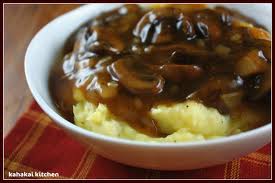
Choose your favorite vegetables, carrots, turnip, asparagus, cauliflower, brussels sprouts, and brocolli
Steam the vegetables to doneness. In the meantime boil a few potatoes and cook until mashable.
Leave a tiny bit of water in the pot after draining them to make them creamy smooth when they
are mashed.
Make the mushroom gravy that is also featured on this site.
When ready combine and serve. This meal is packed with all of the nutrients for a perfect supper.
What is the “Real” Truth about Agave?
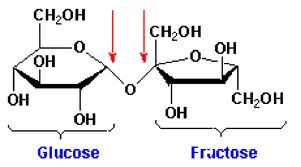
Fructose is the problem, agave is loaded with it.
If you knew the truth about what’s really in it, you’d be dumping it down the drain — and that would certainly be bad for sales.
Most agave “nectar” or agave “syrup” is nothing more than a laboratory-generated super-condensed fructose syrup, devoid of virtually all nutrient value, and offering you metabolic misfortune in its place.
Unfortunately, masterful marketing has resulted in the astronomical popularity of agave syrup among people who believe they are doing their health a favor by avoiding refined sugars like high fructose corn syrup, and dangerous artificial sweeteners.
And if you’re diabetic, you’ve been especially targeted and told this is simply the best thing for you since locally grown organic lettuce, that it’s “diabetic friendly,” has a “low glycemic index” and doesn’t spike your blood sugar.
While agave syrup does have a low-glycemic index, so does antifreeze — that doesn’t mean it’s good for you.
Most agave syrup has a higher fructose content than any commercial sweetener — ranging from 70 to 97 percent, depending on the brand, which is FAR HIGHER than high fructose corn syrup (HFCS), which averages 55 percent.
This makes agave actually WORSE than HFCS.
The Heme Iron Problem-Heme iron is the type of iron found in meat
Heme (blood) iron, cancer, and cardiovascular disease.
Iron encourages production of free radicals which can damage DNA and presumably increase cancer risk. In a study of over 14,000 individuals, high iron intake and high iron body stores were both positively linked to the risk of colon cancer. Higher levels of iron were associated with higher incidence of colon polyps, possible forerunners of colon tumors. However, cancer patients themselves had low levels of stored iron, indicating that cancer itself can deplete iron stores. [1]
Controversy has surrounded the question as to whether too much iron in your diet raises your risk for heart disease. A new study from the Harvard University School of Public Health brings new insight to the debate. Lasting for 4 years, this research involved more than 50,000 male health professionals. It was found that total iron intake was not associated with heart disease risk. But the source of the iron came was the principle factor. High levels of heme iron raised risk for heart disease twofold. Heme iron is the type of iron found in meat, chicken and fish.
Plant foods contain non-heme iron which appears to not be associated with risk for heart attack. Traditionally, many nutritionists used to consider non-heme iron to be inferior to the iron found in animal products, because non-heme iron is somewhat less well absorbed. But new evidence suggests that non-heme iron seems to be preferable.
When the body is low in iron, it can increase absorption of non-heme iron, and it can reduce adsorption when it already has sufficient amounts. The heme iron in meats tends to pass quickly right through the adsorption mechanism, thus entering the blood stream whether it is needed or not. Since vegetarians generally have adequate iron intake, it is clear that non-heme iron can easily meet nutritional needs. Also, plant iron doesn’t create the health risks of heme iron.
Iron increases heart disease risks because heme iron acts as a pro-oxidant, causing LDL-cholesterol — the ‘bad’ cholesterol — to react with oxygen. This reaction is involved in the formation of plaques in the arteries and therefore increases one’s risk of cardiovascular problems. The chart: http://www.ecologos.org/iron.htm
Avoiding Dairy to Prevent Parkinson’s
 There are four things that may reduce our risk of developing Parkinson’s disease: increase exercise, and avoid dairy products, pesticides, and head trauma (please wear your seatbelt and bike helmet!).
What about avoiding pesticides and other industrial pollutants? A recent autopsy study found higher levels in the brains of Parkinson’s victims of certain PCBs found in Monsanto’s Aroclor, which was banned in 1979. The more PCBs found in the brain, the worse the brain damage. The worst three appeared to be PCBs 138, 153, and 180, all of which are significantly lower in the bodies of those eating plant-based diets (seeIndustrial Pollutants in Vegans).
So, does a vegan diet reduce the risk of Parkinson’s disease? If you watch my 3-min video Preventing Parkinson’s Disease With Diet you’ll see that every prospective study looking at dairy products and Parkinson’s disease found an increased risk associated with consumption. This may be because dairy products in the United States are contaminated with neurotoxic chemicals. Autopsy studies consistently find higher levels of pollutants in the brains of Parkinson’s disease patients, and some of these toxins are present at low levels in dairy products.
Tetrahydroisoquinoline is one such parkinsonism-related toxin found predominantly in cheese. Although the amounts of this neurotoxin—even in cheese—are not very high, the concern is that the chemical may accumulate in the brain over long periods of consumption resulting in the brain damage associated with Parkinson’s diease.
 The Way To Eat