5 Tactics To Reduce Cholesterol Quickly

Did you know that for every 10% drop in your cholesterol level, your heart attack risk drops by 20% to 30%? There’s more good news: Most of us can reduce cholesterol quickly, and without the need for medications. Simple lifestyle strategies can be very powerful.That’s what several studies on thousands following the Pritikin Program of diet and exercise have found. Within three weeks, people were able to lower their cholesterol levels on average 23%, which translates into a 46% to 69% drop in heart attack risk.1Below are 5 of the key lifestyle-change tactics taught by the physicians, registered dietitians, exercise physiologists, and other faculty at the Pritikin Longevity Center in Miami for fast, significant lowering of cholesterol levels, particularly LDL bad cholesterol.

If you’re serious about lowering your cholesterol and taking good care of your heart, these 5 tactics are a great place to start. They’ll also help you shed excess weight, which will also improve heart health.

1. Focus on fruits, vegetables, whole grains, and beans

Our typical American diet is now abbreviated as SAD (Standard American Diet) by scientists nationwide because it’s full of foods that do sad things to both hearts and waistlines. Hyperprocessed foods like potato chips and French fries. Sugar-saturated drinks. And fatty, artery-clogging meats and full-fat dairy foods like cheese.

We don’t have to become complete vegetarians to get our cholesterol levels into healthy ranges, studies on the Pritikin Program have found, but clearly, the more vegetables, fruits, potatoes, and other naturally-fiber-rich plant foods we eat, the healthier we’ll be.

Plant foods high in soluble fiber are especially beneficial in lowering total and LDL bad cholesterol levels. Good sources include beans (pinto beans, black beans, etc), yams, oats (yes, eat your oatmeal!), barley, and berries.

For simple tips on bringing more fruits, vegetables, whole grains, and beans into your life, here is a 5-day sample healthy meal plan from the doctors and dietitians at Pritikin Longevity Center.

2. Eat far fewer of the following fats…

  • SATURATED FATS

    Foods with a lot of heart-damaging saturated fat include butter, meat, palm oil, coconut oil, and full-fat and low-fat dairy products, such as whole milk, low-fat milk, cheese, and cream.

  • TRANS FATS

    If you see partially hydrogenated fat in the Ingredient List of a food label, that food has trans fats, which not only raise bad LDL cholesterol, they also lower good HDL cholesterol.

  • DIETARY CHOLESTEROL

    Top sources of dietary cholesterol include egg yolks, organ meats, and shellfish.

One type of fat – omega-3 fatty acids – has been shown to protect against heart disease. Excellent sources are cold-water fish like salmon, mackerel, halibut, trout, herring, and sardines.

But do keep in mind that limiting fat intake, even so-called “good” fats like omega-3 fat or Mediterranean-style fats like olive oil, is a good idea because any fat is dense with calories, which means heavy consumption can easily lead to a heavy body. That’s bad news not just for our weight but our hearts because being overweight adversely affects blood cholesterol levels.

Excess weight is linked not just to heart disease but to a staggering list of other woes, including Type 2 diabetes, hypertension, gout, dementia, and many cancers.

3. Eat more plant sources of protein…

Excellent plant proteins include beans – all beans, like lentils, red beans, pinto beans, and soybeans. Rather than raising blood cholesterol levels, as animal sources of protein do, beans actually help lower cholesterol.

Beans also help reduce blood sugar and insulin levels, and may even lower cancer risk.

When choosing products made from soybeans, stick to:

  • SOYBEANS

    (available in most grocery store freezer sections, often described as edamame)

  • SOYMILK

    vanilla, original, or unsweetened

  • TOFU

    (unflavored/unmarinated – found in refrigerator cases)

All the above are great choices for your cholesterol profile and overall health.

4. Eat fewer refined grains, such as white flour.

We’re a nation of “white food” eaters – white bread, white rice, white pasta, and white-flour foods like muffins, croissants, bagels, crackers, dried cereals, tortillas, pretzels, and chips. Yes, more than half of many Americans’ typical diets are made up of hyperprocessed refined white flour, often injected with sugar, salt, and/or fat.

That’s a real problem in part because the more white, or refined, grains we eat, the fewer whole grains we tend to take in. Research has found that eating whole grains can help lower both total and LDL cholesterol, and improve heart health.

In Harvard University’s Nurses’ Health Study, for example, women who ate two to three servings of whole-grain products (mostly bread and breakfast cereals) each day were 30% less likely to have a heart attack or die from heart disease over a 10-year period than women who ate less than one serving of whole grains per week.2

When first starting to make the switch from refined to whole grains, many people often feel a bit confused. Where to begin? What’s whole? What isn’t?

The registered dietitians at the Pritikin Longevity Center start with one very simple rule. When looking at products like breads and cereals, they recommend turning the package around and making sure the first word in the Ingredient List is “whole.” If you see the word “whole” at the top of the list, it’s a good bet that what you’re buying is in fact 100% whole grain, or close to it.

3 Healthy Crockpot Recipes


3 Healthy Crockpot Recipes

A CROCKPOT (ALSO CALLED A SLOW COOKER) COOKS FOOD VERY, VERY SLOWLY, BUT THE AMOUNT OF TIME YOU’RE ACTUALLY SPENDING IN THE KITCHEN IS OFTEN VERY, VERY QUICK.

That’s the beauty of crockpots. They truly are a “set it and forget it” kind of cooking. There’s absolutely no need to tend to it. The steam inside condenses on the lid and returns to the pot to keep food moist, even after cooking many hours.

Easy to Prepare Healthy Crockpot Recipes

Turn on your crockpot. Then walk away!

And, oh my, what you’re rewarded with is deep, savory, slow-cooked flavor – what many restaurants now describe as “kettle cooking.”

In particular, healthy crockpot recipes do wonderful things for dried beans, rendering them creamy-buttery on the inside while firm and  intact on the outside.

Our Executive Chef Anthony Stewart is also a big fan of crockpots. In his “Becoming a Pritikin Chef” lecture at the Pritikin Longevity Center, he points out that many of the Pritikin recipes, particularly the soups and stews, lend themselves well to crockpot cooking.

“You have better control, you don’t need to be hanging around the kitchen supervising the cooking, the nutrition and flavors are locked in, your meal stays warm until ready to serve, and you serve it directly from the crockpot to your dinner plate or bowl, so there’s a lot less clean-up.”

Crockpot cooking is just a lot less work overall. The following 3 healthy crockpot recipes can help you get started.

Healthy Crockpot Recipes…

Salsa Chicken – Two Ingredients. That’s it!

Here’s the easiest recipe ever! It’s just two ingredients: chicken breasts and salsa. (Do read labels to make sure you’re getting low-sodium or no-salt-added varieties of salsa.)

You simply put a pound or two of boneless, skinless chicken breasts on the bottom of the crockpot. Then pour salsa over the top of the chicken, enough to cover the chicken about one-half inch.

Then turn on the crockpot. You’re done!

If you’re new to slow cooking, do read the user manual so that you’re aware of any requirements regarding your particular crockpot.

For Salsa Chicken using my crockpot, I simply set the temperature to LOW. In four hours the chicken breasts are nicely cooked.  I then remove the lid and with a fork shred the breasts so that the salsa soaks in everywhere.

I put the lid back on and let the shredded chicken sit there in the nice warm crockpot for a few minutes, heat turned off, while I get the rest of dinner ready.

What emerges from the crockpot is a deliciously juicy chicken that can be used in all sorts of ways.

  • Make fajitas by ladling some of your chicken into whole-wheat tortillas with sliced green bell peppers and onions, stir-fried or raw.
  • Use your Salsa Chicken as a topping over a big green salad (you don’t even need salad dressing) laced with sliced radishes and cucumbers, or any crunchy-style veggies you have on hand.
  • Ladle your chicken over a cooked whole grain like brown rice. It works really well as a potato topper, too.
  • Or whip up a super easy Mexican-style soup by adding your Salsa Chicken to a pot on the stove with some low-sodium chicken broth, pinto beans (canned, no salt-added), and corn (just pour in a cup or so from a bag of frozen corn). Heat your soup for about 15 minutes, and enjoy.

Feeling a little more ambitious and want completely vegetarian? And some of those creamy beans?

Try this…

  • Lentil and Barley Soup
  • Want the deep, slow-cooked flavors of rich, creamy beans and barley without spending a lot of time in the kitchen? Try our delicious crockpot Lentil and Barley Soup.
Servings Prep Time Cook Time
6 2-cup portions 20 minutes hours

Ingredients

Servings:  2-cup portions

Instructions

  1. Combine all ingredients in a 4-quart or larger crockpot. Cover. Cook on HIGH setting 5 to 6 hours or until lentils are desired tenderness. If using LOW setting, cook 10 to 12 hours or until lentils are desired tenderness.

Share this Recipe

Setting the heat

The cooking temperature for crockpots is the same on all settings – about 210 degrees. So the setting you choose (usually LOW or HIGH) merely dictates how quickly your slow cooker gets to that temperature.

I like using the LOW setting as often as I can because I find that its slower, gentler cooking does a really nice job of bringing out flavors. And with 8-plus hours of cooking time, I can be gone all day from the house and not worry about dinner overcooking.

One more note: Most modern slow cookers will automatically convert to a “warming” setting at the end of cooking. So if you’re getting home a little later than expected, you know dinner isn’t overcooking.

Prepping the night before

There’s no need to get up early in the morning to chop up ingredients for your evening’s crockpot dinner.

Instead, prepare everything the night before. Put your ingredients into your slow-cooker’s ceramic pot, and cover and store in the refrigerator overnight. Come morning, get it out, lower it back down into your slow cooker machine, turn it on, and walk out the door.

Converting recipes

For converting recipes you already have into crockpot-style cooking, here are some general guidelines:

  • If a dish usually takes 1 to 2 hours on the stove, cook it in your crockpot for 3 to 4 hours on HIGH or 6 to 8 hours on LOW.
  • If a dish usually take 2 to 4 hours on the stove, cook it in your crockpot for 4 to 6 hours on HIGH or 8 to 12 hours on LOW.
  • Root vegetables such as beets, carrots, onions, parsnips, potatoes, radishes, and turnips can take longer than other vegetables, so put them near the heat source – the bottom of the pot.

Here’s our third healthy crockpot recipe. It takes just a few minutes to assemble but delivers loads of hearty, snappy flavor.

Healthy Crockpot Recipes…

  • Cajun-Style Red Beans and Rice
  • Our Cajun-Style Red Beans and Rice takes just a few minutes to assemble but delivers loads of hearty, snappy flavor.
Servings Prep Time Cook Time
6 one-cup servings 20 minutes hours

Ingredients

Servings:  one-cup servings

Instructions

  1. Add all your ingredients to your crockpot, veggies on top. Cook on LOW for around 7 hours. Cooking times may vary depending on your crockpot.

As Chef Anthony and his fellow chefs at the Pritikin Longevity Center have always taught, don’t constrain yourself with written recipes.

Go with what you like – any ingredients you like! Some experiments may not first turn out as well as you imagined, but that’s okay. Make notes. Incorporate them the next time. When it comes to cooking – any kind of cooking – practice makes perfect.

FOR HEALTHY CROCKPOT COOKING, HERE ARE 4 GENERAL GUIDELINES:
  1. Put your dried beans, root vegetables, and seasonings on the bottom of your crockpot.
  2. Add enough stock or water to cover your ingredients about one-quarter to one-half inch.
  3. Then add your other veggies – a nice hefty pound or two.
  4. Turn on your crockpot. Then walk away!

Steamed Vegetables


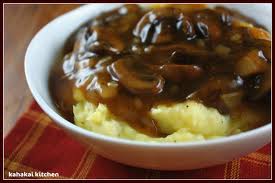
Steamedmushroom gravy

Choose your favorite vegetables, carrots, turnip, asparagus, cauliflower, brussels sprouts, and brocolli

Steam the vegetables to doneness. In the meantime boil a few potatoes and cook until mashable.
Leave a tiny bit of water in the pot after draining them to make them creamy smooth when they
are mashed.

Make the mushroom gravy that is also featured on this site.

When ready combine and serve. This meal is packed with all of the nutrients for a perfect supper.

Share this:

Lentil & Rice Loaf

december 19, 2013 by  41 comments

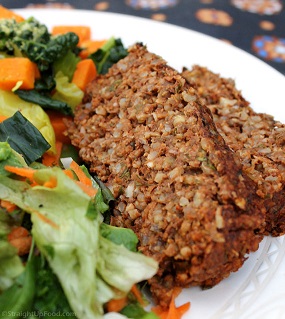
This flavorful loaf is perfect for the holidays, or anytime you want a hearty main dish. It can be made with fresh or dried herbs. Make two loaves while you’re at it and freeze one for leftovers. This is delicious topped with Creamy Mushroom Gravy!

LentilRiceLoaf Small

Ingredients
1¾ cups water
½ cup brown-green lentils
½ cup short-grain brown rice
2 teaspoons dried poultry seasoning
1 teaspoon granulated onion
1 medium onion, chopped
5 medium white or brown (cremini) mushrooms
1 large rib celery, chopped
1 tablespoon freshly minced garlic (about 5 medium cloves)
¾ cup quick-cooking rolled oats
1 can (6 ounces) tomato paste
½ cup chopped pecans or walnuts (optional)
1 tablespoon minced fresh sage leaf (or 1½ teaspoons dried, rubbed sage)
2 teaspoons minced fresh thyme (or 1 teaspoon dried)
1½ teaspoons minced fresh rosemary (or ¾ teaspoon dried)

Instructions
1. In a medium saucepan on high heat, combine water, lentils, rice, poultry seasoning, and granulated onion. Bring to a boil then turn down to simmer, and cook covered for 45 minutes. When done cooking, remove from the heat and let stand for 10 minutes with the lid still on. (Prepare your remaining ingredients while the rice and lentils are cooking.)

2. Preheat oven to 350 degrees. Line a standard size loaf pan (9 by 5 by 3-inch) with parchment paper (see photo below) and set aside (or use a silicone loaf pan).

3. In a medium skillet on high heat, add 1 tablespoon of water. When the water begins to sputter, add the chopped onion, mushrooms, and celery, and cook stirring for about 3 minutes, adding water just as needed to prevent sticking. Add the garlic, and cook stirring for an additional 2 minutes, until the vegetables have softened (adding water as needed). If you’re using dried herbs, stir them in with the garlic (if using fresh herbs, add them in next step). Remove from heat.

4. In a large bowl combine the oats, tomato paste, nuts, and if you’re using fresh herbs (rosemary, thyme, sage) add them now as well. When the cooked vegetables, and rice and lentils have cooled for about 10 minutes, add them to the bowl and stir until all ingredients are mixed thoroughly.

5. Place half of this mixture into a food processor. Pulse about 3 times, then scrape down sides; pulse another 3 times, so it gets blended but is still somewhat chunky. Spoon this into the loaf pan. Place the remaining mixture into the food processor and repeat pulsing in the same way. Add this second half to the loaf pan. Press down firmly and into the corners. Shape the top flat or with a slight rise down the middle.

6. Cover with a piece of aluminum foil and cook for 40 minutes. Remove the foil and cook for another 15 to 20 minutes until the top is browned and the edges are crispy looking. Remove and let cool 10 to 15 minutes before slicing and serving. Serve as is or with Mushroom Gravy or homemade ketchup.

Preparation: 55 minutes (including cooking rice and lentils)
Cooking: 55 minutes (baking loaf)
Makes: 1 standard loaf (about 10 ¾-inch slices)

NOTES

Herbs: During the holidays I like to use fresh herbs in this recipe, especially fresh sage, as its aroma and flavor are very “holiday.” But fresh herbs aren’t always practical, so feel free to use the measurements for dried. Or even a mix of fresh and dried.

Rolled oats: I like quick oats in this recipe, but if you only have “slow” oats, just pulse them a bit first in the food processor.

Blending: I’ve also made this loaf without using the food processor at all (just mixing everything in a bowl) and it still bakes up well and tastes great, it’s just more on the chunky texture side.

LentilRiceLoafCloseup_2976

Above: Cook until the top and sides are browned, as shown. The longer the cooked loaf cools, the firmer it will be and easier to slice.

LentilRiceLoafPreBake_2921

Above: The loaf pan is lined with parchment paper (see this post for instructions on how to line a pan with parchment). I used a ceramic pan, but you can also use metal, glass or silicone. Press the uncooked loaf “dough” into the pan firmly before baking.

LentilRiceLoaf_3000

Above: Lentil & Rice Loaf Served with steamed cabbage, celery, kale and yam, with red onion and grated pistachios on top.

Click here to visit my Amazon kitchen store with all my favorite products (appliances, pans, kitchen tools, food items, and books). When you make a purchase, I receive a small commission that helps support this site. Thank you for your purchase and your support!

Velvety Chickpea Gravy

gravy
(Before you begin soak dried mushrooms in a cup of very hot water until soft (1 hour)- This is for mushroom gravy and is optional.
1 tsp. safflower or olive oil
1 medium onion, diced finely
4 big cloves of garlic minced
2 tsp. of italian herbs or to taste
2 tsp. of chopped fresh rosemary
2 tblsp. of cornstarch
11/4 c. organic low salt vegetable broth (sold in tetra packs in the soup section)
1 tblsp. worchestershire sauce
Hot sauce to taste  (optional)
1 – 15 oz. can of chickpeas drained and rinsed — or you can use 1  1/2 c. dried chickpeas, soaked overnight and pressure cooked on high for 8 min.
1 – 1 1/2 tblsp. soy sauce or 1 1/2 tsp. light miso blended in a bit of vegetable broth to liquify it.
black pepper to taste.
1. Saute the onion and garlic in the oil, add the herbs, except for the fresh rosemary, which I put in last to keep the flavour.
2. Whisk the cornstarch and broth together in a small dish.
3. Put the chickpeas in a moulinex with some of the broth mixture and soya sauce or miso to make them blend easier.
4. Moulinex them on high until it is velvety.
5. At this point decide if you want the veggies to have texture or not. If you prefer silky gravy,  put all the veggies in the moulinex with the chickpea mixture.  If you don’t mind bits of onion and garlic, just put the mushrooms in, and moulinex until they are incorporated with the chickpeas.  Or if you like bits of mushroom ,moulinex them separately and put them to one side in a dish, to add later to the bubbling gravy!
6. Add the herbs, worchestershire sauce peeper and miso or soya sauce and the rest of the broth/cornstarch mixture.
7. Allow to simmer until it thickens.  Add the chopped mushrooms if you didn’t do it in step 5.
8. Add the fresh rosemary.
Simmer a few more min.  …taste and adjust the seasonings.  Enjoy.
You can double or triple the recipe and freeze it for future meals.
Excellent on vegan bean loaves, burgers, mashed veggies.


My Favourite Vegan Chili

bestveganchili   My Favourite Vegan Chili with Homemade Sour Cream

Hearty, satisfying, and veggie-packed, this vegan chili will leave you feeling full for hours. I recommend pairing it with a big scoop of my homemade vegan sour cream. If you like a really bean-y chili, you can also add another 15-ounce can of beans in addition to the two cans used in this recipe.

Yield
4 bowls
Prep Time
30 Minutes
Cook time
30 Minutes

Ingredients:

  • 1.5 tablespoons extra virgin olive oil
  • 2 heaping cups diced sweet onion
  • 2 tablespoons minced garlic (about 4 med/lg cloves)
  • 2 jalapeños, seeded (if desired) and diced
  • 1 cup diced celery
  • 1 lg. red bell pepper, seeded and diced
  • 1 (28-oz) can diced tomatoes
  • 1 cup vegetable broth
  • 6 tablespoons tomato paste
  • 1 (15-oz) can kidney beans, drained and rinsed
  • 1 (15-oz) can pinto beans, drained and rinsed
  • 2 tablespoons chili powder
  • 2 teaspoons ground cumin
  • 1 teaspoon dried oregano
  • 1/2-3/4 teaspoon fine grain sea salt, or to taste
  • 1/4 teaspoon ground cayenne pepper
  • 1 teaspoon hot sauce
Toppings:
  • Homemade vegan sour cream
  • Chopped green onions
  • Fresh cilantro

Directions:

  1. In a large pot, saute the onion and the garlic in the oil over medium heat until soft and translucent, about 5 minutes. Season with a pinch of salt and stir.
  2. Add the jalapeños, celery, and bell pepper and saute for another 5-7 minutes or so, until softened.
  3. Now add the can of diced tomatoes (with the juice), broth, and tomato paste. Stir to combine. Increase heat to medium-high.
  4. Add the drained and rinsed beans, along with the chili powder, cumin, oregano, salt, cayenne, and hot sauce. Simmer the mixture until thickened, about 10-15 minutes and adjust seasonings to taste if necessary.
  5. Serve with Homemade vegan sour cream, chopped green onion, and cilantro leaves, if desired.

Oh She Glows Community Recipe

Dr. Burkitt’s Fibre

The famous surgeon Denis Burkitt suggests an explanation for why many of our most common and deadliest diseases were rare or even nonexistent in populations eating plant-based diets.

January 27, 2014 | 
GD Star Rating
loading…

Abundance Doesn’t Mean Health

Abundance Doesn’t Mean Health
•    by Mark Bittman
•    Jan. 21, 2014
•    3 min read
•    original
The relatively new notion that around a third or more of the world’s population is badly (“mal”) nourished conflates hunger and diet-spawned illnesses like diabetes, both of which are preventable.
Both result from a lack of access to quality food, which in turn can result from a lack of money. No one with money starves, and the obesity-diabetes epidemic afflicts predominantly people on the low end of the income scale. With money comes good food, food that creates health and not “illth,” to use John Ruskin’s word. With a lack of money comes either not enough food or so-called empty calories, calories that put on pounds but do not nourish.
This is made very clear in Oxfam’s “Good Enough to Eat” index, a snapshot of the state of eating in 125 countries released last week. The index attempts to determine the best and worst countries in which to eat, by measuring levels of undernourishment and underweight in children; asking “do people have enough to eat?”; measuring costs of food versus other goods and services, to see whether food is affordable; looking at the diversity of people’s diets and the availability of safe water; and monitoring diabetes and obesity levels to learn whether the diets are healthy.
The results for the United States make a fine case for American exceptionalism, though not in the way chauvinists will find pleasing.
We rank first in food affordability; food is cheap compared with other things we buy, and prices are relatively stable. We also rank highly (4th) in food “quality,” which is measured by (potential) diversity of diet, though access to good water is shockingly low (tied for 41st, about a third of the way down the list).
Then the hammer falls: When it comes to healthy eating as measured by diabetes and obesity rates, we’re 120th: sixth from the bottom, better off only than Saudi Arabia, Kuwait, Jordan, Fiji and our unlucky neighbor Mexico. (Canada fares a little better; it’s 18th worst.) We’re also in a tie (with Belarus and other powerhouses) for 35th in “enough to eat.” Really.
In fact, it’s hard to imagine having a food supply as abundant as ours and doing a worse job with it. There are reasons for this:
• Much of what’s grown with the potential to become “food” is actually turned into (as Michael Pollan dubbed them) edible foodlike substances — in short, junk food — that produces the opposite of health. (About this there can barely be an argument any longer.) Some of what we grow is also turned into fuel for automobiles, doing no one but corn farmers any good. And much of it is fed to animals, in itself not a terrible thing, although the way we do it is damaging on many fronts.
• While we generally manage to keep the neediest quarter of our population from actually starving, we do not reach everyone who could use help; for example, only half of those Californians eligible for food stamps (officially known as the Supplemental Nutrition Assistance Program) actually get them, according to Roots of Change, a California nonprofit that focuses on food. And, of course, food stamps can be and often are used to buy junk, a pattern that causes as many problems as it alleviates.
• The budget for food education in the United States pales compared with the marketing budget for junk food, and much of that education is either unconvincing or ignored in the face of the barrage of “fun to eat” ads for the food that is worst for us. (These three charts, gathered in one place by Tom Philpott, pretty much tell the story.) There is, as I’ve complained before, no concerted effort to teach people how to cook, which cannot happen without simultaneously teaching people how to shop for real food.
There are also issues of economic justice and education, and all their complications, which is why talking about food and eating inevitably leads to talking about the structure of society.
Part of the problem lies in oversight. Although we have a first lady who cares about these issues (and presumably has the support of the president), we do not have an official government policy or agency responsible for coordinating and assuring that the nation’s investment in food and agriculture is for a nourishing and healthful food supply. The Department of Agriculture partly fills that role, but it also has a clear conflict of interest, since its primary goal is to support what has become a system of industrial agriculture that cares more about production and marketing supports than about what happens to soil, water and air, or the health of consumers who buy its products. (One need look only at budgets to determine what any individual or agency cares about most.)
In the long run, what’s needed is not a Farm Bill — that tangled mess that’s been stalled in Congress since its expiration in 2012 — but a national food and health policy, one that sets goals first for healthful eating and only then determines how best to produce the food that will allow us to meet those goals. It doesn’t make sense to tell people to eat vegetables and then produce junk; that leads only to bad health in the face of evident abundance. What’s so great about that?

Pursue A Healthy You

Osteoarthritis

Osteoarthritis, a crippling joint disease that affects more than 20.7 million people in the United States, occurs when inflammation damages joint lubrication and cartilage.

Although early symptoms may be mild or barely noticeable, the condition eventually progresses causing a great deal of pain. Osteoarthritis also leads to disability as the damaged joint is no longer able to move properly.

Fortunately, there are certain nutrients and foods that may help to halt the progression osteoarthritis before it becomes severe as well as helping to reduce the pain and inflammation associated with it.


Eat more

  • Cold water fish such as salmon, tuna, herring, mackerel and halibut.
  • Organically grown fruits and vegetables
  • Nuts and seeds
  • Whole grains
  • Ginger

Avoid highly refined products such as white rice, white bread and white pasta, excessive saturated fats and foods which contain trans fats.

Description

What Is Osteoarthritis?

Osteoarthritis, one of the most common forms of arthritis in the United States, is the 8th leading cause of disability in the world. Over 20.7 million Americans are afflicted with the condition, and approximately 100,000 are unable to walk as a result.

In 1989 alone, around 30,000 hip replacement and 70,000 knee replacement surgeries were done to treat osteoarthritis. The pain and disability caused by osteoarthritis has a major impact on the lives of those suffering with this disease.

Being unable to move certain joints properly can make tasks of normal living very difficult. Osteoarthritis patients may be unable to walk up stairs, button their clothes, or even brush their hair, things that most people take for granted. Slowing the progression of this condition through simple dietary changes may help prevent these long-term consequences.

Symptoms

Osteoarthritis symptoms are initially very mild. In fact, researchers have found that only about 50% of people with early signs of osteoarthritis on X-ray have noticeable symptoms.

The symptoms may worsen over time as the condition progresses and the joint damage continues. Osteoarthritis tends to occur mainly in the hands, knees, elbows, hips, and spine.

Symptoms of osteoarthritis include:

  • Grinding sensation during joint movement
  • Pain with joint movement
  • Joint stiffness
  • Joint swelling
  • Deformity of the joint (usually occurs later in the condition)
  • Reduced mobility of the joint
  • A feeling of joint instability

Many osteoarthritis patients take pain-killers such as aspirin, acetaminophen, or ibuprofen. While these may be helpful for temporarily reducing pain, they have not been shown to prevent the progression of osteoarthritis, and may even cause the damage to progress more quickly. In addition, some of these medications can be rough on the digestive tract, leading to symptoms that range from mild stomach upset to ulceration and bleeding.

If you’re taking pain-killers and start to experience severe stomach pain, vomiting, vomiting of blood, generalized weakness, a change in the color of your stools to very dark or black, or if you see blood in your stools, you should contact your doctor immediately as these may be signs of bleeding of the digestive tract, which can be a serious medical condition.

The Disease Process

What causes a normal, healthy joint to become swollen, painful and debilitated? The process may be a slow and gradual one that takes many years to have an impact.

A healthy joint, the part of the body that connects two bones, contains several main components. The first component includes the ends of the bones themselves. These bone endings are lined with a rubbery, cushiony material called cartilage, which prevents bones from grinding or smashing together. Since cartilage is flexible, it can withstand the pressure of joint movement and bounce right back into its original form without any damage.

The outside of the joint is wrapped in connective tissue. The connective tissue is strong enough to hold the joint together, but thin and light enough to allow the joint to move properly. Lining the inside of the joint is the synovial membrane, a thin layer of cells that produce fluid to keep the joint moist and lubricated, so it can glide and move easily.

The synovial fluid also provides the cartilage cells with oxygen and nutrients since the joint itself contains no blood vessels. (In all other parts of the body, nutrients and oxygen are delivered via the bloodstream.)

In a joint stricken with osteoarthritis, however, an inflammatory process is taking place. When inflammation occurs, the cells of the joint, including the synovial and cartilage cells, produce chemicals that lead to an increase in free radicals. These free radicals are dangerous substances that can attack and damage the cartilage and synovial membrane of the joint.

As time goes by, the cartilage starts to wear away, the synovial membrane dries out, and the synovial fluid disappears. With the cartilage gone, the ends of the bones start to grind together. This causes the ends of the bone to become thicker and harder.

Eventually, the ends of the bones start to grow cysts and sharp, bony spikes, called osteophytes, that may stick out into the joint space and severely hamper the movement of the joint. In the end, the joint is painful, unable to move properly, and deformed from the inflammation and bony osteophytes.

Causes

The exact cause of osteoarthritis is still considered to be unknown, though several theories exist as to what may happen to start the condition. Generalized osteoarthritis of the hands, knees, and spine seems to have a genetic component as it tends to run in families. However, genetics doesn’t seem to play a role in other forms of osteoarthritis and certainly isn’t the whole picture.

Osteoarthritis of the knees and hands seems to occur more commonly in people who are obese, though it is not clear why this is the case. Researchers think there may be certain hormones produced by fat cells that may lead to joint problems. It has been shown that obese people who lose weight, even as little as 10 pounds, can greatly reduce their risk of developing osteoarthritis and even reduce the pain of osteoarthritis.

Another possible cause of osteoarthritis is joint trauma. People who do a lot of high-intensity exercise or who do activities that frequently injure their joints, like professional or competitive athletes, tend to wind up with this condition after a while.

Researchers believe that repetitive stress and injury to the joint eventually leads to inflammation that causes damage. Moderate exercise is beneficial, especially for those trying to lose weight, and is therefore recommended. Exercise that damages or causes pain in the joints, however, is excessive and should be toned down.

Dietary Causes

A diet that is generally low in essential nutrients has been shown to contribute to the development or progression of osteoarthritis. Basically, this translates to a diet high in refined products like white rice, white bread, white pasta, and saturated and trans-fats, and low in nutrient-rich foods like vegetables, fruits, legumes, fish, whole grains, and lean meats.

Refined foods such as white rice and baked goods made from white flour have been stripped of the vast majority of their nutrients. Although small amounts of some nutrients, like certain B-vitamins, are added back in to prevent wide-spread deficiencies, this so-called “enrichment” is comparable to taking away a dollar and giving back two cents. Fatty foods like potato chips or french fries are not only high in calories, but low in essential nutrients.

Unfortunately, these refined and high-fat foods make up much of the ‘Standard American Diet’ (appropriately abbreviated as SAD). Replacing these refined, nutrient-poor foods with whole, healthy foods can help reduce risk of osteoarthritis.

In addition, research studies have shown that certain nutrients, such as vitamin Dvitamin C, beta-carotene, andniacin, may be able to reduce the progression of osteoarthritis. Consumption of foods rich in these nutrients may help delay or even prevent the disability that can occur from this condition.

Certain other nutrients, such as vitamin E, boron, niacinamide, and omega-3 fatty acids, may actually help reduce the pain and swelling that comes with osteoarthritis. As a result, patients may be able to decrease their use of pain-killers, which can have nasty side-effects, by consuming healthy foods rich in these nutrients.

Nutrient Needs

Foods That May Help Include:

Whole Foods

To nourish your joints, try a big bowl of steaming oatmeal sprinkled with cinnamon, add some raisins, diced apple, toasted pumpkin seeds, and chunks of banana. Wash it down with a tall glass of cold orange juice. This nutrient-dense fiber-rich breakfast can give you all the energy you need until lunchtime.

Instead of deli meat on white bread for lunch, treat your joints to a salad of mixed greens, diced carrot and tomato, a handful or two of nutty chickpeas, and some white meat chicken strips, topped off with an olive oil, balsamic vinaigrette dressing and a sprinkling of grated parmesan cheese. Add a peach or some melon or a cup of yogurt for a snack or two during the day.

Greasy fast food burgers and fries doused in sugar-laden ketchup for dinner? Not for your joints! They’ll be pampered with fragrant brown rice, flaky baked salmon seasoned with a fresh garlic, rosemary sauce, and steamed sweet potato, or butternut squash, and snow peas. To start, a crisp spinach salad topped with walnuts and fresh romano cheese.

Contrary to popular belief, healthy food is not about bran muffins and celery sticks. There are many different whole foods, from vegetables to meats and dairy products, available these days that can help you pack in the nutrients that feed your joints.

Whole foods contain the nutrients necessary for joint health: vitamins such as vitamin Cvitamin Dvitamin A, theB vitaminsvitamin K, and folic acid; minerals like calcium,magnesiumseleniumzinc, and iron; and other beneficial nutrients such as bioflavonoids and beta-carotene.

The best way to protect your joints is to eat a wide variety of nutritious foods. You have a much better chance of getting all the vitamins and minerals you need if your diet includes an assortment of different foods, than if you eat the same thing every day. If you’re trying to lose weight, nothing works better than replacing the high fat, high sugar, high starch American diet with meals centered around fresh fruits, vegetables, whole grains, legumes, fish, and lean meats.

Fish

Remember that piece of succulent baked salmon? Evidence suggests that fish may be helpful in osteoarthritis. Fish, especially cold water fish like salmon, mackerel,halibut, herring, tuna, sardines, and cod, have high levels of omega-3 fatty acids. These omega-3 fats are used by the body to make substances that reduce inflammation.

Fish is also a wonderful and delicious source of essential protein, which is needed for the repair of damaged joints. Some fish also contain vitamin D, a critical nutrient for strong, healthy bones that can help prevent the progression of osteoarthritis. Eat fish often, as it may help ease the symptoms of osteoarthritis as well as improve your overall health.

Ginger

Add some zest to your salad dressing with fresh ginger. Some people with osteoarthritis report that using ginger regularly helps reduce the pain and swelling in their joints. Ginger contains active components that stop the body from producing inflammatory substances that add to inflammation in the joints.

A versatile spice that adds an exotic bite to any meal, ginger can transform practically any dish from mundane to exceptional. Try mincing a sliver of fresh ginger for a topping on steamed vegetables, meats, fish, baked fruit, and fresh salads. While fresh ginger is the most flavorful, dried ginger may also be beneficial.

Nutrients in Food That May Help Include:

To Reduce the Risk or Progression of Osteoarthritis

Vitamin D

When osteoarthritis patients get plenty of vitamin D in their diets, their joint damage progresses more slowly. In contrast, people who don’t get enough vitamin D, have more rapidly occurring joint damage, leading rapidly to disability. Vitamin D not only helps prevent the breakdown of cartilage, it’s necessary for rebuilding healthy cartilage and maintaining strong bones. Shrimp and fortified milk are two very good sources of vitamin D.

Vitamin C

Vitamin C is a powerful antioxidant in the body. By neutralizing free radicals, vitamin C helps reduce inflammation and damage that occurs in osteoarthritis.Vitamin C is also necessary for the production of healthy connective tissue and cartilage, and may even be able to help undo some of the damage that has already been done. The osteoarthritis of patients who get plenty of vitamin C in their diets seems to progress more slowly compared to people who have diets low in vitamin C.

Excellent food sources of vitamin C include broccoli,parsleybell peppers, strawberries, cauliflower, lemons, mustard greens, Brussels sprouts, papaya, kale, cabbage, spinach, kiwifruit, cantaloupe, oranges, grapefruit, tomatoes, chard, collard greens, raspberriespeppermint leaves, asparagus, celery, fennel bulb, pineapple, andwatermelon.

Beta-carotene

Beta-carotene is another powerful antioxidant. Like vitamin C, beta-carotene helps destroy free radicals before they can cause excessive damage to joints. A diet rich in beta-carotene also helps slow the progression of osteoarthritis.

Fortunately, beta-carotene is easy to spot because it gives fruits and vegetables, such as apricots,and carrots, their bright orange color.

Excellent food sources of beta-carotene include sweet potatoes, carrots, kale, winter squash, collard greens, chard, cantaloupe, mustard greens, romaine lettuce, spinach, parsley, cayenne pepper, peppermint leaves, Brussels sprouts, tomatoes, broccoli, asparagus, and apricots.

Niacin

Niacin, also known as vitamin B-3, plays many roles in the body and is needed for healthy cells. Although researchers aren’t quite sure why, a diet high in niacin may help protect people from ever developing osteoarthritis in the first place. Some studies show that niacin may cut osteoarthritis risk in half.

Excellent food sources of niacin include crimini mushroomsand tuna. Very good sources include salmon, chicken breast, asparagus, and halibut.

To Reduce the Pain of Osteoarthritis

Vitamin E

Vitamin E, like vitamin C and beta-carotene, is yet another antioxidant that helps eliminate damaging free radicals. Vitamin E is also very good at reducing inflammation, which contributes to the problems in osteoarthritis. Studies have shown that osteoarthritis sufferers with high intakes of vitamin E report a significant reduction in their pain. Many are even able to reduce the amount of pain-killers they need to take. Mustard greenschard, turnip greens, andsunflower seeds are a few excellent sources of vitamin E.

Boron

In Australia, boron has been a very popular remedy for osteoarthritis for many years. It’s especially useful in areas where the diet tends to be low in boron, which can occur if the soil contains low levels of boron, or if people are eating diets that are low in boron-rich foods.

Boron is needed in the body for the production of many substances, including hormones and vitamin D, both of which are very important for healthy bones and joints.

Omega-3 Fatty Acids

Omega-3 fatty acids have been shown in some studies to reduce the pain of osteoarthritis. When the diet contains plenty of these essential fats, the cells make less of the pro-inflammatory substances and more of the anti-inflammatory substances.By reducing inflammation, omega-3 fats help prevent the damage to the cartilage and connective tissue that usually occurs in osteoarthritis.

Excellent food sources of omega-3 fatty acids include flax seeds, walnuts and salmon.

Niacinamide

Some studies show that niacinamide can improve symptoms of osteoarthritis and may be able to reduce the amount of pain-killers needed. To date, researchers are not sure exactly how niacinamide, which has many different functions in the body, is able to help with osteoarthritis.

Nutrient Excesses

Substances to Avoid

Vitamin A and Retinoids

People who take very high doses of vitamin A for a very long time tend to wind up with joint pain and damage that looks a lot like osteoarthritis. These high doses could not be obtained from diet alone and are also much higher than doses that appear even in multivitamins.

This means that only people who are taking extra vitamin A as a supplement are at risk. Also, certain medications typically used for skin conditions are made from vitamin A-like chemicals called retinoids. Retinoids may also cause joint damage. If you are taking medications like these, you may want to talk to your doctor about the possibility of joint problems with long-term use.

Iron

Genetic hemochromatosis is a hereditary condition that occurs mostly in people of Caucasian descent. People with this condition absorb more iron than they need and then store it in their bodies. As much as 80% of people with this condition, also called iron-overload, develop osteoarthritic joint changes if they consume too much iron. If they continue to get too much iron, it can build up in their organs and cause severe organ damage.

Typically, the amount of iron found in a healthy, balanced diet is not enough to cause problems. However, iron supplements should be avoided by persons at risk for osteoarthritis, even iron-containing multivitamins, unless a doctor has specifically recommended iron supplementation.

Recommended Diet

What should you eat if you have osteoarthritis or are trying to avoid getting it? The best advice is to eat a varied diet high in necessary nutrients.

A diet filled with a variety of fresh fruits and vegetables, beans and peas, nuts and seeds, whole grains, lean meats, and especially cold-water, wild-caught fish is sure to provide you with all the nutrients that are important in maintaining overall health and flexible, healthy joints.

This way of eating may help halt the progressive damage of osteoarthritis, as well as help you cut back on the amount of pain-killers you need by reducing pain and swelling.

Throwing a little bit of ginger into your cooking for some added zip may further reduce symptoms.

Stop giving your joints SAD (Standard American Diet) foods. Leave the refined white flour, fat-laden products on the shelf, and switch to foods rich in the nutrients your joints need. Flexibility in your diet will translate to flexibility in your joints.

References

  • Cleland LG, Hill CL, James MJ. Diet and arthritis. Baillieres Clin Rheumatol 1995 Nov;9(4):771-85. 1995.
  • Curtis CL, Rees SG, Cramp J et al. Effects of n-3 fatty acids on cartilage metabolism. Proc Nutr Soc 2002 Aug;61(3):381-9. 2002.
  • Fincham JE, Hough FS, Taljaard JJ, et al. Mseleni joint disease. Part II. Low serum calcium and magnesium levels in women. S Afr Med J 1986 Dec 6;70(12):740-2. 1986.
  • Friedrich MJ. Steps toward understanding, alleviating osteoarthritis will help aging population. JAMA 1999 Sep 15;282(11):1023-5. 1999.
  • Gaby AR. Natural treatments for osteoarthritis. Altern Med Rev 1999 Oct;4(5):330-41. 1999.
  • Gerber LH, Helfgott RK, Gross EG, et al. Vertebral abnormalities associated with synthetic retinoid use. J Am Acad Dermatol 1984 May;10(5 Pt 1):817-23. 1984.
  • Jonas WB, Rapoza CP, Blair WF. The effect of niacinamide on osteoarthritis: a pilot study. Inflamm Res 1996 Jul;45(7):330-4. 1996.
  • Kee CC. Osteoarthritis: manageable scourge of aging. Nurs Clin North Am 2000 Mar;35(1):199-208. 2000.
  • Kowsari B, Finnie SK, Carter RL, et al. Assessment of the diet of patients with rheumatoid arthritis and osteoarthritis. J Am Diet Assoc 1983 Jun;82(6):657-9. 1983.
  • Lane NE, Gore LR, Cummings SR, et al. Serum vitamin D levels and incident changes of radiographic hip osteoarthritis: a longitudinal study. Study of Osteoporotic Fractures Research Group. Arthritis Rheum 1999 May;42(5):854-60. 1999.
  • Levander OA. A global view of human selenium nutrition. Annu Rev Nutr 1987;7:227-50. 1987.
  • Machtey I, Ouaknine L. Tocopherol in Osteoarthritis: a controlled pilot study. J Am Geriatr Soc 1978 Jul;26(7):328-30. 1978.
  • McAlindon T, Felson DT. Nutrition: risk factors for osteoarthritis. Ann Rheum Dis 1997 Jul;56(7):397-400. 1997.
  • McAlindon TE, Felson DT, Zhang Y, et al. Relation of dietary intake and serum levels of vitamin D to progression of osteoarthritis of the knee among participants in the Framingham Study. Ann Intern Med 1996 Sep 1;125(5):353-9. 1996.
  • McAlindon TE, Jacques P, Zhang Y, et al. Do antioxidant micronutrients protect against the development and progression of knee osteoarthritis?. Arthritis Rheum 1996 Apr;39(4):648-56. 1996.
  • McCarty MF, Russell AL. Niacinamide therapy for osteoarthritis–does it inhibit nitric oxide synthase induction by interleukin 1 in chondrocytes?. Med Hypotheses 1999 Oct;53(4):350-60. 1999.
  • Messier SP, Loeser RF, Mitchell MN, et al. Exercise and weight loss in obese older adults with knee osteoarthritis: a preliminary study. J Am Geriatr Soc 2000 Sep;48(9):1062-72. 2000.
  • Mezes M, Bartosiewicz G. Investigations on vitamin E and lipid peroxide status in rheumatic diseases. Clin Rheumatol 1983 Sep;2(3):259-63. 1983.
  • Romero JB, Schreiber A, Von Hochstetter AR, et al. Hyperostotic and destructive osteoarthritis in a patient with vitamin A intoxication syndrome: a case report. Bull Hosp Jt Dis 1996;54(3):169-74. 1996.
  • Sack KE. Osteoarthritis. A continuing challenge. West J Med 1995 Dec;163(6):579-86. 1995.
  • Sinigaglia L, Fargion S, Fracanzani AL, et al. Bone and joint involvement in genetic hemochromatosis: role of cirrhosis and iron overload. J Rheumatol 1997 Sep;24(9):1809-13. 1997.
  • Sowers M, Lachance L. Vitamins and arthritis. The roles of vitamins A, C, D, and E. Rheum Dis Clin North Am 1999 May;25(2):315-32. 1999.
  • Spencer-Green G. Drug treatment of arthritis. Update on conventional and less conventional methods. Postgrad Med 1993 May 15;93(7):129-40. 1993.
  • Srivastava KC, Mustafa T. Ginger (Zingiber officinale) in rheumatism and musculoskeletal disorders. Med Hypothesis 39(1992):342-8. 1992.
  • Stammers T, Sibbald B, Freeling P. Fish oil in osteoarthritis. Lancet 1989 Aug 26;2(8661):503. 1989.
  • Whanger PD. China, a country with both selenium deficiency and toxicity: some thoughts and impressions. J Nutr 1989 Sep;119(9):1236-9. 1989.

Essential Fatty Acids

Essential Fatty Acids


Essential Fatty Acid Basics

The body can synthesize most of the fats it needs from the diet. However, two essential fatty acids, linolenic and linoleic acid, cannot be synthesized in the body and must be obtained from food. These basic fats, found in plant foods, are used to build specialized fats called omega-3 and omega-6 fatty acids.1 Omega-3 and omega-6 fatty acids are important in the normal functioning of all tissues of the body.

Deficiencies in these fatty acids lead to a host of symptoms and disorders including abnormalities in the liver and the kidneys, reduced growth rates, decreased immune function, depression, and dryness of the skin. Adequate intake of the essential fatty acids results in numerous health benefits. Documented benefits include prevention of atherosclerosis, reduced incidence of heart disease and stroke, and relief from the symptoms associated with ulcerative colitis, menstrual pain, and joint pain.2-4 Omega-3 fatty acid levels have also been associated with decreased breast cancer risk.5,6

It is not only important to incorporate good sources of omega-3 and omega-6s in your diet, but also consume these fatty acids in the proper ratio. Omega-6 fatty acids compete with omega-3 fatty acids for use in the body,7 and therefore excessive intake of omega-6 fatty acids can inhibit omega-3s. Ideally, the ratio of omega-6 to omega-3 fatty acids should be between 1:1 and 4:1.8 Instead, most Americans consume these fatty acids at a ratio of omega-6:omega-3 between 10:1 and 25:1, and are consequently unable to reap the benefits of omega-3s.9 This imbalance is due to a reliance on processed foods and oils, which are now common in the Western diet. To combat this issue it is necessary to eat a low-fat diet with minimal processed foods and with naturally occurring omega-3 fatty acids. A lower omega-6:omega-3 ratio is desirable for reducing the risk of many chronic diseases.9

Omega-6 Fatty Acids

Omega-6 fats are derived from linoleic acid and are found in leafy vegetables, seeds, nuts, grains, and vegetable oils (corn, safflower, soybean, cottonseed, sesame, sunflower).3 Most diets provide adequate amounts of this fatty acid, and therefore planning is rarely required to ensure proper amounts of omega-6 fatty acids.

A less common omega-6 fatty acid, gamma-linolenic acid (GLA), has been shown to have anti-inflammatory effects along with other disease-fighting powers.10 GLA can be found in rare oils such as black currant, borage, and hemp oils.3

Omega-3 Fatty Acids

It is vital for everyone to eat foods that are rich in omega-3 fatty acids on a daily basis. Unlike omega-6 fatty acids, it may take more planning in the diet to ensure adequate intake of these fatty acids. Omega-3s are used in the formation of cell walls and assist in improving circulation and oxygen uptake. The recommended amount for adequate omega-3 intake is 1.1 and 1.6 grams per day for women and men over the age of 14, respectively.11

Omega-3 fatty acids are derived from linolenic acid. The principal omega-3 is alpha-linolenic acid (ALA), which is then converted into eicosapentaenoic acid (EPA) and docosahexaenonic acid (DHA) by the body. This makes ALA the only essential omega-3 fatty acid. ALA can be found in many vegetables, beans, nuts, seeds, and fruits.

Some of the best sources of ALA include flaxseeds and walnuts, along with different oils such as flaxseed, canola, soybean, walnut, and wheat germ. Omega-3 fatty acids can be found in smaller quantities in nuts, seeds, and soy products, as well as in beans, vegetables, and whole grains. Corn, safflower, sunflower, and cottonseed oils also contain omega-3s, though in lower levels than the previously mentioned oils.

Fish for Omega-3s?

While fish are frequently referenced as good sources of essential fatty acids, the high amounts of other fats and cholesterol and the lack of fiber make fish poor dietary choices. Fish are also often high in mercury and other environmental toxins that pose dangers to the consumer.

Fish oils have been popularized as an omega-3 supplemental option. However, the omega-3s found in fish oils (EPA and DHA) are actually highly unstable molecules that tend to decompose and unleash dangerous free radicals, making these supplements an unfavorable option. In addition, current research demonstrates that taking fish oil supplements does not actually produce significant protection on cardiovascular health.12

Obtaining omega-3s from plant sources is more beneficial for one’s health. Research has shown that omega-3s are found in a more stable form, ALA, in vegetables, fruits, and beans.13 For healthy individuals, natural conversion of ALA to the longer chain omega-3s, DHA and EPA, should be sufficient to maintain tissue function.14 In fact, according to a European Prospective Investigation into Cancer and Nutrition (EPIC) study, women on vegan diets actually have more long-chain omega-3s in their blood compared with fish-eaters, meat-eaters, and lacto-ovo vegetarians.15

Flaxseeds for Omega-3s

Flaxseed oil and ground flaxseeds are particularly good choices to meet your needs for omega-3 fatty acids. One teaspoon of flaxseed oil or one tablespoon of ground flaxseed will supply the daily requirement of ALA. Flaxseeds must be ground in order for you to absorb the proper nutrients, and flaxseed oil or ground flaxseeds must be stored in the refrigerator or the freezer to protect them from oxygen damage. Also, keep in mind that heat will damage the omega-3s in flaxseed oil, so it is important not to heat this oil. A spoonful of ground flaxseeds can be added to a smoothie or sprinkled on breakfast cereal, a salad, or other dish for easy and efficient incorporation of omega-3s into the diet.

Plant Foods Rich in Omega-3 Fatty Acids

  • Ground flaxseed (flax meal)
  • Walnuts
  • Soybeans
  • Mungo beans: Mungo beans are particularly high in omega-3 fatty acids.
    They are sold in many Indian groceries and may be found
    under the name “urid.”

Omega-3 Content of Natural Oils16,17

  • Flaxseed 53-62%
  • Linseed 53%
  • Canola 11%
  • Walnut 10%
  • Wheat germ 7%
  • Soybean 7%

Pregnancy and Lactation

It is especially important to obtain adequate essential fatty acids from the diet during pregnancy and lactation. Recent research suggests that these fatty acids are needed for fetal growth and fetal brain development. Essential fatty acids are also important for infants in order to ensure proper growth and development, and normal functioning of all tissues of the body. Increased omega-3 fatty acid intake in the immediate post-natal period is associated with improved cognitive outcomes.18

It is important that the mother’s diet contain a good supply of omega-3s because infants receive essential fatty acids through breast milk.19 Pregnant women and lactating mothers may also opt to take a DHA supplement. A DHA supplement based on cultured microalgae is available in many natural food stores.

Conclusion

Whether you are interested in promoting heart health, ensuring the proper growth and development of your child, or relieving pain, adequate intake of the essential fatty acids can help you achieve your goal. A well-planned plant-based diet rich in fruits, vegetables, nuts, seeds, and legumes will allow you to obtain plenty of these omega-6s and omega-3s for optimal health benefits.

References

1. Groff JL, Gropper SS, Hunt SM. Advanced Nutrition and Human Metabolism. New York: West Publishing Company; 1995.
2. Linscheer WG, Vergroesen AJ. Lipids. In: Shils ME, Olson JA, Shike M, eds. Modern Nutrition in Health and Disease. 8th ed. Philadelphia, PA: Lea and Febiger; 1994.
3. Barnard N. Foods That Fight Pain. New York, NY: Harmony Books; 1998.
4. Omega-3 fatty acids and depression: new data. Harv Ment Health Lett. 2003;19:7.
5. Thiébaut AC, Chajés V, Gerber M, et al. Dietary intakes of omega-6 and omega-3 polyunsaturated fatty acids and the risk of breast cancer. Int J Cancer. 2009;124:924-931.
6. Yee LD, Lester JL, Clinton SK, et al. ω-3 Fatty acid supplements in women at high risk of breast cancer have dose-dependent effects on breast adipose tissue fatty acid composition. Am J Clin Nutr. 2010;91:1185-1194.
7. Lands WE, Morris A, Libelt B. Quantitative effects of dietary polyunsaturated fats on the composition of fatty acids in rat tissues. Lipids. 1990;25:505-516.
8. Simopoulos AP. Essential fatty acids in health and chronic disease. Am J Clin Nutr. 1999;70:560S-569S.
9. Simopoulous AP. The importance of the omega-6/omega-3 fatty acid ratio in cardiovascular disease and other chronic diseases. Exp Biol Med (Maywood). 2008;233:674-688.
10. Kapoor R, Huang YS. Gamma linolenic acid: an antiinflammatory omega-6 fatty acid. Curr Pharm Biotechnol. 2006;7:531-534.
11. IOM. Dietary Reference Intakes for Energy, Carbohydrates, Fiber, Fat, Fatty Acids, Cholesterol, Protein, and Amino Acids. Washington, DC: National Academies Press; 2002.
12. Kwak SM, Myung SK, Lee YJ. Efficacy of omega-3 fatty acid supplements (eicosapentaenoic acid and docosahexaenoic acid) in the secondary prevention of cardiovascular disease: a meta-analysis of randomized, double-blind, placebo-controlled trials. Arch Intern Med. 2012;172:986-994.
13. Odeleye OE, Watson RR. Health implications of the n-3 fatty acids. Am J Clin Nutr. 1991;53:177-178.
14. Williams CM, Burdge G. Long-chain n-3 PUFA: plant v. marine sources. P Nutr Soc. 2006;65:42-50.
15. Welch AA, Shakya-Shrestha S, Lentjes MAH, Wareham NJ, Khaw KT. Dietary intake and status of n-3 polyunsaturated fatty acids in a population of fish-eating and non-fish-eating meat-eaters, vegetarians, and vegans and the precursor-product ratio of a-linolenic acid to long-chain n-3 polyunsaturated fatty acids: results from the EPIC-Norfolk cohort. Am J Clin Nutr. 2010;92:1040-1051.
16. Hunter JE. n-3 Fatty acids from vegetable oils. Am J Clin Nutr. 1990;51:809-814.
17. Mantzioris E, James MJ, Gibson RA, Cleland LG. Dietary substitution with an alphalinolenic acid-rich vegetable oil increases eicosapentaenoic acid concentrations in tissues. Am J Clin Nutr. 1994;59:1304-1309.
18. Makrides M, Gibson RA, McPhee AJ, et al. Neurodevelopmental outcomes of preterm infants fed high-dose docosahexaenoic acid: a randomized controlled trial. JAMA. 2009;301:175–182.
19. Makrides M, Gibson RA. Long-chain polyunsaturated fatty acid requirements during pregnancy and lactation. Am J Clin Nutr. 2000;71(1 Suppl):307S-311S.