The White Potato and the Law


Three years ago I discussed the issues of the US government banning one of the healthiest foods for humans, the white potato, in my book, The Starch Solution. You know, the book with a white potato on the cover.

This article from the WSJ explains how after all these years some action is being taken to correct health damaging information on potatoes.

(Please note I am not defending greasy French fries.)

This conflict over the potato shows how backwards ideas can become when money is at stake: the animal foods industries want all of the space they can buy inside of your stomach – the potato is a serious competitor with tri-tip for that real estate.

When it comes to profits there are no limits placed on lying (all is fair in love, war, and food).

Consider how industry can successfully teach doctors, dietitians, scientists, and laymen that:

1) People must eat meat and other animal foods for protein — but there has never been a case of protein deficiency reported on any natural diet (even those with no animal foods) in all of history.

2) People must consume dairy for calcium — but no cases have ever been reported of calcium deficiency on any natural diet – and most people who have lived on planet Earth have never tasted milk after weaning.

3) People must eat fish to get omega-3 fats – but only plants can make omega-3 fats, no fish or other animal can make these kinds of essential fats. Plants are loaded with omega-3 fats and they are safe to eat; whereas, fish are unhealthy to eat for many reasons, including their environmental pollution levels.

4) People should avoid white potatoes because they are fattening and empty calories — but the potato has served as the pillars of nutrition for billions of powerful, handsome people throughout history.

Therefore, it is important for consumers to understand that money is the biggest card in play even in matters of life and death for your loved ones. (This is not a conspiracy – just business at its worst.)

John McDougall, MD

Oversaturation of Fat in the Media

By Guest Author August 14th, 2014 Nutrition in the Media0 Comments

We have known for decades that fatty foods are anything but good for you, but recent media reports glorifying saturated have caused confusion. Do not be fooled. There is nothing healthful about butter, bacon, cheese, or steak. Saturated fat poses numerous severe health risks of which everyone should be aware.

This recent confusion over saturated fat may be a result of people trying to blame carbs for the nation’s weight problems—even though the country’s grain intake is actually far lower than what it once was.

What hasn’t gone down is the nation’s meat and cheese intake. In fact, it has done just the opposite. In 1909, Americans ate 123.9 pounds of meat per person per year. Since then, meat intake has soared to more than 200 pounds per person per year, and cheese intake has risen from less than 4 pounds to nearly 34 pounds per year.

It’s not the carbs that are making Americans sick—it’s the saturated fat in meat and cheese. Fifty percent of Americans are expected to be obese by 2030. Fetishizing fat will only exacerbate our national health crisis. And the risks associated with high-fat products do not stop at expanding waistlines.

Here are four facts you should know about saturated fat:

Saturated fat can DOUBLE the risk of Alzheimer’s disease.
Increased saturated fat intake is associated with increased risk for Alzheimer’s disease, dementia, and cognitive decline.[1] In the Chicago Health and Aging Project, people who ate the most saturated fat had twice the risk of developing Alzheimer’s disease after four years, compared with those who ate the least saturated fat.[3] The Washington Heights-Inwood Columbia Aging Project in New York and the Cardiovascular Risk Factors, Aging, and Dementia study in Finland also link Alzheimer’s disease risk with saturated fat intake.[3][4]

A number of studies on cognitive decline have found that high saturated fat intake increases the rate of decline in cognitive abilities as we age.[5][6][7][8][9][10]

Saturated fat increases cholesterol levels AND heart disease risk.
Research finds that increased saturated fat intake increases the risk of developing heart disease.[11] Consumers are often pushed to eat fatty foods with the false claim that one unhealthful meal can’t hurt you. But research shows that eating just one high-fat meal can raise the risk of having a heart attack the same day.

According to the American Heart Association, saturated fat causes the liver to produce more cholesterol and raises cholesterol levels in the blood, which increases the risk of heart disease and stroke.

High saturated fat intake means high type 2 diabetes risk
Diets high in saturated fat are associated with type 2 diabetes.[12][13] Harvard researchers found that total fat intake and saturated fat intake were associated with a greater risk of diabetes. In the same study, they found that eating bacon, hot dogs, or other processed meats—all high in saturated fat—five or more times per week increases a man’s risk of developing type 2 diabetes by nearly 50 percent.[14] Diets high in saturated fat also increase insulin resistance.[15]

Saturated fat is associated with MULTIPLE cancers.
Breast Cancer
Findings from Harvard’s Nurses’ Health Study II suggest that increased consumption of saturated fat increases the risk for developing breast cancer.[16] A recent study published by the National Cancer Institute also found that women who eat diets high in saturated fat increase their risk of developing breast cancer.[17]

Prostate Cancer
Among men who have prostate cancer removal, those who consume the least saturated fat are more likely to remain disease-free, compared with those who consume the most saturated fat.[18]

Gastrointestinal Cancer
People who consume diets high in saturated fat and sugar are four times more likely to develop and 53 percent more likely to die from gastrointestinal cancers, compared with those who consume plant-based diets.[19]

References

Barnard ND, Bunner AE, Agarwal U. Saturated and trans fats and dementia: a systematic review. Neurobiol Aging. 2014;35:S65-S73.
Morris MC, Evans DA, Bienias JL, et al. Dietary fats and the risk of incident Alzheimer’s disease. Arch Neurol. 2003;60:194-200.
Laitinen MH, Ngandu T, Rovio S, et al. Fat intake at midlife and risk of dementia and Alzheimer’s disease: a population-based study. Dement Geriatr Cogn Disord. 2006;22: 99-107.
Luchsinger JA, Tang MX, Shea S, Mayeux R. Caloric intake and the risk of Alzheimer’s disease. Arch Neurol. 2002;59:1258-1263.
Beydoun MA, Kaufman JS, Satia JA, Rosamond W, Folsom AR. Plasma n-3 fatty acids and the risk of cognitive decline in older adults: the Atherosclerosis Risk in Communities Study. Am J Clin Nutr. 2007;85:1103-1111.
Devore EE, Goldstein F, van Rooij FJ, et al. Dietary antioxidants and long-term risk of dementia. Arch Neurol. 2010;67:819-825.
Eskelinen MH, Ngandu T, Helkala EL, et al. Fat intake at midlife and cognitive impairment later in life: a population-based CAIDE study. Int J Geriatr Psychiatry. 2008;23:741-747.
Heude B, Ducimetière P, Berr C. Cognitive decline and fatty acid composition of erythrocyte membranes—the EVA Study. Am J Clin Nutr. 2003;77:803-808.
Morris MC, Evans DA, Tangney CC, et al. Dietary copper and high saturated and trans fat intakes associated with cognitive decline. Arch Neurol. 2006;63:1085-1088.
Okereke OI, Rosner BA, Kim DH, et al. Dietary fat types and 4-year cognitive change in community-dwelling older women. Ann Neurol. 2012;72:124-134.
Mann JI. Diet and risk of coronary heart disease and type 2 diabetes. Lancet. 2002;360: 783-789.
Mahendran Y, Cederberg H, Vangipurapu J, et al. Glycerol and fatty acids in serum predict the development of hyperglycemia and type 2 diabetes in Finnish men. Diabetes Care. 2013;36:3732-3738.
Mann JI. Diet and risk of coronary heart disease and type 2 diabetes. Lancet. 2002; 360: 783-789.
Van Dam RM, Willett WC, Rimm EB, Stampfer MJ, Hu FB. Dietary fat and meat intake in relation to risk of Type 2 diabetes in men. Diabetes Care. 2002;25:417-424.
Oranta O, Pahkala K, Ruottinen S, et al. Infancy-onset dietary counseling of low-saturated-fat diet improves insulin sensitivity in healthy adolescents 15-20 years of age: the Special Turku Coronary Risk Factor Intervention Project (STRIP) study. Diabetes Care. 2013;36:2952-2959.
Farvid MS, Cho E, Chen WY, Eliassen AH, Willett WC. Premenopausal dietary fat in relation to pre- and post-menopausal breast cancer. Breast Cancer Res Treat. 2014;145:255-265.
Sieri S, Chiodini P, Agnoli C, et al. Dietary fat intake and development of specific breast cancer subtypes. J Natl Cancer Inst. Published online April 9, 2014.
Strom SS, Yamamura Y, Forman MR, Pettaway CA, Barrera SL, DiGiovanni J. Saturated fat intake predicts biochemical failure after prostatectomy. Int J Cancer. 2008;122:2581-2585.
Tabung FK, Steck SE, Zhang J. Dietary inflammatory index and risk of mortality: findings from the Aerobics Center Longitudinal Study. Poster presented at: American Institute for Cancer Research (AICR) Annual Research Conference; November 7, 2013: Bethesda, MD.

Susan Levin, M.S., R.D., C.S.S.D., is Director of Nutrition Education for the Physicians Committee for Responsible Medicine, a Washington, D.C.-based nonprofit organization dedicated to promoting preventive medicine, especially better nutrition, and higher standards in research.
Related Posts:
Avoiding Breast Cancer with Diet China Report: Cholesterol and Cancer China Report: A Disease Profile Can a whole food, plant-based diet help to preserve kidney health?

He’s still a clown hawking junk food

Ronald McDonald just got a makeover. He’s still a clown hawking junk food, but now he’s dressed up in a blazer and bow tie instead of a jumpsuit. As McDonald’s sales and share values keep going down, it’s pulling out every trick in the book to pump up sales. Rather than improve its product, McDonald’s has kept its menu as stale and deadly as ever.  McDonald’s cheeseburger Happy Meal comes with 20 grams of fat, 50 milligrams of cholesterol, and a whopping 880 milligrams of sodium. Worst of all, it is marketed to children. Instead of an updated Happy Meal mascot, McDonald’s should get with the times and offer a veggie burger kids meal.   McDonald’s new mascot. (Screenshot from Twitter.)  More and more fast food outlets are offering vegetarian and vegan options because that is what customers are asking for. Chipotle launched the vegan Sofritas nationwide earlier this year, and profits during its first quarter skyrocketed 24 percent. Subway released a falafel sandwich in select locations and is now rolling out a hummus spread for its sandwiches. TCBY has added coconut- and almond-based vegan fro-yo flavors to its menu. Plant-based fast food outlets are also expanding nationwide. Native Foods Café, a fast-casual plant-based chain, has received a $15 million investment toward its goal of reaching 200 restaurants coast-to-coast in the next five years.  Hopefully McDonald’s gives consumers a little credit. A healthful menu overhaul is the way to bring back business. But a clown in a bow tie taking selfies? That’s just silly.  Last updated by Dr. Neal Barnard at June 18, 2014.Ronald McDonald just got a makeover. He’s still a clown hawking junk food, but now he’s dressed up in a blazer and bow tie instead of a jumpsuit. As McDonald’s sales and share values keep going down, it’s pulling out every trick in the book to pump up sales. Rather than improve its product, McDonald’s has kept its menu as stale and deadly as ever.  McDonald’s cheeseburger Happy Meal comes with 20 grams of fat, 50 milligrams of cholesterol, and a whopping 880 milligrams of sodium. Worst of all, it is marketed to children. Instead of an updated Happy Meal mascot, McDonald’s should get with the times and offer a veggie burger kids meal.   McDonald’s new mascot. (Screenshot from Twitter.)  More and more fast food outlets are offering vegetarian and vegan options because that is what customers are asking for. Chipotle launched the vegan Sofritas nationwide earlier this year, and profits during its first quarter skyrocketed 24 percent. Subway released a falafel sandwich in select locations and is now rolling out a hummus spread for its sandwiches. TCBY has added coconut- and almond-based vegan fro-yo flavors to its menu. Plant-based fast food outlets are also expanding nationwide. Native Foods Café, a fast-casual plant-based chain, has received a $15 million investment toward its goal of reaching 200 restaurants coast-to-coast in the next five years.  Hopefully McDonald’s gives consumers a little credit. A healthful menu overhaul is the way to bring back business. But a clown in a bow tie taking selfies? That’s just silly.  Last updated by Dr. Neal Barnard at June 18, 2014.

Handling Poultry Tied to Liver/Pancreatic Cancers

News
Handling Poultry Tied to Liver/Pancreatic Cancers
July 1, 2014 by Michael Greger M.D. in News with 7 Comments

http://nutritionfacts.org/wp-content/uploads/2014/07/NF-July1-Poultry-Exposure-Tied-to-Liver-and-Pancreas-Cancer.jpg?c3d2dd

Thousands of Americans continue to die from asbestos exposure decades after many uses were banned since the cancers can take years to show up. We are now in the so-called “third wave” of asbestos-related disease. The first wave was in the asbestos miners, which started in the 1920s. The second phase was in the workers—the ship-builders and construction workers that used the stuff in the ’30s, ’40s, and ’50s.

Now, as buildings “constructed with asbestos over the past six decades begin to age and deteriorate,” not only are workers at risk, but “potential also exists for serious environmental exposure to asbestos among residents, tenants and users of these buildings, such as school children, office workers, maintenance workers, and the general public.”

“The Centers for Disease Control, the American Academy of Pediatrics, and the U.S. Environmental Protection Agency have projected that over the next 30 years approximately 1,000 cases of mesothelioma and lung cancer will occur among persons in the United States exposed to asbestos in school buildings as school children.”

To see if something is carcinogenic, we study those who have the most exposure. That’s how we learned about the potential cancer-causing dangers of asbestos, and that’s how we’re learning about the potential cancer-causing dangers of poultry viruses. For years I’ve talked about the excess mortality in poultry workers associated with these wart-causing chicken cancer viruses that may be transmitted to those in the general population handling fresh or frozen chicken (See Wart Cancer Viruses in Food). Last year I talked about the largest study at the time “confirming the findings of three other studies to date that workers in poultry slaughtering and processing plants have increased risk of dying from certain cancers,” that also added penis cancer to the risks linked to poultry exposure (See Poultry and Penis Cancer). That was looking at 20,000 poultry workers. Well, we have yet another study, now looking at 30,000.

The purpose of the study, profiled in my video, Poultry Tied to Liver and Pancreatic Cancer, was to test the hypothesis that exposure to poultry cancer-causing viruses that widely occurs occupationally in poultry workers—not to mention the general population—may be associated with increased risks of deaths from liver and pancreatic cancers. They found that those who slaughter chickens have about nine times the odds of both pancreatic cancer and liver cancer.

Just to put this in context, the most carefully studied risk factor for pancreatic cancer, one of our deadliest cancers, is cigarette smoking. Even if we smoke for more than 50 years, though, we “only” about double our odds of pancreatic cancer. Those who slaughter poultry appear to have nearly nine times the odds.

For liver cancer the most well-known and studied cause is alcohol. Those who consume more than four drinks a day have triple the odds of liver cancer. As with pancreatic cancer, poultry slaughtering appears to increase one’s odds of getting liver cancer nine-fold. Thus, the cancer-causing viruses in poultry may explain the increasing risk of death from liver and pancreatic cancers.

There are diseases unique to the meat industry like the newly described “salami brusher’s disease” that affects those whose job it is to wire brush off the white mold that naturally grows on salami for eight hours a day, but most diseases suffered by meat workers are more universal. The reason the connection between asbestos and cancer was so easy to nail down is that asbestos caused a particularly unusual cancer, which was virtually unknown until there was widespread asbestos mining and industrial use. The pancreatic cancer one might get from handling chicken, however, is the same pancreatic cancer one might get smoking cigarettes, so it’s more difficult to tease out a cause-and-effect-relationship. Bottom line: despite the extremely high risks of deadly cancers, don’t expect an asbestos-type ban on Kentucky Fried Chicken anytime soon.

I’ve addressed this topic before. See:

Obesity-Causing Chicken Virus
Carcinogenic Retrovirus Found in Eggs
Chicken Dioxins, Viruses, or Antibiotics?
Poultry Exposure and Neurological Disease
It’s ironic that the meat industry wants to add viruses to meat (Viral Meat Spray) to combat fecal bacterial contamination. I’d take that over their other bright idea any day, though (Maggot Meat Spray).

A human wart virus, HPV, can be combated with green tea (Treating Genital Warts with Green Tea), as well as by plant-based diets in general (Why Might Vegetarians Have Less HPV?).

Although workers with the most poultry exposure appear to suffer the greatest excess mortality, increased deaths from cancer are also found in other slaughterhouse workers. More on that in Eating Outside Our Kingdom.

-Michael Greger, M.D.

PS: If you haven’t yet, you can subscribe to my free videos here and watch my live year-in-review presentations Uprooting the Leading Causes of Death and More Than an Apple a Day.

Image Credit: Peter Cooper / Flickr

Tagged alcohol, American Academy of Pediatrics, beverages, cancer, cancer survival, cancer viruses, CDC, chicken, children, EPA, industry influence, liver cancer, liver disease, liver health, lung cancer, lung disease, lung health, mesothelioma, mold, mortality, pancreas health, pancreatic cancer, penis cancer, penis health, poultry, poultry viruses, poultry workers, salami, salami brusher’s disease, smoking, tobacco, turkey, virus, wart viruses, warts

21

About Michael Greger M.D.

Michael Greger, M.D., is a physician, author, and internationally recognized professional speaker on a number of important public health issues. Dr. Greger has lectured at the Conference on World Affairs, the National Institutes of Health, and the International Bird Flu Summit, testified before Congress, appeared on The Dr. Oz Show and The Colbert Report, and was invited as an expert witness in defense of Oprah Winfrey at the infamous “meat defamation” trial. Currently Dr. Greger proudly serves as the Director of Public Health and Animal Agriculture at the Humane Society of the United States.

View all videos by Michael Greger M.D.

Related Posts

Improving Attractiveness in Six Weeks

How to Get Parents to Eat Their Vegetables

How To Get Our Kids to Eat Their Vegetables

From Couch Potato to One of the World’s Fittest Men

RichRollBeforeAndAfter 570x299 From Couch Potato to One of the World’s Fittest MenAlthough I had been a collegiate athlete, I had completely lost touch with health and fitness. For many years, my focus was on things I think we can all relate to: building my career as a lawyer, getting married, raising four kids and just getting the bills paid. Along the way, I became sedentary without a second thought devoted to how and what I put down my throat. As I inched towards forty, my addiction to cheeseburgers, pizza, fries and buffalo chicken wings began to catch up to me. I was fifty pounds overweight, but I continued to convince myself that I was still that fit college athlete, bulletproof to obesity and declining health despite the fact that I was perpetually exhausted, lethargic and depressed. Never underestimate the power of denial.

On the precipice of my 40th birthday, I was blessed with a moment of clarity. It was very late, and as my family slept, I walked upstairs to go to bed after a long night of mindless television on the couch eating fast food. My chest tightened, and I was so winded, I came close to passing out. As I watched my wife and our little baby girl sleeping in my bed, I was gripped by fear. I was reminded of the heart disease that runs in my family and how it took my grandfather’s life at an early age. I was face-to-face with the reality that I was no longer fit and youthful, but very overweight, terribly out of shape, and – more likely than not – facing the strong likelihood that I would suffer the same fate that stole the young life of my grandfather.

The next day I formulated a plan to take back my health. My plan started with embarking on a 100% whole-food, plant-based diet. When I began this journey, I had no desire whatsoever to return to competitive athletics. My goal was simple:  Avoid a heart attack. Lose some weight. Feel better. If you had told me five years ago that I would be standing where I am today as a successful ultra-endurance athlete at age 45, I would have said you were completely insane.

Yet against all odds, I have clocked two top finishes at the Ultraman World Championships. Widely considered one of the most grueling endurance races on the planet, Ultraman is a three-day double Ironman-distance triathlon that circumnavigates the entire Big Island of Hawaii. Kicking off with a 6.2 mile ocean swim, it’s followed by 270 miles of cycling and culminates with a 52.4 mile run.

In 2009 I was actually the race leader, holding a ten minute lead over a professional field of hand-selected athletes from all over the world. I ultimately finished in sixth place due to a bicycle crash on Day 2 that took me out of podium contention. In 2010, fellow Ultraman Jason Lester and I accomplished something no other human being had ever even attempted: completing five Ironman-distance triathlons of five different Hawaiian Islands in under seven days.

I do not describe these accomplishments to massage my ego, but to underscore just how radically my life has changed. The difference is nothing short of miraculous. The point is this: everything – and I mean everything – that I have achieved as an endurance athlete, begins and ends with how I significantly changed my perspective on food.

Of course, not everyone has the desire to compete in the Ultraman. But everyone wants to be healthy. In my opinion, a whole-food, plant-based diet is a critical first step on this journey towards taking your life back. My message is this: when the body, mind and spirit are healthy and balanced, anything is possible. The power to change exists within you. It’s never too late and is there for the taking. Believe me, if I can do it, you can too.

To read more about Rich’s incredible journey, check out his inspirational memoirFINDING ULTRA: Rejecting Middle Age, Becoming One of the World’s Fittest Men, and Discovering Myself (Crown / Random House). View the book trailer below. 

630

Rich Roll

Rich Roll

Heart disease: treatment using vegetables over drugs

Cardiologist Dr. Shane Williams holds information sessions about veganism at his clinic in Bracebridge, Ont.

Cardiologist Dr. Shane Williams holds information sessions about veganism at his clinic in Bracebridge, Ont. (williamscardiology.com)

External Links

(Note: CBC does not endorse and is not responsible for the content of external links.)

Many doctors treating heart disease tend to prescribe drugs known as statins like Lipitor, but some physicians in Canada are trying a new method: a vegan diet.

Heart disease is the second leading cause of death in Canada. It kills 47,627 Canadians every year.

Dr. Shane Williams is a community cardiologist in Bracebridge, Ont. He’s been a vegan since 2010.  Vegans don’t eat meat, fish, poultry, eggs, dairy products, or honey.  They do however, eat fruits, vegetables, whole grains, nuts, seeds and legumes.

“People do not know the power of food,”  Williams told CBC News

For the past four years, the cardiologist has been slowly refocusing his patients on lifestyle changes.

“The challenge is that this takes time,” said Williams.

Starting in 2011, he started using a plant-based diet for patients who were interested and added group counselling sessions circling on veganism.

Dr. Shane Williams

Williams says cardiologists need to spend at least an hour with their heart patients talking about their food habits and discussing alternatives. (williamscardiology.com)

Williams says this is making a big difference in patients who are willing to keep an open mind about their diet.

“I see it here first hand, and it is simply amazing,” he said.

Liam Cragg, 59, ofBracebridge, Ont. is one case.

In 2012, he went to the hospital because he exhibited  signs of a heart attack. Cragg followed up with his family doctor a week later who referred him to Williams. After four months on a mostly plant-based regime, Cragg noted a big difference.

“I was at least 30 pounds lighter, my waistline had shrunk by four inches and my knees didn’t ache anymore,” said Cragg.

Williams says he commonly spends 60 minutes or more with patients at their initial assessments.

“My experience is that most cardiologists tend to spend 15 to 25 minutes on a first assessment,” explains Williams, who says he’s trying to get “into the mechanics of a particular patient’s motivation for their eating habits.”

The cardiologist would like to see more doctors take an alternative approach in treating patients and specifically, honing in on their behaviour.

“What concerns me is that most doctors do not realize the power of food as an alternative to medication,” said Williams.

He is not alone about his theories about veganism and heart disease.

Herbivore vs Carnivore

Dr. William Roberts, a prominent cardiovascular pathologist and the editor of the American Journal of Cardiology, also believes that a vegan diet is the solution to heart disease in the Western world.

Roberts contends that the cause of heart disease is elevated cholesterol from not eating vegan.

Tomatoes

Some experts argue humans are made for plant-based diets. While carnivores have sharp teeth, the majority of ours are flat, which is ideal for grinding fruits and vegetables. (williamscardiology.com)

“Human beings are far more like herbivores than carnivores,” he said.

Some experts argue that the structure of our teeth, and the length of our intestinal tract, are indications that humans are more herbivore oriented. While carnivores have sharp teeth, the majority of ours are flat, which is ideal for grinding fruits and vegetables. Carnivores have short intestinal tracts, but ours are very long.

Meat consumption has been linked to higher risks of developing heart disease, cancer and diabetes and there’s a lot of evidence connecting diet and disease.

For example, in plant-based cultures like rural China, central Africa, the Papua highlanders in New Guinea and the Tarahumara Indians of northern Mexico, coronary artery disease is almost nonexistent.

When these people adopt Western, animal-based diets however, they quickly develop heart disease.

Roberts argues that the plant-based diet is both cost effective and safe.

“If we put everyone on drugs then thousands of people would suffer side effects, so of course a vegan diet is the least expensive and safest means of achieving the plaque preventing  goal,” he said.

Statins can be effective

But, statins, which are cholesterol-lowering drugs, are one of the most commonly used medications in North America and there’s some argument that they’re effective, if used properly.

A study, published in Annals of Family Medicine last week, analyzed 16,712 responses from people aged 30 to 79 years-old. Americans who filled at least two prescriptions for statins were classified as statin users.

According to the authors, many people at high risk for heart disease were not getting the statins they should be.

“A lot of people who [might have] benefited aren’t on statins, and we don’t know why that is,” said Dr. Michael Johansen, the study’s lead author.

‘Statins should be reserved for very sick people, and a healthy diet is for everyone.’– Dr. John McDougall, leading expert on diet and heart disease

He said this could be for a number of reasons, including doctors who aren’t prescribing them, patients who don’t have health insurance, or people who aren’t taking medications they’re given.

“As doctors we need to make sure patients understand the benefits, and are being compliant. We need to make sure everyone has access to these drugs from an insurance, and access to care perspective,” said Johansen.

Dr. John McDougall, an American physician and a leading authority on diet and heart disease, says statins should be the last solution.

McDougall thinks that heart disease can be prevented and treated with a diet consisting of starches, vegetables and fruits, but no animal products or added oils.

“Statins should be reserved for very sick people, and a healthy diet is for everyone,” said McDougall.

Back in Bracebridge, Williams and McDougall will be holding what they call an “immersion weekend” sometime in late summer or early fall at the clinic with McDougall participating in a Skype discussion with patients.

Food before drugs

For Williams the focus should be on prevention.

Apples

‘The best way to prevent heart disease is to be a vegetarian-fruit eater, a non-flesh eater,’ says Dr. William Roberts, leading cardiovascular health expert. (williamscardiology.com)

“What we’re told by pharmaceutical companies is that only 10 per cent of the cholesterol in our bloodstream is what we consume, and the rest is made by our liver. What they don’t tell us is that the Western diet causes the liver to over produce cholesterol — a pretty significant ‘oops we forgot to tell you’ on the part of pharmaceutical companies,” said Williams.

The plaque that builds up in our arteries is made of cholesterol, but when our cholesterol is low enough there’s nothing for our body to build plaque with.

“The best way to prevent heart disease is to be a vegetarian-fruit eater, a non-flesh eater and a non-saturated fat eater,” said Roberts.

Public policy has mislead our doctors. Our doctors have failed to step up to the plate.


Resolving the Coronary Artery Disease Epidemic through Plant-Based Nutrition

Caldwell B. Esselstyn, Jr., MD
From the Cleveland Clinic Foundation, Cleveland, Ohio
Caldwell B. Esselstyn, Jr., MD
The Cleveland Clinic Foundation
9500 Euclid Avenue, Desk A80
Cleveland, Ohio 44195
216-444-6662
Preventive Cardiology
2001; 4: 171-177

Summary (Abstract)
The world’s advanced countries have easy access to plentiful high fat food; ironically, it is this rich diet that produces atherosclerosis. In the world’s poorer nations, many people subsist on a primarily plant-based diet, which is far healthier, especially in terms of heart disease. To treat coronary heart disease, a century of scientific investigation has produced a device-driven, risk factor-oriented strategy. Nevertheless, many patients treated with this approach experience progressive disability and death. This strategy is a rear-guard defensive. In contrast, compelling data from nutritional studies, population surveys, and interventional studies supports the effectiveness of a plant-based diet and aggressive lipid-lowering to arrest, prevent, and selectively reverse heart disease. In essence, this is an offensive strategy. The single biggest step toward adopting this strategy would be to have United States dietary guidelines support a plant-based diet. An expert committee purged of industrial and political influence is required to assure that science is the basis for dietary recommendations.

Introduction
I have drawn two compelling observations from my service as the program director of 2 national cholesterol conferences and my participation in 3 others over the past decade. First, a great deal is known about what factors are responsible for causing coronary artery disease and what populations are vulnerable. Second, the present emphasis of identifying risk factors and those who are particularly vulnerable to atherosclerotic disease will not resolve the cardiovascular epidemic, which presently threatens 1 of 2 Americans and is predicted to become the number one global disease burden by the year 2020. 1

Autopsy data from the conflicts in Korea 2 and Vietnam 3 the Bogalusa study,4 and the PDAY5 study all testify to the ubiquitous nature of the disease in young Americans. Recently, intra-arterial ultrasonography confirmed that “normal” segments in patients with coronary artery disease also have diffuse symmetrical atherosclerosis, which is not yet disfiguring the intra-luminal diameter and thus is invisible to angiography.6 This work is further confirmation of the Roberts autopsy data, which demonstrates that essentially all patients with ischemic heart disease have triple vessel involvement.7

However, coronary artery disease is virtually absent in cultures that eat plant-based diets, such as the Tarahumara Indians of northern Mexico,8 the Papua highlanders of New Guinea,9 and the inhabitants of rural China10 and central Africa.11 Hundreds of thousands of rural Chinese go for years without a single documented myocardial infarction.10

Modern North America and Europe pride themselves on having the world’s most advanced medical care. What are these health-care systems doing about coronary artery disease?

Present Heart Disease Management Strategies


Figure 1 — Coronary angiograms of the distal left anterior descending artery before (left) and after (right) 32 months of a plant-based diet without cholesterol-lowering medication, showing profound improvement.

The present strategy focuses on interventional procedures and risk-factor modification. This approach is strictly a defensive strategy. It is pressing the limit of what society can afford. Our present cardiology budget exceeds one-quarter of a trillion dollars per year.1 Millions of symptomatic patients – generally those with arterial stenosis of more than 70% – have had interventions such as bypass, angioplasty, stenting, or atherectomy.13 Unfortunately, these interventions are accompanied by significant morbidity, mortality, and expense, provide only temporary benefit, and do nothing for patients at greatest risk for myocardial infarction, those with juvenile plaques of 30% to 50% stenosis, which are the ones most prone to rupture.14 As Forrester states, “angiography does not identify and interventional strategies don’t treat those lesions most likely to cause a heart attack.”15Therapies involving diet and lipid-lowering medication are not ignored by our health-care leaders, but sadly, their recommendations are clearly inadequate. The American Heart Association and the National Cholesterol Education Program (NCEP) recommend consumption of not more than 30% dietary fat and cholesterol levels below 200 mg/dL; numerous studies confirm that people who adhere to these recommendations experience not arrest and reversal of their heart disease, but rather continued disease progression.16 A question arises whether these recommendations expose millions to disease development and progression. However, because of the general respect commanded by these organizations, many doctors and patients perhaps are misled, trusting that following their recommendations will protect against heart disease.


Figure 2 — Coronary angiograms of the circumflex artery before (left) and showing 20% improvement (right) following approximately 60 months of a plant-based diet with cholesterol-lowering medication.

The newer NCEP clinical guidelines, known as the Adult Treatment Panel 111, suggest broadening the identification of those at risk. This will mandate that millions of Americans take cholesterol-reducing drugs as well as make some dietary and physical activity adjustments. This is a rear-guard, after-the fact approach. It tacitly acknowledges that our food environment is so toxic that millions will become at risk and develop disease. As will be discussed, it is preferable to advise the public to avoid the categories of food that cause atherosclerotic disease.37The National Research Council, in its 1989 report “Diet and Health,” 17 recommended an upper limit of total cholesterol of 200 mg/dL and 30% dietary fat, even though “a number of the scientists felt that a greater reduction would confer additional health benefits.”17 However, the committee felt that setting the cut-off too low would merely frustrate the public. The council also surmised, incorrectly, that if the upper level were set at 200 mg/dL, most Americans would achieve a total cholesterol level of 150 mg/dL or less.17 That has not happened. Most Americans and their physicians feel “safe” with a cholesterol total of up to 200 mg/dL. They are not. In the Framingham study, 35% of ischemic heart disease occurred in patients with total cholesterol levels between 150 and 200 mg/dL.18 In the CARE study, the average total cholesterol level in patients with a history of heart attack was 209 mg/dL.19 In contrast, the American Cancer Society recommends no more than 20% dietary fat,20 while the World Health Organization prefers no more than 15%.21


Figure 3– Coronary angiograms of the proximal left anterior descending artery before (left) and showing 10% improvement (right) following approximately 60 months of a plant-based diet with cholesterol-lowering medication.

Dr. Scott Grundy, chairman of the NCEP, proclaimed approximately 14 years ago22 that 90% of heart attacks could be prevented if the population’s cholesterol was 150 mg/dL or less – a figure identical to that hoped for by the National Research Council in 1989. However, neither the NRC, the American Heart Association, or the NCEP is on record to show precisely what diet will achieve the goal of cholesterol of 150 mg/dL. The basic diet favored by these groups contains not only grains, legumes, vegetables, and fruit, but also oil, low-fat milk and milk products, butter, cheese, poultry, lean meat, and fish. I am unaware of any research proving that by eating such a diet one can achieve a cholesterol level of 150 mg/dL or avoid coronary artery disease.The Mediterranean diet and monounsaturated oils have become unjustifiably popular because of the Lyon Diet Heart Study.23 This approach is difficult to accept. No studies of monounsaturated oils have shown them to arrest and reverse coronary disease. The Lyon study did show a slower rate of progression, but this is hardly an acceptable goal. In a study of patients with coronary disease, Blankenhorn actually showed the reverse, that disease progressed as rapidly in patients on a monounsaturated diet as it did in those on a saturated fat diet.24 Rudel demonstrated a similar result in African green monkeys over a 5-year period.25 Particularly compelling was his finding that disease in the two groups was equivalent, even though the monounsaturated group had higher HDL, lower LDL, and more favorable LDL-to-HDL ratio. He recently replicated the results in rodents.26

The number of heart attacks continues to increase every year.27 Although the age-adjusted death rate for heart disease has declined, the decline may be artifactual.12 Stamler found deaths from cardiovascular disease approached 40% of those dying in a group of 80,000 young men with follow-up ranging from 16-34 years. The data confirmed a continuous graded relationship of serum cholesterol level to long term risk of coronary heart disease, cardiovascular disease, and all cause mortality. They also demonstrated substantial absolute risk and increased excess risk of coronary heart disease and cardiovascular disease death for younger men with elevated cholesterol levels and conversely a longer estimated life expectancy for younger men with favorable lipids.35 Our stop-gap, device-driven, risk factor-oriented approach is not working. Why? Because it fails to address our toxic food environment, which is responsible for the disease. It is focused only on those who are already ill or whose elevated lipids reflect an inability to detoxify their American diet. What are the other alternatives?

Taking the Offensive


Figure 4–Coronary angiograms of right coronary artery before (left) and showing 30% improvement (right) following approximately 60 months of a plant-based diet and cholesterol-lowering medication.

As I have reported earlier,28,29 a plant-based diet in conjunction with cholesterol-reducing medication eliminated progression of coronary artery disease over a 12-year period in patients with triple-vessel disease. Most of the 18 patients had experienced an earlier failed intervention of bypass surgery or angioplasty. All patients who maintained the diet achieved the cholesterol goal of less than 150 mg/dL and had no recurrent coronary events during the 12 years. At 5 years, angiography was repeated in most cases. By analysis of the stenosis percentage none had progression of disease, and 70% had selective regression.28 These data are compelling when one considers that the same group had experienced more than 49 coronary events during the 8 years before this study.28The recent case of a colleague is particularly telling. During September and October of 1996, a 44-year-old surgical colleague experienced occasional chest discomfort, yet neither electrocardiogram, stress echocardiography, or thallium scanning found evidence of disease. While eating the typical American diet, he had a total cholesterol of 156 mg/dL and an LDL of 97 mg/dL. He was lean, non-diabetic, and normotensive, did not smoke, and had no family history of coronary disease. His lipoprotein (a) and homocysteine levels were normal. On November 18, 1996, after his surgical duties, he became acutely ill with pain in the left arm, jaw, and chest. Immediate coronary catheterization found all vessels to be normal except for the left anterior descending artery, the distal third of which was diseased. Enzymes confirmed a myocardial infarction. However, no intervention was deemed appropriate.

This patient was aware of my ongoing study and was curious for more information. He and his wife consulted me for an in-depth review of the plant-based diet and techniques of this arrest and reversal study. He became the personification of commitment to the plant-based diet. Over the next 32 months, without cholesterol-lowering drugs, he maintained a mean total cholesterol of 89 mg/dL and an LDL of 38 mg/dL. The repeat angiogram 32 months after his infarction showed that the disease was completely reversed. (Fig.1)

Even though many people might find a plant-based diet initially difficult to follow, every patient with the diagnosis of coronary artery disease should at the least be offered the option of this potentially curative arrest and reversal approach. As this young surgeon’s case illustrates, our plant-based diet approach can achieve total disease arrest and selective regression even in advanced cases. This approach is particularly compelling because patients can take control over the disease that was destroying them. If traditional interventional cardiology is a rear-guard action, our arrest and reversal therapy can be likened to a military offensive against atherosclerosis.

Limitations of this study are its modest number of participants and lack of comparable controls. Nevertheless, its size permitted the caregiver an opportunity for frequent patient encounters. These interactions enabled 75% of participants to achieve profound lipid reduction, dietary goals, and relief of symptoms which continued to improve throughout the study’s 12-year duration. Patients essentially served as their own controls often achieving profound angiographic reversal of disease as reviewed in the angiographic core laboratory. Fig. 1-4

New recommendations for a healthy diet

The expert faculty at the First National Conference on the Elimination and Prevention of Coronary Artery Disease have issued a new set of recommendations:30

1) Present nutritional guidelines of government and national health organizations do not provide a maximal opportunity either to arrest or to prevent coronary artery disease.

2) The optimal diet consists of grains, legumes, vegetables, and fruit, with <10%-15% of its calories coming from fat.

This diet minimizes the likelihood of stroke, obesity, hypertension, type II diabetes, and cancers of the breast, prostate, colon, rectum, uterus, and ovary. There are no known adverse effects of such a diet when mineral and vitamin contents are adequate.

3) Children and adolescents require major attention to develop early habits of optimal nutrition. Schools should assume a significant leadership role in achieving this goal.

4) Speculation about the degree of public compliance with a low-fat diet must not alter the accuracy of the recommendations.

At the 1999 national cholesterol summit meeting, Dr. William Castelli was asked what he would do to reverse the coronary artery disease epidemic if he were omnipotent. His answer: “Have the public eat the diet of the rural Chinese as described by Dr. T. Colin Campbell,” author of the Cornell China study (personal communication, William Castelli, Sept. 2-3, 1999). A recent prospective study of diet quality and mortality in more than 40,000 women confirms the benefits of consuming a diet high in fruits, vegetables, and grains.31

At a recent national meeting on hypertension, the original DASH study32 was updated.33 It was found that a diet emphasizing grains, vegetables, and fruit (and including low fat dairy and lean meat), with particular attention to reducing sodium intake, resulted in blood pressure reductions equivalent to those produced by hypertension drugs. 33

In addition, Dr. Dean Ornish has reported both 1- and 5-year data that support a plant-based approach to control coronary artery disease.16

Replace the “Food Pyramid”

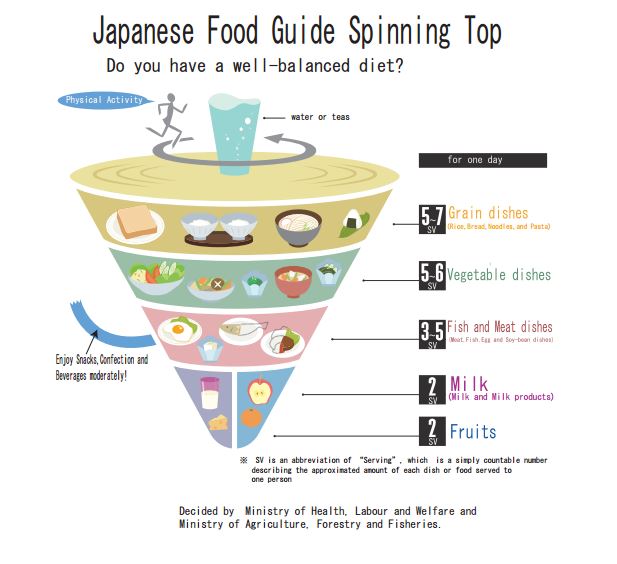
An integral part of this offensive must be to eliminate the toxic food environment. Look at the so-called Food Guide Pyramid, the familiar geometric symbol used to promote the recommendations by the U.S. Department of Agriculture and the Department of Health and Human Services. It is laden with dairy products, animal products, and oils, which are the essential building blocks for coronary artery disease. In addition, from a design standpoint, the choice of a pyramid is potentially confusing and misleading. Some viewers may be led to believe that the foods at the top (meats, sweets, and fatty foods) are the most helpful, when in fact they are the most harmful. To avoid such sources of confusion, we should eliminate geometric figures and promote 3 simple food categories: safe, condiments, and unsafe.

Safe: grains, legumes, lentils, vegetables, and fruits
Condiments: nuts and seeds
Unsafe: oils, dairy foods, meat, poultry, and fish (not regulated by inspection, and frequently contain unacceptable levels of PCB’s, dioxin, and mercury

In addition, we should recommend dietary supplementation with a daily multivitamin, and, for those over 50 years old, an additional 1,000-1,200 mg calcium and 600 to 800 IU of Vitamin D. These recommendations are in concert with those of the expert faculty from the First National Conference on the Elimination of Coronary Artery Disease.30

Why are the current recommendations so weak?

When dietary recommendations are issued with the stamp of approval of the U.S. government, the public should be able to trust that these recommendations accurately guide them to foods that are unlikely to cause disease and away from those that are known to cause harm. Thus, any group promoting dietary guidelines for the public should make its decisions based on science. However, the USDA has been subjected to intensive industry lobbying, which compromises its capacity to be fair and objective.34 At the least, neither the experts who testify before the committee nor the committee members themselves should have relationships, financial or otherwise, to the food industry. These same rules regarding conflict of interest should apply to scientists who lead or are members of the National Cholesterol Education Program and the Food and Nutrition Section of the American Heart Association.

As recently as October, 2000, the Physicians Committee for Responsible Medicine successfully litigated the USDA to ascertain the compensation sources of the US Dietary Guidelines Committee. Six of the eleven committee members, including the chairman, had relationships to the meat, dairy, or egg industry. 36 Such conflict insures a perception that the American public and school children will not receive an unbiased recommendation of what constitutes the healthiest food choices. The USDA, by definition, a protector of the agriculture industry should disqualify itself from this responsibility, which more correctly may belong in the Centers for Disease Control.

SUMMARY

The present device-driven, risk factor-identification, rear-guard strategy diagnoses disease after the fact and offers no promise of preventing disease or controlling its progression. We are fortunate to possess the knowledge of how to prevent, arrest, and selectively reverse this disease. However, we are not fortunate in the capacity of our institutions to share this information with the public. The collective conscience and will of our profession is being tested as never before. Ties to industry and politics result in conflict within our private and governmental health institutions, compromising the accuracy of their public message. This is in total violation of the moral imperative of our profession. The time is now for us to have the courage for legendary work. Science and not the messenger must dictate the recommendations.

McDonald’s tells staff not to eat fast food! What?

Not lovin’ it: McDonald’s SHUTS DOWN own website after being caught telling staff not to eat fast food

  • The same website that told employees to apply for food stamps, pawn their things and find second jobs as at it again this week, telling staff not to eat deep-fried food and choose ‘healthier options
  • McResource Line has now been listed as ‘temporarily unavailable for upgrades’
  • Embarrassingly, McDonald’s admitted the take-down was due to the site containing ‘outdated information’ that ‘created unwarranted scrutiny’

By RYAN GORMAN

An embarrassing situation for McDonald’s has now escalated as the fast food giant temporarily shut down their now-infamous staff-only website, McResource Line, on Wednesday after it was revealed the chain had been lecturing employees not to eat take out.

The same site hit headlines earlier this year for urging employees to sell their things and get second jobs to make ends meet.

A graphic on the homepage read: ‘Fast foods are quick, reasonably priced, and readily available alternatives to home cooking. While convenient and economical for a busy lifestyle, fast foods are typically high in calories, fat, saturated fat, sugar, and salt and may put people at risk for becoming overweight.’

Good idea, bad idea: McDonald's didn't think its employees should eat the food they serve, as seen in this graph from their staff website McResource Line, which was pulled down this week

Good idea, bad idea: McDonald’s didn’t think its employees should eat the food they serve, as seen in this graph from their staff website McResource Line, which was pulled down this week

‘We are temporarily performing some maintenance in order to provide you with the best experience possible. Please excuse us while these upgrades are being made,’ it said.

McDonald’s confirmed the site had been taken down, CNN reported.

‘A combination of factors has led us to re-evaluate and we’ve directed the vendor to take down the website,’ they said in a statement.

‘Between links to irrelevant or outdated information, along with outside groups taking elements out of context, this created unwarranted scrutiny and inappropriate commentary.

‘None of this helps our McDonald’s team members.’

The anti-fast food advice was given with graphics depicting the ‘unhealthy choice’ and the ‘healthier choice.’

Despite featuring a vast array of deep fried delicacies, the Golden Arches reminded employees that ‘avoiding items that are deep fried are your best bet.’

Solid advice: Don't eat at McDonald's. The fast food chain were forced to admit the embarrassing and 'outdated' information on their site has lead to a temporarily shutdown for 'upgrades'

Solid advice: Don’t eat at McDonald’s. The fast food chain were forced to admit the embarrassing and ‘outdated’ information on their site has lead to a temporarily shutdown for ‘upgrades’

The sensible advice also told McWorkers to ‘limit the extras such as cheese, bacon and mayonnaise.’

Such tasty add-ons are staples of many menu items they serve on a daily basis.

A hamburger, fries and soda were warned against, because ‘eating a diet high in fat puts people at rick for becoming overweight.’

Many locations offer steep food discounts and short breaks to employees, virtually forcing them to eat the unhealthy food, often forcing the hand of workers without the time or means to eat elsewhere.

‘It is hard to eat a healthy diet when you eat at fast-food restaurants often,’ the advice continued.

‘Many foods are cooked with a lot of fat, even if they are not trans fats. Many fast-food restaurants do not offer any lower-fat foods.’

The world’s largest fast food chain wants employees to eat elsewhere.

‘Eat at places that offer a variety of salads, soups, and vegetables,’ the site says.

This advice comes after a series of tips telling employees find second jobs, apply for food stamps and sell their things to weather a financial crisis.

The site also gave advice on how to tip au pairs, doormen, personal trainers and pool boys.

Before shutting down the site, a McDonald’s spokesperson said the messages had been ‘taken entirely out of context.’


Read more: http://www.dailymail.co.uk/news/article-2529302/McDonalds-shuts-website-telling-staff-not-eat-food.html#ixzz30qUPhe7I
Follow us: @MailOnline on Twitter | DailyMail on Facebook

FDA Finally Admits Chicken Meat Contains Cancer-Causing Arsenic

By Global Research News

Region: 
US Pushing Drugged, Vaccinated, Chlorinated Chickens on the World

After years of sweeping the issue under the rug and hoping no one would notice, the FDA has now finally admitted that chicken meat sold in the USA contains arsenic, a cancer-causing toxic chemical that’s fatal in high doses.

But the real story is where this arsenic comes from: It’s added to the chicken feed on purpose!

Photo: World Truth TVEven worse, the FDA says its own research shows that the arsenic added to the chicken feed ends up in the chicken meat where it is consumed by humans. So for the last sixty years, American  consumers  who eat conventional chicken  have been swallowing arsenic, a known cancer-causing chemical. (http://www.phillyburbs.com/news/loc…)

Until this new study, both the  poultry industry  and the FDA denied that arsenic fed to  chickensended up in their  meat.  The fairy-tale excuse story we’ve all been fed for sixty years is that “the arsenic is excreted in the chicken feces.” There’s no scientific basis for making such a claim… it’s just what the poultry industry wanted everybody to believe.

But now the evidence is so undeniable that the manufacturer of the chicken feed product known as Roxarsone has decided to pull the product off the shelves (http://www.grist.org/food-safety/20…). And what’s the name of this manufacturer that has been putting arsenic in the chicken feed for all these years? Pfizer, of course — the very same company that makes vaccines containing chemical adjuvants that are injected into children.

Technically, the company making the Roxarsone chicken feed is a subsidiary of Pfizer, called Alpharma  LLC. Even though Alpharma now has agreed to pull this toxic  feed chemical off the shelves in the United States, it says it won’t necessarily remove it from feed  products  in other countries unless it is forced by regulators to do so. As reported by AP:

Scott Brown of Pfizer Animal Health’s Veterinary Medicine Research and Development division said the company also sells the ingredient in about a dozen other countries. He said Pfizer is reaching out to regulatory authorities in those countries and will decide whether to sell it on an individual basis.” (http://www.usatoday.com/money/indus…)

But even as its arsenic-containing product is pulled off the shelves, the FDA  continues its campaign of denial, claiming arsenic in chickens is at such a low level that it’s still safe to eat. This is even as the FDA says arsenic is a carcinogen, meaning it increases the risk of  cancer.

The National Chicken Councilagrees with the FDA. In a statement issued in response to the news that Roxarsone would be pulled from feed store shelves, it stated, “Chicken is safe to eat” even while admitting arsenic was used in many flocks grown and sold as chicken meat  in the United States.

What’s astonishing about all this is that the FDA tells consumers it’s safe to eat cancer-causing arsenic but it’s dangerous to drink  elderberry   juice! The FDA recently conducted an armed raid in an elderberry juice  manufacturer, accusing it of the “crime” of selling “unapproved drugs.” (http://www.naturalnews.com/032631_e…) Which  drugs  would those be? The elderberry juice, explains the FDA. You see, the elderberry juice magically becomes a “drugs” if you tell people how it can help support good health.

The FDA has also gone after dozens of other  companies  for selling natural herbal products or nutritional products that enhance and support  health. Plus, it’s waging a war on raw milk which it says is dangerous. So now in America, we have a food and drug regulatory agency that says it’s okay to eat arsenic, but dangerous to drink elderberry juice or raw milk.

Eat more poison, in other words, but don’t consume any healing foods. That’s the FDA, killing off Americans one meal at a time while protecting the profits of the very companies that are poisoning us with their deadly ingredients.

Oh, by the way, here’s another sweet little disturbing fact you probably didn’t know about hamburgers and conventional beef  : Chicken litter containing arsenic is fed to cows in factory beef operations.  So the arsenic that’s pooped out by the chickens gets consumed and concentrated in the tissues of cows, which is then ground into hamburger  to be consumed by the clueless masses who don’t even know they’re  eating  second-hand chicken crap.