Eye and Vision Benefits

Lutein and Zeaxanthin:

Good nutrition is important to keep your eyes healthy and functioning their best throughout your lifetime. Two very important eye nutrients that may reduce your risk for macular degeneration andcataracts have names you may not be familiar with: lutein (LOO-teen) and zeaxanthin (zee-ah-ZAN-thin).

Lutein and zeaxanthin are two types of carotenoids (kuh-RAH-teh-noids), which are yellow to red pigments found widely in vegetables and other plants. Though lutein is considered a yellow pigment, in high concentrations it appears orange-red.

In nature, lutein and zeaxanthin appear to absorb excess light energy to prevent damage to plants from too much sunlight, especially from high-energy light rays called blue light.

Cooked spinach is one of the best natural food sources of lutein and zeaxanthin.

In addition to being found in many green leafy plants and colorful fruits and vegetables, lutein and zeaxanthin are found in high concentrations in the macula of the human eye, giving the macula its yellowish color. In fact, the macula also is called the “macula lutea” (from the Latin macula, meaning “spot,” andlutea, meaning “yellow”).

Recent research has discovered a third carotenoid in the macula. Called meso-zeaxanthin, this pigment is not found in food sources and appears to be created in the retina from ingested lutein.

Lutein and zeaxanthin appear to have important antioxidant functions in the body. Along with other natural antioxidants, including vitamin C, beta carotene and vitamin E, these important pigments guard the body from damaging effects of free radicals, which are unstable molecules that can destroy cells and play a role in many diseases.

In addition to important eye and vision benefits, lutein may help protect against atherosclerosis (buildup of fatty deposits in arteries), the disease that leads to most heart attacks.

Eye Benefits of Lutein and Zeaxanthin

It is believed that lutein, zeaxanthin and meso-zeaxanthin in the macula block blue light from reaching the underlying structures in the retina, thereby reducing the risk of light-induced oxidative damage that could lead to macular degeneration (AMD)March 2014 — Nutritional supplements containing lutein and zeaxanthin, lipoic acid, and omega-3 fatty acids are effective in preventing the development of retinopathy among diabetic rats, according to a new study.

Researchers at the Kresge Eye Institute in Detroit investigated the effect of carotenoid-containing supplements on retinal oxidative stress and inflammation and the development of diabetic retinopathy. Diabetes was induced and confirmed in all rats in the study, and then some rats were given a diet that included the nutritional supplements while others were given the same food but without the supplements. After 11 months, the retinas of the rats were evaluated for changes in blood vessels, cellular damage and other retinal changes characteristic of diabetic retinopathy.

In rats that had not received the nutritional supplements, diabetes-induced damage to retinal blood vessels was three to four times greater than among rats who had received the added nutrients.

The study authors concluded that the nutritional supplements used in this study prevented diabetic retinopathy and preserved normal retinal functioning. They also said that, though human testing is required to confirm, these supplements “could represent an achievable and inexpensive adjunct therapy” to inhibit diabetic retinopathy in people with diabetes.

A full report of the study was published online in January by Nutrition & Metabolism.

A number of studies have found that lutein and zeaxanthin either help prevent AMD or may slow progression of the disease:

  • Research published in Nutrition & Metabolismfound that a nutritional supplement containing meso-zeaxanthin, lutein and zeaxanthin effectively increased the optical density of the macular pigment in eyes of the majority of human subjects. The macular pigment is believed to offer protection against the development of macular degeneration.
  • Studies published in American Journal of Epidemiology, Ophthalmology and Archives of Ophthalmology found higher levels of lutein and zeaxanthin in the diet are associated with a lower incidence of AMD.
  • Two studies published in Investigative Ophthalmology and Visual Science found that eyes with greater levels of macular pigments were less likely to have or develop macular degeneration.
  • In research published in Archives of Biochemistry and Biophysics, the study authors conclude that lutein, zeaxanthin and meso-zeaxanthin filter short-wavelength light and prevent or reduce the generation of free radicals in the retinal pigment epithelium and choroid. They also suggest that a mixture of these carotenoids is more effective than any one of the individual carotenoids at the same total concentration.
  • In a study published in the journal Optometry, participants with early AMD who consumed 8 mg per day of dietary zeaxanthin for one year improved their night driving and their visual acuity improved an average of 1.5 lines on an eye chart.

In May 2013, the much-anticipated results of the second large-scale Age-Related Eye Disease Study (AREDS2) sponsored by the National Eye Institute were published.

AREDS2 was a follow-up to the original 5-year AREDS study published in 2001, which found use of a daily antioxidant supplement containing beta-carotene, vitamin C, vitamin E, zinc and copper reduced the risk of progressive AMD by 25 percent among participants with early and intermediate macular degeneration.

The goal of AREDS2 was to evaluate the effect of other nutrients — including lutein and zeaxanthin — on the prevention of AMD and other age-related eye diseases. AREDS2 also investigated the effect of removing beta-carotene from the AREDS supplement, since supplementation of this vitamin A precursor has been associated with increased risk of certain cancers among smokers and previous smokers.

The AREDS2 results revealed study participants with early signs of macular degeneration who took a modification of the original AREDS nutritional supplement that contained 10 mg lutein and 2 mg zeaxanthin (and no beta-carotene) every day for the 5-year study period had a 10 to 25 percent reduced risk of AMD progression. Study participants whose diets contained the lowest amounts of foods containing natural lutein and zeaxanthin experienced the greatest AMD risk reduction from taking the daily nutritional supplement.

While AREDS2 and other studies provide evidence that lutein and zeaxanthin may play a role in preventing macular degeneration (or at least reducing the risk of progression of AMD), it’s less clear if these carotenoids help prevent cataracts.

Research published in Archives of Ophthalmology suggests women whose diets include high amounts of healthful foods containing lutein, zeaxanthin and other carotenoids have a lower risk of cataracts than women whose diets contain lower amounts of these nutrients.

In AREDS2, however, supplemental lutein and zeaxanthin had no effect on cataract risk or progression.

Foods Containing Lutein and Zeaxanthin

The best natural food sources of lutein and zeaxanthin are green leafy vegetables and other green or yellow vegetables. Among these, cooked kale and cooked spinach top the list, according to the U.S. Department of Agriculture (USDA).

Non-vegetarian sources of lutein and zeaxanthin include egg yolks. But if you have high cholesterol, you’re much better off getting most of these yellow nutrients from fruits and vegetables.

LUTEIN AND ZEAXANTHIN FOODS
Food Serving mg
Kale (cooked) 1 cup 23.7
Spinach (cooked) 1 cup 20.4
Collards (cooked) 1 cup 14.6
Turnip greens (cooked) 1 cup 12.2
Spinach (raw) 1 cup 3.7
Green Peas (canned) 1 cup 2.2
Corn (canned) 1 cup 2.2
Broccoli (cooked) 1 cup 1.7
Romaine lettuce (raw) 1 cup 1.3
Carrots (cooked) 1 cup 1.1
Green beans (cooked) 1 cup 0.8
Eggs 2 (large) 0.3
Source: USDA National Nutrient Database for Standard Reference, Release 22 (2009)

Lutein and Zeaxanthin Supplements

Because of the apparent eye and cardiovascular benefits of lutein and zeaxanthin, many nutritional companies have added these carotenoids to their multiple vitamin formulas. Others have introduced special eye vitamins that are predominantly lutein and zeaxanthin supplements.

There currently is no Recommended Dietary Allowance (RDA) or Recommended Daily Intake (RDI) for lutein or zeaxanthin, but some experts say you should ingest at least 6 milligrams (mg) of lutein per day for beneficial effects.

It remains unclear how much lutein and zeaxanthin is needed daily for adequate eye and vision protection. Also, it is unknown at this time whether supplements have the same effect as lutein and zeaxanthin obtained through food sources.

There are no known toxic side effects of taking too much lutein or zeaxanthin. In some cases, people who eat large amounts of carrots or yellow and green citrus fruits can develop a harmless yellowing of the skin called carotenemia. Though the appearance of the condition can be somewhat alarming and may be confused with jaundice, the yellow discoloration disappears by cutting back on consumption of these carotenoid-rich foods. (Carotenemia also can be associated with over-consumption of carotenoid-rich nutritional supplements.)

EYE NUTRIENT AWARENESS

Do You Know Which Nutrients Are Good for Your Eyes?

In a 2011 survey of Americans aged 45-65, more than half the respondents said they take nutritional supplements to protect joints, bones or heart health. But fewer than a fifth said they take eye health supplements.

In addition, 66 percent were unaware of the key role that lutein plays in eye health.

For more results of the Bausch + Lomb-sponsored survey, click here for a brief slide show.

Popular lutein and zeaxanthin supplements include:

  • EyePromise Zeaxanthin (Zeavision)
  • ICaps Eye Vitamin Lutein & Zeaxanthin Formula (Alcon)
  • Macula Complete (Biosyntrx)
  • MacularProtect Complete (ScienceBased Health)
  • MaxiVision Ocular Formula (MedOp)
  • OcuGuard Plus (TwinLab)
  • PreserVision (Bausch + Lomb)

The source of lutein in many lutein supplements is marigold flowers, while for zeaxanthin it is often red peppers. If you choose a lutein and zeaxanthin supplement, make sure it’s a high quality product from a reputable dietary supplement company.

Remember that taking dietary supplements does not replace a healthy diet. Eating a well-balanced diet that includes plenty of fruits and vegetables usually is the best way to get the important eye nutrients you need.

Also, remember that individuals sometimes react differently to certain supplements, which can have unintended effects such as adverse reactions with medications. Consult with your physician or eye doctor before trying any vision supplements.

The 6 Cancer-Fighting Superfoods You Should Eat Every Day

SAVE 

The average American eats about 1,100 meals every year. Unfortunately, much of what they eat is drawn from the Standard American Diet (SAD): foods that are high in animal products, saturated fats, and refined carbohydrates. This kind of diet is destructive and dangerous, increasing your risk of cancer, leading to weight gain, and contributing to high blood pressure and cardiovascular disease. In short, this nutritionally deficient diet is — pardon the pun — a recipe for disaster.

But people don’t need to die from diseases brought on by poor eating habits. For this reason, I developed the nutrient-dense, plant-rich Nutritarian eating style, which harnesses the power of superior nutrition to prevent diseases such as cancer, and prevent and even reverse diabetes and cardiovascular disease.

One of the key components of the Nutritarian diet is what I call the immune system’s “Anti-Cancer Special Forces” division: greens, beans, onions, mushrooms, berries, and seeds, which you can remember using the acronym “G-BOMBS.”

The G-BOMBS are foods that have incredible anti-cancer properties, and they should make up a significant portion of your daily diet. Let’s take a look at each component in the G-BOMBS lineup and examine its benefits to your overall health.

Photo Credit: Stocksy

G: Greens

Raw, leafy greens are the most nutrient-dense of all foods. They contain substances that protect blood vessels, and are associated with reduced risk of diabetes. Several leafy greens and other green vegetables belong to thecruciferous family of veggies, which contain compounds with potent anti-cancer properties.

About half of the calories in green vegetables, including leafy greens, come from protein, and this plant protein is packaged with beneficial phytochemicals: folate, calcium, and small amounts of omega-3 fatty acids.

B: Beans

Beans and other legumes are the most nutrient-dense carbohydrate source. They act as an anti-diabetes and weight-loss food because they are digested slowly, having a stabilizing effect on blood sugar, which promotes satiety and helps to prevent food cravings.

They are rich in soluble fiber, which lowers cholesterol levels, as well as high levels of resistant starch, which are not broken down by digestive enzymes. Fiber and resistant starch not only reduce the total number of calories absorbed from beans but are also fermented by intestinal bacteria into fatty acids that help to prevent colon cancer.

O: Onions

Onions, along with leeks, garlic, chives, shallots, and scallions, make up the allium family of vegetables, which play a powerful role in fighting cancer, as well as being anti-diabetic and having beneficial effects on the cardiovascular and immune systems.

Allium vegetables are known for their characteristic organosulfur compounds, which are released when onions are chopped, crushed, or chewed. Studies have found that increased consumption of allium vegetables isassociated with lower risk of gastric and prostate cancers because they contain compounds that detoxify carcinogens, halt cancer cell growth, and block angiogenesis.

M: Mushrooms

White, cremini, Portobello, oyster, shiitake, maitake, and reishi mushrooms all have anti-cancer properties. Some are anti-inflammatory; others stimulate the immune system, prevent DNA damage, slow cancer cell growth, cause programmed cancer cell death, and inhibit angiogenesis.Mushrooms contain aromatase inhibitors, which can limit the production of estrogen and protect breast tissue from excess estrogen stimulation. There are other anti-cancer compounds in mushrooms that collectively account for their powerful effects against breast cancer.

Note that mushrooms should always be cooked before you eat them: they contain small amounts of a mild toxin called agaritine, which is greatly reduced in the cooking process.

B: Berries

Blueberries, strawberries, and blackberries are true super foods. Berries are low in sugar and high in nutrients, and their vibrant colors mean that they are full of antioxidants, including flavonoids and antioxidant vitamins.

These antioxidants provide cardio-protective and anti-cancer effects, and stimulate the body’s own antioxidant enzymes. Berry consumption has been linked to reduced risk of diabetes, cancers, and cognitive decline, and have been shown to improve both motor coordination and memory.

S: Seeds And Nuts

Seeds and nuts contain healthy fats and are rich in a spectrum of micronutrients including phytosterols, minerals, and antioxidants. Countless studies have demonstrated the cardiovascular benefits of nuts, and including nuts in the diet aids in weight maintenance and diabetes prevention.

Seeds are similar to nuts when it comes to healthy fats, minerals, and antioxidants, but seeds are also abundant in trace minerals and are higher in protein than nuts. Flax, chia, and hemp seeds are extremely rich sources of omega-3 fats, and flax, chia, and sesame seeds are rich in lignans, which have strong anti-cancer effects.

One study on flax that followed a group of women with breast cancer for 10 years found a 71 percent reduced risk of breast-cancer-related deaths in the group that consumed the most lignans. The healthy fats in seeds and nuts also aid in the absorption of nutrients when eaten with vegetables.

Sweet Potato Proteins vs. Cancer

on November 19th, 2015

Anti Cancer Potential of Sweet Potato Proteins

Sweet potatoes can be considered a superfood. They are one of the healthiest and cheapest vegetables on the planet. (And one day, perhaps, even off the planet, as NASA haschosen the sweet potato for space missions.) A study out of the University of Washington aimed to identify which vegetables provided the most nutrients per dollar. In my video,Anti-Cancer Potential of Sweet Potato Proteins, you can see a graph of affordability versus nutrition for different foods. The healthiest foods, like dark green leafy vegetables, may also be the cheapest, and the highest nutrient-rich food scores per dollar were obtained for sweet potatoes.

Sweet potatoes are not just packed with nutrition but may also have special cancer-fighting properties. In 1931, a unique protein was discovered in sweet potatoes. It turns out that 80% of the protein in sweet potatoes is a type of protease inhibitor with potential anticancer effects. These proteins were originally tested against leukemia and appeared to suppress the growth of leukemia cells in a petri dish.

But how would a sweet potato protein ever get into our bloodstream? As soon as most proteins hit our stomach, they start getting digested. To get around the digestion issue, researchers tried sweet potato protein against tongue cancer cells (sweet potato proteins certainly come in contact with our mouth!). Tongue cancer is often treated with chemotherapy, and most of the chemo drugs for tongue cancer have adverse effects; so, it is indispensable for us to find other therapeutic strategies. Sweet potato protein rapidly diminished viability of the cancer in vitro within a matter of days, leading the researchers to propose that sweet potatoes may be useful for human tongue cancer. But could they possibly help with other cancers as well?

Remarkably, this special class of proteins doesn’t just survive digestion, but may also be absorbed into the bloodstream intact (in at least two of the nine women with advanced cervical cancer researchers tried giving them to).

Most recently, sweet potato proteins were tried on colorectal cancer cells, one of our most common and deadly cancers. Normally, we just surgically remove the colon, but that only works in the early stages since there are often “micrometastases” outside the colon that can subsequently lead to cancer recurrence and death; so, we’ve been searching for anti-metastatic agents. Not only does sweet potato protein slow down the growth of colon cancer cells, but it may also decrease cancer cell migration and invasion.

Sweet potato consumption has also been associated with lower gallbladder cancer rates, but it has never been directly put to the test, but what’s the downside?

Sweet potatoes are one of my favorite snacks. During the harsh Boston winters during my medical training, I used to put two freshly microwaved sweet potatoes in my coat pockets as natural hand-warmers. When they cooled down, my hand-warmers became instant healthy snacks!

More videos on getting the most nutrition for one’s dollar:

What other vegetables might contain cancer fighting properties? See #1 AntiCancer Vegetable.

Are sweet potatoes best steamed? Should we eat the skin? Find out in my video: Best Way to Cook Sweet Potatoes.

-Michael Greger, M.D.

PS: If you haven’t yet, you can subscribe to my free videos here and watch my live year-in-review presentations Uprooting the Leading Causes of DeathMore Than an Apple a DayFrom Table to Able, and Food as Medicine.

Image Credit: thebittenword.com / Flickr

Red Meats Linked to Cancer, Global Health Group Says

meat

WHO agency’s study deems processed meats like bacon as carcinogenic

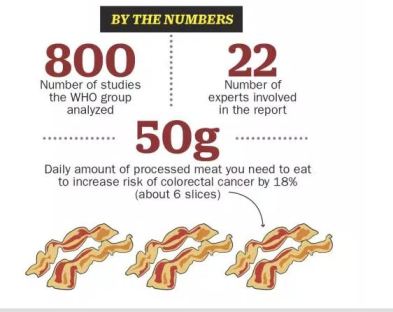
Red and processed meats have the potential to cause cancer in humans, according to a report by a World Health Organization agency that is drawing ire from meat industry groups that argue the science is inadequate.

The determination, published by a panel of researchers for the International Agency for Research on Cancer in a medical journalMonday, classifies processed meat products like salami and bacon carcinogenic to humans, the strongest level of risk for cancer, and a category shared with tobacco smoke and diesel engine exhaust.

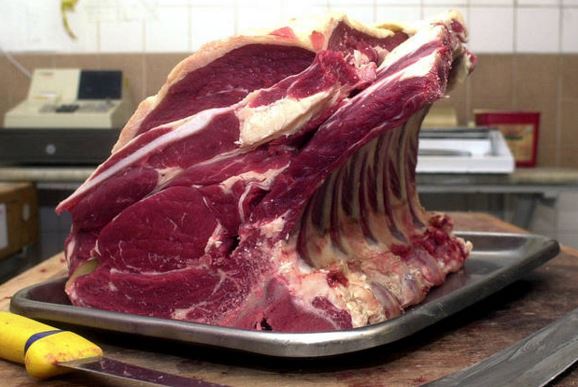
Fresh meats like steaks and roasts are considered probably cancer-causing, a level of risk shared with the widely used herbicide glyphosate.

Pomegranates have an anti-aging effect and are good for our neurons

ripe juicy pomegranates, food

Source: AFP RelaxnewsSource:
AFP Relaxnews

To enjoy the health benefits of pomegranates, it’s better to use the fresh fruit.— AFP pic


EATING pomegranates regularly could provide protection from neurological disorders such as Alzheimer’s disease, according to an American study published in the journal ACS Chemical Neuroscience.

Pomegranates have been proven scientifically to have anti-inflammatory, antioxidant and anti-cancer effects. They are also thought to have an anti-aging effect that can protect our neurons.

The latest study from the American Chemical Society has revealed that this Asian fruit with small translucent red seeds could play an important role in the prevention and treatment of Alzheimer’s disease. The researchers highlighted the anti-inflammatory and neuroprotective action of compounds called urolithins.

These protective agents are produced when ellagitannins (a type of polyphenol that is present in pomegranates) are metabolized by intestinal bacteria. Polyphenols are powerful antioxidants which are found in a large number of fruit and vegetables.

The researchers observed in vitro that these urolithins lowered the levels of the ß-amyloid protein which is responsible for the formation of toxic clumps between neurons that is associated with Alzheimer’s disease.

The team of chemists sought to understand how the pomegranate compounds were able to cross the blood-brain barrier, which protects the brain, and prevent the formation of these harmful proteins.

The team isolated and identified 21 compounds — most of which were polyphenols — from pomegranate extract. These polyphenols could not cross the blood-brain barrier, but some of their metabolites, the urolithins, were able to.

The beneficial role played by urolithins has been demonstrated in previous research, notably in the prevention of certain cancers (of the colon, breast and prostate) and in lowering cholesterol (triglyceride levels in the blood).

To enjoy the health benefits of the pomegranate, it’s better to use the fresh fruit.

You can extract the juice by gently squeezing the whole fruit, piercing a hole in the skin and inserting a straw. You can also press it like an orange or a lemon (the fruit pips contain the juice).

Pomegranate juice is commercially available, but it should be 100% fruit, without any added sugar

Red Meats Linked to Cancer, Global Health Group Says

meat

WHO agency’s study deems processed meats like bacon as carcinogenic

Red and processed meats have the potential to cause cancer in humans, according to a report by a World Health Organization agency that is drawing ire from meat industry groups that argue the science is inadequate.

The determination, published by a panel of researchers for the International Agency for Research on Cancer in a medical journal Monday, classifies processed meat products like salami and bacon carcinogenic to humans, the strongest level of risk for cancer, and a category shared with tobacco smoke and diesel engine exhaust.

Fresh meats like steaks and roasts are considered probably cancer-causing, a level of risk shared with the widely used herbicide glyphosate.

The IARC, considered an authority in evaluating evidence on cancer causation cited studies that conclude there is strong evidence to support a link between eating too much meat and the onset of colorectal cancer, the third-most common type world-wide.

“On the basis of the large amount of data and the consistent associations of colorectal cancer with consumption of processed meat across studies in different populations, which make chance, bias, and confounding unlikely as explanations, a majority of the Working Group concluded that there is sufficient evidence in human beings for the carcinogenicity of the consumption of processed meat,” according to the report, which appears in the Lancet Oncology.

The processed meat classification was based on evidence linking consumption with colorectal and stomach cancer, while the red meat classification took into account the positive associations with colorectal, pancreatic and prostate cancer, said the authors in the report.

Advertisement

The IARC report confirms the previous recommendations of expert committees. The World Cancer Research Fund in 2011 concluded that there is strong evidence that both red and processed meat increases the risk of colorectal cancer, advising that humans eat no more than 500 grams a week of meats like beef, pork and lamb, and that they limit consumption of products like ham and salami as much as possible.

“The link to cancer is supported by increasingly compelling research,” wrote MarionNestle, a professor of nutrition, food studies and public health at New York University who wasn’t involved in the IARC report, in an email. “There seem to be many reasons to eat less beef, climate change among them, but cancer is a more personal worry.”

The results by the 22-person panel, which consisted of scientists from 10 nations, already have drawn criticism from meat and food industry groups that have braced for such decisions for years, in part by funding research on the benefits of eating meat.

The conclusions by the agency “defy both common sense and dozens of studies showing no correlation between meat and cancer and other studies showing the many health benefits of balanced diets that include meat,” said the North American Meat Institute, a Washington, D.C., group that represents and lobbies for meat and poultry producers likeTyson Foods Inc. and JBS USA, a division a Brazilian meatpacker JBS SA, in a statement issued Friday.

“It was clear sitting in the IARC meeting that many of the panelists were aiming for a specific result despite old, weak, inconsistent, self-reported intake data,” said Betsy Booren, NAMI Vice President of Scientific Affairs, in a statement. “They tortured the data to ensure a specific outcome.”

The meat industry has battled international and U.S. health authorities on the place of meat in a balanced diet for decades, most recently in the U.S. Department of Agriculture and Health and Human Service’s Dietary Guidelines for Americans, which serve as a benchmark for the agencies’ nutrition education and food-assistance programs.

Environmental, animal welfare and public health groups have long advised that consumers avoid meat for its effects on health and the environment, while meat companies have promoted the food staple’s positive attributes, including its protein, vitamin and iron content.

Shalene McNeill, director of human nutrition at the National Cattlemen’s Beef Association, served as an observer at the researchers’ meeting in Lyon, France in October.

“The bulk of evidence really hinged around observational studies” said Dr. McNeil, which she argues had a “limited ability to disentangle the other factors that could be contributing to an outcome” including exercise, smoking or other components of a subject’s lifestyle.

“Cancer is a serious disease that we don’t want to take lightly, but correlation is not causation,” said Dr. McNeill, explaining that the association between eating meat and cancer could be attributed to those other factors. The nutritionist pointed to recent research, in part funded by the beef industry, that has concluded the evidence supporting an association between meat and cancer is weakening.

Dr. McNeill also said there could be “unintended consequences” of people cutting meat out of their diet.

“When people cut back on a food they don’t necessarily replace it with broccoli,” she said.

Susan Gapstur, vice president of epidemiology for the American Cancer Society says the Atlanta-based group also recommends Americans limit intake of those meats, based on the link to colorectal cancer, noting that evidence on association with other types of cancer is more limited.

The risk assessment “simply cannot be applied to people’s health because it considers just one piece of the health puzzle: theoretical hazards,” said the Meat Institute’s president Barry Carpenter, adding that “risks and benefits must be considered together.”

“There is no group that could convince the meat industry that the science is definitive on the link to cancer, because the playbook of every industry under attack is to instill doubt in the evidence,” said Bonnie Liebman, director of nutrition at the Washington, D.C., Center for Science in the Public Interest, which advises consumers to minimize meat consumption.

Health Concerns about Dairy Products

PCRM

Many Americans, including some vegetarians, still consume substantial amounts of dairy products—and government policies still promote them—despite scientific evidence that questions their health benefits and indicates their potential health risks.

Bone Health

Calcium is an important mineral that helps to keep bones strong. Our bones are constantly remodeling, meaning the body takes small amounts of calcium from the bones and replaces it with new calcium. Therefore, it is essential to have enough calcium so that the body doesn’t decrease bone density in this remodeling process. Though calcium is necessary for ensuring bone health, the actual benefits of calcium intake do not exist after consumption passes a certain threshold. Consuming more than approximately 600 milligrams per day—easily achieved without dairy products or calcium supplements—does not improve bone integrity.1

dairy-products-and-health

Clinical research shows that dairy products have little or no benefit for bones. A 2005 review published in Pediatrics showed that milk consumption does not improve bone integrity in children.2 In a more recent study, researchers tracked the diets, physical activity, and stress fracture incidences of adolescent girls for seven years, and concluded that dairy products and calcium do not prevent stress fractures in adolescent girls.3 Similarly, the Harvard Nurses’ Health Study, which followed more than 72,000 women for 18 years, showed no protective effect of increased milk consumption on fracture risk.1

It is possible to decrease the risk of osteoporosis by reducing sodium intake in the diet,4,5 increasing intake of fruits and vegetables,5,6 and ensuring adequate calcium intake from plant foods such as kale, broccoli, and other leafy green vegetables and beans. You can also use calcium-fortified products such as breakfast cereals and juices. Soybeans and fortified orange juice are two examples of products which provide about the same amount of calcium per serving as milk or other dairy products.7

Exercise is one of the most effective ways to increase bone density and decrease the risk of osteoporosis,8,9 and its benefits have been observed in studies of both children and adults.8,10-11

Individuals often drink milk in order to obtain vitamin D in their diets, unaware that they can receive vitamin D through other sources. Without vitamin D, only 10-15 percent of dietary calcium is absorbed.12

The best natural source of vitamin D is sunlight. Five to 15 minutes of sun exposure to the arms and legs or the hands, face, and arms can be enough to meet the body’s requirements for vitamin D, depending on the individual’s skin tone.13 Darker skin requires longer exposure to the sun in order to obtain adequate levels of vitamin D. In colder climates during the winter months the sun may not be able to provide adequate vitamin D. During this time the diet must be able to provide vitamin D.

Few foods naturally contain vitamin D, and no dairy products naturally contain this vitamin. Therefore, fortified cereals, grains, bread, orange juice, and soy or rice milk exist as options for providing vitamin D through the diet.14Supplements are also available.

dairy-health-risks

Fat Content and Cardiovascular Disease

Dairy products—including cheese, ice cream, milk, butter, and yogurt—contribute significant amounts of cholesterol and saturated fat to the diet.15Diets high in fat and especially in saturated fat can increase the risk of heart disease and can cause other serious health problems.

A low-fat, plant-based diet that eliminates dairy products, in combination with exercise, smoking cessation, and stress management, can not only prevent heart disease, but may also reverse it.16,17

Dairy and Cancer

Consumption of dairy products has also been linked to higher risk for various cancers, especially to cancers of the reproductive system. Most significantly, dairy product consumption has been linked to increased risk for prostate18-20and breast cancers.21

The danger of dairy product consumption as it relates to prostate and breast cancers is most likely related to increases in insulin-like growth factor (IGF-1), which is found in cow’s milk.22 Consumption of milk and dairy products on a regular basis has been shown to increase circulating levels of IGF-1.23,24Perhaps the most convincing association between IGF-1 levels and cancer risk is seen in studies of prostate cancer. Case-control studies in diverse populations have shown a strong and consistent association between serum IGF-1 concentrations and prostate cancer risk.25 One study showed that men with the highest levels of IGF-1 had more than four times the risk of prostate cancer, compared with those who had the lowest levels.26 In the Physicians Health Study, tracking 21,660 participants for 28 years, researchers found an increased risk of prostate cancer for those who consumed ≥2.5 servings of dairy products per day as compared with those who consumed ≤0.5 servings a day.19 This study, which is supported by other findings,27,28 also shows that prostate cancer risk was elevated with increased consumption of low-fat milk, suggesting that too much dairy calcium, and not just the fat associated with dairy products, could be a potential threat to prostate health.

In addition to increased levels of IGF-1, estrogen metabolites are considered risk factors for cancers of the reproductive system, including cancers of the breasts, ovaries, and prostate. These metabolites can affect cellular proliferation such that cells grow rapidly and aberrantly,29 which can lead to cancer growth. Consumption of milk and dairy products contributes to the majority (60-70 percent) of estrogen intake in the human diet.

In a large study including 1,893 women from the Life After Cancer Epidemiology Study who had been diagnosed with early-stage invasive breast cancer, higher amounts of high-fat dairy product consumption were associated with higher mortality rates. As little as 0.5 servings a day increased risk significantly. This is probably due to the fact that estrogenic hormones reside primarily in fat, making the concern most pronounced for consumption of high-fat dairy products.

The consumption of dairy products may also contribute to development ofovarian cancer. The relation between dairy products and ovarian cancer may be caused by the breakdown of the milk sugar lactose into galactose, a sugar which may be toxic to ovarian cells.30 In a study conducted in Sweden, consumption of lactose and dairy products was positively linked to ovarian cancer.31 A similar study, the Iowa Women’s Health Study, found that women who consumed more than one glass of milk per day had a 73 percent greater chance of developing ovarian cancer than women who drank less than one glass per day.32

dairy-and-cancer

Lactose Intolerance

Lactose intolerance is common among many populations, affecting approximately 95 percent of Asian-Americans, 74 percent of Native Americans, 70 percent of African-Americans, 53 percent of Mexican-Americans, and 15 percent of Caucasians.33 Symptoms, which include gastrointestinal distress, diarrhea, and flatulence, occur because these individuals do not have the enzyme lactase to digest the milk sugar lactose. When digested, the breakdown products of lactose are two simple sugars: glucose and galactose. Nursing children have active enzymes that break down galactose, but as we age, many of us lose much of this capacity.34 Due to the common nature of this condition, and in order to avoid these uncomfortable side effects, milk consumption is not recommended.

Dairy Contaminants

Milk contains contaminants that range from hormones to pesticides. Milk naturally contains hormones and growth factors produced within a cow’s body. In addition, synthetic hormones such as recombinant bovine growth hormone are commonly used in cows to increase the production of milk.35 Once introduced into the human body, these hormones may affect normal hormonal function.

When treating cows for conditions such as mastitis, or inflammation, of the mammary glands, antibiotics are used, and traces of these antibiotics have occasionally been found in samples of milk and dairy products. This treatment is used frequently, because mastitis is a very common condition in cows, due to dairy product practices which have cows producing more milk than nature intended.

Pesticides, polychlorinated biphenyls (PCBs), and dioxins are other examples of contaminants found in milk. Dairy products contribute to one-fourth to one-half of the dietary intake of total dioxins.36 All of these toxins do not readily leave the body and can eventually build to harmful levels that may affect the immune, reproductive, and the central nervous systems. Moreover, PCBs and dioxins have also been linked to cancer.37

Other contaminants often introduced during processing of milk products include melamine, often found in plastics, which negatively affects the kidneys and urinary tract due to their high nitrogen content,38 and carcinogenic toxins including aflatoxins. These are additionally dangerous because they are not destroyed in pasteurization.39

Milk Proteins and Diabetes

Insulin-dependent (type 1 or childhood-onset) diabetes is linked to consumption of dairy products in infancy.40 A 2001 Finnish study of 3,000 infants with genetically increased risk for developing diabetes showed that early introduction of cow’s milk increased susceptibility to type 1 diabetes.41In addition, the American Academy of Pediatrics observed up to a 30 percent reduction in the incidence of type 1 diabetes in infants who avoid exposure to cow’s milk protein for at least the first three months of their lives.42

Health Concerns about Milk for Children and Infants

Milk proteins, milk sugar, fat, and saturated fat in dairy products pose health risks for children and encourage the development of obesity, diabetes, and heart disease. While low-fat milk is often recommended for decreasing obesity risk, a study published in the Archives of Disease in Childhood showed that children who drank 1 percent or skim milk, compared with those who drank full-fat milk, were not any less likely to be obese.43 Moreover, a current meta-analysis found no support for the argument that increasing dairy product intake will decrease body fat and weight over the long term (>1 year).44

For infants, the consumption of cow’s milk is not recommended. The American Academy of Pediatrics recommends that infants below 1 year of age not be given whole cow’s milk,45 as iron deficiency is more likely due to the low amount of iron found in cow’s milk as compared with human breast milk.46 Colic is an additional concern with milk consumption. Up to 28 percent of infants suffer from colic during the first month of life.47 Pediatricians learned long ago that cow’s milk was often the reason. We now know that breastfeeding mothers can have colicky babies if the mothers consume cow’s milk. The cow’s antibodies can pass through the mother’s bloodstream, into her breast milk, and to the baby.48,49

Additionally, food allergies appear to be common results of cow’s milk consumption, particularly in children.50,51 Cow’s milk consumption has also been linked to chronic constipation in children.52

Conclusions

Milk and dairy products are not necessary in the diet and can, in fact, be harmful to health. It is best to consume a healthful diet of grains, fruits, vegetables, legumes, and fortified foods including cereals and juices. These nutrient-dense foods can help you meet your calcium, potassium, riboflavin, and vitamin D requirements with ease—and without facing the health risks associated with dairy product consumption.

How is heart disease risk affected when saturated fat is replaced by other nutrients?

 Melted-Butter

SEP 29 2015

In the recent Harvard Gazette article “Butter’s benefits melt away,” researchers at Harvard T.H. Chan School of Public Health debunk the controversy surrounding saturated fat and heart health. In a new study appearing online in the Journal of the American College of Cardiology, senior author Frank Hu and colleagues found that people who replace saturated fat (primarily found in meats and dairy foods) with refined carbohydrates do not lower their risk of heart disease, whereas those who replace saturated fats with unsaturated fats or whole grains lower their heart disease risk.

“Our research does not exonerate saturated fat,” said Hu. “In terms of heart disease risk, saturated fat and refined carbohydrates appear to be similarly unhealthful.”

Butter is not back: Limiting saturated fat still best for heart health

Butter melting

For immediate release: September 28, 2015

Boston, MA ─ People who replace saturated fat (mainly found in meats and dairy foods) in their diets with refined carbohydrates do not lower their risk of heart disease, according to a new study led by researchers at Harvard T.H. Chan School of Public Health. On the other hand, those who replace saturated fats with unsaturated fats (found in vegetable oils and nuts) or whole grains lower their heart disease risk.

Many people fall back on carbs, especially refined carbs like white bread, when they reduce saturated fat in their diets, said senior author Frank Hu, professor of nutrition and epidemiology. This may in part explain findings from a controversial 2014 paper that called into question recommendations for limiting saturated fat for heart health, and led to headlines promoting the return of butter.

“Our research does not exonerate saturated fat,” said Hu. “In terms of heart disease risk, saturated fat and refined carbohydrates appear to be similarly unhealthful.”

The study appears online September 28, 2015 in the Journal of the American College of Cardiology.

This is the first prospective analysis to directly compare saturated fat with other types of fats and different types of carbohydrates in relation to heart disease risk.

Hu and colleagues looked at diet and health information from participants in two long-running observation studies, the Nurses’ Health Study (84,628 women) and the Health Professionals Follow-up Study (42,908 men), who were free of diabetes, cardiovascular disease, and cancer at baseline. Diet was assessed by food frequency questionnaires every four years. During follow-up, the researchers documented 7,667 cases of coronary heart disease (CHD).

They estimated that replacing 5% of energy intake from saturated fats with equivalent energy intake from either polyunsaturated fats, monounsaturated fats, or carbohydrates from whole grains was associated with 25%, 15%, and 9% lower risk of CHD, respectively. On the other hand, swapping 5% of saturated fat calories for the same amount of refined carbohydrates and sugars was not associated with CHD risk. These analyses took into account cardiovascular risk factors such as age, body mass index, smoking, and physical activity.

“Our findings suggest that the low-fat, high-carb trends of the 1980s and 1990s are not effective in reducing risk of CHD,” said Yanping Li, co-first author along with Adela Hruby, both researchers in the Department of Nutrition. “It means that individuals should not replace saturated fat with refined carbs or vice versa. Dietary recommendations to reduce saturated fats should specify their replacement with unsaturated fats or with healthy carbohydrates, such as whole grains,” said Li.

Other Harvard Chan School authors of the study included Sylvia Ley, Dong Wang, Stephanie Chiuve, Laura Sampson, Eric Rimm, and Walter Willett.

The study cohorts were supported by grants of UM1 CA186107, R01 HL034594, R01 HL35464, R01 HL60712 and UM1 CA167552 from the National Institutes of Health.

“Saturated fat as compared to unsaturated fats and sources of carbohydrates in relation to risk of coronary heart disease: A prospective cohort study,” Yanping Li, Adela Hruby, Adam M. Bernstein, Sylvia H. Ley, Dong D. Wang, Stephanie E. Chiuve, Laura Sampson, Kathryn M. Rexrode, Eric B. Rimm, Walter C. Willett, Frank B. Hu, Journal of the American College of Cardiology, online September 28, 2015, doi: 10.1016/j.jacc.2015.07.055

Visit the Harvard Chan School website for the latest newspress releases, and multimedia offerings.