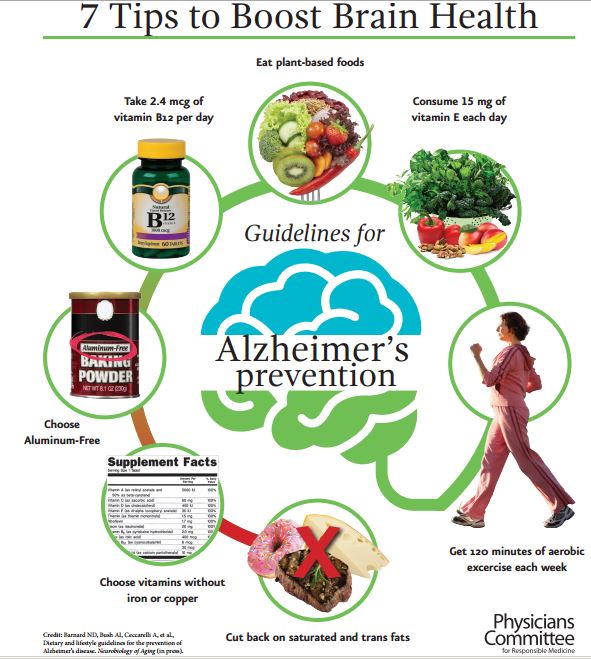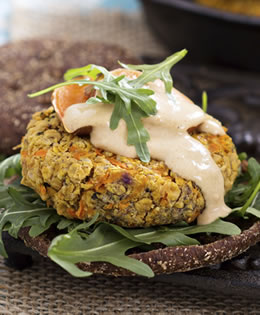
How Sweet is a Sweet Potato? Pretty Sweet!

Sweet potatoes are a super food that I have only recently come to appreciate. When preparing my lecture on heart disease epidemiology for ournew eCornell course, I found reports of several traditional cultures known for avoiding heart disease that subsist largely on this delicious tuber. In fact, a 1978 paper[1] cited a dietary survey finding that sweet potatoes supplied about 90% of total calorie intake in the traditional subsistence culture of the Papua New Guinea highlanders. 90%! Sinnett and Whyte write, “Indeed, non-tuberous vegetables accounted for less than 5% of the food consumed, while the intake of meat was negligible.” There was no evidence of malnutrition from this diet and no evidence for hypertensive heart disease.

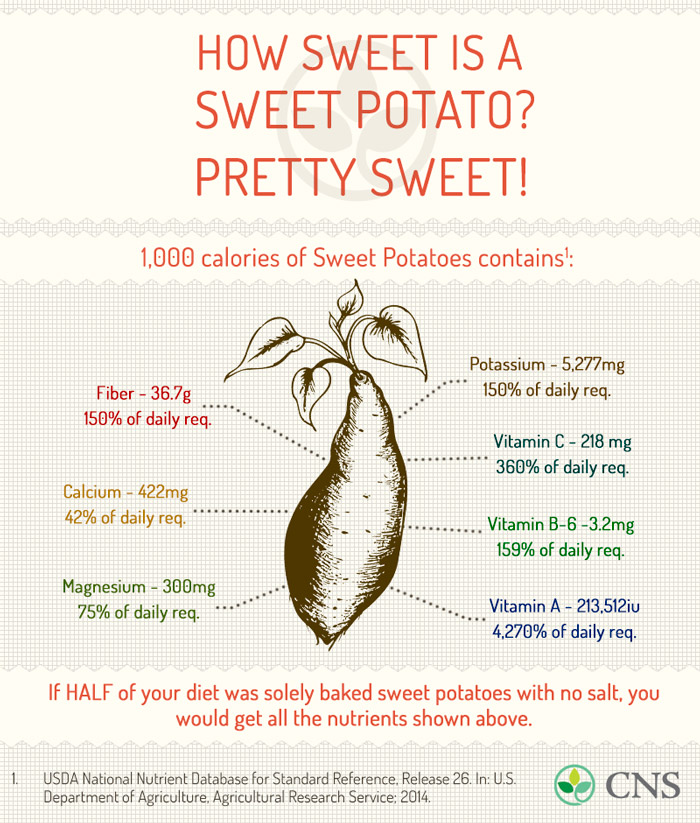
Here are some facts to chew on. If HALF of your diet was solely baked sweet potatoes with no salt, you would get all the nutrients in the table. To top it off: you get all this in a package with a lower glycemic index than white potatoes and many grains[2].

Nutrients in 1000 calories of sweet potatoes (about 10)[3]

Percentage of daily requirements (2000kcal diet)*

* Nutrient amounts calculated from USDA, reference 3, using the average daily requirements listed onhttp://www.dsld.nlm.nih.gov/dsld/dailyvalue.jsp

http://nutritiondata.self.com/facts/vegetables-and-vegetable-products/2667/2

References

  1. Sinnett P, Whyte M. Lifestyle, health and disease: a comparison between Papua New Guinea and Australia. Med J Aust 1978;1:1-5.
  2. Willcox DC, Willcox BJ, Todoriki H, Suzuki M. The Okinawan diet: health implications of a low-calorie, nutrient-dense, antioxidant-rich dietary pattern low in glycemic load. Journal of the American College of Nutrition 2009;28 Suppl:500S-16S.
  3. USDA National Nutrient Database for Standard Reference, Release 26. In: U.S. Department of Agriculture, Agricultural Research Service; 2014.
Thomas M. Campbell, MD is executive director of the T. Colin Campbell Center for Nutrition Studies and a practicing, board-certified family physician at the University of Rochester. He is co-author of The China Study and author of the upcoming book, The Campbell Plan: The Simple Way to Lose Weight and Reverse Illness, Using The China Study’s Whole-Food, Plant-Based Diet.

A Health Disaster in the Making

In 2002, the Food and Nutrition Board (FNB) of the National Academy of Sciences (NAS) released their most recent recommended nutrient intakes.

Since 1943, the FNB has been telling us how much of each nutrient to consume, in the form of the Recommended Daily Allowances (RDAs). This Board, and its companion Dietary Guidelines Committee of the United States Department of Agriculture (USDA) that translates the FNB recommendations into practical food guides, create what is generally known as national nutrition policy. The influence and responsibility of these two panels is omnipotent and awesome. Numerous government-supported programs use these recommendations, including the school lunch program, the Women, Infants and Children (WIC) program, and Medicare-reimbursed meals for hospitals and nursing homes.

Having been a member of several diet and health policy-making expert panels over a 20-year period, until 1997, I harbored the naïve view that these panels were dedicated to the promotion of consumer health. I no longer believe this.

This report makes clear that the food and health practices that have brought us so much illness in recent decades will remain intact, perhaps even made worse. Two of three Americans are overweight and ‘adult-onset’ diabetes is now attacking our children. The long-time high rates of various cancers and cardiovascular diseases remain mostly impervious to change. We’re paying increasing amounts of money – lot’s more – and getting less. An even faster food nation awaits us, to paraphrase Eric Schlosser’s book.

In this most recent FNB report, we see some brand new recommendations, especially for the macronutrients (protein, carbohydrates, fat) that supply our calories. Instead of recommending nutrient intakes that are based on single RDA numbers as in past reports, this new report allows for ranges of intake that are said to “meet the body’s daily nutritional needs while minimizing the risk for chronic disease”. The main conclusions are highlighted in the executive summary and news release. “Adults should consume 45 to 65 percent of their total calories from carbohydrates, 20 to 35 percent from fat [up to 40% for children], and 10 to 35 percent from protein.” The report also says that we can consume up to 25% of our energy from added sugars found in sweets, pastries and soft drinks. Expressing optimal nutrient intakes as ranges is certainly more informative and realistic than were the single-number RDAs of past reports. But defining and setting these boundaries must be based on a careful and complete review of the evidence.

Let’s consider the case for protein, which symbolizes our preferences for food more than any other single nutrient group. The lower limit of 10% dietary protein is equivalent to the RDA of previous reports, first published in 1943. Indeed, this quantity is already above the theoretical requirements of almost all people. Professor Henry Sherman of Columbia University was largely instrumental in establishing this recommendation, based on a 1920 summary of about 100 subjects. He suggested that about 8% of dietary calories was enough but offered that for those “whose temperaments lean toward a higher protein intake”, a range of 10-15% might be in order.

However, because we practically worship protein-rich foods, the vast majority of us have decided to ‘pig out’ within the range of 11-22% dietary protein, with most of this extra protein coming from animal based foods. But we do so at considerable health risk, partly due to the excess protein itself and partly due to the kinds of foods that mainly provide such a high protein intake. Only a very few of us consume diets as high as 22% protein, generally for ‘pumping iron’.

Now, we are to understand the astounding conclusion that consuming diets as high as 35% protein(!) lies within a range of “minimizing the risk for chronic disease”. The disease-promoting implications of this new recommendation are staggering. There is voluminous evidence showing that consuming diets ‘only’ as high as 20-22% protein increases the risk of many serious diseases. But the FNB committee says that we can go to an even higher level of 35%, without ill effect.

Increasing animal-based protein consumption up to dietary levels well below 35% associates with higher blood cholesterol levels and more atherosclerotic plaque (even more than saturated fat), greater risk of cancer (caused by multiple mechanisms), greater bone loss of calcium and higher risk of osteoporosis, greater risk of Alzheimer’s disease, and greater formation of kidney stones, to name just a few chronic diseases that the FNB committee mysteriously ignores or claims to remain unaffected by this high protein intake. These ignored findings are not the results of a few isolated experiments. In most cases, they represent a summary of multiple studies, some of which are even many decades old.

This report makes other macronutrient recommendations that are equally troublesome. It is said, for example, that we can safely consume up to 25% of our daily energy as added sugars, meaning candies, soft drinks, sweetened food products and pastries, some products of which are also loaded with added fat. The committee acknowledges that obesity has become a health problem of great concern but then disingenuously blames ‘high carbohydrate’ diets for the problem. Like certain popular diet book authors, they err in this view because they fail to distinguish between the health benefits of complex carbohydrates (e.g., whole grain products), which were previously recommended, and the health problems of refined sugars and starches (e.g., sweets, pastries and refined flour pastas), which were never recommended by previous reports.

The FNB report also lifts the lid on dietary fat. Previous reports recommended keeping dietary fat under 30% but this recent report now says that we can go up to 35%, even up to 40% for children.

Groups who use this report will be encouraged to consume the same diet of sugar and starch type carbohydrates and high fat and animal-based protein foods now making us fat and fertilizing the growth of our chronic diseases. Admittedly, past recommendations have not stemmed the rising tide of chronic degenerative diseases during the past few decades. But these recommendations, themselves, were lukewarm, partly because of a perception of insufficient evidence and partly because of a timidity of confronting a growing food industry offering up a buffet of protein-rich, fat-rich, processed foods. We now have overwhelming evidence to show that a plant-based diet of whole foods, low in fat and protein and high in complex carbohydrates (but not in refined carbohydrates!), is associated with substantially lower rates of these diseases. Furthermore, we also now have substantial information on how these foods produce their biological benefits.

This report represents a backlash against emerging but convincing evidence that now terrifies the food and drug industry. However, it does its best to remedy this problem by cooking up a bunch of sweets for these industries. Corporate health will undoubtedly be enhanced but consumer health will undoubtedly be set back, perhaps for decades.

I take no comfort in discovering a very troubling corporate influence in the making of this report. For example, the Chair of the sub-committee responsible for setting the upper limits for these macronutrients departed the panel before its conclusion for an executive position with the world’s largest food company who will find these goodies especially tasty for their bottom line. His replacement was someone who openly acknowledges that he knows very little about nutrition, as this has not been his field. The FNB Chairman, who helped select panel members, is a well-known associate of the dairy industry. During his chairmanship of the companion Dietary Guidelines Committee, his industry ties regrettably became known only through court-enforced legal action. I also find it troubling that this report received funding from food and drug companies who will find its contents especially tasty.

I do not recall such egregious conflicts of interest during my tenure with such advisory panels. It is time that advisory panels and their parent organizations who develop diet and health policy take more responsibility of fully revealing all potential conflicts of interest. Further, I would urge that they consider disallowing researchers with serious conflicts from holding leadership positions on these panels. The public deserves far more than they are getting from this very important report.

Dr. T. Colin Campbell has been at the forefront of nutrition research for over forty years. His legacy, the China Project, has been acknowledged as the most comprehensive study of health and nutrition ever conducted. Dr. Campbell is the Jacob Gould Schurman Professor Emeritus of Nutritional Biochemistry at Cornell University. Dr. Campbell also serves as the President of the Board for the T. Colin Campbell Center for Nutrition Studies and is featured faculty in our highly acclaimed, Plant-Based Certificate and our online heart course, Nutrition for a Healthy Heart.

Coconuts are for nuts only.

I Should Use Coconut Oil, Right?

By Anne Ledbetter, EdD November 21st, 2014 News21 Comments

A quick Internet search reveals that coconut oil must be a super healthy food. The health benefit claims include: increased endurance, reversing Alzheimer’s, stress relief, weight loss, bone strength, skin care and more. Of course coconut oil belongs on my healthful food shopping list, right? Not so fast.

Beyond what folks selling products want us to consider, some vegans and even plant-based foodies believe that using coconut oil has got to be healthy because after all, a coconut is a plant. In their natural unprocessed state coconuts, corn and olives are all plants. However, a serving of highly refined plant (even organic) oil is quite different than taking a bite of fleshy coconut meat, eating niblets of corn, or popping an olive in my mouth.

This explains why many science based, optimal health advocates such as Dr.’s T. Colin and Thomas M. Campbell, authors of The China Study use a more specific term a whole food, plant-based (WFPB) diet. WF takes the level of food processing into consideration. Dr. Caldwell Esselstyn Jr., author of Prevent and Reverse Heart Disease, advocates a no oil WFPB diet and lifestyle.

Dr. Esselstyn’s mantra is “NO OIL!” How can he be so emphatic? Could it be that vegetable oils have absolutely no: fiber, carbohydrates, protein, vitamins, minerals, or essential fats? Is it possible that a lot of calories and an abundance of saturated fat lurk in the fatty “healing elixir?” Maybe it’s because oil injures the endothelium, the innermost lining of the artery, the ‘gateway to vascular disease.’ Matthew Lederman MD, co-author of Keep It Simple Keep It Whole, strongly supports the no oil WFPB diet as well.

If interested in learning more about coconut oil, be sure to check out Dr. Ledermans’s article from our Plant Based Nutrition Certificate Program. Dr. Lederman describes medium chain fatty acids (MCFA’s) and “why vegetable oils are better used for lubricating vehicles and skin than consuming as food”.

Dr.’s Campbell, Esselstyn and Lederman are T. Colin Campbell Center for Nutrition Studies faculty.

Image Credit: Alex Masters / Flickr

Lysine Rich Foods

It is very important to consume lysine-rich foods on a daily basis, so as to supply the body with the necessary lysine required for the body to carry out various functions. Foods like eggs, meat, fruits, nuts, (and many)vegetables, etc. are high in lysine content.
Advertisement
http://www.buzzle.com/articles/lysine-rich-foods.html
Proteins are the building blocks of our body, which are made up of 20 different amino acids. Of these 20 amino acids, half are known as essential amino acids, while the rest are called non-essential amino acids. The non-essential amino acids are produced by the body itself, which is why we do not need to furnish the body with them additionally. On the other hand, essential amino acids are those amino acids that are not produced by the body and need to be provided to the body, on a timely basis by eating foods rich in them. One such essential amino acid required by the body is Lysine, or L-lysine, which needs to be attained from lysine rich foods.

What is Lysine?

Lysine plays a significant role in overall growth of the body and also helps in carnitine (component that helps lower cholesterol) production. Moreover, it also helps absorb calcium from the body, thereby helping in retaining calcium. This helps strengthen the bones and teeth and prevent osteoporosis. Lysine plays a significant role in collagen formation, which happens to be an important component of connective tissues like the skin, cartilage and the tendon. This is because lysine produces allysine, a derivative in the body, which aids in collages and elastin production.

Let’s not forget how lysine is important for muscle building, injury recovery and the production of enzymes and hormones. It is also known to be effective in treating cold sores and herpes simplex infections. During times of physical stress and strain, as in the case of an athletes body, intense training sessions and workouts causes the body to use up more lysine. Loss of too much lysine can result in cannibalization of body muscle tissues, thus, athletes need to have lysine supplements to avoid any such circumstances.

List of Lysine Rich Foods

The different food items rich in lysine content are as follows:

For Vegetarians

➢ Legumes (Lentils, beans, peas)
➢ Soybean products (Tofu, soy milk)
➢ Fenugreek seeds
➢ Seaweed (Spirulina)
➢ Sprouts
➢ Cheese (Parmesan, Gruyere, Edam, Gouda)
➢ Plain skim yogurt
➢ Dried fruit (Figs)
➢ Brewer’s yeast
➢ Tomato, carrot or orange juice
➢ Fruits (Pears, apricots, mangoes, bananas and apples)
➢ Vegetables (pumpkin, peas, beets,cauliflower, celery)
➢ Nuts (cashew nuts, almonds, Brazil nuts, walnuts, pecans)

For Non Vegetarians

➢ Eggs
➢ Fish (sardines, cod, flounder)
➢ Beef
➢ Chicken
➢ Pork
➢ Turkey
➢ Shellfish (Shrimp, Oysters)
➢ Liver

While the above-mentioned list consists of food items high in lysine, there are some from the list which contain more arginine content than lysine. During conditions like cold sores, these arginine levels have to be kept under control. Thus, even though lysine is present in nuts like walnuts, pecans, almonds, etc. they have to be avoided for faster recovery from cold sores. Shellfish should also be avoided. Consume more of dairy, soybean and meat products to counter the high arginine levels.

Symptoms of Lysine Deficiency

When one does not consume enough lysine rich foods, a lysine deficiency may develop. The symptoms of lysine deficiency are as follows:
Hair Loss
Appetite Loss
Agitation
Dizziness
Inability to concentrate
Fatigue and lethargy
Bloodshot eyes
Kidney stone formation
Anemia
Reproductive disorders
Stunted growth
Is Lysine safe?

Lysine is a safe amino acid that helps build, heal and restore the body parts. However, people taking lysine supplements need to be cautious. With lysine supplement intake, there lies the danger of an overdose. This overdose triggers side effects like diarrhea, stomach cramps, gallstone formation, rise in blood cholesterol levels, etc. When had in appropriate amounts, lysine is safe and only benefits the body in several ways.

Generally non-vegetarian people do not encounter lysine deficiencies. It’s the vegans that do not get adequate amount of lysine from their diet. They can easily solve this problem by consuming lysine supplements. Lysine rich foods are to be consumed on a daily basis so as to furnish the body with a constant supply of lysine. Lack of appropriate levels of lysine simply results in several health problems, moreover, having excess of it also triggers side effects. Maintaining the balance is the key to good health. People taking supplements should only take them after consulting their health care provider.
By Priya Johnson
Last Updated: February 23, 2012

Don’t Miss
Benefits and Side Effects of L-Lysine
Lysine Side Effects
Lysine for Herpes
Lysine for Cold Sores
L-Lysine Benefits
More From Buzzle
Foods High in Lysine and Low in Arginine
Lysine Dosage for Cold Sores
L-Lysine for Shingles
Lysine Overdose
Lysine Ointment
Read more at Buzzle: http://www.buzzle.com/articles/lysine-rich-foods.html

Fenugreek – 6 Reasons Why This Herb and Spice Belongs In Your Medicine Cabinet  

fenugreek428 2 Fenugreek   6 Reasons Why This Herb and Spice Belongs In Your Medicine Cabinet

By John Summerly
PreventDisease.com

Trigonella foenum in graecum (Fenugreek) is a traditional herbal plant used to treat disorders like diabetes, low lactation, respiratory ailments, wounds, inflammation, gastrointestinal ailments, detoxification of heavy metals, pain, colds and even cancer.

Fenugreek is used as an herb (dried or fresh leaves), spice (seeds), and vegetable (fresh leaves, sprouts, and microgreens). Sotolon is the chemical responsible for fenugreek’s distinctive sweet smell.

They contain alkaloids (mainly trigonelline) and protein high in lysine (Lysine is an essential amino acid needed for growth and to help maintain nitrogen balance in the body.) and L-tryptophan. Its steroidal saponins are thought to inhibit cholesterol absorption and synthesis. Trials have shown that fenugreek lowers elevated cholesterol and triglyceride levels in the blood, but does not lower HDL (“good”) cholesterol levels. The typical range of intake for cholesterol-lowering is 5-30 grams with each meal or 15-90 grams all at once with one meal. As a tincture, 3-4 ml of fenugreek can be taken up to three times per day. Due to the potential uterine stimulating properties of fenugreek, which may cause miscarriages, fenugreek should not be used during pregnancy.

Cuboid-shaped, yellow-to-amber colored fenugreek seeds are frequently encountered in the cuisines of the Indian subcontinent, used both whole and powdered in the preparation of pickles, vegetable dishes, daals, and spice mixes such as panch phoron and sambar powder. They are often roasted to reduce bitterness and enhance flavor.

It is recognized as a member of the pea family listed as GRAS (generally regarded as safe) by the U.S. Food and Drug Administration.

Fenugreek is high in iron and selenium and is a rich source of viscous fiber (about 27%) and protein (about 25%). Fenugreek contains generous amounts of choline and vitamin A, as well as biotin, inositol, lecithin, PABA and vitamins B1 , C and D. Fenugreek also supplies a sizeable amount of the amino acids arginine, histidine, leucine and lysine.

1) BLOOD SUGAR

Scientists from the National University of Singapore, McMaster University (Canada), and Harvard University report that medium and high doses (at least 5 grams per day) of fenugreek seed powder were associated with significant reductions in fasting blood glucose levels in diabetics.

“Our systematic review and meta-analysis suggest that fenugreek seeds may contribute to better glycemic control in persons with diabetes mellitus with a similar magnitude of effect as intensive lifestyle or other pharmaceutical treatment added to standard treatment,” they wrote in the Nutrition Journal.

“Fenugreek is widely available at low cost and generally accepted in resource poor countries such as India and China where a large proportion of persons with diabetes in the world reside. Therefore, fenugreek may be a promising complementary option for the clinical management of diabetes.”

Studies have indicated a potential role of compounds in fenugreek to inhibit enzymatic digestion and the absorption of glucose from the gut, while there is also the potential for an amino acid derivative called 4-hydroxyisoleucine to stimulate glucose-dependent insulin.

“The fenugreek herbal product must be standardized and tested for the composition and can be administered in the form of capsules with a recommended dose of at least 5 g per day.

Results from clinical trials support beneficial effects of fenugreek seeds on glycemic control in persons with diabetes. Fenugreek significantly changes fasting blood glucose.

French scientists have also shown fenugreek stimulates general pancreatic secretion, of use for improving severe diabetes. A study in theEuropean Journal of Clinical Nutrition showed fenugreek lowered blood glucose and serum lipid levels in type I diabetes. An earlier study published in this same journal showed similar results in non-insulin-dependent diabetics. Experiments have shown a reduction in urinary glucose by 54%, along with decreased blood glucose and cholesterol levels when defatted fenugreek seed powder was added to the diets of diabetic participants. Other studies have further confirmed fenugreek’s hypoglycemic activity, as well as its hypocholesterolemic ability, due to the high amount of fiber, cellulose and lignin in the defatted portion of the seeds. Fenugreek’s rich supply of steroidal saponins, including diosgenin, have also been implicated as responsible for lowering cholesterol.

2) LACTATION

Fenugreek seeds are galactagogue, meaning they promote lactation. They are often used to increase milk supply in lactating mothers. Studies have shown that it is a potent stimulator of breast milk production and its use was associated with increases in milk production. 

When it comes to enhancing lactation, fenugreek is in the same class as
milk thistle, anise, fennel seeds, and marshmallow. Usual dose of fenugreek is one to four capsules (580-610 mg) three to four times per day, although as with most herbal remedies there is no standard dosing. The higher of these doses may be required in relactating or adoptive mothers. Alternatively, it can be taken as one cup of strained tea three times per day (1/4 tsp seeds steeped in 8 oz water for 10 minutes).

Fenugreek increases milk supply within 24 to 72 hours. Use during pregnancy is not recommended because of its uterine stimulant effects.

3) CANCER

Cancer is the final outcome of a plethora of events. Targeting the proliferation or inducing programmed cell death in a proliferating population is a major standpoint in the cancer therapy and more herbs are being recognized for their potential to effectively stimulate apoptosis as effectively as drugs.

Proliferation of cancer is regulated by several cellular and immunologic processes. Fenugreek inhibits the proliferation by augmenting immune surveillance, silencing acute inflammation, and inducing mediated apoptosis of cancer.

In the journal Integrative Cancer Therapy researchers found that fenugreek along with other medicinal extracts reduced the number, incidence, and multiplicity of tumors, which was confirmed by the pathologic studies that showed regressed tumors.

Results of the study confirmed that fenugreek extract not only limits the rate of proliferation by inhibition of the processes integral to cancer development but also induce programmed cell death of cancer cells leading to fewer and regressed tumors.

Various animal experiments have shown fenugreek inhibits liver cancer cells. In China, fenugreek is employed as a pessary in the treatment of cervical cancer.

4) REDUCE ALUMINUM TOXICTY

In open access, peer-reviewed journal Nutrition Research and Practice, researchers demonstrated that a diet supplemented with fenugreek seeds could offer protection from aluminum toxicity for the kidney, bone and brain, at the same time.

The researchers concluded that fenugreek seeds can be used as a regular nutrient to alleviate the side effects of aluminum ingestion, especially for anybody populations who are more susceptible to developing aluminum toxicity.

The known multiple pharmacological effects of fenugreek, including its antidiabetic, antioxidative, antineoplastic, anti-inflammatory, antiulcerogenic, antipyretic, antitumor and immunomodulatory effects assist in the detoxification process. The active components of fenugreek seeds behind their most common properties have been described as polyphenolic flavonoids, steroid saponins, and mainly galactomannans.

5) COUGHS AND RESPIRATORY

Fenugreek increases the production of mucosal fluids to help remove allergens and toxins from the respiratory tract. Fenugreek acts as an expectorant and antispasmodic to loosen phlegm and help stop chronic coughs. Research has also found that fenugreek induces perspiration to help lower fever, a quality which has been compared by some authorities with that of quinine. It is often included in lung-healing formulas for treating emphysema and lung congestion, as well as allergies, bronchitis, fever, hayfever and respiratory tract infection.

6) ENHANCES DIGESTION

Fenugreek also stimulates the production of digestive fluids to enhance digestion and assimilation of nutrients. Fenugreek is even recommended during convalescence and in cases of anorexia to promote weight gain. Fenugreek provides anti-inflammatory properties which help soothe inflamed tissues, as confirmed by Belgian researchers. In fact, these soothing properties have been found to help stomach problems such as dyspepsia, gastric ulcers and gastritis. Fenugreek even acts as a mild laxative to relieve constipation.

In general, fenugreek encourages an overall improvement in health, weight gain, more efficient protein utilization, reduced phosphorous secretion, and increased red blood cell counts. It is a worthy medicinal herb in any kitchen or medicine cabinet.

Read the full article here: http://preventdisease.com/news/14/020314_Fenugreek-6-Reasons-Herb-Spice-Belongs-In-Your-Medicine-Cabinet.shtml

John Summerly is nutritionist, herbologist, and homeopathic practitioner. He is a leader in the natural health community and consults athletes, executives and most of all parents of children on the benefits of complementary therapies for health and prevention.

My Journey from Doctor to MS Patient

Saray Stancic, MD

Saray Stancic, MD, is the founder of Stancic Health & Wellness in Ridgewood, NJ, an innovative medical practice whose mission is to educate and empower patients to achieve optimal health via lifestyle modification. Her focus is shedding light on the building body of scientific data supporting the importance of optimal nutrition in disease prevention. The concept for this practice came in response to her experiences as a physician for nearly 20 years and as a patient with multiple sclerosis.


Life can change in a moment. It did for me.

October 11, 1995 started out like any other grueling 24-hour shift at the hospital. I was a young, energetic physician living what I considered to be an extraordinary life. But this night was more exhausting than any I could remember. Deeply fatigued, I finally made it to bed around 3 am. Within the hour, I was awakened by a call from the emergency room. As I leapt out of bed, I experienced something so foreign that it simply took my breath away.

During this brief nap I had lost feeling in my lower extremities. Something was terribly wrong. I was emergently rushed off to an MRI that revealed multiple plaques in my brain and spinal cord, confirming a diagnosis of multiple sclerosis.

I was no longer Dr. Stancic, making early morning rounds on her patients. I was now the newly admitted MS patient, lying in a bed as a flock of medical students and doctors took turns assessing my deteriorating neurological status. Soon thereafter came a parade of drugs with their numerous side effects, all intended to mitigate the frightening progression and symptoms of MS. I had become a drug-dependent, sick young woman struggling to accept her fate. MS had swiftly swept away my dreams and aspirations, and left behind a shadow of my former self.

In the fall of 2003, after nearly a decade of a life compromised by chronic illness, a pivotal and enlightening event occurred. I came across an article in a medical journal touting the benefits of blueberries in MS patients. The article summarized findings suggesting that MS patients who ate blueberries had improved symptoms compared with those who did not. The investigators attributed these results to the berries’ antioxidant and anti-inflammatory properties.

The scientist in me was skeptical, but this publication had the effect of igniting my curiosity.Could food play a role in ameliorating or even preventing chronic illness? I was consumed by this idea, and driven to explore existing medical literature in search of answers. What I found was both illuminating and transformative. There was ample evidence in respectable peer-reviewed medical journals that our diets do play a key role in the development of chronic illness!

I wondered how this topic had escaped our medical school curriculum. The power of healing that lies in a whole-food, plant-based diet is incalculable and unquestionable. I was inspired by what I had discovered and felt compelled to personally adopt this lifestyle. I discontinued all my medications and focused on optimizing my diet.

Over the years that followed, I felt stronger and energized. Remarkably, after years of difficulty walking unassisted, my neurological deficits gradually improved. I felt renewed and infused with a great sense of hope. I decided to take up jogging, which evolved to running. In the spring of 2010 I ran a marathon. It was truly an extraordinary experience.

As a physician observing unnecessary suffering and loss, I felt compelled to spread the word of this seemingly untapped therapeutic resource with whomever was willing to listen. Regrettably, in speaking to colleagues, I found many did not share my level of enthusiasm or acceptance that this approach was valid.

My sense of alienation lifted after watching Forks Over Knives. I was reinvigorated by witnessing other like-minded physicians practice medicine with this philosophy. Today, my focus is educating patients on the value of a whole-food, plant-based diet, with an eye toward reducing prescription drug dependence.

Patients need to learn that they do have control of their individual health outcomes. For my patients, watching this film is a mandatory part of their care plan. The film effectively reinforces all that we discuss, and its impactful style is both educational and entertaining.

We can, as a society, shift and make the necessary changes to improve our health and well-being.  Life can change in a moment … and that can be a very wonderful thing.

Lipitor Side Effects

If you have unexplained muscle pain after starting Lipitor, see a doctor.

© iStockphoto.com/kenhurst


Lipitor Side Effects

Common side effects of Lipitor include headache, constipation, diarrhea, gas, stomach pains, rash and muscle pain.

In some cases, those muscle pains may indicate a more serious side effect: A small percentage of patients had muscle problems so serious that developed rhabdomyolysis. This condition causes muscles to break down, emitting proteins in the process that lead to kidney failure. The chance of this side effect increases if you’re taking certain other medications in addition to Lipitor, so, as with any prescription drug, you should tell your doctor about other medications you may be taking.

One other serious side effect is liver problems. If you already have liver problems, you shouldn’t take Lipitor, and your doctor may perform blood tests during the time you’re on Lipitor to monitor your liver. Signs of these serious side effects include extreme muscle weakness and tenderness, nausea and vomiting, dark-colored urine, unusual exhaustion, yellow eyes or skin, and stomach pain.

Pregnant and breastfeeding women shouldn’t take Lipitor. However, a 2008 study raises the question of whether Lipitor has any benefit at all for women. The authors of the study, which was published in the Journal of Empirical Legal Studies, claimed that proof that Lipitor reduces the risk of heart attack in women is lacking . Rather, the authors asserted, Pfizer was marketing the drug as beneficial to both genders and not disclosing the portion of the FDA-sanctioned label that admitted the evidence for women was lacking .

The question of whether women should take Lipitor becomes important when you consider the possibility that the drug might result in memory loss in women. In 2008, Dr. Orli Etingin, vice chairman of medicine at New York Presbyterian Hospital, said, “This drug makes women stupid” [sources: Cahoon, Beck]. The quote, which was picked up by several media outlets, spurred many doctors to speak in defense of Lipitor. These doctors claimed that any evidence of memory loss linked to Lipitor was purely anecdotal, and that its benefits far outweigh this potential side effect. Because more studies on statins and cognitive effects are needed, it’s worth asking your doctor about the latest research if you’re concerned.

You can avoid some of Lipitor’s more dangerous side effects by staying away from one substance. Find out what it is on the next page.

Are low-sodium diets unhealthy?


ARE LOW-SODIUM DIETS HEALTHY? UNHEALTHY? TWO NEW STUDIES SUGGEST A LINK BETWEEN LOW-SODIUM INTAKE AND DISEASE. ARE THEY RIGHT?

Find out from salt expert Jay Kenney, PhD, FACN, RD, Educator and Nutrition Research Specialist at the Pritikin Longevity Center in Miami, Florida. Dr. Kenney also writes continuing education courses for registered dietitians nationwide on salt intake and disease.

Are low sodium diets healthy or unhealthy?

Are low-sodium diets healthy? You’d think not if you paid attention to the recent media frenzy on two new studies. Probe deeper. Get Dr. Kenney’s analysis.

Did you read last week’s Wall Street Journal article “Low-Salt Diets May Pose Health Risks, Study Finds” or the WebMD Health News article “Studies Question Need to Watch Salt” or other media reports on two new studies in the August 14th issue of The New England Journal of Medicine?

If so, you were likely led to believe that these studies seriously undermine current World Health Organization and U.S. recommendations to reduce sodium, the main component of salt.

Faulty science

But don’t believe the media hype. And don’t believe that all studies are created equal. Some have serious shortcomings, and that’s the case for these two new studies.

Unfortunately, too, sometimes physicians themselves do not realize the poor quality of the research they are reviewing. For example, in an accompanying editorial in NEJM, Dr. Suzanne Oparil of the University of Alabama enforced the studies’ conclusions about low-salt diets possibly causing harm.

But right off the bat, what’s really strange about these studies is that while they assert a link between low-sodium eating and disease, they also acknowledge that high-sodium eating leads to high blood pressure, or hypertension.

WebMD‘s Barbara Goodman quotes Dr. Martin O’Donnell, one of the study’s lead authors, as saying: “We’re not challenging the blood pressure contention here. We’re seeing it, too. We’re seeing a clear association between sodium intake and blood pressure.” But he asserts that at less than 6,000 milligrams a day, sodium intake does not seem to prevent heart attacks, congestive heart failure, strokes, or deaths.

Say, what?

Okay, let’s stop right here. The authors agree that higher salt intake (and anything over 3,000 milligrams is certainly higher salt intake) raises blood pressure, but mysteriously, this increased blood pressure does not translate into more deaths, heart disease, congestive heart failure, and stroke?

Does this not seem odd? Oddness like this happens when the science is poor.

PURE nonsense

The two studies Dr. O’Donnell and colleagues were involved in used data from the ongoing Prospective Urban Rural Epidemiology (PURE) study. Crunching the numbers on more than 100,000 people ages 35 to 70 years in 17 countries, they concluded that 3.1% of those who consumed between 3,000 and 6,000 milligrams of sodium daily either died or suffered congestive heart failure, heart attacks, or strokes. Among those eating less than 3,000 milligrams of sodium daily, 4.3% suffered the same.

At intake higher than 6,000 milligrams, the percentage of disease and deaths was 3.2%; above 7,000 millgrams, it was 3.3%.

A single urine test

But here’s problem #1 with their results. The authors estimated sodium intake based on a singlemorning urine collection. I believe my fellow Pritikin Scientific Advisory Board colleague Tom Rifai, MD, FACP, had the best response: “Really?! One single urine sample at the start of a short-term study, and we want to fight tons of direct clinical trial evidence proving that the more sodium we consume, the greater our risk of high blood pressure and a multitude of diseases?”

Very short study duration

As Dr. Rifai points out, another key problem with these studies was their very short length. The authors reached their conclusions based on an average of only 3.7 years, and what they found was strictly an association, not cause and effect. “In a short-term study like this,” explains Dr. Rifai, “low-sodium intake could have been a marker of disease and poor appetite.” In other words, it wasn’t the lower-sodium diet causing the diseases; the lower-sodium intake (and lower food intake overall) could simply have been a by-product of the diseases themselves.

“And likely,” notes Dr. Rifai, “some of those diseases, like heart failure, were brought on over the course of many decades by high sodium intake.”

Congestive heart failure

It is well known that many people who are sicker, and particularly those with failing hearts, are likely to be eating less food. Many will also be cutting back on salty foods because excessive dietary salt can cause fluid retention, which can make breathing difficult by causing lung congestion. Most people with congestive heart failure are expected to die over the next five years, and largely from cardiovascular disease. Were these authors not aware of such clinical observations?

Potassium-rich foods

One of the studies1 also observed that those with urine showing a low potassium content were significantly more likely to die. Foods rich in potassium, such as fruits, vegetables, potatoes, and beans, are indeed vital because they help blunt some of the toxic effects of sodium in the body.

Of course, the most obvious explanation for both a lower intake of potassium and a lower intake of sodium is that sicker people are simply eating less food. To this reviewer, this seems highly likely, but unfortunately, such an obvious explanation for their data seems to have largely escaped Dr. O’Donnell and the rest of the PURE research team.

Are low-sodium diets healthy?  Yes.

High sodium + low potassium = higher blood pressure

The other study2 also found that people who consumed less potassium and more sodium had higher blood pressure on average, and this was particularly true in those who were older and had elevated blood pressure to begin with.

So these two new studies, despite their limitations of using a single morning urinary sample to estimate how much sodium and potassium their subjects were consuming, still observed that more salt (and less potassium) intake was significantly associated with higher blood pressure.

Higher blood pressure over the long term, study after study over the past several decades has affirmed, is the single greatest cardiovascular risk factor and predictor of earlier mortality.

How long does it take to lower blood pressure?

Many people can reduce their high blood pressure, also known as hypertension, in as little as 3 days to 3 weeks. Lower Your Blood Pressure

“If you believe hypertension kills, and you should, it’s really tough to deny the results of superbly designed research like the DASH studies3 showing that healthy eating plus low sodium intake – optimally no more than 1,500 milligrams daily – markedly improves blood pressure, which should markedly reduce the risk of heart attack, stroke, and death,” sums up Dr. Rifai, who leads clinics in weight, diabetes, and hypertension control at St. Joseph Mercy Hospital in Oakland, Michigan.

“As a practicing physician, I’ve seen the ravages of high sodium in the clinic thousands of times, and no observational study is going to outweigh direct clinical trials. Believe me, serious nephrologists and cardiologists are both laughing and crying over these new studies, crying because these studies confuse their patients, potentially causing terrible increases in terrible diseases like strokes. Hypertension is the #1 cause of strokes.”

Hypertension accounts for more than 9 million deaths annually

Let’s return to Dr. Oparil’s NEJM editorial. It starts off fine. She states that more than 1 billion adults worldwide have hypertension, and that “hypertension accounts for more than 9 million deaths annually.” However, she then goes on to say that the new research does provide evidence that low levels of sodium excretion may be associated with an increased risk of death and cardiovascular-disease outcomes.

Reverse causation

Is Dr. Oparil not aware of reverse causation? In her statement above, she is inferring that eating less sodium may cause increased risk of death and disease. But as we discussed earlier, isn’t the reverse far more likely? Eating less sodium is not causing illness but is very likely the result of serious illness.

Dr. Oparil says that without a long-term clinical trial to show the safety and efficacy of salt reduction, “the results argue against reduction of dietary sodium as an isolated public health recommendation.” In his WSJ article, author Ron Winslow quotes Dr. Oparil as saying this study “adds a pretty big weight on the side that low-salt intake is associated with harm” and that the current low-sodium targets are “questionable health policy.”

But how could low-sodium targets be questionable health policy when these two new studies showed unequivocally that higher sodium intake was significantly associated with higher blood pressure, which is the very same disease that Dr. Oparil declared accounts for more than 9 million deaths annually?

1.65 million deaths attributed to sodium intake above 2,000 mg a day

There was a third study4 in the same issue of NEJM. Its data, derived from complex calculations of results from 107 randomized studies, found that 1.65 million deaths worldwide from cardiovascular causes in 2010 were attributed to sodium consumption above 2,000 milligrams a day.

Unfortunately, though, this third study received far less attention from the media. Why? One likely reason is that it is telling us what we already know: higher salt consumption leads to higher rates of disease. This is not a headline that sizzles and sells newspapers.

But it is a headline that rings true. It is a headline based on solid science. “High sodium intake is known to increase blood pressure, a major risk factor for cardiovascular diseases including heart disease and stroke,” summed up lead author Dr. Dariush Mozaffarian, MD, DrPH, Dean of the Friedman School of Nutrition Science and Policy at Tufts University.

Low-Sodium Diet

Try this healthy low-sodium diet for 5 days. Meal Plan for High Blood Pressure

Weekend Retreat

A stay with us will change your life. Weekend Health Retreat

For his study, Dr. Mozaffarian and colleagues collected and analyzed existing data from 205 surveys of sodium intake in many countries representing nearly three-quarters of the world’s adult population. The data were combined with other global data on food intake to estimate sodium intakes worldwide by country, and by men and women of various ages in those countries. The effects of sodium consumption on blood pressure and of blood pressure on cardiovascular disease were then determined separately in new pooled meta-analyses that included differences by both age and race. These findings were then combined with current rates of cardiovascular disease around the world to estimate the numbers of cardiovascular-related deaths likely attributable to sodium intake in excess of 2,000 milligrams per day.

Reducing sodium intake lowered blood pressure in all adults
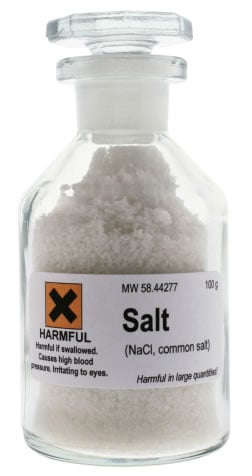
Sodium Intake on a healthy low-sodium diet.

The researchers found that the average intake of sodium intake worldwide in 2010 was 3,950 mg per day, or nearly double the 2,000 mg per day recommended by the World Health Organization, and nearly triple the 1,500 mg of sodium now recommended by the American Heart Association (AHA) and the 1,200 to 1,500 mg long recommended by the Pritikin Longevity Center. This data showed that every region of the world was well above these currently recommended sodium intake levels. Regional average sodium intake ranged from a low 2,180 mg per day in sub-Saharan Africa to 5, 510 mg per day in Central Asia. In their meta-analysis of controlled intervention studies, the researchers also found that reducing dietary sodium intake lowered blood pressure in all adults, with the largest effects seen in older individuals, blacks, and those with pre-existing hypertension.

“These 1.65 million deaths represent nearly one in 10 of all deaths from cardiovascular causes worldwide. No world region and few countries were spared,” added Dr. Mozaffarian, who chairs the Global Burden of Diseases, Nutrition, and Chronic Disease Expert Group, an international team of more than 100 scientists studying the effects of nutrition on health.

Average daily U.S. sodium intake – 3,600 mg

These new findings provide yet more compelling evidence for greater efforts to reduce dietary sodium in the United States and worldwide. In the United States, average daily sodium intake was 3,600 mg. Sodium intake and corresponding health burdens were even higher in many developing countries. Governmental policies and public health efforts to encourage reduced use of salt in foods could provide a cost-effective means for reducing so much of the premature morbidity and mortality from heart disease, renal disease, and strokes around the world.

Dr. Mozaffarian acknowledged that his results estimated sodium consumption based on urine samples, which are known to modestly underestimate true sodium intakes. Additionally, he noted some countries lacked data on sodium consumption, which had to be estimated based on other nutritional information. And he and co-authors pointed out that because their study focused on cardiovascular disease deaths, they may have underestimated the full health impact of excessive sodium intake, which is also linked to a much higher risk of nonfatal cardiovascular disease, kidney disease, and stomach cancer (the second most deadly cancer worldwide).

Benefits of sodium reduction

The same “no news” fate that happened with Dr. Mozaffarian’s study has also been the fate of other well-designed, recently published studies that described the benefits of sodium reduction. In onestudy5, for example, a meta-analysis of 34 trials totaling 3,230 participants, the researchers found that “a modest reduction in salt intake for four or more weeks causes significant and, from a population viewpoint, important falls in blood pressure in both hypertensive and normotensive individuals,” and larger reductions led to larger falls in blood pressure.

Salt reduction in England

And a recent study6 looking at salt reduction in England from 2003 to 2011 found that reducing sodium in foods alone with little or no other change in cardiovascular risk factors accounted for most of the 40% reduction in stroke and ischemic heart disease among the British population. Clearly, the benefits of reducing dietary salt by about 15% in England likely had a major impact in reducing cardiovascular disease mortality.

The PURE researchers are suggesting that there is little or no benefit in reducing salt below 4,000mg sodium/day and it may even be harmful to some, while the real world experience in England seriously undermines their thesis.

Pritikin Health Resort

Results at Pritikin Longevity Center

Reducing sodium to less than 1,500 milligrams, combined with an overall diet rich in whole foods like fruits, vegetables, and whole grains, plus dailyexercise, has been part of Pritikin Program, taught at the Pritikin Longevity Center in Miami since 1975.  This program has also been documented in published research to dramatically reduce both diastolic and systolic pressure, and allow the vast majority of men and women return home no longer needing their hypertension medications, or with their dosages greatly reduced.7

Summing Up:

Are low-sodium diets healthy?  Yes.  Current guidelines from U.S. government agencies, theWorld Health Organization, the American Heart Association, and other leading public health groups set daily dietary sodium targets between 1,500 and 2,300 milligrams or lower. And for good reason.  These guidelines are supported by solid data from the DASH Trials and numerous other studies conducted over the past several decades.

The questionable claims by the authors of the two PURE articles intimating that a low-salt intake may somehow be dangerous undermine public health efforts to reduce salt intake to treat and prevent hypertension. This is troubling, deeply troubling, because the preponderance of credible scientific data continues to show that elevated blood pressure is the single greatest cardiovascular risk factor in most populations, and data from controlled clinical trials show that dietary sodium in excess of 1,500 mg day is the #1 dietary cause of elevated blood pressure.

In addition, the impact of excessive salt intake over many years likely is far greater than that observed in short-term clinical trials in which salt/sodium intake is only moderately reduced. Indeed, in all human populations studied by medical anthropologists, it is known that less than 1,500 mg of sodium per day results in very little or no increase in blood pressure, even into old age. By contrast, blood pressure rises significantly over many years in all human populations in which salt is added to food in significant quantities, resulting in most people in all these salt-added societies sooner or later ending up with hypertension.

In closing, we need to stop paying attention to silly, shoddy science, and get back to saving lives.

QUESTIONS & ANSWERS

Does insurance cover your stay? How much weight will you lose? Get the answers »

ALL-INCLUSIVE HEALTH RESORT

Hotel, dining, medical, exercise, education – it’s all included! Get the details »

SCIENTIFICALLY PROVEN RESULTS

Documented in 100-plus medical journals. What Pritikin can do for you »

Author, Dr. Jay Kenney

SOURCES

1 O’Donnell MJ, Mente A, Ranjarajan S, et al. Urinary Sodium and Potassium Excretion, Mortality, and Cardiovascular Events. N Engl J Med 2014;371:612-33.
2 Mente A, O’Donnell MJ, Rangarajan S, et al. Association of Urinary Sodium and Potassium Excretion with Blood Pressure. N Engl J Med 2014;371:601-11.
3 Sacks FM, Svetkey LP, Vollmer WM, et al. Effects on Blood Pressure of Reduced Dietary Sodium and the Dietary Approaches to Stop Hypertension (DASH) Diet. N Engl J Med 2001; 344: 3-10.
4 Mozaffarian D, Fahimi S, Singh GM, et al. Global Sodium Consumption and Death from Cardiovascular Causes. N Engl J Med 2014;371:624-34.
5 He FJ, Li J, MacGregor GA. Effect of longer term modest salt reduction on blood pressure: Cochrane systematic review and meta-analysis of randomised trials. BMJ, 2013; 346: f1325.
6 He FJ, Pombo-Rodrigues S, MacGregor GA. Salt reduction in England from 2003 to 2011: its relationship to blood pressure, stroke and ischaemic heart disease mortality. BMJ, 2014; 4:e004549.
7 Roberts CK, Barnard RJ. Effects of exercise and diet on chronic disease. J Appl Physiol, 2005; 98:3-30.

Dr. Jay Kenney, PhD, RD, FACN

Nutritional Research Director and Educator

For nearly 30 years, Dr. Kenney has helped guests at Pritikin cut through the confusion and quack “truths” surrounding nutrition and weight loss. Personally, he loves living the Pritikin Program because “I’m in better health today, in my late 60s, than I was at age 35. And I weigh 40 pounds less than I did in college.”