Fiber is the Key to Good Health

PCRM

imageimage

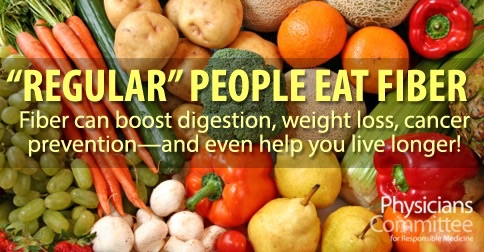
Fiber plays a key role for digestion, weight loss, and cancer prevention, and can even increase lifespan! But don’t be fooled—many packaged food companies are trying to boost sales by adding extra fiber to their gummy candy or yogurt, but the best source of fiber is plants themselves! Yes, natural fiber is found only in fruits, vegetables, whole grains, and legumes. So make sure you’re filling your plate with whole, plant-based foods.

What is fiber?

There are two types of fiber: soluble and insoluble. Soluble fiber is found in oats, beans and other legumes, and some fruits and vegetables. Soluble fiber lowers cholesterol levels. Insoluble fiber—found in whole grains, fruits and vegetables, kidney beans, and bran—acts like a broom, cleaning your digestive tract.

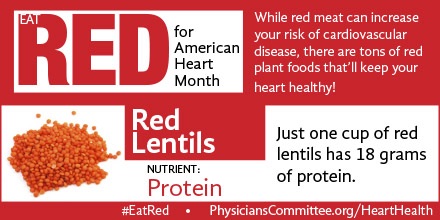
Both types of fiber are only found in plant foods—meat and dairy products contain no natural fiber. Don’t be fooled by yogurts that prominently advertise their fiber content! That fiber was added during processing. Since dairy products are high in saturated fat and cholesterol, skip the yogurt and head to the produce aisle. Just one cup of raspberries has 8 grams of fiber! One cup of red lentils has 16 grams of fiber—and 18 grams of protein.

15030-NTR American Heart Month-Twitter-Red Lentils v1

Weight Loss

If you’re looking to lose weight, filling up on fiber-rich foods is your best bet. My colleagues and I recently published a study in the Journal of the Academy of Nutrition and Dietetics showing that simply switching to a plant-based diet leads to significant weight loss, without any calorie counting or exercise.

Cancer Prevention

Not only can fiber help you shed pounds or relieve your digestive woes, it can decrease cancer risk. By improving the intestinal transit of food and waste, fiber helps your body eliminate carcinogens. The U.S. Polyp Prevention Trial also found that a high-fiber diet reduced the occurrence of colon polyps. A meta-analysis published in the Journal of the National Cancer Institute examined 13 studies and found that the risk of colorectal cancer decreased as fiber intake increased.

How Can I Get Enough Fiber Each Day?

I recommend a dietary intake of 40 grams of fiber per day—while most Americans are only getting 10-15 grams. But there’s no need to count. It’s easy to boost your fiber content with a few easy swaps. Trade white bread for whole grains. Ditch sugary cereals for heart-healthy oatmeal. Add some fruit to your breakfast or grab an apple or banana when you’re in a hurry. Make sure that everything on your plate has at least a little bit of fiber. Most importantly, skip the animal products. When your menu is plant-strong, you’ll be getting the fiber you need.

Uncle Sam Says: Eat More Meat!

 meat

Posted: December 9, 2014 in Images, Posts
Tags: , , , , , ,

640px-Uncle_Sam_(pointing_finger)In his 1932 novel Brave New World, Aldous Huxley imagined a future where people exist solely to support the economy and are conditioned from birth to buy things. Government bureaucrats manipulate the sheep-like citizens with drugs and slogans to make them consume as much as possible. In Huxley’s vision, 26th-century consumers learn that “ending is better than mending” and “the more stitches, the less riches” – that is, buying new things is better than fixing old ones. But as I discuss in my book Meatonomics, this eerie futuristic fantasy – with government using marketing slogans and other undue influence to drive consumption – has arrived centuries early for US consumers. In the Brave New World of the 21st century – where big box stores and mega markets dominate the landscape – the US government uses innocuous-sounding “checkoff” programs to encourage people to buy more animal foods.

In fact, checkoffs make us consume much more meat, eggs and dairy than we would otherwise. Yet most Americans have never heard of these government programs, and for that reason it’s important to consider the dramatic impact checkoffs have on our consumption patterns and our lives. In this article, I explore seven surprising facts behind our government’s marketing of animal foods via these little-known programs.

  1. Checkoffs Use Super-Catchy Slogans

beefiwfdMeat and dairy ads have bombarded American consumers relentlessly for decades.  You’ve seen the milk mustaches and the snappy slogans:

Beef. It’s What’s for Dinner.
Pork. The Other White Meat.
Milk. It Does a Body Good.

They’re as American as apple pie and as commonplace as ads for Ford or Chevy. Like an ink stamp, these ads imprint themselves on our subconscious and become part of our belief system. What’s for dinner? Without even knowing why, many think, Beef.

  1. A Checkoff is a Tax

Checkoffs used to be voluntary, and producers opted in by checking a box. Nowadays, the programs are mandatory – just like any other tax. The way they work is simple: Congress slaps a small assessment on certain items, and the collected funds are used to pay for research and marketing programs that boost the goods’ sales. So when animal food producers collect $1 per head of cattle, $0.40 per $100 of pork, or $0.15 per 100 pounds of dairy, the funds go to national, state and regional marketing groups. There aren’t many Boston Tea Party–like protests when it comes to making the payments – because most consumers don’t know about checkoffs and most producers think their trade groups put the money to good use.

  1. It’s Consumers, Not Producers, Who Pay the Tax

Nominally speaking, it’s producers who pay checkoff taxes – a fact they proclaim loudly and regularly. But that’s not who really pays for checkoffs.  Economists point to a tax’s “incidence” to describe who ultimately bears the burden of paying it. In the case of checkoffs, the cost is generally passed on to consumers in the form of higher prices. In other words, we pay extra to get both the product and the snappy marketing message.

  1. They’re Incredibly Effective

dreamstime_xl_17990934Across the board, checkoffs work remarkably well to make Americans buy more meat and dairy than we would otherwise. According to the US Department of Agriculture, for each dollar of checkoff funds spent promoting animal foods, “thereturn on investment can range as high as $18.” The pork checkoff program drives $14 in sales per dollar spent. The lamb checkoff lacks a memorable motto but still provides an unusually huge boost, driving additional sales of $38 for each dollar spent on promotion. But the biggest winner might be dairy, which boasted that over a year and a half, checkoff efforts contributed to more than 7 billion additional pounds of milk sold. That’s an extra forty-seven servings of dairy per person in the United States – above and beyond the hundreds of servings people would have consumed anyway during the period. Clearly, milk is up to more than just doing a body good.

  1. They Spend a Fortune

All told, these programs provide funding of $557 million yearly for animal food producers to promote their goods. This massive, government-mandated marketing budget gives the animal food industry something few other sectors have: a huge marketing war chest to boost sales of all goods from all producers in the program. In almost every other industry, individual corporations must fork out their own funds to increase sales rather than rely on government programs to prop up their numbers. With checkoff programs, on the other hand, Americans buy more of nearly every conceivable animal food than they would otherwise. Like an insatiable diner, the animal food industry relishes the higher sales that result. Dairy promoters brag that since their checkoff program started in 1983, annual per capita consumption of milk “has climbed 12 percent to 620 pounds.”

  1. They Speak the Message of the Federal Government

800px-Oblique_facade_1,_US_Supreme_CourtSome producers say checkoffs have been unfairly linked to government and are actually just the tools of good old-fashioned capitalism. They argue these arrangements involve only private firms who pool advertising monies without government participation, and their mission and methods are no different from those of any private advertiser. However, the US Supreme Court decisively rejected this position in a 2005 case involving the beef checkoff. In Johanns v. Livestock Marketing Association, the Supreme Court held the beef checkoff’s message was actually government speech(a form of speech the government can make others support). This holding from the highest court in the land leaves little doubt that checkoff programs, and the messages they generate, are the product of the federal government. So when one of these organizations speaks – regardless of the product it’s hawking – it may say it’s the National Pork Board, but the background sounds are the imposing bass tones of the US government.

  1. They Drive Unhealthy Levels of Consumption

400px-Physical_Exam_-_StethoscopePerhaps the most disturbing feature of checkoffs is that most Americans already consume more animal foods than the USDA recommends. Nonetheless, like a desperate salesperson trying to meet an unrealistic quota, the agency keeps using checkoffs to goad people to buy even more. One result is these programs impose billions of dollars in hidden costs on American consumers and taxpayers. Another is that they further sicken an already-ill nation. Ultimately, perhaps the question we should ask ourselves about checkoff programs is: Got Milked?

World’s Healthiest Foods rich in vitamin B12

WHFoods


The World’s Healthiest Foods

FoodCalsDRI/DV
 Sardines                    189338%
 Salmon                      158236%
 Tuna                         147111%
 Cod9                             6109%
 Lamb                         310105%
 Scallops                      126102%
 Shrimp                         13578%
 Beef                              17560%
 Yogurt                            14938%
 Cow’s milk                        7423%

Basic Description

Vitamin B12, as the name implies, is part of the B complex of vitamins. Like the other B vitamins, it is involved in energy metabolism and other related biological processes.

However, that is where the similarity ends. The list of things that are unique about this vitamin is long, and includes the following facts:

  • Most B vitamins do not store well, but several years’ worth of vitamin B12 can be stored in your body
  • Most B vitamins can be found in a wide variety of plant and animal foods, but since no plant or animal can make vitamin B12 (only microorganisms like fungi and bacteria can do that), it is typically only animal foods that contain B12 since plants cannot make or store this vitamin. However, mushrooms (since they are themselves fungi) often contain B12, as do fermented plant foods like tempeh or miso since they have been produced with the help of microorganisms. Most B vitamins are relatively small and have a fairly simple chemical structure, while vitamin B12 is larger and more complex.
  • Most B vitamins are more easily absorbed than vitamin B12,which has more complicated requirements for absorption.
  • In terms of physical amount, vitamin B12 has the lowest daily requirement of all the B vitamins, and it is needed in about 1/1000th the amount of some other B vitamins.
  • Vitamin B12 is the only vitamin that contains a metal element (cobalt). In fact, the cobalt contained in B12 is the reason that this vitamin goes by the chemical name cobalamin.

As the list above implies, optimal intake of vitamin B12 can sometimes be a challenge in human nutrition. Even though U.S. adults ages 20 and older average well above the Dietary Reference Intake (DRI) for B12, there are still subgroups within the U.S. that are more commonly at risk of B12 deficiency. For example, adults 51 and older can be at greater risk of B12 deficiency, presumably in relationship to decreased dietary intake and/or compromised digestive function.

The style of diet that you choose can have an major impact on your B12 nourishment. If you regularly consume land animal foods and fish in your meal plan, B12 intake is not very likely to be a problem. If you regularly consume fish but avoid land animal foods, B12 is still relatively unlikely to be a problem. With no fish or land animal foods in your routine diet, however, you are left with some fairly specific food sources of B12, namely, fermented foods such as tempeh and fungi (including mushrooms). We’ll give you some practical steps for obtaining B12 nourishment in the Food Sources section.

We list eight excellent sources of vitamin B12 on World’s Healthiest Foods. We also have three very good and four good sources of the vitamin. Although the number of good sources is smaller than for many foods, this should be plenty to ensure a strong supply of this critical nutrient.

Role in Health Support

Cardiovascular Support

Vitamin B12 plays several important roles in keeping our cardiovascular system on track. The first of these roles involves production of red blood cells. Red blood cells are critical for transporting oxygen throughout our bloodstream, and the oxygen-carrying pigment in the center of our red blood cells is called hemoglobin. A key building block for hemoglobin is a compound called succinylCoA, and without enough vitamin B12, we simply cannot make enough of this building block. (Methylmalonyl CoA mutase is the enzyme that allows this process to take place, and it only functions with the help of B12 in the form of adenosylcobalamin.)

The fact that B12 plays such a key role in red blood cell production means that deficiency of this vitamin can actually cause a form of anemia called B12 deficiency anemia. However, this form of anemia is relatively rare. Often, when it appears to occur, it is actually a by-product of pernicious anemia in which immune system antibodies interfere with the production or function of intrinsic factor (IF). IF is a glycoprotein produced by specialized stomach cells called parietal cells and it is required for proper metabolism of vitamin B12.

A second important role for B12 in cardiovascular support involves prevention of excessive homocysteine build-up. A long list of cardiovascular diseases have been associated with excessive accumulation of homocysteine in the bloodstream, including coronary heart disease, peripheral vascular disease, and stroke. Vitamin B12 helps normalize levels of homocysteine in the blood by allowing conversion of homocysteine to methionine. (This conversion process takes place through activity of the enzyme methionine synthase.)

DNA Production

Vitamin B12 is a necessary co-factor for the production of DNA, the genetic material that acts as the backbone of all life. This process requires folate and vitamin B6 as well, and disruptions of any of these nutrients can lead to problems.

The diagnosis of vitamin B12 deficiency is often dependent on problems with DNA production. When vitamin B12 is low, normally rapidly dividing blood cells are not able to effectively reproduce their DNA, leading to abnormally big cells. This phenomenon, called macrocytosis, is often the first way doctors suspect problems with the vitamin.

Brain and Nervous System Health

Along with the heart, liver, muscles, and kidneys, the brain is an organ that utilizes a large amount of energy in a form called aerobic energy. Aerobic energy means oxygen-requiring energy production in specialized cell parts called mitochondria. As described earlier in the Cardiovascular Support section, one role that B12 plays is maintenance of hemoglobin in red blood cells to allow successful transport of oxygen. This process is especially important in brain health.

Another role of B12 described in the Cardiovascular Support section was prevention of excessive homocysteine build-up in the blood through conversion of homocysteine to methione. However, one aspect of this process not described earlier is the simultaneous recycling of a molecule called SAMe (S-adenosylmethionine) that takes place along with homocysteine conversion. SAMe has sometimes been referred to as the “universal methyl donor” because of its unique ability to provide special chemical groups—called methyl groups—in many different places where they are needed. One such place is the brain and nervous system, where movement of methyl groups is a key process. Some of the nervous system messengers (neurotransmitters) cannot be produced without the help of enzymes called methyltransferases, and these enzymes in turn cannot be produced without the availability of methyl groups. This area of methyl metabolism is another key way in which vitamin B12 plays a major role in the health of our brain and nervous system.

These nervous system connections to B12 help explain some of the clinical symptoms associated with B12 deficiency. When levels of vitamin B12 get very low, nerve damage can ensue. The insulation sheath around nerve fibers begins to break down, making it harder for signals to get to more distant areas of the body (called peripheral areas). As you might guess, symptoms first become apparent in the hands and feet. While the exact mechanisms are not fully understood, researchers know that severe B12 deficiency can cause these “peripheral neuropathies” and that restoring optimal supplies of B12 can keep these problems from becoming more severe.

Support of Energy Metabolism

While mentioned earlier, it’s important to underscore the role of B12 in support of oxygen-based energy production (called aerobic energy). At the heart of this process is a metabolic cycle called the citric acid cycle and included within this cycle is a molecule called succinyl-coA. Since vitamin B12 is important for maintaining proper supplies of succinyl-coA in the citric acid cycle, it is important for supporting all aerobic energy metabolism.

Other Potential Health Benefits

Still under debate by researchers is the exact role of B12 in support of bone health. On the one hand, B12 deficiency appears to be associated with increased risk of osteoporosis. This connection involves the positive role of B12 (in several of its cobalamin forms) in supporting the activity of the osteoblast (bone-forming) cells. At the same time, B12 also appears to help regulate activity of tumor necrosis factor (TNF). TNF overactivity can result in too much bone breakdown and remodeling by a second type of bone cells called osteoclasts. Too much osteoclast activity—regardless of the reason for its occurrence—is also associated with increased risk of osteoporosis. Despite these logical connections between B12 deficiency and osteoporosis risk, however, actual research findings are inconsistent in making the B12 connection to bone status.

Summary of Food Sources

Microorganisms—and especially bacteria and fungi—are the only organisms definitively known to produce vitamin B12. There has been longstanding debate over algal production of B12, which includes debate over the potential role of sea vegetables to provide B12 (as well as debate over dietary supplements like spirulina). However, we interpret the research in this area to show that sea vegetables cannot be counted on for B12 support, not because there is no possibility of B12 production in sea vegetables, but because the form of B12 in sea vegetables is not a usable vitamin form.

Even though land animals and fish cannot make vitamin B12 in their cells, they are often able to save up B12 produced by bacteria and concentrate it in their cells. For this reason, many land animal foods and many seafoods are nutrient-rich in B12. In fact, all but one of our WHFoods ranked sources of B12 come from animal foods or fish. Because plants do not concentrate or utilize vitamin B12 in the same way as animals, plant foods do not become nutrient-rich in B12 unless they have been fermented (like the fermentation of soybeans into tempeh) by B12-producing bacteria or fungi. Excluded from this statement are fungi (for example, mushrooms) since scientists classify them in their own separate category from plants. But if we adopt a less technical perspective and include mushrooms as plant foods, they would also have to be included as sources of B12. At WHFoods, crimini mushrooms are our only ranked non-animal derived food source for B12.

Our recommended daily intake level for B12 is 2.4 micrograms, and one serving of any of the following WHFoods will provide you with 100% or more of this amount: sardines, salmon, tuna, cod, lamb, or scallops. You’ll get over 50% with a single serving of beef or shrimp, about one-third of the daily amount from one cup of yogurt, and between 10-25% from one serving of cheese, chicken, turkey, eggs, or cow’s milk.

In contrast with these animal and fish foods, one cup of crimini mushrooms will only provide you with about 3% of the daily recommend amount. This relatively low contribution from mushrooms (a non-animal food) raises the important question of B12 nourishment for individuals who don’t regularly consume animal foods or fish. In the broadest sense, individuals who focus primarily on plant foods in their meal plan are often referred to as “vegetarians.” However, this term can have a variety of different meanings. “Pesca-vegetarians,” for example, consume fish along with plant foods. “Lacto-vegetarians” consume dairy foods along with plants foods. “Lacto-ovo vegetarians” consume not only dairy foods but also eggs along with plant foods. If a person eats plant foods exclusively, the term usually used to describe his or her meal plan is “vegan.” Most healthcare providers—including most nutritionists—currently recommend that persons who exclusively consume plant foods take steps to ensure their B12 nourishment by adding foods fortified with B12 or B12-containing supplements to their daily routine. As a general rule, we support this approach, although we realize that there can be exceptions.

Nutritional yeast grown on a molasses medium is an example of a food-based quasi-supplement that would provide a vegan source of vitamin B12. One widely available brand has more than twice the Dietary Reference Intake (DRI) for B12 in one and one-half tablespoons of yeast. Not all nutritional yeasts are rich in vitamin B12, however, and you’ll need to check labels for details.

Before leaving the topic of B12 and food sources, we want to go one step further in explaining some ongoing speculation about the relationship between B12, bacteria, and human nutrition. As described earlier, bacteria and other microorganisms are the only life forms that can be described as definitively able to produce B12. Interestingly, however, research studies have shown that bacteria capable of producing B12 can live inside our human intestinal tract. (One example of a bacterium known to produce B12 and also able to colonize parts of our digestive tract is Propionibacterium shermanii.) Furthermore, it seems likely that B12-producing bacteria are able reside in the very last segment of our small intestine known as the terminal ileum.The terminal ileum is especially important for vitamin B12 nourishment since it is the primary site for B12 absorption. In this last segment of our small intestine, however, there aren’t nearly as many bacteria as are present in our large intestine. (We’re talking about a minimum of 10,000 times less, and probably more like one million times less.) So exactly how much B12 contribution could potentially be made by B12-producing bacteria in the terminal ileum is an open question. While we don’t see any justification for relying on bacterial production of B12 in our intestines as a source of this vitamin, it is also impossible for us to totally rule out this possible pathway for B12 nourishment and hopefully we will get some further clarification here in future research.

Nutritional yeast grown on a molasses medium is an example of a food-based quasi-supplement approach that would provide a vegan source of vitamin B12. One widely available brand has more than twice the Recommended Dietary Allowance (RDA) for B12 in one and one-half tablespoons of yeast. Note that not all nutritional yeasts are rich in vitamin B12, and that you’ll need to check labels for details.

The National Academy of Sciences currently recommends that people over the age of 50 receive much of their vitamin B12 from supplements or fortified foods. Currently, about 40% of the vitamin B12 that Americans eat comes from these non-food sources. In addition to the fortified yeast discussed above, soy products and breakfast cereals often contain this type of added vitamin B12.

Introduction to Nutrient Rating System Chart

In order to better help you identify foods that feature a high concentration of nutrients for the calories they contain, we created a Food Rating System. This system allows us to highlight the foods that are especially rich in particular nutrients. The following chart shows the World’s Healthiest Foods that are either an excellent, very good, or good source of vitamin B12. Next to each food name, you’ll find the serving size we used to calculate the food’s nutrient composition, the calories contained in the serving, the amount of vitamin B12 contained in one serving size of the food, the percent Daily Value (DV%) that this amount represents, the nutrient density that we calculated for this food and nutrient, and the rating we established in our rating system. For most of our nutrient ratings, we adopted the government standards for food labeling that are found in the U.S. Food and Drug Administration’s “Reference Values for Nutrition Labeling.” Read more background information and details of our rating system.

World’s Healthiest Foods ranked as quality sources of
vitamin B12
Food Serving
Size
Cals Amount
(mcg)
DRI/DV
(%)
Nutrient
Density
World’s
Healthiest
Foods Rating
Sardines 3.20 oz 188.7 8.11 338 32.2 excellent
Salmon 4 oz 157.6 5.67 236 27.0 excellent
Tuna 4 oz 147.4 2.66 111 13.5 excellent
Cod 4 oz 96.4 2.62 109 20.4 excellent
Lamb 4 oz 310.4 2.51 105 6.1 excellent
Scallops 4 oz 125.9 2.44 102 14.5 excellent
Shrimp 4 oz 134.9 1.88 78 10.4 excellent
Beef 4 oz 175.0 1.44 60 6.2 very good
Yogurt 1 cup 149.4 0.91 38 4.6 very good
Cow’s milk 4 oz 74.4 0.55 23 5.5 very good
Eggs 1 each 77.5 0.55 23 5.3 very good
Turkey 4 oz 166.7 0.42 18 1.9 good
Chicken 4 oz 187.1 0.39 16 1.6 good
Cheese 1 oz 114.2 0.24 10 1.6 good
Mushrooms, Crimini 1 cup 15.8 0.07 3 3.3 good
World’s Healthiest
Foods Rating
Rule
excellent DRI/DV>=75% OR
Density>=7.6 AND DRI/DV>=10%
very good DRI/DV>=50% OR
Density>=3.4 AND DRI/DV>=5%
good DRI/DV>=25% OR
Density>=1.5 AND DRI/DV>=2.5%

Impact of Cooking, Storage and Processing

Even though the structure of vitamin B12 is complicated, it is a relatively stable molecule to storage and cooking. Most of the B12 losses that we have seen from the cooking of B12-rich foods fall into the range of 10-50%. At the 50% end of the spectrum, most of the studies have involved boiling. Since B12 is a water-soluble vitamin, that finding makes sense to us, and it is one of the reasons that we generally prefer steaming over boiling, and when we do boil, it is for a relatively short period of time. The Healthy Sauté methods and braising methods that we use for fish generally take only 5-10 minutes of cooking time, and the same is true for steaming in recipes where fish are steamed. For meats, we often use a Quick Broil method that only involves dry heat. In short, we believe that you can count on substantial B12 nourishment from our B12-rich foods if you take advantage of our WHFoods cooking methods.

Risk of Dietary Deficiency

For most U.S. adults, the risk of dietary deficiency of vitamin B12 is quite low. The median intake of vitamin B12 in the United States and Canada has been variously estimated between 3 and 7 mcg per day. As such, most people are getting plenty of this vitamin to prevent deficiency.

The only group where we see any substantial risk of dietary vitamin B12 deficiency is in strict vegans (who consume no animal or fish foods whatsoever). In a group of 232 British vegans, most of whom were younger than age 50, a little more than half had biochemical evidence of dietary vitamin B12 deficiency. The deficiency risk was nearly ten times as high in vegans as vegetarians, and more than 50 times higher compared to those who regularly ate animal foods.

Ovo-lacto vegetarians (or people who don’t eat animal meat or fish, but do include dairy and eggs in their diet) are at a slightly increased risk of dietary vitamin B12 deficiency, but B12-related medical problems are not common in this group. When medical problems do show up, it is most commonly in people who had eaten a vegetarian diet throughout their entire life, rather than adopting it later on as adults. This pattern makes sense to us, because our bodies are capable of storing large amounts of B12. In fact, it is common for adults to store thousands of times more B12 than their daily requirement. Because significant amounts of B12 are also be recycled around the body, the unusually large body supply of this vitamin can mean years before B12 depletion. So it is logical for an adult vegetarian who ate animal foods and fish growing up to go for long periods before risking B12 depletion, even if B12 intake has been inadequate.

Other Circumstances that Might Contribute to Deficiency

The most common cause of vitamin B12 deficiency symptoms in the U.S. is not a dietary deficiency, but a problem related to malabsorption. This condition is called pernicious anemia, and it is a relatively common condition in older adults. An estimated 10-30% of people over the age of 50 have some amount of malabsorption of this vitamin.

In pernicious anemia, various immune system reactions cause damage to the stomach lining. As a result of this damage, specialized cells in the stomach called parietal cells become unable to produce intrinsic factor (IF). Since IF is needed for B12 absorption, this process results in poor absorption of B12, and the need for much greater amounts of B12 than can be obtained from food. Of course, diagnosis of this condition and the appropriate remedy for pernicious anemia requires the help of a licensed healthcare provider.

Pernicious anemia is not the only absorption-related problem associated with risk of vitamin B12 deficiency. As mentioned at the outset of this article, B12 is an unusual B-complex vitamin in terms of its absorption. Here is a short summary of the complicated nature of B12 absorption:

(1) Stomach acids are needed to release B12 from our food and allow it to bind with a glycoprotein called haptocorrin provided in saliva and in stomach fluids.

(2) When leaving the stomach, protease enzymes provided by the pancreas are needed to separate B12 from haptocorrin and allow it to bind together with intrinsic factor (IF). IF is a specialized glycoprotein release by specialized stomach cells called parietal cells, and its job is to bind together with B12 and facilitate its absorption.

(3) At the very end of the small intestine (called the terminal ileum), intestinal cells have special locations on their outer membranes (consisting of two proteins called cubulin and amionless) and these proteins serve as the location for taking the IF-bound form of B12 out of the intestine and up into the cells.

(4) Once inside the intestinal cells, B12 must be reconfigured and attached to a different protein called transcobalamin for passage through the bloodstream.

These many different digestive tract steps make B12 absorption readily influenced by digestive tract problems. For example, overgrowth of the bacterium Helicobacter pylori in the stomach has been associated with increased risk of B12 deficiency. Insufficient secretion of protein-digesting enzymes by the pancreas has also been shown to compromise B12 status. Various other stomach problems have also been associated with increased deficiency risk for this vitamin.

The connection between B12 deficiency risk and digestive problems is believed to be a primary reason for increased risk of B12 deficiency with aging (especially after age 50), since digestive problems also tend to increase during this time period.

While oral contraceptive (OC) use is sometimes mentioned as a risk factor for B12 deficiency, the research seems mixed in this regard. On the one hand, blood levels of B12 have been shown to sometimes drop below the normal range with OC use. But at the same time, these drops in blood levels appear to be temporary and to pose no chronic problems. Interestingly, lower blood levels of B12 in women who use OCs appear to occur independently from dietary intake. In other words, these lower levels of B12 do not appear to change, even if dietary intake of B12 is increased. More research is being done to determine the significant of these findings.

Pregnancy and lactation (breastfeeding) increase the need for B12, and the Dietary Reference Intake (DRI) recommendations for pregnancy and lactation are 2.6 micrograms and 2.8 micrograms, respectively.

Because folate and B12 work so closely together, both folate deficiency and folate excess can increase the need for B12. While folate excess has been controversial in health research primarily in relationship to dietary supplementation of this vitamin in high doses, some scientists believe that folate fortification of food (in the absence of simultaneous B12 fortification) can also create imbalances in the ratio of B12-to-folate. As a remedy, they have recommended simultaneous fortification with both folate and B12 if fortification is determined to be desirable. The bottom line here is to combine a reasonable variety of foods in your meal plan that are nutrient-rich in both B vitamins. Our Healthy Sauteéd Seafood with Asparagus recipe, for example, combines three of our top 10 seafoods rich in B12 (cod, scallops, and shrimp) with our second richest source of folate (asparagus).

Relationship with Other Nutrients

As described earlier in our Health Benefits section, vitamin B12 is involved in the process of energy production. Yet B12 is not the only B-complex vitamin involved in this process, and for this reason, a deficiency of one or more of the other B vitamins may compound energy-production problems that are related to B12 deficiency. In other words, some symptoms of B12 deficiency can be made worse due to other B-vitamin deficiencies.

In particular, the relationship between folic acid, vitamin B6, and vitamin B12 is very close. A deficiency in any one of the three can impair the activity of the others. Most alarmingly, when people use high dose supplements of folic acid, it can be harder to spot vitamin B12 deficiency, leading to more serious symptoms. As described earlier in this article, controversy has also arisen over the role of folate fortification of foods, which has some researchers recommending simultaneous fortification of both folate and B12 whenever fortification with either nutrient is being considered.

Some older sources report that vitamin C can damage or impair absorption of vitamin B12. Further research discounted this hypothesis, so you can probably disregard this if you see it.

Risk of dietary Toxicity

There is no known toxicity risk from dietary vitamin B12. In fact, doctors routinely inject people with deficiency symptoms with very large doses of the vitamin—500 times the daily required intake or more—without evidence of toxicity. You can be confident that your diet does not contain too much vitamin B12.

Disease Checklist

  • Pernicious anemia
  • Atrophic gastritis
  • Neuropathy
  • Fatigue
  • Depression
  • Kidney disease
  • Memory loss
  • Tinnitus
  • Migraine
  • Macular degeneration
  • Asthma
  • Shingles
  • Multiple sclerosis
  • Alzheimer’s disease

Public Health Recommendations

In 1998, the National Academy of Sciences established a set of Dietary Reference Intakes (DRI) that included Recommended Dietary Allowances (RDA) by age for vitamin B12. These are summarized in the chart below. Values for infants under one year old were established in the form of Adequate Intake (AI) levels. The full set of DRI recommendations is listed below:

  • 0-6 months: 0.4 mcg
  • 6-12 months: 0.5 mcg
  • 1-3 years: 0.9 mcg
  • 4-8 years: 1.2 mcg
  • 9-13 years: 1.8 mcg
  • 14+ years: 2.4 mcg
  • Pregnant women: 2.6 mcg
  • Lactating women: 2.8 mcg

Note that the National Academy of Sciences has advised people over the age of 50 to meet their intake requirements mainly via either fortified foods or using a vitamin B12 supplement. This recommendation is due to the high number of people in this age group with malabsorption of the vitamin.

There is no established Tolerable Upper Intake Level (UL) for vitamin B12. In fact, doctors rather routinely supplement or inject people with pernicious anemia with amounts of vitamin B12 that are several hundred-fold greater than the DRI recommendations. As such, there is no known reason to be concerned about excessive intake of vitamin B12.

The Daily Value (DV) of 6 mcg per day is the value you’ll see on food labels. Please note that the more recent DRI values are much lower, and probably a better reflection of your daily needs. We chose the adult DRI (ages 14 and older) of 2.4 micrograms as our daily recommended amount at WHFoods.

References

  • Aslinia F, Mazza JJ, Yale SH. Megaloblastic anemia and other causes of macrocytosis. Clin Med Res 2006;4:236-41.
  • Food and Nutrition Board, Institute of Medicine. Dietary reference intakes for thiamin, riboflavin, niacin, vitamin B6, folate, vitamin B12, pantothenic acid, biotin, and choline. Washington, DC: National Academy Press; 1998;58-86.
  • Fulgoni VL, Keast DR, Bailey RL, et al. Foods, fortificants, and supplements: where do Americans get their nutrients. J Nutr 2001;141:1847-54.
  • Gilsing AM, Crowe FL, Lloyd-Wright Z, et al. Serum concentrations of vitamin B12 and folate in British male omnivores, vegetarians and vegans: results from a cross-sectional analysis of the EPIC-Oxford cohort study. Eur J Clin Nutr 2010;64:933-9.
  • Gueant JL and Alpers DH. Vitamin B12, a fascinating micronutrient, which influences human health in the very early and later stages of life. Biochimie, Volume 95, Issue 5, May 2013, Pages 967-969.
  • Halsted JA, Carroll J, Rubert S. Serum and tissue concentration of vitamin B12 in certain pathologic states. New Engl J Med 1959;260:575-80.
  • Jenkins N, Black, Paul E, et al. Vitamin B12 and its link to bone health in the male population. Bone, Volume 44, Supplement 1, May 2009, Pages S118-S119.
  • Keser I, Ilich JZ, Vrikic N et al. Folic acid and vitamin B12 supplementation lowers plasma homocysteine but has no effect on serum bone turnover markers in elderly women: a randomized, double-blind, placebo-controlled trial. Nutrition Research, Volume 33, Issue 3, March 2013, Pages 211-219.
  • Kozyraki R and Cases O. Vitamin B12 absorption: Mammalian physiology and acquired and inherited disorders. Biochimie, Volume 95, Issue 5, May 2013, Pages 1002-1007.
  • Leskova E, Kubikova J, Kovacikova E, et al. Vitamin losses: retention during heat treatment and continual changes expressed by mathematical models. J Food Comp Anal 2006;19:252-76.
  • Lund EK. Health benefits of seafood; Is it just the fatty acids? Food Chemistry, Volume 140, Issue 3, 1 October 2013, Pages 413-420.
  • McArthur JO, Tang H, Petocz P, et al.Biological variability and impact of oral contraceptives on vitamins B(6), B(12) and folate status in women of reproductive age. Nutrients. 2013 Sep 16;5(9):3634-45. doi: 10.3390/nu5093634.
  • O’Leary F, Samman S. Vitamin B12 in health and disease. Nutrients 2010;2:299-316.
  • Pawlak R, Parrott SJ, Raj S, et al. How prevalent is vitamin B12 deficiency among vegetarians? Nutr Rev 2013;71:110-7.
  • Ray JG, Cole DEC, and Boss SC. An Ontario-wide study of vitamin B12, serum folate, and red cell folate levels in relation to plasma homocysteine: is a preventable public health issue on the rise? Clinical Biochemistry, Volume 33, Issue 5, July 2000, Pages 337-343.
  • Ray JG, Vermeulen MJ, Langman LJ, et al. Persistence of vitamin B12 insufficiency among elderly women after folic acid food fortification. Clinical Biochemistry, Volume 36, Issue 5, July 2003, Pages 387-391.
  • Thierry A, Deutsch SM, Falentin H, et al. New insights into physiology and metabolism of Propionibacterium freudenreichii. Int J Food Microbiol. 2011 Sep 1;149(1):19-27. doi: 10.1016/j.ijfoodmicro.2011.04.026. Epub 2011 May 8.
  • Watanabe F, Yabuta Y, Tanioka Y, et al. Biologically active vitamin B12 compounds in foods for preventing deficiency among vegetarians and elderly subjects. J Agric Food Chem 2013;61:6769-75.


 

Pinto Beans

WHFoods


Pinto beans
Pinto beansCombine the creamy pink texture of pinto beans with a whole grain such as brown rice and you have a virtually fat-free high quality protein meal. Dried pinto beans are generally available in prepackaged containers as well as bulk bins; both canned and dried pinto beans are available throughout the year.Pinto beans have a beige background strewn with reddish brown splashes of color. They are like little painted canvases, ` la Jackson Pollack; hence their name “pinto,” which in Spanish means “painted.” When cooked, their colored splotches disappear, and they become a beautiful pink color.
Pinto Beans, cooked
1.00 cup
(171.00 grams)
Calories: 245
GI: low
NutrientDRI/DV
 molybdenum285%
 folate74%
 fiber62%
 copper41%
 protein31%
 iron20%

This chart graphically details the %DV that a serving of Pinto beans provides for each of the nutrients of which it is a good, very good, or excellent source according to our Food Rating System. Additional information about the amount of these nutrients provided by Pinto beans can be found in the Food Rating System Chart. A link that takes you to the In-Depth Nutritional Profile for Pinto beans, featuring information over 80 nutrients, can be found under the Food Rating System Chart.

Health Benefits

Pinto beans are a very good source of cholesterol-lowering fiber, as are most other beans. In addition to lowering cholesterol, pinto beans’ high fiber content prevents blood sugar levels from rising too rapidly after a meal, making these beans an especially good choice for individuals with diabetes, insulin resistance or hypoglycemia. When combined with whole grains such as brown rice, pinto beans provide virtually fat-free, high quality protein. But this is far from all pinto beans have to offer. Pinto beans are also an excellent source of molybdenum, a very good source of folate, and a good source of protein, vitamin B1, and vitamin B6 as well as the minerals copper, phosphorus, iron, magnesium, manganese, and potassium.

A Fiber All Star

Check a chart of the fiber content in foods and you’ll see legumes leading the pack. Pinto beans, like other beans, are rich in fiber. A cup of cooked pinto beans provides over 15 grams. Soluble fiber forms a gel-like substance in the digestive tract that combines with bile (which contains cholesterol) and ferries it out of the body. Research studies have shown that insoluble fiber not only helps to increase stool bulk and prevent constipation, but also helps prevent digestive disorders like irritable bowel syndrome and diverticulosis.

Lower Your Heart Attack Risk

In a study that examined food intake patterns and risk of death from coronary heart disease, researchers followed more than 16,000 middle-aged men in the U.S., Finland, The Netherlands, Italy, former Yugoslavia, Greece and Japan for 25 years. Typical food patterns were: higher consumption of dairy products in Northern Europe; higher consumption of meat in the U.S.; higher consumption of vegetables, legumes, fish, and wine in Southern Europe; and higher consumption of cereals, soy products, and fish in Japan. When researchers analyzed this data in relation to the risk of death from heart disease, they found that higher legume consumption was associated with a whopping 82% reduction in heart attack risk!!

A study published in the Archives of Internal Medicine confirms that eating high fiber foods, such as pinto beans, helps prevent heart disease. Almost 10,000 American adults participated in this study and were followed for 19 years. People eating the most fiber, 21 grams per day, had 12% less coronary heart disease (CHD) and 11% less cardiovascular disease (CVD) compared to those eating the least, 5 grams daily. Those eating the most water-soluble dietary fiber fared even better with a 15% reduction in risk of CHD and a 10% risk reduction in CVD.

Pinto beans’ contribution to heart health lies not just in their fiber, but in the significant amounts of folate, magnesium, and potassium these beans supply. Folate helps lower levels of homocysteine, an amino acid that is an intermediate product in an important metabolic process called the methylation cycle. Elevated blood levels of homocysteine are an independent risk factor for heart attack, stroke, or peripheral vascular disease, and are found in between 20-40% of patients with heart disease. It has been estimated that consumption of 100% of the daily value (DV) of folate would, by itself, reduce the number of heart attacks suffered by Americans each year by 10%.

Pinto beans’ good supply of magnesium puts yet another plus in the column of its beneficial cardiovascular effects. Magnesium is Nature’s own calcium channel blocker. When there is enough magnesium around, veins and arteries breathe a sigh of relief and relax, which lessens resistance and improves the flow of blood, oxygen and nutrients throughout the body. Studies show that a deficiency of magnesium is not only associated with heart attack but that immediately following a heart attack, lack of sufficient magnesium promotes free radical injury to the heart. Potassium, an important electrolyte involved in nerve transmission and the contraction of all muscles including the heart, is another mineral that is essential for maintaining normal blood pressure and heart function. Pinto beans are ready to promote your cardiovascular health by being a good source of this mineral, too. A one cup serving of pinto beans provides 746 mg of potassium and only 1.7 mg of sodium, making these beans an especially good choice to prevent high blood pressure and protect against atherosclerosis.

The effectiveness of potassium-rich foods such as pinto beans in lowering blood pressure has been demonstrated by a number of studies. For example, researchers tracked over 40,000 American male health professionals over four years to determine the effects of diet on blood pressure. Men who ate diets higher in potassium-rich foods, as well as foods high in magnesium and cereal fiber, had a substantially reduced risk of stroke.

Pinto Beans Give You Energy to Burn While Stabilizing Blood Sugar

In addition to its beneficial effects on the digestive system and the heart, the dietary fiber found in pinto beans helps stabilize blood sugar levels. If you have insulin resistance, hypoglycemia or diabetes, pinto beans can really help you balance blood sugar levels while providing steady, slow-burning energy. Studies of high fiber diets and blood sugar levels have shown the dramatic benefits provided by these high fiber foods. Researchers compared two groups of people with Type II diabetes who were fed different amounts of high fiber foods. One group ate the standard American Diabetic diet, which contains 24 grams of fiber/day, while the other group ate a diet containing 50 grams of fiber/day. Those who ate the diet higher in fiber had lower levels of both plasma glucose (blood sugar) and insulin (the hormone that helps blood sugar get into cells). The high fiber group also reduced their total cholesterol by nearly 7%, their triglyceride levels by 10.2% and their VLDL (Very Low Density Lipoprotein—the most dangerous form of cholesterol)levels by 12.5%.

Sensitive to Sulfites? Pinto Beans Can Help

Pinto beans are an excellent source of the trace mineral, molybdenum, an integral component of the enzyme sulfite oxidase, which is responsible for detoxifying sulfites. Sulfites are a type of preservative commonly added to prepared foods like delicatessen salads and salad bars. Persons who are sensitive to sulfites in these foods may experience rapid heartbeat, headache or disorientation if sulfites are unwittingly consumed. If you have ever reacted to sulfites, it may be because your molybdenum stores are insufficient to detoxify them.

Iron for Energy

In addition to providing slow burning complex carbohydrates, pinto beans can increase your energy by helping to replenish your iron stores. Particularly for menstruating women, who are more at risk for iron deficiency, boosting iron stores with pinto beans is a good idea—especially because, unlike red meat, another source of iron, pinto beans are low in calories and virtually fat-free. Iron is an integral component of hemoglobin, which transports oxygen from the lungs to all body cells, and is also part of key enzyme systems for energy production and metabolism. And remember: If you’re pregnant or lactating, your needs for iron increase. Growing children and adolescents also have increased needs for iron.

Copper & Manganese—More Help with Energy Production Plus Antioxidant Defenses

Pinto beans are a very good source of manganese and a good source of copper, two trace minerals that are essential cofactors of a key oxidative enzyme called superoxide dismutase. Superoxide dismutase disarms free radicals produced within the mitochondria (the energy production factories within our cells).

Copper is also necessary for the activity of lysyl oxidase, an enzyme involved in cross-linking collagen and elastin, both of which provide the ground substance and flexibility in blood vessels, bones and joints.

As explained above, iron is primarily used as part of hemoglobin, the molecule responsible for transporting and releasing oxygen throughout the body. But hemoglobin synthesis also relies on copper. Without copper, iron cannot be properly utilized in red blood cells. Fortunately, Mother Nature supplies both minerals in pinto beans.

Maintain Your Memory with Thiamin (Vitamin B1)

The B vitamin, thiamin participates in enzymatic reactions central to energy production and is also critical for brain cell/cognitive function. This is because thiamin is needed for the synthesis ofacetylcholine, the important neurotransmitter essential for memory and whose lack has been found to be a significant contributing factor in age-related impairment in mental function (senility) and Alzheimer’s disease. Alzheimer’s disease is clinically characterized by a decrease in acetylcholine levels.

Protein Power Plus

If you’re wondering how to replace red meat in your menus, become a fan of pinto beans. These hearty beans are a good source of protein, and when combined with a whole grain such as whole wheat pasta or brown rice, provide protein comparable to that of meat or dairy foods without the high calories or saturated fat found in these foods. And, when you get your protein from pinto beans, you also get the blood sugar stabilizing and heart health benefits of the soluble fiber provided by these versatile legumes. A cup of pinto beans provides over 15 grams of protein.

Description

Pinto beans have a beige background strewn with reddish brown splashes of color. They are like little painted canvases, à la Jackson Pollack; hence their name “pinto,” which in Spanish means “painted.” When cooked, their colored splotches disappear, and they become a beautiful pink color with a delightfully creamy texture.

History

Pinto beans and other beans such as kidney beans, navy beans and black beans are all known scientifically as Phaseolus vulgaris. They are all referred to as “common beans” probably owing to the fact that they derived from a common bean ancestor that originated in Peru.

From there, beans were spread throughout South and Central America by migrating Indian trades. Beans were introduced into Europe in the 15th century by Spanish explorers returning from their voyages to the New World. Spanish and Portuguese traders brought them to Africa and Asia.

As beans are a very inexpensive form of good protein, they have become popular in many cultures throughout the world. Pinto beans are the most highly consumed dried bean in the United States. Today, the largest commercial producers of dried common beans are India, China, Indonesia, Brazil and the United States.

How to Select and Store

Dried pinto beans are generally available in prepackaged containers as well as bulk bins. Just as with any other food that you may purchase in the bulk section, make sure that the bins are covered and the store has a good product turnover rate to ensure maximal freshness.

Whether purchasing pinto beans in bulk or in a packaged container, make sure there’s no evidence of moisture or insect damage and that beans are whole and not cracked.

Canned pinto beans can be found in many markets. Unlike canned vegetables, which have lost much of their nutritional value, there is little difference in the nutritional value of canned pinto beans and those you cook yourself. Canning lowers vegetables’ nutritional value since they are best lightly cooked for a short period of time, while their canning process requires a long cooking time at high temperatures. On the other hand, beans require a long time to cook whether they are canned or you cook them yourself. Therefore, if enjoying canned beans is more convenient for you, by all means go ahead and enjoy them. We would suggest looking for those that do not contain extra salt or additives. (One concern about canned foods is the potential for the can to include a liner made from bisphenol A/BPA. To learn more about reducing your exposure to this compound, please read our write-up on the subject).

Store dried beans in an airtight container in a cool, dry and dark place where they will keep for up to 12 months. If you purchase pinto beans at different times, store them separately; they may feature varying stages of dryness and therefore will require different cooking times.

Cooked pinto beans will keep fresh in the refrigerator for about three days, if placed in a covered container.

Tips for Preparing and Cooking

Tips for Preparing Pinto Beans

Before washing pinto beans, spread them on a light-colored plate or cooking surface to check for small stones, debris or damaged beans. Then, place the beans in a strainer, rinsing them thoroughly under cool running water.

To shorten cooking time and make them easier to digest, pinto beans should be presoaked (presoaking has been found to reduce the raffinose-type oligosaccharides, sugars associated with causing flatulence.) There are two basic methods for presoaking. For each, start by placing the beans in a saucepan with two to three cups of water per cup of beans.

The first method is to boil the beans for two minutes, take the pan off the heat, cover and allow to stand for two hours. The second method is to simply soak the beans in water for eight hours or overnight, placing the pan in the refrigerator so beans will not ferment. Before cooking, regardless of method, drain the soaking liquid and rinse the beans with clean water.

The Healthiest Way of Cooking Pinto Beans

To cook the beans, you can either cook them on the stovetop or use a pressure cooker. For the stovetop method, add three cups of fresh water or broth for each cup of dried beans. The liquid should be about one to two inches above the top of the beans. Bring the beans to a boil, then reduce to a simmer, partially covering the pot. If any foam develops, simply skim it off during the simmering process. Pinto beans generally take about one to one and one-half hours to become tender using this method.

They can also be cooked in a pressure cooker where they take about one-half hour to prepare. Regardless of cooking method, do not add any seasonings that are salty or acidic until after beans have been cooked; adding them earlier will make the beans tough and greatly increase the cooking time.

How to Enjoy

A Few Quick Serving Ideas
  • Use pinto beans in chili recipes in place of kidney beans.
  • Blend together pinto beans with sage, oregano, garlic and black pepper for a delicious spread that can be used as a crudité dip or sandwich filling.
  • Layer cooked pinto beans, chopped tomatoes and onions and shredded cheese on a tortilla. Broil in the oven until hot and cheese melts. Top with chopped avocado and cilantro.
  • Add pinto beans to vegetable soups.
  • Heat pinto beans together with cooked rice. Add cooked chopped vegetables such as carrots, zucchini and tomatoes. Season to taste and enjoy this simple-to-prepare one pot meal.

Individual Concerns

Pinto Beans and Purines

Purines are naturally-occurring substances found in plants, animals, and humans. In some individuals who are susceptible to purine-related problems, excessive intake of these substances can cause health problems. Since purines can be broken down to form uric acid, excess accumulation of purines in the body can lead to excess accumulation of uric acid. The health condition called “gout” and the formation of kidney stones from uric acid are two examples of uric acid-related problems that can be related to excessive intake of purine-containing foods. Yet, recent research has suggested that purines from meat and fish increase risk of gout, while purines from plant foods fail to change the risk. For more on this subject, please see “What are purines and in which foods are they found?”

Nutritional Profile

Pinto beans are an excellent source of molybdenum and a very good source of fiber and folate. Pinto beans are also a good source of copper, manganese, phosphorus, protein, phosphorus, vitamin B1, vitamin B6, magnesium, potassium, and iron.

Certain phytonutrients—shown to be helpful in prevention of some cancers, including stomach cancer—are also provided in important amounts by pinto beans. These phytonutrients include cinnamic acids, secoisolariciresinol, and coumestrol.

For an in-depth nutritional profile click here: Pinto beans.

In-Depth Nutritional Profile

In addition to the nutrients highlighted in our ratings chart, an in-depth nutritional profile for Pinto beans is also available. This profile includes information on a full array of nutrients, including carbohydrates, sugar, soluble and insoluble fiber, sodium, vitamins, minerals, fatty acids, amino acids and more.

Introduction to Food Rating System Chart

In order to better help you identify foods that feature a high concentration of nutrients for the calories they contain, we created a Food Rating System. This system allows us to highlight the foods that are especially rich in particular nutrients. The following chart shows the nutrients for which this food is either an excellent, very good, or good source (below the chart you will find a table that explains these qualifications). If a nutrient is not listed in the chart, it does not necessarily mean that the food doesn’t contain it. It simply means that the nutrient is not provided in a sufficient amount or concentration to meet our rating criteria. (To view this food’s in-depth nutritional profile that includes values for dozens of nutrients – not just the ones rated as excellent, very good, or good – please use the link below the chart.) To read this chart accurately, you’ll need to glance up in the top left corner where you will find the name of the food and the serving size we used to calculate the food’s nutrient composition. This serving size will tell you how much of the food you need to eat to obtain the amount of nutrients found in the chart. Now, returning to the chart itself, you can look next to the nutrient name in order to find the nutrient amount it offers, the percent Daily Value (DV%) that this amount represents, the nutrient density that we calculated for this food and nutrient, and the rating we established in our rating system. For most of our nutrient ratings, we adopted the government standards for food labeling that are found in the U.S. Food and Drug Administration’s “Reference Values for Nutrition Labeling.” Read more background information and details of our rating system.

Pinto Beans, cooked
1.00 cup
171.00 grams
Calories: 245
GI: low
Nutrient Amount DRI/DV
(%)
Nutrient
Density
World’s Healthiest
Foods Rating
molybdenum 128.25 mcg 285 21.0 excellent
folate 294.12 mcg 74 5.4 very good
fiber 15.39 g 62 4.5 very good
copper 0.37 mg 41 3.0 good
manganese 0.77 mg 39 2.8 good
phosphorus 251.37 mg 36 2.6 good
protein 15.41 g 31 2.3 good
vitamin B1 0.33 mg 28 2.0 good
vitamin B6 0.39 mg 23 1.7 good
magnesium 85.50 mg 21 1.6 good
potassium 745.56 mg 21 1.6 good
iron 3.57 mg 20 1.5 good
World’s Healthiest
Foods Rating
Rule
excellent DRI/DV>=75% OR
Density>=7.6 AND DRI/DV>=10%
very good DRI/DV>=50% OR
Density>=3.4 AND DRI/DV>=5%
good DRI/DV>=25% OR
Density>=1.5 AND DRI/DV>=2.5%

In-Depth Nutritional Profile for Pinto beans

References

  • Bazzano LA, He J, Ogden LG, Loria CM, Whelton PK. Dietary fiber intake and reduced risk of coronary heart disease in US men and women: the National Health and Nutrition Examination Survey I Epidemiologic Follow-up Study. Arch Intern Med. 2003 Sep 8;163(16):1897-904. 2003.
  • Ensminger AH, Esminger M. K. J. e. al. Food for Health: A Nutrition Encyclopedia. Clovis, California: Pegus Press; 1986. 1986. PMID:15210.
  • Hernandez-Ramirez R, Galvan-Portillo M, Ward M et al. Dietary intake of polyphenols, nitrate and nitrite and gastric cancer risk in Mexico City. Int J Cancer. 2009 September 15; 125(6): 1424-1430. 2009.
  • McIntosh M, Miller C. A diet containing food rich in soluble and insoluble fiber improves glycemic control and reduces hyperlipidemia among patients with type 2 diabetes mellitus. Nutr Rev 2001 Feb;59(2):52-5. 2001.
  • Menotti A, Kromhout D, Blackburn H, et al. Food intake patterns and 25-year mortality from coronary heart disease: cross-cultural correlations in the Seven Countries Study. The Seven Countries Study Research Group. Eur J Epidemiol 1999 Jul;15(6):507-15. 1999.
  • Queiroz Kda S, de Oliveira AC, Helbig E et al. Soaking the common bean in a domestic preparation reduced the contents of raffinose-type oligosaccharides but did not interfere with nutritive value. J Nutr Sci Vitaminol (Tokyo) 2002 Aug;48(4):283-9. 2002.
  • Wood, Rebecca. The Whole Foods Encyclopedia. New York, NY: Prentice-Hall Press; 1988. 1988. PMID:15220.

Dandelion Greens Are Everywhere

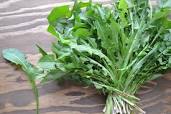
dandi

Nutritonal Highlights: Dandelion greens are a nutritional powerhouse. The plant has been used since antiquity as a diuretic, a liver tonic, to treat skin conditions and a whole host of other health problems.

They are packed with vitamins and minerals. One cup of cooked dandelion greens has more calcium than a cup of cottage cheese but only 34 calories. It provides 12% of the fiber, 19% of the iron and 28% of the Vitamin C that (averaging for adults and children) the USDA suggests that we get in our diets each day. Dandelion provides more vitamin A than an equal amount of kale, collard greens or summer squash, giving you 85% of the daily recommended intake.
The one cup serving also contains 2.1 grams of protein, many minerals including potassium, magnesium and phosphorous as well as vitamin E, thiamin, riboflavin, B-6 and folate.”

How Did Wheat Belly and Grain Brain get it wrong?

Harvard study finds

Republish Reprint

Sarah Knapton, The Telegraph | January 5, 2015 | Last Updated:Jan 5 7:01 PM ET
More from The Telegraph

The humble bowl of oatmeal: It may help keep heart disease at bay and lead to longer lives, a new Harvard study that tracked 100,000 people suggests.

Postmedia News filesThe humble bowl of oatmeal: It may help keep heart disease at bay and lead to longer lives, a new Harvard study that tracked 100,000 people suggests.

LONDON — A small bowl of porridge each day could be the key to a longer life span, after a major study by Harvard University found that whole grains reduce the risk of dying from heart disease.

Although whole grains are widely believed to be beneficial for health it is the first research to look at whether they have a long-term impact on life span.

Researchers followed more than 100,000 people for more than 14 years monitoring their diets and health outcomes. Everyone involved in the study was healthy in 1984 when they enrolled, but when they were followed up in 2010 more than 26,000 had died.

Those who ate the most whole grains, such as porridge, brown rice, corn and quinoa seemed protected from many illnesses and particularly heart disease.

Oats are already the breakfast of choice for many athletes and dieters, who find the high fibre levels give them energy for longer. But scientists found that for each ounce (28g) of whole grains eaten a day — the equivalent of a small bowl of porridge — the risk of death overall was reduced by five per cent and heart deaths by 9 per cent. “These findings further support current dietary guidelines that recommend increasing whole grain consumption,” said Dr. Hongyu Wu, the lead author, of Harvard School of Public Health.

“They also provide promising evidence that suggests a diet enriched with whole grains may confer benefits towards extended life expectancy.”

The findings remained even when allowing for different ages, smoking, body mass index and physical activity.
Whole grains, where the bran and germ remain, contain 25% more protein than refined grains, such as those that make white flour, pasta and white rice.

Previous studies have shown that whole grains can boost bone mineral density, lower blood pressure, promote healthy gut bacteria and reduce the risk of diabetes. One particular fibre found only in oats, called beta-glucan, is known to lower cholesterol which can help to protect against heart disease.

A bioactive compound called avenanthramide is also thought to stop fat forming in the arteries.

Whole grains are widely recommended in many dietary guidelines because they contain high levels of nutrients such as zinc, copper, manganese, iron and thiamine. They are also believed to boost levels of anti-oxidants.

The new research suggests that if more people switched to whole grains, thousands of lives could be saved each year. Coronary heart disease is Britain’s biggest killer, responsible for around 73,000 deaths in the U.K. each year. Around 2.3 million people are living with the condition and one in six men and one in 10 women will die from the disease.

The Secret’s Out: The Reason Red Meat is So Bad for Our Health

We’ve known red meat isn’t the healthiest choice for a long time now. It’s a leading cause in heart disease, inflammation, cancer, and even digestive problems. While its highly touted by meat-lovers as being a good source of iron, (though we know there are better sources), the truth is, red meat is not a healthy food. But what is it about red meat that’s so bad?

Scientists at the University of California Found The Secret

Researchers at the University of California found that meat triggers a toxic reaction within the body that weakens the immune system due to a natural sugar it contains our bodies can’t digest. Yes, you heard that right – meat actually has a natural sugar, as small as it may be. Known as Neu5Gc, this sugar is a foreign agent to our body that is seen as an invader.

The body launches an immune response as it tries to get rid of it and in the mean time, a host of health problems occur, such as cancer (which is largely a disease of a weak immune system). The unique findings are that other carnivores can eat red meat fine because their bodies actually contain the natural sugar that digests the meat. Our bodies don’t – clearly a sign that we’re not meant to eat it.

Meat and Tumor Production

The sugar, Neu5Gc, is already in the body of other carnivores that consume meat for food. Mice (who don’t contain the sugar as we don’t) were fed meat and actually developed tumors quickly.

“This is the first time we have directly shown that mimicking the exact situation in humans increases spontaneous cancers in mice,” said Dr Ajit Varki, Professor of Medicine and Cellular and Molecular Medicine at the University of California. ”The final proof in humans will be much harder to come by.”

We don’t think we need more proof to go meat-free, do you? Meat has led to a host of negativeenvironmental and health factors for years. Harvard University found that a diet high in red meat raised the risk of breast cancer for women by 22 percent, and found those who regularly ate 5.6oz (160g) of red meat a day had one third higher risk of bowel cancer.

These studies provide more proof that meat really isn’t a healthy choice. If our bodies don’t see meat as a welcomed food, it’s time to stop eating it once and for all.

For tips to go meatless, check out: 13 Meatless Monday Meals for the Beginner Cook.

Lead Image Source: Rpavich/Flickr

Plant-Based Diet Improves Inflammation

Plant-Based Diet Improves Inflammation

December 9, 2014Carrot-Quinoa-Salad

A plant-based diet may reduce inflammation, according to a study published online in Nutrition Research. Researchers examined the nutrient intake for 63 overweight or obese participants following vegan, vegetarian, pesco-vegetarian, or omnivorous diet. Those assigned to the vegan or vegetarian groups consumed more fiber and less cholesterol and saturated fat. They also experienced lower dietary inflammation scores compared to those on nonvegetarian or semivegetarian diets. A high-fiber, low-fat, plant-based diet may prevent and help treat chronic diseases linked with inflammation, including rheumatoid arthritis, cardiovascular disease, type 2 diabetes, and certain forms of cancer.

Turner-McGrievy GM, Wirth MD, Shivappa N, et al. Randomization to plant-based dietary approaches leads to larger short-term improvements in Dietary Inflammatory Index scores and macronutrient intake compared to diets that contain meat. Nutr Res. Published online on December 2, 2014.


Subscribe to the Physicians Committee’s Breaking Medical News.

Breaking Medical News is a service of the Physicians Committee for Responsible Medicine, 5100 Wisconsin Ave., Ste. 400, Washington, DC 20016, 202-686-2210. Join the Physicians Committee and receive the quarterly magazine, Good Medicine.

Protein

Answer to a Reader’s Question:

Many people are rightfully confused about the various ways that protein recommendations are established, and fail to know the main factors that have caused the confusion. Understanding the protein recommendations requires an understanding of the history of protein research and the serious bias that crept into the science over the years. From the beginning, there was a very strong bias that has emphasized the health importance of protein and this almost always meant animal-based protein. This bias arose even though the research results clearly showed in many cases that it SHOULD NOT be emphasized. Nonetheless nutrition researchers still emphasized higher consumption of protein because it was the “sign of civilization itself” as was said in the early 1900s and, further, that those who did not consume these generous amounts of protein (i.e., meat) were “of an effeminate nature”!

Researchers continually pushed the protein idea and continually found ways to develop methodologies and algorithms to ‘show’ that higher levels of protein were advisable. The whole concept of protein “quality” was devised so that it could be said that animal protein was high quality and plant proteins were low quality when, in fact, the concept of quality only indicated a biological efficiency of utilization per unit protein consumed. Naturally, animal-based proteins more nearly mimic our needs because they are composed of the right ratio of amino acids, thus are used more efficiently. But these studies were mostly based on animal production research that served the farm community (also served for my PhD thesis!) far more than it served the interests of human health. More efficiently used “high quality” proteins also efficiently grow cancer cells as well!

However, it’s important not to miss the really bizarre point that the current US dietary guidelines advocate an upper limit of 35% of calories as protein that is supposedly consistent with minimizing chronic diseases. The only way that one can go this high is to be a virtual carnivore. The correct recommended intake is around 8-10% protein (not 35%!) which can be easily supplied by a good whole foods plant based diet. Even potatoes will do the job alone.

So, it’s back to the question of how and why and who is recommending these ridiculous numbers. The first time that these new high limits appeared was when a top consultant to the dairy industry, was chairing the Food and Nutrition Board that was responsible for the report. That report was funded by the dairy industry-based Dannon Institute, among other corporate benefactors who, accidentally I suppose, rather liked these high protein recommendations.

This is where Dr. Caldwell Esselstyn’s research that was focused on low fat intake and my research that was initially focused on lower protein intake converged, pointing to the elimination of animal based food consumption that was so highly correlated in international studies with Western diseases.

Why China Holds the Key to Your Health

I have been a researcher, lecturer, and policy advisor in the field of diet and cancer for nearly 45 years.

Since 1963, primarily from an academic position, I have seen the many faces of establishment science and have been both rewarded and distressed by what I have witnessed. I have seen a vast increase in consumer nutrition information and, regrettably, an almost equal increase in consumer confusion. One week we hear that eating meat increases our risk of colon cancer, the next week the exact opposite. One news report states that dietary fat is not related to breast cancer, another says it is. It seems to me that public confusion has grown far beyond acceptable limits.

In the 1980s, I was invited by Senator John Glenn’s U.S. Senate Committee on Governmental Affairs to offer an opinion about why there is so much confusion. My opinion then and now is that we tend to think so specifically about ideas and products that we fail to comprehend the main message. We stare fixedly at the trees and miss the forest. Specific ideas and products provide immediate money for the entrepreneur, grant money for the scientific researcher, and some degree of presumed “certainty” for the educator and publicist. They do not necessarily promote good health. Despite all our products and proclamations, more people are overweight in the U.S. than ever before. By the latest count one out of every three adults is overweight, an increase from one in four in the late 1970s.

The real aim of science is to advance knowledge about what makes you healthy, reduce your confusion, and alleviate human suffering. When I look at these problems strictly from the science point of view, I know there can be no quick intellectual fix. But I also know that the present confusion is beyond reasonable limits and something new is required. Thus, my colleagues and I felt that a newsletter of a different kind could provide a starting point. From this was born the idea of Nutrition Advocate, a newsletter advocating a diet based on a variety of quality plant foods and providing simple explanations so you can make reasonable decisions at your own pace.

As practicing scientists and researchers, we believe that we have done our homework. The science presented in these pages is the best that we can provide. Much of our research is based on the Cornell-Oxford-China Study (“China Project”), the most comprehensive survey of the connection between diet and disease in world medical history. The New York Times hailed this investigation, directed from Cornell University, as the “Grand Prix of all epidemiological studies.” These discoveries have vigorously challenged and altered existing conceptions about nutrition and health. We are now prepared to share more of these findings so you might join us in our excitement.

Why We Went To China

Previous studies relating nutrition to degenerative disease have mostly been limited to consideration of single factors and single diseases. Yet even when large surveys have been taken, they have generally produced mixed results. This is because these studies have largely been conducted in the developed world, where everybody eats more or less the same thing.

The China Project offers a rare opportunity to study disease in a precise manner because of the unique conditions that exist in rural China. Approximately 90% of the people in rural China live their entire lives in the vicinity of their birth. Because of deeply held local traditions and the absence of viable food distribution, people consume diets composed primarily of locally produced foods. In addition, there are dramatic differences in the prevalence of disease from region to region. Various cardiovascular disease rates vary by a factor of about 20-fold from one place to another, while certain cancer rates may vary by several hundredfold.

These factors make rural China a “living laboratory” for the study of the complex relationship between nutrition and other lifestyle factors and degenerative diseases. As a result, the China Project is the first major research study to examine diseases as they really are, multiple outcomes of many interrelated factors.
These factors make rural China a “living laboratory” for the study of the complex relationship between nutrition and other lifestyle factors and degenerative diseases.

When Is an Illness Normal?

The data from the China Project suggest that what we have come to consider as “normal” illnesses of aging are really not normal. In fact, these findings indicate that the vast majority perhaps 80 to 90%of all cancers, cardiovascular diseases, and other forms of degenerative illness can be prevented, at least until very old age, simply by adopting a plant-based diet.

In China, we found people whose diets ranged from being very low in fat (6% of calories) and almost entirely made up of foods of plant origin, to diets that contained significant amounts of animal products and even much higher amounts of fat (24% of calories). Dietary protein also varies across China. When we compare people on diets that are virtually nil in animal protein with those for whom animal protein is upwards of 20 to 30% of the total protein intake, the cholesterol levels go, on average, from around 90 mg per 100 ml to about 170 mg per 100 ml (see chart, below). Such an increase in cholesterol is associated with the emergence of the cancers and heart disease that increasingly plague the world’s developed nations.

Protein Key to the Cholesterol Dilemma

Earlier studies have provided impressive evidence that when a reduction in fat is compared to a reduction in protein, the protein effect on blood cholesterol is more significant than the effect of saturated fat. Blood cholesterol levels can be reduced by reducing dietary animal protein and exchanging it for dietary plant protein. Some of the plant proteins, particularly soy, have an impressive ability to reduce blood cholesterol. I really believe that dietary protein both the kind and the amount is more significant as far as cholesterol levels are concerned than is saturated fat. Certainly it is more significant than dietary cholesterol. While we don’t know how animal proteins have this effect, we do know that animal protein has a quick and major impact on enzymes involved in the metabolism of cholesterol.

I can understand why some of you may not want to consider that animal protein creates the same problems as excess fat intake, but it turns out that animal protein has many undesirable health effects. Whether it is the immune system, various enzyme systems, the uptake of carcinogens into the cells, or hormonal activities, animal protein generally only causes mischief. If you are switching from beef to skinless chicken breast and other animal-based food simply to reduce your intake of fat, it is my opinion that this may be a start, but it is not a solution. Even lean cuts of meat still contain around 20-40% of total calories as fat, or sometimes even more. You may get your fat intake down a bit, but your protein intake is not going to change.

Change is the Name of the Game

Personally, since coming upon these findings, my family and I have managed to change our diets substantially. I know what it’s like to eat meat. I was raised on a dairy farm and I milked cows from the time I was 5 until I was 21. When I went away to school, I eventually got my Ph.D. in animal nutrition at Cornell, where I worked on a project to produce animal protein more efficiently. So both my personal life and my professional life were entirely on the other end of the research findings that we’ve been getting.
Blood cholesterol levels can be reduced by reducing dietary animal protein and exchanging it for dietary plant protein. Some of the plant proteins, particularly soy, have an impressive ability to reduce blood cholesterol.

We started changing our diet when our children came along, and we have been changing ever since. In the short run, people who are accustomed to a high-salt, high-fat diet are not going to like healthier foods at first. But if you have a little patience, you will find that after two or three months, perhaps longer, you will pick up new tastes. Tastes do change. You will then discover that you are happier and more fit than ever before. In Nutrition Advocate we will provide the science to help you make the right decisions.

Nutritional Simplicity

In our next issue, I will begin to share with you some of the consequences of eating a typical American diet, along with a few provocative ideas about what’s missing in much of current gene research. The news reports telling you the way your genes determine your chances for getting cancer or other ailments are only telling you half the story. I’ll be filling in some of the “missing ingredients” in our next issue and give you some nutritional clues for ways you can help beat the odds, no matter what kind of genes you have.

East/West Cholesterol Report: China’s high is almost equal to the U.S. low!

With interest in diet and nutrition increasing at an unprecedented pace, I find that I’m asked to travel much more than in earlier days. I recently returned from England and Russia, where I was heartened to see the burgeoning interest in good nutrition. In England, where I serve as Senior Science Advisor to the World Cancer Research Fund (WCRF), I joined a group of senior researchers to comb through research grant applications from the very best scientists. WCRF, in my view, has taken the lead role in the world today to promote education and research on diet and cancer. After meeting in England, I flew on to Russia, where I joined several colleagues who are actively helping to restructure Russia’s biomedical science organizations. How very heartening to see so many at work in this troubled country making the link between diet and disease. It is my hope that more of the well-established scientific research institutions will take notice of this turn in events, so that all of us can more effectively chart a clearer path to wellness.
The message of the China Project is one of simplicity. You might say we are primarily interested in the symphony, secondarily interested in the individual musical notes

The message of the China Project is one of simplicity. You might say we are primarily interested in the symphony, secondarily interested in the individual musical notes. We believe the notes are most meaningful when perceived within the larger composition, especially when the symphony represents the very essence of our planetary well being. We must take more seriously the comprehensive effects of whole diets, rather than randomly tracking the misleading effects of individual nutrients and other odd chemicals. The time for making these linkages is now. The China Project data rigorously challenge many of our long-held nutritional assumptions and offer immense opportunities for improving our dietary habits on a global scale.

T. Colin Campbell is the Director of the Cornell-Oxford-China Diet and Health Project. He was trained at Cornell (M.S., Ph.D.) and MIT (Research Associate) in nutrition, biochemistry and toxicology. He presently holds the endowed chair of Jacob Gould Schurman Professor of Nutritional Biochemistry at Cornell University.

References

Brody, Jane, “Huge Study of Diet Indicts Fat and Meat,” The New York Times, May 8, 1990.

Chen, J., Campbell, T. C., Li, J., Peto, R. Diet, Life-Style and Mortality in China. A Study of the Characteristics of 65 Chinese Counties. Oxford, UK; Ithaca, NY; Beijing, PRC; Oxford University Press; Cornell University Press; People’s Medical Publishing House, 1990. 894 pp.

Dr. T. Colin Campbell has been at the forefront of nutrition research for over forty years. His legacy, the China Project, has been acknowledged as the most comprehensive study of health and nutrition ever conducted. Dr. Campbell is the Jacob Gould Schurman Professor Emeritus of Nutritional Biochemistry at Cornell University. Dr. Campbell also serves as the President of the Board for the T. Colin Campbell Center for Nutrition Studies and is featured faculty in our highly acclaimed, Plant-Based Certificate and our online heart course, Nutrition for a Healthy Heart.