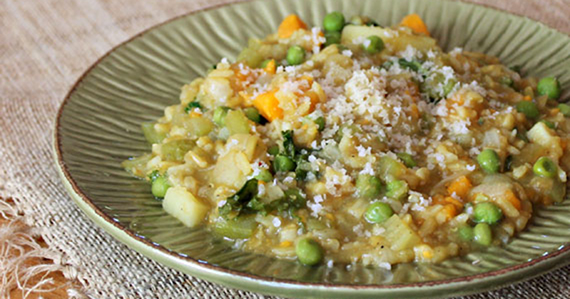
Where Do You get Your Protein

Vegetarians in Paradise

Protein Basics

PROTEIN BASICS:
WHERE DO YOU GET YOUR PROTEIN?

Click here for protein charts

“If you don’t eat meat, chicken, or fish, where do you get your protein?”
“You don’t eat dairy products or eggs either? How can you live without protein?”
“You can’t get enough protein on a vegan diet.”
“My doctor told me I could not stay healthy on a vegan diet”
“I tried a vegetarian diet, but I got sick.”
“I was on a vegetarian diet but I always felt tired. I needed more protein.”

Vegetarians and vegans have heard these statements over and over. Myths such as these simply will not go away without the solid facts to prove otherwise. We’ve attempted to reassure friends and family who shake their heads and click their tongues in utter amazement that we’ve survived many years on a vegan diet and still haven’t keeled over from lack of proper nutrition. Our only doctor visits consist of the annual check-up and accompanying lab tests that continue to affirm our excellent health. But simply telling people apparently isn’t enough.

The hard fact that constantly comes to the foreground is that the focus on protein borders on obsession in countries of the Western Hemisphere. One glance at restaurant menus and the plates that come to the table is proof that the centerpiece of the meal is the large serving of meat, chicken or fish frequently smothered in creamy sauces or melted cheese. The portions served at one meal alone come close to fulfilling a day’s worth of protein needs.

The meat and dairy industries spend billions of dollars to project their message right into your shopping cart through television commercials, magazine ads, and grocery store ads. These powerful industries even recognized it was important to teach young children “good nutrition” at a very early age. Since the end of World War II they spread their protein message to our nation’s youth by providing schools across the U.S. with colorful charts of the “important food groups” that emphasized meat, dairy products, and eggs. For the decades following World War II, one simply could not ignore the emphasis on protein.

Could we fail to ignore the large billboards flaunting larger than life-size images of cheese, eggs, and milk? And who can forget the successful ad campaigns for “Where’s the beef?” and “Milk does a body good” ? The protein message comes at us from all directions, even on bus benches.

Don’t misunderstand, we fully recognize that protein is a necessity to a healthy body, and that it is important to replenish our store of protein every day. Because the body doesn’t store protein as it does other nutrients, we’re aware it must be replaced each day as a source of nourishment for building and repairing new cells, hormones, antibodies, enzymes and muscle tissue. But, just how much protein do we really need?

Calculating Protein Requirements
Recently, studies on nitrogen balance provided more accurate ways to measure the body’s protein requirements. Joel Fuhrman, M.D. in his book Eat to Livewrites that an easy way to calculate your own daily protein requirement according to the U.S. RDA is to multiply 0.36 (grams) by your body weight. That translates to about 44 grams for a 120-pound woman and 54 grams for a 150-pound male. In metric terminology the RDA is 0.8 grams per kilogram of body weight.

Brenda Davis, R.D., and Vesanto Melina, M.S., R.D., in their book Becoming Vegan consider 0.9 grams per kilogram of body weight per day to be more ideal for vegans eating whole plant foods such as legumes, whole grains, and vegetables. Multiplying 0.45 grams by your body weight in pounds will give you the approximate protein need for your body. These figures are a little higher than actual RDA requirements but were considered necessary as a safety factor to account for reduced digestibility of whole plant foods versus more refined foods such as tofu, textured soy protein, and meat substitutes.

With this slightly higher figure a 120-pound person would need 54 grams of protein daily and a 150-pound person needs 67.5 grams. Another way to calculate your RDA for protein is to take your weight in pounds and divide by 2.2 (pounds per kilogram) to determine your weight in kilograms. Then figure 1 gram of protein for every kilogram of body weight. Those who include tofu, textured soy protein, meat substitutes, and refined grains will find 0.8 grams per kilogram of protein daily quite adequate.

Protein Needs During Pregnancy and Breastfeeding
Reed Mangels, PhD, R.D. says, “The newest RDA has looked at all the places where additional protein is needed in pregnancy (fetus, placenta, amniotic fluid, uterus, breasts, blood, etc.) and has recommended that protein intake in pregnancy should be 1.1 grams per kilogram per day or 25 grams more of protein than the RDA for non-pregnant women.

“The same recommendation is made for lactation to account for the protein content of milk.”

During pregnancy and breastfeeding, protein needs can easily be met by adding a little extra of the foods higher in protein, such as enriched soymilk, beans, tofu, tempeh, nuts, and nut butters in addition to a wide variety of fruits and vegetables.

While the focus on protein is important, the leafy green vegetables such as collards, kale, mustard greens, turnip greens, and spinach are also necessary for their high content of folate known to prevent neural tube defects such as spina bifida.

Protein for Recuperating Patients
Patients recuperating from surgery or serious bodily injuries, such as burns, require extra protein to help rebuild tissue. Their protein intake should be at a level of about 20 % of their calorie intake.

Protein for Athletes
If you’re an athlete or one who works at serious bodybuilding, one or more of your trainers may have suggested using protein powders or amino acid powders on a regular basis. Sports nutrition has focused heavily on protein.

In relating the position of the newest RDA information, Dr. Reed Mangels says, “Professional athletes may need more protein than those who are not in serious training, but how nuch more and even whether or not their protein needs are higher is a matter of differing opinion. I think the research supports slightly higher protein needs for athletes, but not everyone goes along with this.”

Recent studies suggest that strength athletes (weight lifters) and body builders need to consume up to 2.0 grams per kilogram of body weight to maintain sufficient amino acid balance. Some trainers recommend higher levels of protein intake, even exceeding 3.0 grams per kilogram. Endurance athletes require 1.2 to 1.4 grams per kilogram of body weight to provide for repair of muscle cell damage.

A diet that consists of 12 to 15% protein is considered ideal for both strength and endurance athletes who follow a vegan diet. For vegan athletes who want to keep their body weight low, 15 to 20% of calories should be protein. About 10 to 12% of calories as protein may be all that is required of those on very high calorie diets such as ironman athletes.

Dr. Ruth Heidrich, vegan ironman athlete, expresses the protein needs of athletes very simply. She says, ” With greater calorie burning, comes greater calorie consumption with its automatic increase in the absolute amount of protein.” For people who want to build more muscle, Dr. Heidrich discourages the use of protein supplements and stresses that “. . . if you want to develop a muscle, you have to overload it by putting more stress on it than it can handle. This is the ONLY way a muscle will get bigger and stronger.”

Protein Sources and Composition
Where do vegans get their protein? It’s simple. The plant-based diet includes a wide variety of whole foods consisting of beans, whole-grains, fruits, vegetables, nuts, and seeds, along with products made from these natural foods, such as tofu, tempeh, and meat analogs. Those who believe plant protein is inferior to animal protein may be surprised to learn that plant proteins contain the same 22 amino acids as animal proteins.

Protein, one of the three macronutrients, is composed of amino acids, often referred to as building blocks. A complete protein contains 22 amino acids. From the foods we consume, the body has the ability to manufacture most of the amino acids it requires. Nine of these amino acids are the exception: isoleucine, leucine, lysine, threonine, tryptophan, methionine, histidine, valine, and phenyalanine. This group of amino acids is considered essential to the body and must be obtained from the foods we eat.

Animal foods like meat, chicken, fish, eggs, and dairy products all contain complete protein–that is, all 22 amino acids. Complete protein in the vegan diet is found in the grain quinoa. Soybeans and products made from soybeans like tofu, tempeh, and miso, also contain complete protein. Soy sauce is not a complete protein.

Plant-based foods like legumes, most whole grains, fruits, vegetables, nuts, and seeds all contain protein but do not contain complete protein by themselves. However, the body forms an amino acid pool from the foods eaten throughout the day. When a vegan consumes a variety of foods eaten at breakfast, lunch, and dinner, the body can use these amino acids to make up complete protein.

Nutritionists advise that if a person is eating a broad selection of plant-based foods and consuming adequate calories, it is unlikely he or she will be protein deficient. Physicians in the United States rarely encounter patients who are deficient in protein. Deficiency is uncommon and is seen mostly in countries where serious shortages of food exist and malnutrition is prevalent.

Problems Caused by Too Much Protein
More common are the problems resulting from eating too much protein. In contrast to the U.S. RDA calculations, the average person in America consumes foods containing 100 to 120 grams of protein daily, mostly from animal products. Americans are also noted for their sedentary lifestyles. Excess protein especially of animal nature puts a great deal of stress on the kidneys. Some people, unaware that their kidneys are not operating optimally, could suffer premature aging of this important organ. A diet too high in protein could cause deterioration of the nephrons, which are the kidney’s filtering system. That same diet places people at risk for developing kidney stones.

Other health conditions that may result from an overabundance of protein include excessive calcium leaching from the bones and causing osteoporosis, acid reflux, obesity, plaque build-up in the arteries, high blood pressure, pain from arthritis, high cholesterol, bad breath from sulfur-containing amino acids, and increased risk of cancer, especially colon cancer.

Protein in Plant Foods
The charts below, using figures from the USDA Nutrient Database, list the protein content of the plant-based foods that comprise the vegetarian and vegan diets. People are often surprised to learn that all plant foods contain protein. In fact, it is protein that gives all plants their structure. Whether plants grow upright or sprawl on a vine, protein is a basic component of their cell structure.

Protein in Raw Nuts and Seeds
(shelled)


Nut/Seed (1/4 cup) Protein
Grams
Almond 7
Brazil nut 5
Cashew 4
Chestnut 1
Coconut (shredded) 2
Filbert/Hazelnut 5
Flax seed 5
Macadamia 2
Peanut 8
Pecan 2
Pine nut 4
Pistachio 6
Pumpkin seed 7
Sesame seed 7
Soynut 10
Sunflower seed 8
Walnut 5

Protein in Beans
(cooked)
Bean 1 cup Protein
Grams
Adzuki (Aduki) 17
Anasazi 15
Black Beans 15
Black-eyed Peas 14
Cannellini (White Beans) 17
Cranberry Bean 17
Fava Beans 13
Garbanzos (Chick Peas) 15
Great Northern Beans 15
Green Peas, whole 9
Kidney Beans 15
Lentils 18
Lima Beans 15
Mung Beans 14
Navy Beans 16
Pink Beans 15
Pinto Beans 14
Soybeans 29
Split Peas 16
Protein in Grains
(cooked)
Grain 1 cup Protein
Grams
Amaranth 7
Barley, pearled 4 to 5
Barley, flakes 4
Buckwheat groats 5 to 6
Cornmeal (fine grind) 3
Cornmeal (polenta, coarse) 3
Millet, hulled 8.4
Oat Groats 6
Oat, bran 7
Quinoa 5
Rice, brown 3 to 5
Rice, white 4
Rice, wild 7
Rye, berries 7
Rye, flakes 6
Spelt, berries 5
Teff 6
Triticale 25
Wheat, whole berries 6 to 9
Couscous, whole wheat 6
Wheat, bulgur 5 to 6

Protein in Meat, Chicken, Fish
Substitutes*
Product Serving
Size
Protein
Grams
Boca Burger Original Vegan 2.5 oz 13
GardenVegan Veggie Patties 2.5 oz 9
Health is Wealth Chicken-Free Patties 3 oz. 14
Health is Wealth Yummie Burger 2.5 oz. 12
Lightlife Gimme Lean 2oz. 8
Lightlife Smart Cutlets
Seasoned Chicken
3 oz. 26
Lightlife Smart Deli Combos 2.7 oz. 17
Lightlife Smart Dogs 1.5 oz. 9
Mon Cuisine Breaded Chicken Patties 3 oz. 7
Morningstar Farms Original Grillers 2.3 oz 15
Nate’s Meatless Meatballs (3) 1.5 oz 10
Natural Touch Vegan Burger 2.7 oz 11
Natural Touch Veggie Medley 2.3 oz 11
SoyBoy Vegan Okara Burger 3 oz. 13
SoyBoy Vegetarian Franks 1.5 oz. 11
Starlite Cuisine Soy Taquitos 2 oz. 7
White Wave Seitan 3 oz. 31
Whole Foods 365
Meat Free Vegan Burger
2.5 oz. 13
Yves Canadian Veggie Bacon (3 slices) 2 oz. 17
Yves Veggie Burger 3 oz. 16
Yves Veggie Chick’n Burgers 3 oz. 17
Yves Veggie Dogs 1.6 oz. 11

*All items vegan

Protein in Hot Cereals
(cooked)
Cereal Cup Protein
Grams
Arrowhead Mills Corn Grits 1/4 3
Arrowhead Mills 7 Grain 1/4 4
Bob’s 8 Grain 1/4 4
Bob’s 10 Grain 1/4 6
Bob’s Kamut 1/4 5
Bob’s Triticale 1/4 4
Bob’s Whole Grain Cracked Wheat 1/4 5
Cream of Rye 1/3 5
Kashi 1/2 6
Mother’s Multigrain 1/2 5
Quaker Old Fashioned Oats 1/2 5
Quinoa Flakes 1/3 3
Roman Meal Hot Cereal 1/3 5
Wheatena 1/3 5

Protein in Fresh Vegetables
(cooked)
Vegetable Serving Protein
Grams
Artichoke medium 4
Asparagus 5 spears 2
Beans, string 1 cup 2
Beets 1/2 cup 1
Broccoli 1/2 cup 2
Brussels Sprouts 1/2 cup 2
Cabbage 1/2 cup 1
Carrot 1/2 cup 1
Cauliflower 1/2 cup 1
Celeriac 1 cup 1
Celery 1 cup 1
Chard, Swiss 1 cup 3
Chayote 1 cup 1
Chives 1 tablespoon 0.10
Collards 1 cup 4
Corn, Sweet 1 large cob 5
Cucumber 1 cup 1
Eggplant 1 cup 1
Fennel 1 medium bulb 3
Jerusalem Artichoke 1 cup 3
Kale 1 cup 2.5
Kohlrabi 1 cup 3
Leeks 1 cup 1
Lettuce 1 cup 1
Okra 1/2 cup 1
Onion 1/2 cup 1
Parsnip 1/2 cup 1
Peas 1/2 cup 4
Peppers, bell 1/2 cup 1
Potato, baked with skin 2 1/3 x 4 3/4″ 5
Potato, boiled with skin 1/2 cup 1
Radish 1 cup 1
Rhubarb 1 cup 1
Rutabaga 1 cup 2
Spinach 1 cup 1
Squash, Summer 1 cup 2
Squash, Winter 1 cup 2
Sweet Potato 1 cup 3
Tomato 1 medium 1
Turnip 1 cup 1
Protein in Fruits
(raw)
Fruit Serving Protein
Grams
Apple 2 per lb. 0
Apricot med. 0
Avocado med. 4
Banana 1 1 to 2
Blackberry cup 2
Blueberry cup 1
Boysenberry cup 1
Cantaloupe cup 1
Casaba Melon cup 2
Cherimoya 1 7
Cherry cup 1
Cranberry cup 0
Currant cup 2
Date(pitted) 1/4 cup 1
Durian 1 cup 4
Feijoa med. 1
Fig 1 0
Gooseberry cup 1
Grape cup 1
Grapefruit 1/2 1
Guava med. 1
Honeydew cup 1
Jackfruit cup 2
Jujube, dried 1 oz. 1
Kiwi large 1
Kumquat med. 0
Lemon 1 1
Lime 1 0
Loganberry cup 1.4
Loquat 1 0
Mango 1 1
Mulberry cup 2
Nectarine 1 1
Orange 1 1
Papaya cup 1
Passionfruit 1 0
Peach 1 1
Pear 1 1
Persimmon 1 0
Pineapple cup 1
Plum 1 1
Pomegranate 1 1.5
Pomelo 1/2 2.3
Prickly Pear med. 1
Quince med. .4
Raspberry cup 1
Rhubarb cup 1
Sapote med. 5
Star Fruit cup 1
Strawberry cup 1
Tangerine med. 1
Watermelon cup 1
Protein in Nut Butters
Nut/Seed
(2 Tablespoons)
Protein
Grams
Almond
5 to 8
Cashew
4 to 5
Peanut
7 to 9
Sesame Tahini
6
Soy Nut
6 to 7
Protein in Milk Substitutes
Beverage
1 cup
Protein
Grams
Soy Regular
6 to 9
Soy Low/Nonfat
4
Rice
1
Rice and Soy
7
Almond
1 to 2
Oat
4
Multigrain
5
Protein in Soy Products
Product Serving
Size
Protein
Grams
Tofu
Medium to Extra Firm
3 oz. 7 to 12
Tofu
Soft or Silken
3 oz. 4 to 6
Tempeh 4 oz. 12 to 20
Textured Vegetable Protein
TVP
1/4 cup 10 to 12

References

Davis, Brenda and Vesanto Melina. Becoming Vegan. Summertown, Tennessee: Book Publishing Company, 2000.

Fuhrman, Joel. Eat to Live. New York: Little Brown and Company, 2003.

Heidrich, Ruth. E-mail interview. 14 April 2003.

Klaper, Michael, Pregnancy, Children, and the Vegan Diet. Paia, Hawaii: Gentle World, Inc., 1997.

Mangels, Reed, “Protein in the Vegan Diet.” The Vegetarian Resource Group, Nutrition. http://www.vrg.org/nutrition/protein.htm

Mangels, Reed, “The Vegan Diet During Pregnancy.” Satya June 1998.http://www.satyamag.com/jun98/pregnancy.html

Melina, Vesanto and Brenda Davis. The New Becoming Vegetarian.Summertown, Tennessee: Healthy Living Publications, 2003.

“Protein and Amino Acid Requirements in Human Nutrition.” Report of a Joint WHO/FAO/UNU Expert Consultation. United Nations University. WHO Technical Report Series 935. Geneva, Switzerland, 2002

USDA National Nutrient Database for Standard Reference.http://www.nal.usda.gov/fnic/foodcomp/search/

Top of Page

Vegetarians in Paradise

Cholesterol

What is Cholesterol? What Causes High Cholesterol?

Answer: In general, the main sources of saturated fat are from animal products: red meat and whole-milk dairy products, including cheese,sour cream, ice cream and butter.

Cholesterol is a lipid (fat) which is produced by the liver. Cholesterol is vital for normal body function. Every cell in our body has cholesterol in its outer layer.

Cholesterol is a waxy steroid and is transported in the blood plasma of all animals. It is the main sterol synthesized by animals – small amounts are also synthesized in plants and fungi. A sterol is a steroid sub-group.

Cholesterol levels among US adults today are generally higher than in all other industrial nations. During the 1990s there was some concern about cholesterol levels in American children. According to the CDC (Centers for Disease Control and Prevention), nearly 1 in every 10 children/adolescents in the USA has elevated total cholesterol levels; and this was after concentrations had dropped over a 20-year period.

The word “cholesterol” comes from the Greek word chole, meaning “bile”, and the Greek word stereos, meaning “solid, stiff”.
What are the functions of cholesterol?

It builds and maintains cell membranes (outer layer), it prevents crystallization of hydrocarbons in the membrane
It is essential for determining which molecules can pass into the cell and which cannot (cell membrane permeability)
It is involved in the production of sex hormones (androgens and estrogens)
It is essential for the production of hormones released by the adrenal glands (cortisol, corticosterone, aldosterone, and others)
It aids in the production of bile
It converts sunshine to vitamin D. Scientists from the Rockefeller University were surprised to find that taking vitamin D supplements do not seem to reduce the risk of cholesterol-related cardiovascular disease.
It is important for the metabolism of fat soluble vitamins, including vitamins A, D, E, and K
It insulates nerve fibers
There are three main types of lipoproteins

Cholesterol is carried in the blood by molecules called lipoproteins. A lipoprotein is any complex or compound containing both lipid (fat) and protein. The three main types are:
LDL (low density lipoprotein) – people often refer to it as bad cholesterol. LDL carries cholesterol from the liver to cells. If too much is carried, too much for the cells to use, there can be a harmful buildup of LDL. This lipoprotein can increase the risk of arterial disease if levels rise too high. Most human blood contains approximately 70% LDL – this may vary, depending on the person.

HDL (high density lipoprotein) – people often refer to it as good cholesterol. Experts say HDL prevents arterial disease. HDL does the opposite of LDL – HDL takes the cholesterol away from the cells and back to the liver. In the liver it is either broken down or expelled from the body as waste.

Triglycerides – these are the chemical forms in which most fat exists in the body, as well as in food. They are present in blood plasma. Triglycerides, in association with cholesterol, form the plasma lipids (blood fat). Triglycerides in plasma originate either from fats in our food, or are made in the body from other energy sources, such as carbohydrates. Calories we consume but are not used immediately by our tissues are converted into triglycerides and stored in fat cells. When your body needs energy and there is no food as an energy source, triglycerides will be released from fat cells and used as energy – hormones control this process.
What are normal cholesterol levels?

The amount of cholesterol in human blood can vary from 3.6 mmol/liter to 7.8 mmol/liter. The National Health Service (NHS), UK, says that any reading over 6 mmol/liter is high, and will significantly raise the risk of arterial disease. The UK Department of Health recommends a target cholesterol level of under 5 mmo/liter. Unfortunately, two-thirds of all UK adults have a total cholesterol level of at least five (average men 5.5, average women 5.6).

Below is a list of cholesterol levels and how most doctors would categorize them in mg/dl (milligrams/deciliter) and 5mmol/liter (millimoles/liter).
Desirable – Less than 200 mg/dL
Bordeline high – 200 to 239 mg/dL
High – 240 mg/dL and above

Optimum level: less than 5mmol/liter
Mildly high cholesterol level: between 5 to 6.4mmol/liter
Moderately high cholesterol level: between 6.5 to 7.8mmol/liter
Very high cholesterol level: above 7.8mmol/liter
Dangers of high cholesterol levels

High cholesterol levels can cause:
Atherosclerosis – narrowing of the arteries.

Higher coronary heart disease risk – an abnormality of the arteries that supply blood and oxygen to the heart.

Heart attack – occurs when the supply of blood and oxygen to an area of heart muscle is blocked, usually by a clot in a coronary artery. This causes your heart muscle to die.

Angina – chest pain or discomfort that occurs when your heart muscle does not get enough blood.

Other cardiovascular conditions – diseases of the heart and blood vessels.

Stroke and mini-stroke – occurs when a blood clot blocks an artery or vein, interrupting the flow to an area of the brain. Can also occur when a blood vessel breaks. Brain cells begin to die.
If both blood cholesterol and triglyceride levels are high, the risk of developing coronary heart disease rises significantly.

Symptoms of high cholesterol (hypercholesterolaemia)

Symptoms of high cholesterol do not exist alone in a way a patient or doctor can identify by touch or sight. Symptoms of high cholesterol are revealed if you have the symptoms of atherosclerosis, a common consequence of having high cholesterol levels. These can include:
Narrowed coronary arteries in the heart (angina)

Leg pain when exercising – this is because the arteries that supply the legs have narrowed.

Blood clots and ruptured blood vessels – these can cause a stroke or TIA (mini-stroke).

Ruptured plaques – this can lead to coronary thrombosis (a clot forming in one of the arteries that delivers blood to the heart). If this causes significant damage to heart muscle it could cause heart failure.

Xanthomas – thick yellow patches on the skin, especially around the eyes. They are, in fact, deposits of cholesterol. This is commonly seen among people who have inherited high cholesterol susceptibility (familial or inherited hypercholesterolaemia).
What causes high cholesterol?

Lifestyle causes
Nutrition – although some foods contain cholesterol, such as eggs, kidneys, eggs and some seafoods, dietary cholesterol does not have much of an impact in human blood cholesterol levels. However, saturated fats do! Foods high in saturated fats include red meat, some pies, sausages, hard cheese, lard, pastry, cakes, most biscuits, and cream (there are many more).

Sedentary lifestyle – people who do not exercise and spend most of their time sitting/lying down have significantly higher levels of LDL (bad cholesterol) and lower levels of HDL (good cholesterol).

Bodyweight – people who are overweight/obese are much more likely to have higher LDL levels and lower HDL levels, compared to people who are of normal weight.

Smoking – this can have quite a considerable effect on LDL levels.

Alcohol – people who consume too much alcohol regularly, generally have much higher levels of LDL and much lower levels of HDL, compared to people who abstain or those who drink in moderation.
Treatable medical conditions

These medical conditions are known to cause LDL levels to rise. They are all conditions which can be controlled medically (with the help of your doctor, they do not need to be contributory factors):
Diabetes
High blood pressure (hypertension)
High levels of triglycerides
Kidney diseases
Liver diseases
Under-active thyroid gland
Risk factors which cannot be treated

These are known as fixed risk factors:
Your genes 1 – people with close family members who have had either a coronary heart disease or a stroke, have a greater risk of high blood cholesterol levels. The link has been identified if your father/brother was under 55, and/or your mother/sister was under 65 when they had coronary heart disease or a stroke.

Your genes 2 – if you have/had a brother, sister, or parent with hypercholesterolemia (high cholesterol) or hyperlipidemia (high blood lipids), your chances of having high cholesterol levels are greater.


The Calcium Question

What About Calcium

Almost Everything You Want To Know
And Are Not Afraid To Ask

Click here for calcium charts

Tell someone you are vegan, and invariably the first question you are asked is “How do you get your protein?” If you have not already discovered it, we have simplified your response by providing answers to that query in ourProtein Basics.

Most likely, the second frequently asked question you’ll hear is “If you don’t eat dairy products, how do you get enough calcium?” In this article we endeavor to present common questions about calcium in the diet. Each question is answered with a quotation or quotations from those we consider reliable sources like physicians, dieticians, and researchers.

If after reading this article you find a dietary calcium question we have not addressed, send it to us so that we can research the answer and include it in this article.

Q: What is calcium?

A: “Calcium is a mineral that the body needs for numerous functions, including building and maintaining bones and teeth, blood clotting, the transmission of nerve inpulses, and the regulation of the heart’s rhythm. Ninety-nine percent of the calcium in the human body is stored in the bones and teeth. The remaining 1 percent is found in the blood and other tissues.”
Source: Harvard School of Public Health
http://www.hsph.harvard.edu/nutritionsource/what-should-you-eat/calcium-full-story/#where
Q: How does the body acquire calcium?

A: “The body gets calcium it needs in two ways. One is by eating foods that contain calcium. Good sources include dairy products, which have the highest concentration per serving of highly absorbable calcium, and dark leafy greens or dried beans, which have varying amounts of absorbable calcium.

“The other way the body gets calcium is by pulling it from bones. This happens when the blood levels of calcium drop too low, usually when it’s been a while since having eaten a meal containing calcium. Ideally, the calcium that is ‘borrowed’ from the bones will be replaced at a later point. But, this doesn’t always happen. Most important, this payback can’t be accomplished simply by eating more calcium.”
Source: Harvard School of Public Health
http://www.hsph.harvard.edu/nutritionsource/what-should-you-eat/calcium-full-story/#where
Q: How much calcium do I need?

A: According to the Office of Dietary Supplements of the National Institutes of Health, the amount needed varies by age group but not by sex. The chart below contains their recommendations:

Male &
Female Age
Calcium
(mg per day)
0 to 6 months
210
7 to 12 months
270
1 to 3 years
500
4 to 8 years
800
9 to 13 years
1300
14 to 18 years
1300
19 to 50 years
1000
5 1+ years
1200
Pregnant/Lactating Women
1000

Source: Office of Dietary Supplements, NIH Clinical Center, National Institutes of Health
http://dietary-supplements.info.nih.gov/factsheets/calcium.asp

Dr. John McDougall takes a different view. He writes, “Studies have shown that an intake of 150 to 200 mg of calcium daily is adequate to meet the needs of most people, even during pregnancy and lactation. And in fact, most of the world’s population injests 300 to 500 mg of calcium each day. Calcium is so efficiently absorbed by the human intestine and so sufficient in diets of mankind, that calcium deficiency of dietary origin is unknown in human beings.

“Only in those places where calcium and protein are eaten in relatively high quantities does a deficiency of bone calcium exist at such epidemic rates, due to an excess of animal protein.”
Source: The McDougall Program for a Healthy Heart, 256
Q: Are most Americans meeting the recommended intake for calcium?

A: According to a Continuing Survey of Food Intakes of Individuals conducted by the US Department of Agriculture between the years 1994 and 1996, the following percentage of Americans did not meet the recommended intake for calcium:

  • 44% boys and 58% girls ages 6 to 11
  • 64% boys and 87% girls ages 12 to 19
  • 55% of men and 78% of women ages 20+

Source: Office of Dietary Supplements, NIH Clinical Center, National Institutes of Health
http://dietary-supplements.info.nih.gov/factsheets/calcium.asp
Q: How can I recognize if I am deficient in calcium?

A: Dr. Holly Roberts says, “If you have a calcium deficiency, you may develop twitching, nerve sensitivity, brittle nails, insomnia, depression, numbness, and heart palpitations. Painful muscle cramps in the calves may occur often during pregnancy, particularly in women who are deficient in calcium.”
Source: Your Vegetarian Pregnancy, 111
Q: Are dairy products the best source of calcium?

A: Dr. Walter Willett says, ” Milk is clearly the most efficient way to get calcium from food, since it delivers almost 300 mg per eight-ounce glass. Few other foods come close to packing in that much calcium. But milk delivers more than just calcium, and some of its other components–like extra calories, saturated fat, and the sugar known as galactose–aren’t necessarily good for you. What’s more, as many as 50 million adults in the United States can’t completely digest the milk sugar known as lactose. Nor can most of the world’s population.

“Dairy products shouldn’t occupy the prominent place that they do in the USDA Pyramid, nor should they be the centerpiece of the national strategy to prevent osteoporosis. Instead, the evidence shows that dietary calcium should come from a variety of sources and, if more calcium is really needed, from cheap, no-calorie, easy-to-take supplements. Then you can look at dairy products as an optional part of a healthy diet and take them in moderation, if at all.”
Source: Eat, Drink, and Be Healthy, 139

Dr. Willett adds, “If no one really knows the best daily calcium target, then why not play it safe and boost your calcium by drinking three glasses a day? Here are five good reasons: lactose intolerance, saturated fat, extra calories, a possible increased risk of prostate cancer, and a possible increased risk of ovarian cancer.” Source: Eat, Drink, and Be Healthy, 144

Dr. Neal Barnard writes, “Dairy products contain sex hormones, too. Farmers keep dairy cattle pregnant virtually constantly. This keeps their milk production high. The hormones circulating in a pregnant cow’s blood easily pass into her milk. In fact, one of the ways farmers test whether their cows are pregnant or not is to measure estrogens in their milk. You cannot taste them, but they are there. These hormones end up in milk regardless of whether the farmer gives extra hormones to the cow; the cow makes them herself and they go straight into her milk. Several population studies have shown a correlation between dairy product consumption and breast cancer incidence.”
Source: Eat Right, Live Longer, 71-72
Q: Will consuming dairy products protect me from developing osteoporosis?

Dr. Fuhrman says, “Hip fractures and osteoporosis are more frequent in populations in which dairy products are commonly consumed and calcium intakes are commonly high. For example, American women drink thirty to thirty-two times as much cow’s milk as the New Guineans, yet suffer forty-seven times as many broken hips. A multicountry analysis of hip-fracture incidence and dairy-product consumption found that milk consumption has a high statistical association with higher rates of hip fractures.”
Source: Eat to Live, 84

Dr. T. Colin Cambell says: “Americans consume more cow’s milk and its products per person than most populations in the world. So Americans should have wonderfully strong bones, right? Unfortunately not. A recent study showed that American women aged fifty and older have one of the highest rates of hip fractures in the world. The only countries with higher rates are in Europe and in the South Pacific (Australia and New Zealand) where they consume even more milk than the United States.”
Source: The China Study, 204

Dr. Fuhrman states, “There are many good reasons not to consume dairy. For example, there is a strong association between dairy lactose and ischemic heart disease. There is also a clear association between high-growth-promoting foods such as dairy products and cancer. There is a clear association between milk consumption and testicular cancer. Dairy fat is also loaded with various toxins and is the primary source of our nation’s high exposure to dioxin. Dioxin is a highly toxic chemical compound that even the U.S. Environmental Protection Agency admits is a prominent cause of many types of cancer in those consuming dairy fat, such as butter and cheese. Cheese is also a power inducer of acid load, which increases calcium loss further. Considering that cheese and butter are the foods with the highest saturated fat content and a major source of our dioxin exposure, cheese is a particularly foolish choice for obtaining calcium.”
Eat to Live, 88-89
Q: What role does phosphorus play in calcium deficiency?

A: Dr. Holly Roberts says, “Calcium deficiency can occur, not only if your diet is low in calcium, but also if your diet is high in phosphorus. The ratio of calcium to phosphorus in your bones is 2.5 to 1. If your diet includes higher levels of calcium than phosphorus, it is more likely that you will maintain this healthy ratio and healthy bones. To do this, it is best if you maintain a ratio of phosphorous to calcium within your diet of 1:1. The diet of many Americans contains a phosphorous-to-calcium ratio of 4:1. Calcium is a positive ion, which means it will bind with negative ions. Foods that contain phosphorus form negative ions. So if you have excess phosphorus in your diet, it will bind calcium to it and you will excrete both of these minerals. If such a situation develops, you may actually lose more calcium than you took in, and you will deplete the calcium stored in your bones. Phosphorus is present in carbonated drinks, meat, eggs, and cheese spreads.

“You will absorb higher levels of calcium if your diet contains adequate amounts of vitamin D, magnesium, dairy products, and vitamin C. Regular exercise helps the body absorb calcium. However, if you follow a high-fat or high-protein diet that is rich in phosphorus, it will be more difficult for your body to absorb calcium.”
Source: Your Vegetarian Pregnancy, 111
Q: What happens if I get too much calcium?

A: The Linus Pauling Institute at Oregon State University states, “Abnormally elevated blood calcium (hypercalcemia) resulting from the over consumption of calcium has never been documented to occur from foods, only from calcium supplements. Mild hypercalcemia may be without symptoms, or may result in the loss of appetite, nausea, vomiting, constipation, abdominal pain, dry mouth, thirst, and frequent urination. More severe hypercalcemia may result in confusion, delirium, coma, and if not treated, death. Hypercalcemia has been reported only with the consumption of large quantities of calcium supplements usually in combination with antacids, particularly in the days when peptic ulcers were treated with large quantities of milk, calcium carbonate (antacid) and sodium bicarbonate (absorbable alkali). The condition was termed milk alkalai syndrome, and has been reported at calcium supplement levels from 1.5 to 16.5 grams/day for 2 days to 30 years. Since the treatment for peptic ulcers has changed, the incidence of this syndrome has decreased considerably.
Source: “Calcium.” Linus Pauling Institute at Oregon State University
http://lpi.oregonstate.edu/infocenter/minerals/calcium
Q: If I follow a vegan diet, do I need as much calcium as people on the Standard American Diet?

A: Registered dieticians Vesanto Melina and Brenda Davis write: Recommended Calcium
Adequate Intake

Adequate Intakes of Calcium for Adults

Age AI calcium, mg
19-50 years 1000
Over 50 years 1200

“Because calcium needs are influenced by a host of factors, it is extremely difficult for nutrition experts to determine exactly how much calcium an individual needs to function at optimum levels and to continue into old age with healthy, strong bones. In fact, it has been such a challenge that the recommendations are now called ‘Adequate Intakes’ (AI) and are a sort of ‘best guess,’ used when there is insufficient data to make a firm recommendation. These Adequate Intakes may seem high. Remember that they are based on the needs of the general North American population, with high amounts of sodium and meat-centered diets providing much more protein than needed. To make things worse, the population is largely sedentary, a factor that works against the retention of minerals in bones.

“It is possible that the calcium requirements of vegans and of other vegetarians are lower than the general population, particularly if:

  • protein intakes are adequate and yet closer to recommendations
  • sodium intake is not over 2,400 mg/day, on average;
  • there is regular participation in weight-bearing exercise.

“However, note that salt, tamari, and miso are vegan food ingredients. Though plant proteins are somewhat lower in sulfur-containing amino acids, vegans should not assume they are protected from osteoporosis because of lower protein intakes.” Source: Becoming Vegan, 95
Q: How much calcium do we absorb from the foods we eat?

Melina and Davis point out, “On average, North Americans absorb about 30% of the calcium that is present in our diets, but when you take into account the amounts lost in urine and feces, the actual amount we retain may be as low as 10% of what was in our food. From the calcium that makes its way into our bodies, there can be substantial losses, depending on certain characteristics of our diet, particularly the protein and sodium contents. A single fast food hamburger could result in calcium losses of about 23 mg. However, if we retain only 10% of what was in our diet, that one burger would, in effect, increase dietary calcium needs by 230 mg.”
Source: Becoming Vegan, 93

Dr. John McDougall says: “Humans have a highly efficient intestinal tract that, under almost every circumstance, will absorb the correct amount of calcium to meet the body’s needs. The intestinal cells act as regulators for the amount of calcium that enters the body. When the calcium content of the diet is low, a relatively higher percentage of calcium will be absorbed from the foods. If the diet is high in calcium, a smaller percentage of the calcium will be absorbed. But the body’s need is always the controlling factor regulating the entry of calcium into the cells of the intestinal wall.”
Source: The McDougall Program for a Healthy Heart, 255-256
Q: What triggers the body to pull calcium from the bones?

A: Dr. Fuhrman provides the following list:

Dietary Factors That Induce Calcium Loss in the Urine
animal protein
salt
caffeine
refined sugar
alcohol
nicotine
aluminum-containing antactids
drugs such as antibiotics, steroids, thyroid hormone
vitamin A supplements

Source: Eat To Live, 86

Dr. Neal Barnard provides his list:

CALCIUM DEPLETERS

  • Animal protein
  • Caffeine
  • Excess phosporus (sodas, animal products)
  • Sodium (animal products, canned or snack foods)
  • Tobacco
  • Sedentary lifestyle

Source: Eat Right, Live Longer, 167

Davis and Melina say, “When the kidneys excrete excess sodium, 23 to 26 mg of calcium is lost along with every gram of sodium excreted.”
Source: Becoming Vegan, 94
Q: Why is a vegetarian diet better for bone health?

A: Dr. Neal Barnard explains: “A meat-based diet is disastrous for bones. Switching from beef to chicken or fish does not help because these products have as much animal protein as beef or even a bit more. Bodybuilders and others who take protein supplements have even greater calcium losses. The problem is not just the amount of protein in meats but also the type. Meats are loaded with what are called sulfur-containing amino acids, which are especially aggressive at causing calcium to be lost in the urine.”
Source: Eat Right, Live Longer, 162-163

In looking at calcium loss, Dr. Joel Fuhrman states, “Published data clearly links increased urinary excretion of calcium with animal-protein intake but not with vegetable-protein intake. Plant foods, though some may be high in protein, are not acid-forming. Animal-protein ingestion results in a heavy acid load in the blood. This sets off a series of reactions whereby calcium is released from the bones to help neutralize the acid. The sulfur-based amino acids in animal products contribute significantly to urinary acid production and the resulting calcium loss. The Nurses Health Study found that women who consumed 95 grams of protein a day had a 22% greater risk of forearm fracture than those who consumed less than 68 grams.”
Source: Eat To Live, 86

Dr. Dean Ornish says, “The real cause of osteoporosis in this country is not insufficient calcium intake, it’s excessive excretion of calcium in the urine. Even calcium supplementation is often not enough to make up for the increased calcium excretion. Vegetarians, in contrast, excrete much less calcium, and this is why they have very low rates of osteoporosis even though their dietary intake of calcium is lower than those on a meat-eating diet.”
Source: Dr. Dean Ornish’s Program for Reversing Heart Disease, 301
Q: What are good food sources for calcium?

A: “Dairy products are not the healthiest source,” says Dr. Neal Barnard. “They do contain calcium, but only about 30% of it is absorbed. The remaining 70% never makes it past the intestinal wall and is simply excreted with the feces. Dairy products have many other undesirable features, including animal proteins that contribute to some cases of arthritis and respiratory problems, lactose sugar that is linked to cataracts, frequent traces of antibiotics, and other problems that lead many doctors to suggest that we avoid them and get calcium from healthier sources.

“The healthiest calcium sources are ‘greens and beans.’ Green leafy vegetables are loaded with calcium. One cup of broccoli has 178 milligrams of calcium. What’s more, the calcium in broccoli and most other green leafy vegetables is more absorbable than the calcium in milk. An exception is spinach, which has a form of calcium that is not well absorbed.”

“Beans, lentils, and other legumes are also loaded with calcium. We think of beans as a humble food, but they are an extraordinary source of nutrition. They have calcium, omega-3 fatty acids, the cholesterol-lowering soluble fiber that many people thought was only in oat bran, and healthy complex carbohydrates. If you make green vegetables and beans regular parts of your diet, you’ll get two excellent sources of calcium.”
Source: Eat Right, Live Longer, 168

Dr. Fuhrman agrees by writing, “You do not need dairy products to get sufficient calcium if you eat a healthy diet. All unprocessed natural foods are calcium-rich; even a whole orange (not orange juice) has about 60 mg of calcium.”
Source: Eat to Live, 89-90

Dr. John McDougall says, “A vegetable-based diet is rich in calcium and all the other nutrients the body needs. Let’s not forget that the original source of all calcium is the earth, and plants make this mineral available to animals, including humans, in delicious, digestible packages. That’s where all the animals get it and you can, too.”
Source: The McDougall Program for a Healthy Heart, 256
Q: Is milk the best source of calcium for infants and young children?

A: Dr. Charles Attwood says, “Infants fed whole cow’s milk have low intakes of iron, linoleic acid, and vitamin E, and excessive intakes of sodium, potassium, and protein, illustrating the poor nutritional compatability of solid foods and whole cow’s milk.

“Whole cow’s milk displaces some and, in many cases, most solids in this age group. I regularly find children in my practice over the age of 1 year who consume up to a half-gallon of cow’s milk daily and barely any solids at all. This leads to respiratory allergies, obesity, iron deficiency anemia, and, not least of all, elevated cholesterol levels due to the excess of saturated fat.”
Source: Dr. Attwood’s Low-Fat Prescription for Kids, 64-65

Dr. John McDougall says, “Dairy protein can cause severe constipation. A 1998 study published in the New England Journal of Medicine looked at sixty-five severely constipated children averaging only one bowel movement every three to fifteen days. Though these children did not respond to strong laxatives (lactulose and mineral oil), forty-four of the sixty-five (68%) found relief of their constipation by removing cow’s milk from their diet. Related problems, such as inflammation of the bowel, anal fissures, and pain, were all resolved as well with the elimination of cow’s milk. When cow’s milk was reintroduced into their diet eight to twelve months later, all of the children redeveloped constipation within five to ten days.”
Source: Dr. McDougall’s Digestive Tune-Up, 73, 75
Q: What role does Vitamin D play in relation to calcium?

A: In Becoming Vegan the authors write, “Vitamin D is a major player in a team of nutrients and hormones that keep blood calcium at optimal levels and support bone health during growth and throughout life. It stimulates the absorption of the bone-building minerals calcium and phosphorus from the intestine and helps regulate the amount of calcium in bone. It is important for proper functioning of cells throughout the body (in muscle, nerves, and glands) that depend on calcium. If more blood calcium is needed, vitamin D is able to act in three places:

  1. to reduce urinary calcium losses via the kidneys;
  2. to absorb calcium from food more efficiently in the digestive tract;
  3. to draw calcium from our bones, which serve as a storehouse of calcium.

Source: Becoming Vegan, 133-134
Q: How is vitamin K related to calcium?

A: Dr. Walter Willett writes, “Until recently, vitamin K was thought to be necessary mostly for the formation of proteins that regulate blood clotting. It turns out, though, that this fat-soluble vitamin also plays one or more roles in the regulation of calcium and the formation and stabilization of bone. So too little vitamin K may help set the stage for osteoporosis. In the Nurses’ Health Study, women who got more than 109 micrograms of vitamin K a day were 30 percent less likely to break a hip than women who got less than that amount. Vitamin K is mainly found in green vegetables such as dark green lettuce, broccoli, spinach, Brussels sprouts, and kale. Eating one or more servings of these foods a day should give you enough vitamin K.
Source: Eat, Drink, and Be Healthy, 150


Editors’ Note: Most of the values in the charts below can be found in the USDA National Nutrient Database for Standard Referencehttp://www.nal.usda.gov/fnic/foodcomp/search/

Calcium in Raw Nuts
and Seeds (shelled)
Nut/Seed (1 ounce) Calcium
Milligrams
Almonds (23) 70.0
Brazil nuts (6 to 8) 45.0
Cashews (18) 10.0
Chestnuts, Chinese boiled 3.0
Chestnut, European boiled 13.0
Chestnuts, Japanese roasted 10.0
Coconut meat, dried unsweetened 7.4
Hazelnuts/Filberts (21) 32.0
Flaxseeds (tablespoon ground) 18.0
Macadamias (10 to 12) 24.0
Peanuts, dry roasted 15.0
Pecans (19 halves) 20.0
Pine nuts 2.0
Pistachio (49) 30.0
Pumpkin seed (142) 12.0
Sesame seed, roasted 37.0
Sunflower seed, roasted 16.0
Walnut, black 17.0
Walnut, English (14 halves) 28.0
Watermelon seed, dried 15. 0
Calcium in Beans
(dried, cooked)
Bean 1 cup Calcium
Milligrams
Adzuki Beans (Aduki) 64.0
Black Beans 46.0
Black-eyed Peas (Cowpeas) 39.0
Cranberry Beans 88.0
Fava Beans (Broadbeans) 61.0
Garbanzos (Chickpeas) 80.0
Great Northern Beans 120.0
Kidney Beans 50.0
Lentils 38.0
Lima Beans, large 32.0
Mung Beans 15.0
Navy Beans 126.0
Pink Beans 88.0
Pinto Beans 79.0
Soybeans 175.0
Split Peas 27.0
Calcium in Grains
(cooked)
Grain 1 cup Calcium
Milligrams
Amaranth 276.0
Barley, pearled 17.0
Buckwheat groats (kasha) 12.0
Bulgur Wheat 18.0
Hominy, canned 16.0
Millet, hulled 5.0
Oat bran 22.0
Rice, brown (long grain) 20.0
Rice, white 16.0
Rice, wild 5.0
Wheat, sprouted 30.0
Wheat bran, crude 42.0
Wheat germ. toasted 51.0


Calcium in Meat, Chicken, Fish
Substitutes*
Product Serving
Size
Calcium
Milligrams
Boca Burger Original Vegan 2.5 ounces 60
Dr. Praeger’s Veggie Burgers 3 ounces 40
Health is Wealth Chicken-Free Patties 3 ounces 120
Lightlife Gimme Lean 2 ounces 40 to 60
Lightlife Ground Round 2 ounces 80
Lightlife Breakfast Links 2 links (2 ounces) 60
Soyrizo Chorizo 2 ounces 60
White Wave Tempeh 3 ounces 60
Yves Meatless Beef Burger 3 ounces 60
Yves Meatless Chicken Burgers 3 ounces 80
Yves Veggie Breakfast Patties 2 ounces 60
Yves Veggie Breakfast Links 3 ounces 80

*All items vegan

Calcium in Ready-to Eat Cereals
Cereal Cup Calcium
Milligrams
General Mills Basic 4 1 250.0
General Mills Cheerios 1 100.0
General Mills Fiber One 1 200.0
General Mills Total 3/4 258.0
General Mills Total Corn Flakes 1 1/3 1000.0
General Mills Total Raisin Bran 1 1000.0
General Mills Wheaties 1 20.0
Kellogg’s All-Bran 1/2 121.0
Kellogg’s Product 19 1 5.0
Kellogg’s Raisin Bran 1 29.0
Kellogg’s Rice Krispies 1 2.0
Kellogg’s Special K 1 9.0
Post Grape Nuts 1/2 20.0
Post 100% Bran 1/3 22.0
Post Raisin Bran 1 30.0
Post Shredded Wheat 1 1/4 27.0
Quaker Cinnmon Life 1 138.0
Quaker Oat Bran 1 1/4 109.0
Quaker Oat Life Plain 3/4 112.0
Quaker 100% Natural Granola Oats & Honey 1/2 61.0
Calcium in Fresh Vegetables
(cooked)
Vegetable Serving Calcium
Milligrams
Artichokes medium 54.0
Asparagus 1/2 cup 21.0
Beans, Green 1 cup 55.0
Beet greens 1 cup 164.0
Beets, sliced 1 cup 28.0
Bok Choy (Chinese Cabbage) 1 cup 158.0
Broccoli, chopped 1/2 cup 31.0
Broccoli, Chinese 1 cup 88.0
Broccoli raab (Rapini) 1 bunch 516.0
Brussels Sprouts 1/2 cup 28.0
Cabbage, Green 1/2 cup 36.0
Cabbage, Red 1/2 cup 32.0
Cabbage, Savoy 1 cup 44.0
Carrots, sliced 1/2 cup 23.0
Cauliflower 1/2 cup 10.0
Celeriac 1 cup 40.0
Celery 1 cup diced 63.0
Chayote 1 cup 21.0
Collards 1 cup 266.0
Corn, Sweet 1 large ear 2.0
Dandelion Greens 1 cup 147.0
Eggplant 1 cup 6.0
Kale 1 cup 94.0
Kale, Scotch 1 cup 172.0
Kohlrabi,slices 1 cup 41.0
Leeks 1 medium 37.0
Okra, sliced 1/2 cup 62.0
Onions 1 cup 46.0
Parsnips 1/2 cup 29.0
Peas 1/2 cup 43.0
Peppers, green bell 1/2 cup 6.0
Potato medium, baked with skin 2 1/4″ x 3 1/4″ 26.0
Potato, boiled with skin 1/2 cup 4.0
Snow Peas 1 cup 94.0
Spinach 1 cup 245.0*
Squash, Acorn 1 cup cubed 90.0
Squash, Butternut 1 cup cubed 84.0
Squash, Crookneck 1 cup cubed 40.0
Squash, Hubbard 1 cup cubed 35.0
Squash, pattypan (summer scallop) 1 cup sliced 27.0
Squash, Spaghetti 1 cup 33.0
Squash, Winter 1 cup 29.0
Sweet Potato 1 medium with
skin (2″ x 5″)
43.0
Swiss Chard 1 cup chopped 102*
Tomato, Stewed 1 cup 26.0
Turnip mashed 1 cup 26.0
Turnip greens 1 cup chopped 197.0
Zucchini 1 cup sliced 23.0

*Oxalates prevent the complete absorption of calcium.

Lettuce, romaine shredded

Calcium in Fresh Vegetables
(raw)
Vegetable Serving Calcium
Milligrams
Artichoke medium 56.0
Asparagus 1 cup 32.0
Beans, green 1 cup 41.0
Beans, kidney (Sprouted) 1 cup 31.0
Beans, mung (Sprouted) 1 cup 14.0
Beans, navy (Sprouted) 1 cup 16.0
Beets 1 cup 22.0
Broccoli 1/2 cup 21.0
Broccoli, Chinese 1 cup 88.0
Brussels Sprouts 1 cup 37.0
Cabbage, Chinese (Bok choy) shredded 1 cup 74.0
Cabbage, Chinese (Pe tsai) shredded 1 cup 59.0
Cabbage, green shredded 1 cup 28.0
Cabbage, red shredded 1 cup 32.0
Cabbage, savoy shredded 1 cup 24.0
Carrot, chopped 1 cup 42.0
Cauliflower 1 cup 22.0
Celeriac 1 cup 67.0
Celery, chopped 1 cup 40.0
Chayote, 1” pieces 1 cup 22.0
Collards, chopped 1 cup 52.0
Corn, Sweet 1 large ear 3.0
Dandelion Greens, chopped 1 cup 103.0
Fennel 1 medium bulb 115.0
Kale, chopped 1 cup 90.0
Kohlrabi 1 cup 32.0
Leeks 1 cup 53.0
Lettuce, butter shredded 1 cup 19.0
Lettuce, green leaf shredded 1 cup 13.0
Lettuce, iceberg shredded 1 cup 13.0
Lettuce, red leaf shredded 1 cup 9.0
1 cup 16.0
Mustard Greens, chopped 1 cup 58.0
Okra 1 cup 81.0
Onions, chopped 1 cup 37.0
Parsnips, sliced 1 cup 48.0
Peas 1 cup 42.0
Peppers, bell, chopped 1 cup 15.0
Radish, red sliced 1 cup 29.0
Radish, White Icicle 1/2 cup 14.0
Snow Peas 1 cup 27.0
Spinach 1 cup 30.0*
Squash, acorn cubed 1 cup 46
Squash, butternut cubed 1 cup 67
Squash, crookneck cubed 1 cup 27
Squash, hubbard cubed 1 cup 16
Squash, spaghetti 1 cup 23.0
Sweet Potato, cubes 1 cup 40.0
Swiss Chard* 1 cup 18.0*
Tomato 3 inch 18.0
Turnip, cubes 1 cup 39.0
Turnip greens 1 cup 104.0
Zucchini, chopped 1 cup 19.0

*Oxalates prevent the complete absorption of calcium.

Calcium in Fruits
(raw)
Fruit Serving Calcium
Milligrams
Apple 2 per pound 13.0
Apricot 1 medium 5.0
Avocado, California 1 medium 18.0
Avocado, Florida 1 mediium 30.0
Banana 9 inch 8.0
Blackberries 1 cup 42.0
Blueberries 1 cup 9.0
Boysenberries 1 cup frozen 36.0
Cantaloupe 1 cup cubed 17.6
Casaba Melon 1 cup cubed 14.0
Cherimoya (Custard Apple) 1 fruit 25.0
Cherries 1 cup 19.0
Cranberries 1 cup raw whole 8.0
Currants, Black 1 cup 62.0
Currants, Red/White 1 cup 37.0
Durian 1 cup chopped 15.0
Feijoa 1 med. trimmed 8.0
Fig 1 large (2.5″) fig 22.0
Gooseberry 1 cup 38.0
Grape, Red or Green 1 cup 15.0
Grapefruit, Pink 1 15.0
Grapefruit, Red 1/2 27.0
Grapefruit. White 1/2 14.0
Guava 1 cup chopped 30.0
Guava, Strawberry 1 cup chopped 51.0
Honeydew 1 cup cubed 11.0
Jackfruit 1 cup siced 56.0
Kiwi 1 large 31.0
Kumquat 1 medium 12.0
Lemon 1 fruit 2 3/8 “ 22.0
Lime 1 lime 2″ 22.1
Loganberries 1 cup frozen 38.0
Loquat 1 medium 3.0
Mango 1 cup sliced 16.0
Mulberry 1 cup 54.6
Nectarine 1 fruit 2.5″ 9.0
Orange, Florida 1 fruit 2 5/8″ 61.0
Orange, navel 1 fruit 2 7/8″ 48.0
Orange, valencia 1 fruit 2 5/8″ 60.0
Papaya 1 cup cubed 34.0
Peach 1 medium 2 2/3″ 9.0
Pear 1 pear medium 16.0
Persimmon 1 fruit 2.5″ 7.0
Pineapple 1 cup diced 20.0
Plum 1 plum 2 1/8″ 4.0
Pomegranate 1 fruit 3 3/8″ 5.0
Prickly Pear 1 medium 58.0
Quince 1 medium 10.0
Raspberries 1 cup 31.0
Sapodilla 1 medium 36.0
Sapote (marmalade plum) 1 medium 88.0
Starfruit (carambola) 1 fruit 4.5″ 4 .0
Strawberries 1 cup whole 23.0
Tangerine (mandarin orange) 1 fruit 2.5″ 33.0
Watermelon 1 cup diced 11.0
Calcium in Dried Fruits
Fruit Serving Calcium
Milligrams
Apples 1/2 cup 6.0
Apricots 1/2 cup halves 36.0
Banana chips 1 1/2 ounces 8.0
Cranberries, dried sweetened/TD> 1/3 cup 4.0
Currants, zante 1/2 cup 62.0
Dates, deglet noor 1/2 cup pitted chopped 34.5
Dates, medjool 1 date 15.0
Figs 1/2 cup chopped 120.5
Peaches 1/2 cup halves 22.4
Pears 1/2 cup halves 22.5
Persimmons, Japanese 1 fruit 8.0
Prunes 1/2 cup pitted 37.5
Raisins, dark 1/2 cup 36.0
Raisins, golden 1/2 cup 43.5
Calcium in Nut/Seed Butters
Nut/Seed
(1 Tablespoon)
Calcium
Milligrams
Almond
43.0
Cashew
7.0
Peanut
7.0
Sesame Tahini
64
Calcium in Milk Substitutes
Beverage
1 cup
Calcium
Milligrams
Soy milk, fortified
200.0 to 368.0
Soy milk, unfortified
93.0
Rice milk, Fortified
250 to 300
Almond, Fortified
200 to 300
Hazelnut, Fortified
300
Hempmilk
460
Calcium in Soy Products
Product Serving
Size
Calcium
Milligrams
Baked Tofu
Medium to Extra Firm
3 ounces 100 to 150
Tofu with calcium
Medium to Extra Firm
3 ounces 100 to 150
Tofu
Soft or Silken
3 ounces 20 to 40
Tempeh 3 ounces 60
Textured Vegetable Protein
TVP
1/4 cup 80
Soy Yogurt 8 ounces 150 to 300
Calcium in Miscellaneous Products
Product Serving
Size
Calcium
Milligrams
Blackstrap Molasses 1 tablespoon 172
Orange Juice, Fortified 8 ounce glass 300
About the Experts

Dr. Charles R. Attwood (deceased) was a board certified pediatrician and Fellow of the American Academy of Pediatrics. He practiced medicine for thirty-five years–first in San Francisco, and then in Crowley, Louisiana. He is the author of Dr. Attwood’s Low-Fat Prescription For Kids and wrote hundreds of newspaper articles on the health effects of nutrition and fitness. Dr. Attwood co-authored a regular column with Dr. Benjamin Spock in the nationally respected publication, New Century Nutrition, and worked as a consultant with Dr. Spock to revise the nutrition sections of the classic, Dr. Spock’s Baby and Child Care.He was selected as a faculty member of the American Academy of Nutrition and a guest lecturer at Cornell University.

Dr. Neal D. Barnard is an adjunct associate professor of medicine at George Washington University of Medicine and president of the Physicians Committee for Responsible Medicine, a nonprofit organization that promotes preventive medicine, conducts clinical research, and encourages tougher standards for ethics and effectiveness in research. He is the author of numerous books includingFoods That Fight Pain, Dr. Neal Barnard’s Program for Reversing Diabetes, Breaking the Food Seduction, Turn Off the Fat Genes, and Eat Right, Live Longer.

Dr. T. Colin Campbell is a Jacob Gould Schurman Professor Emeritus of Nutritional Biochemistry at Cornell University. He has been a nutritional researcher for over 40 years and served as director of the China Study, the most comprehensive study of diet, lifestyle, and disease ever done with humans in the history of biomedical research. The New York Times described the project as the “Grand Prix of Epidemiology.”

Brenda Davis is a registered dietitian and co-author of Becoming Vegetarian.and Becoming Vegan. Her other books include Dairy-free, and Delicious, Defeating Diabetes and The New Becoming Vegetarian. She is a past chairperson of the Vegetarian Nutrition Dietetic Practice Group of the American Dietetic Assocation.

Dr. Joel Fuhrman is a board-certified family physician who specializes in preventing and reversing disease through nutritional and natural methods. He devotes his career to applying the comprehensive body of scientific literature that establishes that disease has known nutritional and environmental causes. Dr. Fuhrman is the author of Eat to Live, Fasting and Eating for Health, andDisease-Proof Your Child.

Dr. John McDougall is certified as an internist by the Board of Internal Medicine and the National Board of Medical Examiners. He is a renowned physician and researcher, lecturer, radio and television personality, and author of numerous best-selling health books like The McDougall Plan: 12 Days to Dynamic Health, McDougall’s Medicine: A Challenging Second Opinion, The McDougall Program for Maximum Weight Loss, The New McDougall Cookbook, The McDougall Program for Women, and The McDougall Program for a Healthy Heart. Dr. McDougall is the founder and medical director of the nationally renowned McDougall Program, a ten-day, residential program located at a luxury resort in Santa Rosa, California.

Vesanto Melina is a registered dietitian and co-author of Becoming Vegetarian.and Becoming Vegan. She coordinated the vegetarian section of the Manual of Clinical Dietetics, 6th edition, a joint project of the American Dietetic Association and Dietitians of Canada. She has taught nutrition at University of British Columbia and Bastyr University.

Dr. Dean Ornish is the founder, president, and director of the non-profit Preventive Medicine Research Institute in Sausalito, California, where he holds the Bucksbaum Chair. He is Clinical Professor of Medicine at the University of California, San Francisco. For the past 25 years, Dr. Ornish has directed clinical research demonstrating, for the first time, that comprehensive lifestyle changes may begin to reverse even severe coronary heart disease, without drugs or surgery. He is the author of five best-selling books, including New York Times’ bestsellers Dr. Dean Ornish’s Program for Reversing Heart Disease, Eat More, Weigh Less, and Love & Survival. He recently directed the first randomized controlled trial demonstrating that comprehensive lifestyle changes may affect the progression of prostate cancer.

Dr. Holly Roberts is board certified in obstetrics and Gynecology and Pathology. She has advanced fellowship training in cancer surgery and is a cofounder of a nonprofit series on health and wellness.

Dr. Walter C. Willett is a Frederick John Stare Professor of Epidemiology and Nutrition and chairman of the Department of Nutrition at the Harvard School of Public Health and a professor of medicine at the Harvard Medical School. A world-renownd researcher, he is one of the leaders of the famous Nurses’ Health Study and Health Professionals Follow-up Study.


References

Attwood, Charles R. Dr. Attwood’s Low-Fat Prescription for Kids. New York: Viking, 1995.

Barnard, Neal. Eat Right, Live Longer: Using the Natural Power of Foods to Age-Proof Your Body. New York: Harmony Books, 1995.

Campbell, T. Colin with Thomas M. Campbell II. The China Study: Startling Implications for Diet, Weight Loss and Long-Term Health. Dallas, Texas: Benbella Books, 2004.

Davis, Brenda and Vesanto Melina. Becoming Vegan: the Complete Guide to Adopting a Healthy Plant-based Diet. Summertown, Tennessee: Book Publishing Co., 2000.

Fuhrman, Joel. Eat to Live: The Revolutionary Formula for Fast and Sustained Weight Loss. Boston: Little Brown, 2003.

Harvard School of Public Health. “Calcium & Milk.”http://www.hsph.harvard.edu/nutritionsource/what-should-you-eat/calcium-full-story/#where

Linus Pauling Institute at Oregon State University. “Calcium.”http:lpi.oregonstate.edu/infocenter/minerals/calcium

McDougall, John A. Dr. McDougall’s Digestive Tune-Up. Summertown, Tennessee: Healthy Living Publications, 2006.

McDougall, John A. Recipes by Mary McDougall The McDougall Program for a Healthy Heart: a Life Safing Approach to Preventing and Treating Heart Disease. New York: Dutton, 1996.

National Institutes of Health Office of Dietary Supplements. “Dietary Supplement Fact Sheet: Calcium.” Source: http://dietary-supplements.info.nih.gov/factsheets/calcium.asp

The NutriBase Nutrition Facts Desk Reference. New York: Avery, 2001.

Ornish, Dean. Dr. Dean Ornish’s Program for Reversing Heart Disease: the Only System Scientifically Proven to Reverse Heart Disease Without Drugs or Surgery. New York: Ballantine Books, 1990.

Roberts, Holly. Your Vegetarian Pregnancy: a Month-by-Month Guide to Health and Nutrition. New York: Simon & Schuster, 2003.

USDA National Nutrient Database for Standard Referencehttp://www.nal.usda.gov/fnic/foodcomp/search/

Willett, Walter C. Eat, Drink and Be Healthy: the Harvard Medical School Guide to Healty Eating. New York: Simon & Schuster, 2001.

Interesting Questions

CAN I GET ENOUGH PROTEIN EATING A PLANT-BASED DIET?

Most people are getting an excess of protein. On any reasonably varied diet
centered around whole natural plants, you will you get all the protein you need,without consuming too much.
Renowned doctors including Caldwell Esselstyn, Dean Ornish, Joel Fuhrman, and
John McDougall all suggest that getting an adequate amount of protein should be the least of your worries. Look around you and try to recall the last time you heard of someone being hospitalized for a protein deficiency. Or look to nature, where the largest and strongest animals, such as elephants, gorillas, horses, cattle, hippos, and bison, all get plenty of protein, exclusively from plants.

DO PLANT FOODS GIVE ME “COMPLETE” PROTEINS?

Plant proteins are as complete as can be. Across the board, plant foods vary in their amino acid mix (higher in some, lower in others), but in eating a healthy variety of fresh, colorful plants, you will obtain adequate amounts of all of the essential amino acids.
Despite what you may have heard, there is absolutely no need to combine certain plant proteins at each meal, or even in any given day or week, in an effort to achieve optimal amino acid balance. Author Frances Moore Lappé popularized this theory of “protein complementing” in her 1971 book Diet for a Small Planet, cautioning vegetarians to combine their foods carefully to obtain “complete” proteins. Twenty years later, she recanted, acknowledging that she had unintentionally promulgated a myth.
Unfortunately, the protein-combination fallacy continues to be perpetuated by many respected organizations. But the American Dietetic Association gets it right. Its position statement reads, “Plant sources of protein alone can provide adequate amounts of the essential and non-essential amino acids, assuming that dietary protein sources from plants are reasonably varied and that caloric intake is sufficient to meet energy needs. Whole grains, legumes, vegetables, seeds, and nuts all contain essential and non-essential amino acids.”

WHAT DO YOU MEAN BY “WHOLE FOOD”?

A whole-food, plant-based diet is centered on intact or minimally processed fruit,vegetables, whole grains, roots, tubers, and legumes. It excludes or minimizes foods (where any portion of the original plant has been removed by a machine), like bleached flour, table sugar, and extracted oil.
When you eat flour-based foods like pasta and bread, be sure to choose the least processed ones made from whole grains. (Visit the Whole Grains Council website for helpful information on how to identify whole grains.

DO CARBOHYDRATES REALLY MAKE US FAT?

Most trendy diets claim that all carbohydrates are bad guys, yet of the three
macronutrients that provide calories in our diet (carbs, protein, and fat),
carbohydrates are the body’s primary (and preferred) fuel source. They’re
responsible for managing your heart rate, digestion, breathing, exercising, walking,thinking, and everything else you do. In fact, your body must convert any protein or fat you eat into sugar (glucose) before using it for fuel … so avoiding carbs really doesn’t make sense.
The real issue is that most of the carbohydrate-rich foods that Americans consume are processed and refined, leaving them devoid of fiber, vitamins, and minerals, yet filled with empty calories. For health, you should eliminate or minimize highly refined and processed carb–rich foods, like table sugar, white bread, white pasta, white rice,sugary cereals, candy, and soda.
The majority of your daily calories should come from unrefined, unprocessed
carbohydrate-rich whole foods like fruits, vegetables, whole grains, roots, tubers, and legumes. These foods are loaded with fiber, vitamins, minerals, and vital phytonutrients (plant nutrients)
The fiber in whole foods provides bulk that fills you up sooner, alleviates hunger pangs, and keeps you feeling satisfied longer. Only if you don’t get sufficient exercise, or if you eat more than you need, do you risk ending up with extra carbohydrates that can be converted to fat. So go eat your carb-rich foods—as long as they’re whole and unprocessed.

CAN I GET ENOUGH CALCIUM EATING A PLANT-BASED DIET?

A whole-food, plant-based diet contains adequate calcium, and there is no evidence that we require any more than what occurs naturally in whole plant foods. Indeed,bone disease is less prevalent in countries where people consume more plant-based food and have lower calcium intake.
The main reasons people in western countries suffer from higher rates of osteoporosis(brittle bones) are because of sedentary lifestyles and the consumption of excessively acid-producing diets, high in animal protein and processed food. In a highly acidic diet, calcium (an alkaline mineral) is drawn from the bones to neutralize the acidity, in effect weakening the bones.

CAN I GET ENOUGH FAT EATING A PLANT-BASED DIET?

Fat is present in all fruits, vegetables, and other plant foods. By calories, strawberries contain 8% fat; bell peppers, 9%; broccoli, 10%; spinach, 15%; and soybeans, 41%. The fattiest plant foods, including nuts, seeds, avocados, olives, and mature coconut meat, weigh in at 70 to 90% fat. By eating a delicious, plant-strong oil-free diet that goes light on the fattiest foods listed above, you will consume roughly 10 to 15 percent of your total calories from fat, which is ideal.Getting your fat from plant-based foods means you will be consuming healthy mono and polyunsaturated fats, as opposed to dangerous saturated fats. Be sure to steer clear of ALL oils … your essential omega-3 and -6 fats can be easily obtained from whole plants.
Eating minimal amounts of whole plant fats (with no oil) will leave you feeling fabulous and able to eat more food than you ever dreamed of … without gaining weight!

HOW CAN I COOK WITHOUT OIL?

To sauté or stir-fry without oil, be sure to preheat your pan to medium and test the heat by splashing a few drops of water in the pan before adding the vegetables or liquid. The water drops will dance on the surface of the pan when it’s hot enough.
Keep the vegetables in continuous motion by stirring them or moving the pan. If they begin to brown, add a small amount of liquid, such as water, no-sodium-added vegetable broth, wine, vegetable juice, citrus juice, coconut water, low-sodium tomato juice, or vinegar.
Instead of baking with oil, use applesauce, bananas, or blended fruit for moisture. Finding a salad dressing you love can be a challenge at first, but so many possibilities exist that you will soon never miss the oily ones. Sliced fresh fruit or fruit blended with or without a small amount of raw nuts or seeds makes a glorious salad dressing that solves another common challenge for those new to healthy eating: you’ll find you
won’t miss the oil OR the salt when topping your salads this way.

What To Eat

Eat This Food:

Eat Whole Plant Based food such as vegetables, fruit and grains. Some examples: potato dishes, sweet potato, carrots, turnip, cabbage, parsnip, beets,  corn, green and yellow beans, onion, lettuce, spinach,kale, daikon, tomato, garlic, apples, pears, oranges, bananas, berries of all type , black beans, chickpeas, kidney beans, pinto beans, oats, navy beans, barley, quinoa, couscous, chia and flax seed, whole wheat pastas, whole wheat bread, pancakes, waffles, porridge and more.

Once you realize how restrictive eating a meat and dairy centric diet is compared to the extensive dishes that can be made from whole foods, you will never look back. Dairy is just liquid meat. The problem is getting away from a salt, fat and sugar, meat and dairy based diet. Considering that the former will promote poor health and chronic disease, it should be easy. However it is not that simple, your tastes will have to change and that takes time.

Try it for 90 days, you will become healthier and happier. You will feel and look great. You will also lose weight.

Do Not Eat This Food:

Meats, poultry, fish, eggs (both whites and yolks), and all dairy products (regular and non-fat), including milk, yogurt, cheese, ice cream, cream, sour cream, and butter.

Also avoid margarine, salad dressings, cooking oils and foods, such as potato chips, french fries, onion rings and donuts.

Avoid orange juice and all concentrated juices, they are little better than sugar water.

Avoid all foods that are GM, (genetically modified) as the effects could be very detrimental to your health.

Avoid all trans fats, check the label. Trans fats are fats that are normally liquid at room temperature but become solid by combining them with hydrogen. (hydrogenated)

Avoid energy bars which contain excessive amounts of sugar and chemicals.

Avoid soft drinks and sodas which again have excessive amounts of sugar and artificial sweeteners (aspertain etc). One can of soda has 220 calories of sugar alone which is 8 tsp per soda.

Avoid canned soup as it is usually loaded with MSG and sodium, which is very unhealthy. Check the label; the sodium should be = to or less than the calories per serving. Some soups have 10 times the sodium level.

Avoid all refined and processed food as the nutrition has been removed, and salt, fat and sugar have been added. Even worse the sugar is usually fructose sugar. White bread, cookies, crackers and cakes are examples of processed food.

Supplements are not food. Do not eat them as they are expensive and may do more harm than good. The only supplement that you might need if you are 100% vegan is B12.

MEAL SUGGESTIONS

BREAKFAST—Often breakfast can be similar to the one you are accustomed to with a few simple modifications.

Hot cereals: oatmeal, cream of wheat, creamy rice cereal, porridge with fruit and soy or almond milk. Almond beverage is a good milk substitute.

High-fiber cold cereals: wheat or oat bran cereals with non-fat soy or rice milk and berries, peaches, or bananas

Melons, such as cantaloupe and honeydew, or any other fruit

Whole grain toast topped with cinnamon or jam (no butter or margarine)

Bagels (no cream cheese) topped with apple butter or hummus

Oven-roasted “home fries” plain or smothered with roasted mushrooms, peppers, and onions

LUNCH—whether you dine in or out at lunchtime, there are lots of healthy and delicious options to choose from. Here are some ideas to get you started.

Salads

Garden salad with lemon juice, fat-free dressing, or soy or teriyaki sauce

Legume-based salads: three-bean, chickpea, lentil, or black bean and corn salads

Grain-based salads: noodle, couscous, bulgur, or rice salads

Soups

Vegetable-based soups: potato-leek, carrot-ginger, mixed vegetable, or mushroom-barley and quinoa.

Legume-based soups: black bean, vegetarian chili, spinach lentil, minestrone, or split pea with quinoa.

Instant or prepared soups (as long as they are low-fat and free of animal products) are good.

Sandwiches/Wraps

CLT: cucumber, lettuce, and tomato sandwich with Dijon mustard or hummus

Hummus sandwich tucked into whole wheat pita with grated carrots, sprouts, and cucumbers

Sandwich made with fat-free meat alternatives such as barbeque seitan or veggie pepperoni slices with your favorite sandwich veggies

Black bean dip, peppers, tomatoes, and lettuce wrapped in a whole-wheat tortilla

Italian eggplant sub: baked eggplant slices, pizza sauce, and mushrooms on a multi-grain sub roll

Black bean and sweet potato burrito with corn and tomatoes

DINNER—Emphasize vegetables and grains in all your meals. The evening meal is a good place to try new items. You might start with a bean, rice or other grain, or potato dish and add a couple of vegetables.

Starches:

Grains: Use generous amounts of grains.

pasta

brown rice

boxed rice dishes (e.g., pilaf, curried rice, etc.)

couscous

Potatoes: Enjoy them baked or mashed and topped with steamed vegetables, salsa, ketchup, Dijon mustard, black pepper, or black beans.

Breads: Whole-grain is preferred. Avoid sweet breads that contain oil, eggs, or milk.

Vegetables:

Try any vegetables you like.

Greens (broccoli, spinach, kale, Swiss chard) topped with lemon

Carrots

Corn (note: corn is technically a grain, but works as a vegetable)

Legumes:

Pinto beans, vegetarian refried beans, baked beans, black beans, garbanzos, kidney beans

Main Dishes:

Pasta marinara: Choose commercial brands that are free of cheese and are low in fat.

Beans and rice: Try black beans with salsa, vegetarian baked beans, or fat-free refried beans.

Soft tacos: Prepare this dish with whole-wheat flour tortilla, beans, lettuce, tomato, and salsa.

Chili: Vegetarian boxed versions are fine.

Veggie lasagna: Made with low-fat tofu to replace the ricotta, layered with grilled veggies.

Rice pilaf, Spanish rice, or packaged rice dinners: Try packaged rice dishes and omit butter.

Steamed rice and stir-fried vegetables: This meal can be seasoned with soy sauce. Be sure to use a non-stick pan.

Fat-free vegetarian burgers: Make your own lentil burgers or try soy-based commercial brands.

Fajitas: Lightly sauté sliced bell peppers, onions, and eggplant in a non-stick pan, with fajita seasonings.

Desserts:

Fresh fruit

Fat-free chocolate or fruit sorbet

Popsicles

Baked apples

SNACKS

Bagels (plain or flavored; no cheese, butter, or margarine)

Fruit, carrots, or celery sticks

Vegetarian soup cups (split pea, lentil, etc.)

Toast with jam (no butter or margarine)

Baked tortilla chips with salsa or bean dip

GENERAL TIPS

TRYING NEW FOODS AND NEW TASTES:

Explore new recipes, new books, new products.

Fat-free meat substitutes can ease the transition.

Be strict with yourself. This is easier than teasing yourself with small amounts of the foods you are trying to leave behind.

Focus on the short term. Three weeks is a short time.

Frozen vegetables are fine.

Canned beans and vegetables are okay for convenience.

Use a non-stick pan.

“Sauté” vegetables in water or vegetable broth.

Steam vegetables.

When you can’t avoid oil, use a cooking spray instead of poured oils.

Use non-fat, non-dairy coffee creamers.

Read package labels to check grams of fat per serving. It is best to choose products that have less than 2 grams of fat per serving.

80% OF THE TIME BE GOOD, 20% OF THE TIME BE MODERATE, 5% BE BAD.

INCLUDE SOME FISH AS LONG AS IT WAS CAUGHT WILD. DO NOT EAT FARMED SALMON. FARMED MUSSELS ARE GREAT. IF YOU CAN ONLY DO ONE THING THAT ONE THING SHOULD BE THE AVOIDANCE OF ALL DAIRY PRODUCTS.

Gazpacho

Gazpacho soup was invented for the summer. Refreshingly cold on hot summer days, this adaptation of the classic Spanish cold tomato soup deliciously combines the best of summer vegetables. Make sure you only use the freshest, highest quality ingredients for this soup.

Gazpacho Recipe

  • Prep time: 15 minutes
  • Yield: Serves 8.

INGREDIENTS

  • 6 ripe tomatoes, peeled and chopped
  • 1 purple onion, finely chopped
  • 1 cucumber, peeled, seeded, chopped
  • 1 sweet red bell pepper (or green) seeded and chopped
  • 2 stalks celery, chopped
  • 1-2 Tbsp chopped fresh parsley
  • 2 Tbsp chopped fresh chives
  • 1 clove garlic, minced
  • 1/4 cup red wine vinegar
  • 1/4 cup olive oil
  • 2 Tbsp freshly squeezed lemon juice
  • 2 teaspoons sugar
  • Salt and fresh ground pepper to taste
  • 6 or more drops of Tabasco sauce to taste
  • 1 teaspoon Worcestershire sauce (omit for vegetarian option)
  • 4 cups tomato juice

METHOD

Combine all ingredients. Blend slightly, to desired consistency. Place in non-metal, non-reactive storage container, cover tightly and refrigerate overnight, allowing flavors to blend.

Researchers Unveil Six Dietary Guidelines for Cancer Prevention

WASHINGTON—Six dietary guidelines – more aggressive than previous cancer prevention advice will be unveiled in the June 30 issue of theJournal of the American College of Nutrition.

The cancer prevention guidelines, emphasizing a diet rich in plant-based foods, such as soy beans and cruciferous, allium, and carotenoid vegetables, are based on the principle that diet changes are justified, even when evidence on certain issues are up for debate. The recommendations urge the same kind of precautionary approach health experts took against tobacco decades earlier, before smoking bans were enforced, and warn about the association between cancer and alcohol, red and processed meats, dairy products, and carcinogens in well-cooked meats, including beef, poultry, and fish.

“The key recommendation is to build meals around fruits, vegetables, and legumes,” says study author Neal Barnard, M.D., president of the nonprofit Physicians Committee and an adjunct associate professor of medicine at the George Washington University School of Medicine and Health Sciences. “Plant-based foods provide an antioxidant boost and help promote a healthy weight, reducing the risk for all types of cancer in the long run.”

The six dietary recommendations to reduce risk of several types of cancer are:

1. Limit or avoid dairy products to reduce the risk of prostate cancer.

Findings: Consuming thirty-five grams of dairy protein each day, the equivalent of one large cup of cottage cheese, increases risk of prostate cancer by 32 percent. Drinking two glasses of milk each day increases risk of prostate cancer by 60 percent.

Note: Calcium supplements appear to have the same effect as milk intake. Men who supplement with more than 400 milligrams of calcium per day increase risk for fatal prostate cancer by 51 percent.

2. Limit or avoid alcohol to reduce the risk of cancers of the mouth, pharynx, larynx, esophagus, colon, rectum, and breast.

Findings: One drink per week increases risk of mouth, pharynx, and larynx cancers by 24 percent. Two to three drinks per day increase risk of colorectal cancer by 21 percent.

Note: The alcohol itself (rather than additives) appears to be the cause of cancer, and all types of alcoholic beverages (wine, beer, and spirits) are problematic.

3. Avoid red and processed meats to reduce the risk of cancers of the colon and rectum.

Findings: Each 50-gram daily serving of processed meat, equivalent to two slices of bacon or one sausage link, increases risk of colorectal cancer by 21 percent. Each 120-gram daily serving of red meat, equivalent to a small steak, increases risk of colorectal cancer by 28 percent.

Note: The heme iron, nitrites, heterocyclic amines, and overabundance of essential amino acids in red and processed meats are all believed to contribute to cancerous cell growth in the body.

4. Avoid grilled, fried, and broiled meats to reduce the risk of cancers of the colon, rectum, breast, prostate, kidney, and pancreas.

Findings: Four types of heterocyclic amines (HCAs) are associated with cancer of the colon and rectum. HCAs form from creatine and amino acids in cooked skeletal muscle, increasing with higher cooking times and higher temperatures. When ingested, HCAs can disrupt DNA synthesis.

Note: In addition to the cancers listed above, HCAs are also associated, to a weaker extent, with cancers of the breast, prostate, kidney, and pancreas.

5. Consume soy products to reduce risk of breast cancer and to reduce the risk of recurrence and mortality for women previously treated for breast cancer

Findings: Evidence from Asian and Western countries shows that soy products are associated with reduced cancer risk. Chinese women who consume more than 11.3 grams of soy protein, equivalent to half a cup of cooked soybeans, each day during adolescence have a 43 percent reduced risk of premenopausal breast cancer, compared with women who consume 1.7 grams.

Research in Shanghai shows that women with breast cancer who consume 11 grams of soy protein each day can reduce mortality and risk of recurrence by about 30 percent.  U.S. populations show similar findings: the higher the isoflavone intake from soy products, the less risk of mortality and recurrence in women with breast cancer.

Note: When choosing soy products, opt for natural forms, such as edamame, tempeh, or organic tofu, as opposed to soy protein concentrates and isolates, common in powders and pills.

6. Emphasize fruits and vegetables to reduce risk of several common forms of cancer.

Findings: Fruits and vegetables, especially leafy greens, help reduce overall cancer risk. A high intake of cruciferous vegetables, such as broccoli, kale, and cabbage, is associated with an 18 percent reduced risk of colorectal cancer and reduced risk of lung and stomach cancers.

Women who consume the most carotenoid-rich vegetables, such as carrots and sweet potatoes, lower their risk of breast cancer by 19 percent. Overall, women who consume the highest quantities of any kind of fruit or vegetable reduce breast cancer risk by 11 percent.  A high intake of tomato products has been shown to reduce risk of gastric cancer by 27 percent. Garlic and other allium vegetables, such as onions, significantly reduce risk for gastric cancer, while a Western diet (high amounts of meat and fat with minimal amounts of fruits and vegetables) doubles the risk.

Note: Some components in soybeans, green tea, turmeric, grapes, tomatoes, and other plant foods have the ability to regulate apoptosis (a natural process for destroying unhealthy cells), an important pathway for cancer prevention.

six dietary guidelines for cancer prevention
Dietary Guidelines for Cancer Prevention (PDF)

“There’s considerable benefit–and no harm—in loading up with plant-based foods,” notes study author Susan Levin, M.S., R.D., C.S.S.D., director of nutrition education for the Physicians Committee. “Large bodies of research show fruits, vegetables, and legumes offer a variety of protective properties, so why not move these foods to the center of our plates?”

The World Health Organization states that a significant percentage of cancers can be prevented by following a healthful diet, avoiding tobacco, leading an active lifestyle, and limiting alcohol intake.

Kichadi East Indian comfort food

Kichadi_570x299

By Cathy Fisher | Posted on August 14, 2013
KichadiKichadi is an East Indian comfort food that features rice and lentils (or split peas), and a variety of spices and vegetables. The combination of herbs and spices will fill your kitchen with a wonderful fragrance, and reward your tongue with spiciness that isn’t overly hot. This hearty dish is not short on ingredients, so please see the chef’s notes below for time-saving variations.

Kichadi
Serves 6

Ingredients:

• 3½ cups water
• ¾ cup dry brown basmati rice
• ¾ cup dry red lentils (see notes)
• 1 teaspoon ground cumin
• 1 teaspoon ground coriander
• ½ teaspoon red pepper flakes
• ½ teaspoon turmeric powder
• ¼ teaspoon ground cardamom seed
• 1/8 teaspoon ground clove
• 1 medium yellow onion, chopped (10 ounces, 2 cups)
• ½ tablespoon minced garlic (2 large cloves)
• 1 teaspoon freshly minced ginger
• 3 cups water
• 1 medium Yukon gold potato, diced into small cubes (8 ounces, about 1-¼ cups)
• 1 medium yam, diced into small cubes (8 ounces, about 1-½ cups)
• 2 large ribs celery, diced (about 1 cup)
• 1-¼ cup green peas (thaw first if frozen)
• 4 cups roughly chopped curly kale (about 3 large leaves)
• 2 tablespoons walnuts to grate on top (optional)

Instructions:

1. In a large soup pot, stir together the water, rice, lentils, and spices (cumin, coriander, red pepper flakes, turmeric, cardamom, clove). Bring to a boil. Reduce heat to low, cover, and cook for 45 minutes. While the rice and lentils are cooking, chop and prepare the remaining ingredients.

2. About 15 minutes before the rice and lentils are done cooking, place a large skillet or saucepan on high heat with 2 tablespoons of water. Once the water starts sizzling, add the chopped onion and sauté for 3 minutes (adding water as needed to prevent sticking). Add the garlic and ginger, and sauté for another 2 minutes, taking care not to burn the garlic, adding water as needed.

3. Add to the onions, garlic and ginger: 3 cups water, potato, yams, and celery, and return to a boil. Reduce heat to medium-low and cook covered for 7 minutes. Stir in the peas and kale and cook an additional 3 minutes (still covered). (The potatoes should now be tender.)

4. Add the onion-potato mixture to the pot of rice and lentils and stir well. Serve immediately as is or with a dusting of grated walnuts on top.

Chef’s Notes:

Red lentils in their dry form come in a range of colors, from gold to orange to rosy red. They can be found in most healthy groceries as well as Middle Eastern markets labeled as masoor (red lentils).

If you don’t want to bother with the individual dried herbs and spices (cumin, coriander, red pepper flakes, turmeric, cardamom, clove), you may replace them with 2 to 3 teaspoons of your favorite curry powder.

If you’re not in the chopping mood, you can also make a meal of just the lentils, rice, and herbs and spices after cooking them together in step 1.

To add a little more heat, add a half to one teaspoon more red pepper flakes.

Split Pea Soup

By    |   Posted on February 27, 2014 


Split Pea Soup 570x299 Split Pea SoupThis is my family’s favorite pea soup. My mom has been making this version for over 25 years. This tastes even better the next day and is great over baked potatoes or brown rice.
adobe pdf icon Split Pea Soup

Ingredients:

• 1 cup green split peas
• ½ cup dried baby lima beans
• ¼ cup barley
• 8 cups low-sodium vegetable stock
• 2 bay leaves
• 1 teaspoon celery seed
• 1 onion, chopped
• 2 carrots, chopped
• 2 potatoes, chopped
• 2 celery stalks, chopped
• 2 tablespoons parsley flakes
• 1 teaspoon basil
• 1 teaspoon paprika
• 1/8 teaspoon white pepper
• freshly ground black pepper to taste

Instructions:

Place split peas, lima beans, barley and stock in a large pot, bring to a boil, reduce
heat and add bay leaves and celery seed. Cover and cook over low heat for 1 hour. Add remaining ingredients and cook for 1 additional hour.

If you want to make this without the lima beans, increase the split peas to 2
cups and reduce the initial cooking time to ½ hour. This recipe freezes and reheats well. For a delicious smoky flavor, try adding a couple drops of liquid smoke to the soup about 15 minutes before the end of the cooking time.
adobe pdf icon Split Pea Soup

Heather McDougall

Heather McDougall

Heather McDougall is the director of the McDougall Program in Santa Rosa, California. Heather also develops healthy, family-friendly recipes for theMcDougall Newsletter.

The Mystique of Protein and Its Implications

60

There are three macronutrients in food: carbohydrates, fat and protein, ‘macro’ in the sense that they comprise almost all of the weight and calories of food. Vitamins and minerals are the micronutrients.

Protein, ever since its discovery in 1839, has been considered by many people to be an exceptionally important nutrient, often assuming that the more we consume the better. Its name comes from the Greek word, proteios, meaning ‘of prime importance’—an auspicious and almost mystical beginning for the future of this nutrient! Add to this importance the long standing impression by most people that protein is exclusive to animal source foods.

We now know, however, that this importance is exaggerated, to mythical proportions. For a starter, protein is not exclusive to animal-based foods. In the late 1800s protein was also found to be present in plant foods. Yet the myth of its being tightly or even exclusively linked to animal-based foods still lingers. Simply ask a non-meat eating vegan how many times they are asked, “But where do I get my protein?”

This bias implying that meat is the sole source of protein was encouraged over these many decades by ‘science’. Research findings, for example, were showing that animal-based proteins are utilized by the body more efficiently. This efficiency of utilization referred to increased body growth rate among other effects, with greater efficiency being described as greater ‘biological value’ or higher quality. But it was only animal-based proteins that have high quality.

Because most people obviously like high quality, animal-based protein became the protein of choice. In effect, this history evolved through the prism of linguistics to give a profound self-perpetuating paradigm.

The problem with this proposition is that high quality does not necessarily mean better health. Increasing body growth may be useful for farm animal production and growing children faster, but it also means growing cancer cells faster, improving conditions for heart disease and speeding up aging—each of which has been documented. Growing young girls more rapidly means earlier sexual maturation, higher circulating levels of estrogen and, eventually, elevated breast cancer risk.

My laboratory in a long series of studies conducted over more than two decades showed that the growth of experimental cancer is markedly stimulated by the consumption of animal-based casein, the main protein of cow’s milk. This occurs in part because this animal source protein stimulates the production of the same growth hormone that spurs childhood growth. Plant based proteins tend not to promote these events, not at least when fed at levels typically found in the whole foods, plant based (WFPB) diet. These findings beg the next important question of what is the proper amount and kind of protein for individuals to consume for optimum health.

To answer this question, let’s first consider the officially created recommended daily allowance (RDA). It was first determined and published in 1943 by the prestigious National Academy of Sciences for the purpose of supporting good nutrition for the American military during wartime.

This assessment begins with a determination of the amount of protein to be consumed to compensate for the amount of protein (as nitrogen) excreted. This estimate, called the minimum daily requirement, was about 0.5 gms/kg of body weight, equivalent to about 6% of total diet calories. Because this estimate was determined on a small, random sample of individuals (from the larger population), it was adjusted upward by about two standard deviations to insure adequate intake for everyone in the larger population. This became 0.8 gm/kg body weight—the well known recommended daily allowance (RDA). For a 70 kg (144 lb) adult male, this is 56 gms; for a 60 kg (132 lb) female, 48 gms. Assuming a daily consumption of 2000 calories (cal) and an energy content of 4 cal/gm protein, this corresponds to 11.2 % dietary protein for a 2000 cal diet, or 9.0% dietary protein for a 2500 cal diet. To round it off for convenience, a diet of 10% protein (the RDA) easily represents enough protein for good health. This estimate, first made official in 1943, has since been officially reviewed 14 times by an expert panel of scientists, thus fixing it as a well-established figure.

But because we revere protein in general, especially animal-based protein, an average American diet contains about 17% dietary protein—not the RDA of 10%. The key question then is what kind of diet provides this RDA of 10% protein? A whole food plant based diet easily provides the 10% protein (even the low protein potato has 8% protein) while also including the countless other nutrients required for good health. But 90-95% of us consume substantially more protein than the RDA. Almost all of the protein in excess of this RDA comes from animal-based foods which brings with it two types of adverse health consequences, including 1) the adverse effects of the protein itself and 2) the displacement of the health benefits of the nutrients of plant-based foods.

Our animal protein rich diets result from our unquestioned enthusiasm for protein, especially of the animal kind. As a result, our diets are more flawed than we realize, not because of the over consumption of any one nutrient like animal-sourced protein but because of the under consumption of countless other plant-sourced nutrients.

Here’s a small sample of especially damning evidence on animal-based protein itself, some of which has been available for a very long time. Much of this evidence, selected because of its scientific rigor and its implications, was reported as the effects of single nutrients or groups of nutrients but keep in mind that most of this evidence also will reflect parallel changes in other nutrients that add to these ill effects.

Although preceded by several reports on the association of dietary fat with cancers in the 1960s and 1970s among different countries, a 1986 report1 showed that the almost linear increased cancer rates often observed with high fat diets are primarily attributed to animal-based food (total dietary fat and animal-based protein are highly correlated, that is, >90%).2

A 670-page, 1997 report3, prepared by a group of 16 scientists from 10 countries, reviewing the world’s literature on the diet and cancer relationship concluded, as a first recommendation, to consume a plant-based diet.

Heart disease has long been associated with animal fat consumption4 and serum cholesterol5although this early focus on these two dietary factors has now expanded to a much more comprehensive analysis. In rural China, for example, an aggregate group of ‘Western’ (affluent) diseases (inclusive of heart disease) are highly correlated with serum cholesterol, which is highly correlated in turn with animal protein.6 Thus the early reports of heart disease being associated with dietary total fat, saturated fat and cholesterol is much more likely to have been as association with animal based protein.

As early as 1922 and 1923, increased animal protein consumption was more effective in increasing the early stages of atherosclerosis than dietary fat.7,8 In 19409 and 194110, the same results again appeared. Casein, an animal-based (milk) protein, was about five times more effective(!) than a plant-based protein (soy) in causing an increase in serum cholesterol in experimental animal studies, as later summarized in 1983.11 Similar results were obtained for another animal-based protein, lactalbumin of cow’s milk,12 when it was compared to two plant based-proteins, corn and wheat.

In human studies in 197713 and 198014, animal-based protein affected serum cholesterol much more substantially than did dietary fat. Animal-based proteins, as a group, increase serum cholesterol while plant-based proteins, as a group, decrease serum cholesterol.15 Also, when animal-based proteins and plant-based proteins are switched, serum cholesterol levels switch accordingly,1617 going high with animal-based proteins and going low with plant-based proteins. In short, these and other studies convincingly show that animal-based protein is much more significant than plant-based protein or dietary fat in promoting high serum cholesterol and early atherogenesis. However, this effect that has been largely ignored, even though the first observations of this effect appeared almost a century ago and have been repeated many times since.

A similar phenomenon exists for the effects of animal-based protein consumption on experimental cancer.1819 The animal-based protein, casein, has been shown in many studies,2021 especially in my own laboratory,22 to increase the development of cancer in experimental animals while plant-based proteins, soy and wheat protein, decrease its development. These extensively published findings, too, have been subsequently ignored even though mechanisms responsible for this effect have been documented.

An expert panel of 13 scientists convened by the U.S. National Academy of Sciences produced a 478-page, 1982 report on diet, nutrition and cancer20 and emphasized “the importance of including fruits, vegetables, and whole grain cereal products in the daily diet”. It also was the first expert panel to recommend that dietary fat be decreased only to 30% of total calories, and not lower as the evidence warranted because the panel believed that it might suggest curtailment of the consumption of animal protein-based foods (meat, milk and eggs) and put the report’s credibility at political risk.

In 2009, a review (meta-analysis) of 10 major cohort studies (433,070 participants) showed a highly significant 26% increase in type-2 diabetes cases with an increase of 120 g red meat/day and a 41% increase in type-2 diabetes cases (380,606 participants) when comparing high to low intake of processed meats.23 This is an unusually large number of participants and a huge effect for studies that did not include for comparison a whole food plant-based study group with no meats and/or other animal-based foods.

In 2012, researchers from the Harvard Nurses’ Health Study summarized findings on red meat consumption and mortality from two big, well-known studies, the Nurses and the Physicians studies (23,926 deaths, including 5901 cardiovascular diseases and 9464 cancers, and almost 3 million years of follow-up). They concluded that “red meat consumption is associated with an increased risk of total, CVD [cardiovascular] and cancer mortality. Substitution of other healthy protein sources for red meat is associated with a lower mortality risk.” They estimated that 9.3% of deaths in men and 7.6% in women…could be prevented…if all individuals consumed <0.5 serving/day of red meat.”

In a network of case-control studies, reported in 2013, 11,622 cases of 10 different types of cancer were reported for the years 1991-2009 in Italy and Switzerland. An average 32% cancer risk increase was observed for those consuming an equivalent of 50 g red meat/day.24

These three major degenerative diseases (heart, cancer and diabetes) are associated with increased red meat consumption. The sizes of these effects are statistically quite remarkable, especially when these studies did not include a comparison with the WFPB diet where the observed effect would very likely be much larger, based on the ability of the WFPB diet to reverse the majority of the diabetes and heart disease cases.2526

Yet another relatively common disease associated with animal protein-based diets is osteoporosis. Comparing countries, very impressive positive correlations exist for bone fracture rates with dietary calcium27 and animal protein.28 Together these two nutrients explain the increased risk for osteoporosis with increased dairy consumption.22

Very recently, the results of several large studies or meta-analyses of groups of such human studies have become available. Each of these studies has its own unique experimental characteristics, which include 1) number of participants, 2) length of observation period, 3) relative numbers and ages of men versus women, 4) ethnicity, 5) different exposure metrics (food consumption, disappearance, recall and blood biomarkers), 6) disease outcomes (all-cause or disease-specific mortality rates) and 7) criteria for food group specifications (e.g., processed or unprocessed red meat, other meat groups, dairy, eggs). Each report, therefore, will be unique and will provide its own disease risk estimate as a function of these many lifestyle qualifiers (a range of estimations is to be expected). The findings of these studies were peer-reviewed and were authored by highly competent and experienced researchers with little or no hidden conflicts of interests.

Without becoming entrapped in experimental minutiae (as important as they are), the reported findings of a sample of the more notable of these studies show that processed and unprocessed red meat consumption is significantly associated with increases in total mortality by 10-44%,293031 cardiovascular disease mortality by 18-28%29 and cancer mortality by 10-32%.2431 Although these results of increased disease risk for meat consumption are generally statistically significant, they may seem somewhat modest for many observers.

In contrast, intervention studies show that switching from a meat based diet (also rich in refined carbohydrates) to a WFPB diet reverses cardiovascular disease in 90-100% of subjects.2632Similarly, inter-country cross-sectional studies show a similar magnitude of effect for several cancers and cardiovascular disease. That is, cancer rates approach 0-10% in the lowest dietary fat countries, where dietary fat (as total, saturated and polyunsaturated fat) is a surrogate marker for animal and plant food consumption.1 Also, heart disease is rare in rural China when meat and other animal products are very limited or are not used.

The question then arises why do intervention and cross-sectional studies indicate a huge 90-100% control (even reversal) of disease mortality by avoiding animal-based foods while large prospective studies suggest that by avoiding meat disease risk is reduced only by 10-40%. There are several explanations although the ability of prospective cohort studies to detect a larger, true effect is limited by the usual design of the study.

First, not a single large cohort study includes WFPB diet individuals, thus the effect of this dietary lifestyle cannot be observed. Second, the analyses of the prospective cohort studies focus on estimating risk for single foods or nutrients. The true disease risk for meat will mostly likely remain hidden when diets are relatively rich in animal-protein based foods. Replacing red meat with chicken or dairy, for example, is likely to show only a modest effect for red meat because disease risks for each of these foods are similar.

One conclusion is clear. The consumption of red meat convincingly increases the risk of multiple life-threatening diseases, an effect that is matched by other animal-based foods and by the displacement of plant-based foods.

In summary, these few studies are only a small sample of a much larger number of studies further confirming this conclusion. Diets containing animal based protein, thus red meat, are associated with a huge disease burden, far more than most people realize. Often, too, such diets also include ‘junk foods’ which are high in refined carbohydrates (sugar, refined flour), fat and salt and which add to the disease burden. Switching away from these diets not only prevents but also treats and reverses remarkably quickly further progression of most for these diseases.

Regrettably, evidence of this exceptional outcome of a non-meat, WFPB diet is mostly obtained from a comprehensive assessment of studies that are often statistically constrained by not having WFPB participants. This is because very few investigations of the WFPB diet are conducted and reported, either because 1) investigators themselves are relatively unaware often disbelieving of this effect, 2) funding for such research is almost non-existent and/or because 3) there are far too few participants for such studies. Much of this problem exists because of the enthusiasm expressed for protein wherein about 95% of the population consumes more protein than they need, thus leading to a diet compromised for many other nutrients as well. By adding more and more protein to our diets, and almost always getting it from animal source foods, we create multiple nutritional problems that then become hard to investigate disease causation. It starts with meat, spreads to other animal source foods and quickly involves the depletion of health giving plant source nutrients. We then focus on individual nutrients and their contributions, in numerous ways in our everyday life. But also we do the same in professional research, only to increase confusion and diminish our ability to see the ‘elephant in the room’.

This misunderstanding is a serious problem and is a major reason why so many people find it so difficult to acknowledge the power of nutrition to heal, that is, when nutrition is applied wholistically as in using a diet of whole, plant-based food. Were we to properly understand and experience the benefits of nutrition, our ability to conquer societal and environmental problems is almost beyond comprehension.

  • T Colin Campbell, PhD
  • Jacob Gould Schurman Professor Emeritus
  • Of Nutritional Biochemistry
  • Cornell University