SSRI Antidepressants Are Not Medicine

Frightening side effects, cover-ups on the record, and no reason to believe they do what they are supposed to

3,000 words, updated 2013
by Paul Ingraham, Vancouver, Canadabio

Note that recent evidence shows that new generation anti-depressant medications, like escitalopram and sertraline, are probably more safe and more effective than older and better-known SSRIs.1

I believe that I have a professional and moral obligation to question the prescription and widespread use of old-generation (SSRI class) anti-depressant medications such as Prozac, Zoloft, Paxil, Celexa and Luvox. I cannot condemn it: I am not qualified to make that judgement. Condemnation must be left to the credible experts, and their interpretation of the evidence. However, I share my concerns: that the manufacture, marketing, excessive prescription, and sale of these drugs has probably been dangerous and negligent.

This position is well-supported by references to credible and recent scientific opinion and evidence. Credible criticism first came to public attention when David Healy, a professor of psychiatry who lost his job for speaking out about the undeniable risk that SSRIs cause a small percentage of patients to kill themselves, which had not yet been addressed in the scientific literature.2 In January 2008, New England Journal of Medicine reported that drug manufacturers failed to publish every FDA-registered study3 that didn’t make SSRI anti-depressants look good.4 Then PLos Medicine followed up in February with the largest review of SSRI studies to date — including5 all the previously unpublished FDA studies, as discussed byarstechnica.com. The effectiveness of anti-depressants has always been debatable, but this new analysis of all the evidence resulted in a particularly underwhelming picture of the efficacy of these drugs, which appear to be no more effective than sugar pills for most depression6 — though they may be modestly effective for severe depression.7 This is not a new expert opinion, but simply the most recent credible evidence to support an existing opinion. See the footnotes for full details, and please bear in mind the weight of this evidence as you read on.

A personal perspective

I have a personal history with so-called “clinical” depression and bipolar disorder. In 1991, a psychiatrist not only diagnosed me with manic-depression (probably a misdiagnosis), but told me that I would be dead by suicide “within a year” — yikes! — if I did not accept pharmaceutical treatment in the form of SSRI antidepressants. Prozac was three years old then, and had been the most prescribed drug in history as of 1990. I walked out of that psychiatrist’s office, and later cured my own depression and mood swings through personal development.

“Take this mood-altering drug or you’re dead within a year,” was probably not the voice of compassionate wisdom.

Fortunately, I recognized that “take this mood-altering drug or you’re dead within a year” was probably not the voice of compassionate wisdom. But, in fact, it was more dangerous than I knew.

Ely Lily is the manufacturer of Prozac. “The company’s internal documents, some dating to the mid-1980s, as well as government applications and patents, indicate that the pharmaceutical giant has known for years that its best-selling drug [Prozac] could cause suicidal reactions in a small but significant number of patients.”8

Taking Prozac could have induced my suicide rather than preventing it! The same is true for all the millions of people out there ingesting SSRI antidepressants. Scientific controversy about this allegation continues vigorously to this day, as any quick internet search can demonstrate (Google “SSRI suicide”). As long the truth remains elusive, there is a strong “better safe than sorry” case to be made against their use.

Unjustified faith

I have long condemned anti-depressants on the basis of general cynicism. I always knew or suspected that they have numerous alarming side effects, that they are marketed aggressively by some of the most profitable and unaccountable corporations in the world, and that their usage does not have a sound scientific rationale. These have been reason enough to suspect that they are more myth than medicine.

Yet, for all my cynicism, I foolishly had some faith that these drugs could not be all bad. I assumed that their side effects were more or less as reported in drug references, that the manufacturers’ power to obscure the facts is mitigated by government agencies, and that the physiological rationale for the drugs is at least intelligible.

As a health care professional, I have had the opportunity to learn otherwise. I have observed dozens of my own clients struggle with depression both with and without SSRI antidepressants, had numerous conversations with other complementary and conventional health care professionals on the subject, and read many articles and books.

Worse than I’d feared

Contrary to what I once assumed, the side-effects of anti-depressants are actually numerous, severe, potentially life-threatening, and not widely known or even understood. They cause a low but measurable rate of psychotic mania, for instance — equal to millions of people who have been reduced to quivering wrecks, their behaviour drastically altered, careers, marriages and lives lost. Withdrawal symptoms from SSRIs are even more problematic.

The power of the SSRI manufacturers is quite unchecked by government institutions like the American FDA. Indeed, there are documented cases of these companies successfully:

  • bribing plaintiffs to make an ineffective case,
  • launching dummy lawsuits to create favourable legal precedents, feeding trial subjects Valium to hide severe side effects from the FDA.

This is no surprise given the amount of money and conflicts of interest involved. For instance, President George Bush Sr. was on the board of directors of Eli Lilly & Co. (Prozac), and the head of the FDA during the Prozac approval now works for the pharmaceutical industry as a consultant!

Finally, the scientific rationale for anti-depressants is not, it turns out, very good at all. It is as clumsy as the rationale for electroshock therapy and lobotomy was historically. The popularity of anti-depressants is a continuation of the historical tendency to use “brain-disabling treatments” in psychiatry.9

It is important to understand that SSRIs quite literally just “mess with your head,” specifically interfering with the function of a common messenger molecule (serotonin), one of thousands of others, whose purpose and broad significance to brain function in general is only vaguely understood, and whose particular significance to depression is completely unknown. Consider this 2010 article in New Scientist, emphasizing how recent research has only emphasized our ignorance:

If you thought depression was caused by low serotonin levels, think again. It looks as if the brain chemistry of a depressed person is much more complex, with mounting evidence suggesting that too much serotonin in some brain regions is to blame.

The most sophisticated method known for even measuring serotonin levels in the brain — never mind understanding the significance of these measurements — is to grind up a piece of brain, spin it in a centrifuge, and measure the sum total of serotonin relative to other substances. And how about our ability to measure the amount of serotonin in any given synapse at any time? Exactly zero. Yet the marketing of these drugs would have us believe that they are extremely specific in their effects. It is simply not so.

Despite the commercials — treating depression pharmacologically is not treating something as simple as a low level of a single neurotransmitter. Measuring serotonin levels, even if practical, would likely be of no clinical value. Depression is a result of poor emotional regulation among various brain regions. Drugs are a blunt tool by which we can nudge brain function in a direction which, for some people, can change this regulation and reduce depression. It’s not really about the levels.

Dr. Steven Novella, Yale neurologist, from comments on Antidepressants and Effect Size

Given these limitations, the idea that we can diagnose a “chemical imbalance” in the brain is pure nonsese — even if we could measure it, we don’t know what normal brain chemistry is. Bear in mind also that no psychiatrist actually attempts to measure your brain chemistry before prescribing SSRIs. They don’t do it, of course, because they have not the slightest idea how to diagnose allegedly dysfunctional neurochemistry. They infer the idea of dysfunctional neurochemistry from your subjective symptoms (i.e. depression). That idea has achieved an outrageously disproprotionate credibility, seeming like certain knowledge to the layperson, when it fact the reality is that the nature of sertonin and related neurotransmitters remain almost completely mysterious to medical science.

The concept of a “chemical imbalance” in the human brain is one of the most fantastic oversimplifications in science, and one of the worst legacies of the modern pharmaceutical industry. A bowl of soup could have a chemical imbalance …

— the anonymous neuroscientist blogger Neuroskeptic, from an entertaining essay offering terrific perspective on this topic: The Brain Is Not Made Of Soup

We do not prescribe medicines to “treat” brain chemistry, we prescribe medications that messwith it — to rock the boat, stir the soup — not because we know what to do to brain chemistry, but because it is something that we can do to brain chemistry. The precision is in the mechanism of effect, and not the consequences.

Indeed, the scientific rationale for these drugs is so bankrupt that to even call them “antidepressants” has more to do with marketing than science, and various studies have shown that they simply do not work as advertised.10 Antidepressants are, in fact, closely related to amphetamines like ecstasy and cocaine. Cocaine essentially does exactly the same kinds of things to the brain, only it messes with serotonin plus a few other molecules. You can think of anti-depressants as “simplified cocaine.” And also “legal cocaine.” It’s an incredibly blunt medical instrument that does not do anything except generally interfere with normal brain function.

It is not necessarily a bad thing to carefully “tinker” with your brain. Humans have a long history of finding ways to mess with our own heads. There are times in life when almost any change in mental state feels like an upgrade. But we need to be more realistic and acknowledge that this is what we’re really doing with SSRIs.

My responsibility as a health care professional

If the allegations against them are correct — and they seem to be — the presence and typical usage of these drugs in our society is just as unconsciounable as any snake oil ever was, only worse because of the massive scale. Too often we think of our civilization as scientifically sophisticated in all fields. Yet neurophysiology is still primitive in many ways, lacking in testable theories with the power to explain many mental phenomena — yet touted (marketed) as advanced. Consequently, medical malpractice is still common. It’s my responsibility as a health care professional to raise these concerns, even though there are more credible voices to be heard.

Indeed, please do not take my word for it. Although under-reported in the past, lately all of this information is readily available from other and more credible sources. If you are considering antidepressant medication, please do your homework first. If you are already taking antidepressant medication and want to quit safely, it is not sufficient to simply ask your physician. You must educate yourself.

Embracing Fat for a Healthy Heart Is a Notion Based on Flawed Science

POSTED ON SEPTEMBER 7, 2014 IN WELLNESS

 Fat Low Carb


I have been asked by several people to comment on the recent study from Tulane that wasfeatured prominently in The New York Times purporting to show that a low carb diet was not only more effective at losing weight than a “low fat” diet but also was better for your heart.

Here are my thoughts:

1. It’s not low carb vs. low fat. It’s both: an optimal diet is low in unhealthful carbs (both sugar and other refined carbohydrates) and low in fat (especially saturated fats and trans fats) as well as in red meat and processed foods.

Reduce your intake of “bad carbs” (sugar, white flour, refined carbs) and increase your intake of good carbs (fruits, vegetables, whole grains, legumes, soy products in their natural forms) — as well as reduce your intake of “bad fats” (including trans fats and saturated fats) and increase your intake of “good fats” (e.g., omega-3 fatty acids).

2. This study did not distinguish between the types of carbs and fats. Patients in the “low-fat” group of the study increased their consumption of “bad carbs” (sugar and refined carbohydrates) during the study.

3. The “low-fat diet” in this study was not very low in fat. Participants in the “low-fat” group decreased from 35% fat to 30% fat over the course of the study, hardly any change at all. In our studies, patients with heart disease who consume a diet like this become worse and worse over time. However, we found that patients who made bigger changes in diet and lifestyle (e.g., a 10% fat whole foods plant-based fat diet) could reverse their heart disease. They also showed a 40% average reduction in LDL-cholesterol (without drugs) which was not seen in the Tulane study, and they lost an average of 24 pounds in the first year.1

4. Perhaps most important, risk factors are not diseases; they are only important to the degree that they affect the underlying disease process. An article published in The New England Journal of Medicine showed what happens inside your arteries on different diets.2

Even though the changes in cholesterol and blood pressure were not that different between the low-fat and low-carb groups in the Tulane study, when you look at what’s happening inside their arteries, there is all the difference in the world.

On a low-carb diet, the arteries are significantly clogged (please see image C in the graphic below), on a typical American diet the arteries are partially clogged (please see image B below), whereas on a low-fat diet high in “good carbs” the arteries are not clogged—even though the traditional coronary heart disease risk factors such as LDL were not that different between groups (please see image A below). Unfortunately, the Tulane study did not measure what was happening in the arteries, it only measured changes in risk factors such as LDL.

The NEJM article goes on to say that these changes in coronary atherosclerosis were mediated primarily through what they term non-traditional risk factors, such as endothelial progenitor cells.

Arteries Image
Click image to make larger.

I am not aware of a single study published in a peer-reviewed journal showing that a low-carb diet such as the one described in the Tulane study has stopped or reversed the progression of coronary heart disease. Indeed, as this NEJM study shows, the arteries worsen on a low-carb diet.

However, our research as well as those of others have proven that a whole-foods, plant-based diet naturally low in fat and in refined carbs (plus walking, meditating, and social support) can reverse the progression of even severe heart disease.

Last March, an article was published in Cell Metabolism showing that it’s not just fat vs. carbs; those consuming the most animal protein had a 75% increase in overall premature mortality, a 400% increased risk of cancer deaths, and a 500% increase risk of diabetes.3

Also, studies from more than 37,000 men in the Harvard Health Professionals Follow-Up Study and more than 83,000 women from the Harvard Nurses Health Study showed that red meat consumption (part of most low-carb diets) increased premature mortality from all causes, from cancer, and from type 2 diabetes.4

So, it concerns me greatly that many people are getting the erroneous message that a low carb diet is better for your heart than a low-fat diet, when nothing could be further from the truth.

In more than 37 years of randomized trials and demonstration projects, my colleagues and I at the nonprofit Preventive Medicine Research Institute and the University of California, San Francisco School of Medicine have shown that when people with even severe coronary heart disease change to a whole-foods, plant-based diet low in fat and low in refined carbs, their heart disease begins to reverse.

In other words, blood flow to the heart improved by 300% (as measured by PET scans), and 99% of these patients stopped or reversed their heart disease. Coronary arteries become progressively less clogged, and there were 2.5 times fewer cardiac events when compared to the randomized control group (which was following a 30% fat AHA-type diet). These patients also showed a 40% reduction in LDL-cholesterol without any cholesterol-lowering drugs. And they lost an average of 24 pounds in the first year and kept half that weight off five years later.5

We also conducted a randomized, controlled clinical trial in collaboration with the Chairs of Urology at both Memorial Sloan-Kettering Cancer Center and UCSF showing that this diet (plus walking, meditating, and social support) could slow, stop, or reverse the progression of early-stage prostate cancer.6 I’m not aware of any study showing that a low-carb diet that includes red meat can do this.

We also found that this diet and lifestyle changes changed gene expression in 501 genes in just three months, turning on protective genes, turning off genes that promote heart disease, prostate cancer, breast cancer, colon cancer, and others.7

Last summer, we published the first study showing that these diet and lifestyle changes may even lengthen telomeres, the ends of our chromosomes that control aging (in collaboration with Dr. Elizabeth Blackburn, who won the Nobel Prize in Medicine five years ago for discovering telomerase, the enzyme that repairs and lengthens telomeres).8

In all of these studies, the more closely people adhered to our dietary recommendations, the more improvement we measured—at any age.

It saddens me that these studies confuse people and may motivate many of them to start eating a diet high in red meat and “bad fats” that may be harmful to them.

1Ornish D et al. JAMA. 1998;280:2001-2007
2Smith S et al. A look at the low-carbohydrate diet. N Engl J Med. 2009;361:23, 2286-2288
3Levine ME et al. Cell Metabolism. 2014;19:407-417
4Ornish D. Holy cow! What’s good for you is good for our planet. Arch Intern Med. 2012;Apr 9;172(7):563-4
5Ornish D et al. JAMA. 1998;280:2001-2007 and Gould KL et al. JAMA. 1995;274:894-901
6Ornish D et al, Journal of Urology. 2005;174:1065-1070
7Ornish D et al. Proc Nat Acad Sci USA 2008; 105: 8369-8374
8Ornish D et al. Lancet Oncol. 2013 Oct;14(11):1112-20

Dean Ornish, MD

Dean Ornish, MD is president and founder of the Preventive Medicine Research Institute in Sausalito, California, as well as Clinical Professor of Medicine at the University of California, San Francisco. He is the author of six books, all national bestsellers, including: Dr. Dean Ornish’s Program for Reversing Heart Disease; Eat More, Weigh Less; Love & Survival; and his most recent book, The Spectrum. VisitOrnishSpectrum.com for more from Dr. Ornish.

View all contributions by Dean Ornish, MD

New Blood Pressure Guidelines

Recently, updated recommendations for the management of hypertension, or high blood pressure, were released by the expert panel appointed to the Eighth Joint National Committee (JNC 8).1

Pritikin Perspective on New Blood Pressure Guidelines

“Controlling blood pressure with drugs is generally neither as safe nor as effective as doing so with a healthier diet and exercise,” states Dr. Jay Kenney of the Pritikin Longevity Center in Miami, Florida.

Two key recommendations that differ from the previous JNC 7 guidelines, released in 2003, were:

  • Americans aged 60 or older should only take blood pressure drugs if their blood pressure exceeds 150/90. The 2003 panel recommended drugs if blood pressure was higher than 140/90.

  • Diabetes and kidney patients younger than 60 should be prescribed drugs at the same point as everyone else that age, when their blood pressure exceeds 140/90. The prior treatment goal was 130/80.

Why the changes?

Clinical trials had not shown convincing evidence that the lower treatment goals produced more benefits than risks.

Although the blood pressure drugs in the trials pushed blood pressure lower, they often caused harm via adverse side effects, and they sometimes dropped blood pressure too much, which could also negatively impact patients’ overall well being.

“The control of hypertension with drugs always comes at a price. The fact is, all drugs, including those to lower blood pressure, are themselves toxic, too often causing adverse side effects,” points out Dr. Kenney.

Bottom Line: Driving blood pressure lower than 140/90 in people over 60 by using drugs, and down to 130/80 or less in younger people with diabetes and kidney problems, had not been proven to provide better health outcomes than the less ambitious guidelines released this week.

“The control of hypertension with drugs always comes at a price. The fact is, all drugs, including those to lower blood pressure, are themselves toxic, too often causing adverse side effects,” points out Dr. Jay Kenney, Nutrition Research Specialist at the Pritikin Longevity Center.

All over social media last week Americans themselves agreed. Many wrote about their own struggles with blood pressure medications (“The pills I was on made me feel like a big lump… I could barely exercise”) or that of family members (“My mother was turned into a zombie”). Many were searching for alternatives to high blood pressure medication.

“Controlling blood pressure – or cholesterol levels or blood sugar – with drugs is generally neither as safe nor as effective as doing so with a healthier diet and exercise,” asserts Dr. Kenney.

Lifestyle changes

The value of lifestyle change was affirmed by the expert panel who created the new blood pressure guidelines. Led by Paul James, MD, of the University of Iowa and Suzanne Oparil, MD, of the University of Alabama, the panel stressed the need to implement healthy lifestyle interventions as the first line of treatment.

“For all persons with hypertension, the potential benefits of a healthy diet, weight control, and regular exercise cannot be overemphasized,” the scientists wrote. “These lifestyle treatments have the potential to improve blood pressure control and even reduce medication needs.”

The American Heart Association and American College of Cardiology have not yet reviewed the new recommendations. But the AHA expressed concerns that the panel’s conclusions to relax the thresholds at which medications are prescribed might mean that more people would have inadequately controlled blood pressure, which could lead to more heart attacks, strokes, and other cardiovascular events.

Catch 22

Yes, it’s a Catch 22. People don’t take medications because they often cause nasty side effects. But what they’re left with – if they don’t change their lifestyle – is blood pressure readings that are scary.

Very scary.

The risk of death from cardiovascular events begins to rise as blood pressure increases above the optimal range of 110 to 115/70 to 75. It roughly doubles for each 20/10 increase in blood pressure.2

Calculates Dr. Kenney: “The risk of dying from a cardiovascular event for someone with a blood pressure of 150/90 is about four times greater than it is for someone the same age who is maintaining a blood pressure of 110/70 with a healthy lifestyle like the Pritikin Program.

Hypertension FAQs

Can you cure high blood pressure? Get Answers To Hypertension Questions

Reduce Medications

Get better results. Discover Alternatives To High Blood Pressure Medication

“Smoking a pack of cigarettes a day increases the risk of dying from a cardiovascular event by about 2.3 times. So yes, having a blood pressure of 150/90, whether it’s medically controlled or not, is likely more dangerous for promoting cardiovascular events than smoking a pack of cigarettes every day.”

So here’s where we come to the dilemma that the expert committee of the new blood pressure guidelines had to wrestle with: How high must blood pressure be before the benefits of drugs are more likely to outweigh the harm?

“The sad fact is that the risk of having or dying from a cardiovascular event like a heart attack or stroke must increase about 4-fold before the benefits of reducing high blood pressure with drugs has been shown to reduce cardiovascular disease and total mortality,” says Dr. Kenney.

The solution

Optimal blood pressure achieved by healthy diet and exercise, not drugs, is likely no more than 110 to 115/70 to 75. It’s at this level, research has found, that people have the lowest risk of strokes, heart attacks, heart failure, and dying.

What they’re doing is living a lifestyle that naturally helps maintain blood pressure at healthier lower levels throughout life – a lifestyle that involves daily physical activity and a diet rich in whole unprocessed foods that are naturally low in salt, sugar, and fat.

The Pritikin Program of diet and exercise mimics this lifestyle, and studies on people taking hypertension drugs who came to the Pritikin Longevity Center have confirmed its benefits. Within two to three weeks, the Pritikin Program often eliminated or dramatically reduced the need for blood pressure medications.3

Simple Meal Plan For Blood Pressure

Get healthy. Get thin. Take good care of your blood pressure. And get out of the kitchen in no time. Meal Plan for Lowering Blood Pressure

So if lifestyle changes like the Pritikin Program are so effective for blood pressure control, and devoid of the risks caused by drugs, why do most doctors prescribe drugs?

“Probably because it’s quicker than detailing how to eat and exercise to better control blood pressure, and it’s certainly easier to take a few pills than make changes to your diet and lifestyle,” surmises Dr. Kenney.

“But these drugs, while they lower blood pressure to less dangerous levels, often cause negative side effects. That’s why experts are left trying to figure out how high a patient’s blood pressure must be before the benefits are more likely to outweigh the harms.”

Summing Up…

It’s good that the expert panel’s recommendations for the new blood pressure guidelines recognize the problems and impotence of pharmacological treatments for hypertension, particularly among older patients and those with diabetes and kidney problems.

It’s also good that the panel states that diet and lifestyle changes should be a priority.

“It would be much better if medical organizations admitted that drugs are not nearly as safe or as effective as healthy lifestyles like the Pritikin Diet and Exercise Program for dealing with not only hypertension but many other metabolic issues like high blood sugar, insulin resistance, atherosclerosis, obesity, and chronic inflammation,” notes Dr. Kenney.

“What we need more than anything else is medical and governmental leadership that recognizes that the best way to deal with our epidemic health problems isn’t with drugs or surgery. The real solution to diet- and inactivity-promoted ills is in fact a healthy lifestyle that prevents these problems from ever happening in the first place.”

Key guidelines of the Pritikin Program for preventing and controlling hypertension include:

  • Providing at least 5 servings of vegetables and 4 servings of fruits daily, which help ensure that you eat plenty of foods that are full of stomach-filling volume yet are low in calories, enhancing your weight-loss efforts. Losing excess weight is one of the most effective ways to lower blood pressure in the short term. Eating plenty of nutrient-rich fruits and vegetables also means you’ll be eating rich sources of potassium, magnesium, and calcium. Many studies have found that foods rich in these minerals help blunt some of the toxic effects of sodium.

  • Cutting back on calorie-dense foods loaded with fat, sugar, and/or refined grains to enhance weight-loss efforts.

  • Limiting the consumption of sodium to a healthy level – less than 1,500 mg daily for people under 50 years, less than 1,300 mg daily for those 50 to 69 years, and no more than 1,200 mg daily for people 70 years and older.

  • Exercising daily.

  • Discouraging excess alcohol drinking (which has been shown to increase hypertension when consumed in excess of 3 drinks daily).

  • Getting an adequate intake of calcium, omega-3 fatty acids, and vitamin D by consuming moderate amounts of nonfat dairy milk or soymilk, fish, and a little sunshine.

5 Scientific Benefits of Beets!

5 Scientific Benefits of Beets!

IMG_7635


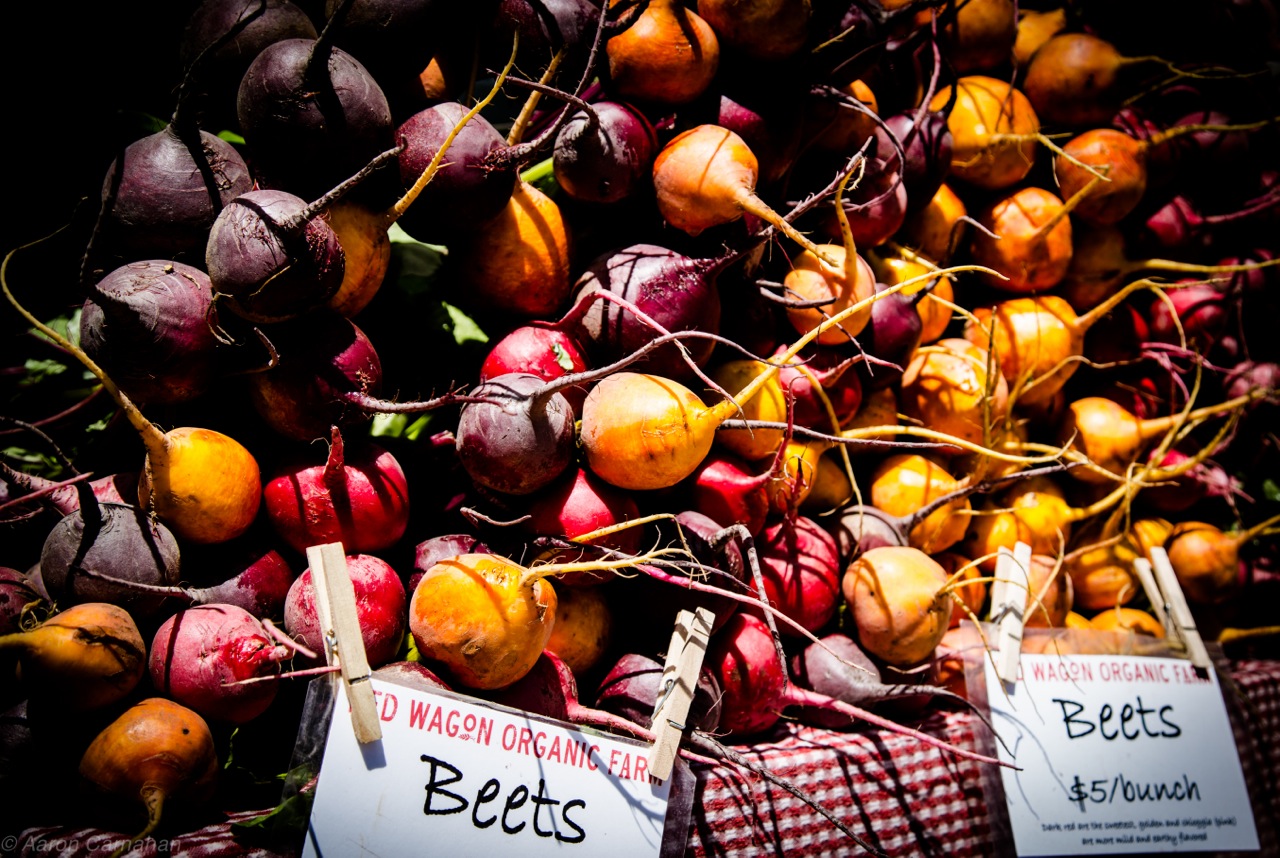
Scientific Benefits of Beets

  1. Improve athletic performance. Pre-exercise consumption of nitrate rich beetroot juice (200gm) improved and enhanced running performance inthis study.  In another study, six days of 140ml of concentrated beetroot juice (loaded with nitrates) reduced pulmonary oxygen usage (VO₂) during cycling and improved performance in professional cyclists.  And yet another study showed enhancement of muscle contraction after consumption of  beetroot juice.
  2. Decrease oxidative stress.  Beets contain a new class of antioxidants called Betalains, which decrease oxidative stress and aid in detoxification.  Regular consumption of 300ML daily of red beet in this study showed decrease in oxidative stress markers and may prevent chronic degenerative diseases.  Red Betalain pigment are not very heat stable so best if eaten raw or juiced.   If you choose to cook your beets, steam them for less than 15minutes or roast them for less than 45minutes.
  3. Increase nitric oxide. Beets contain nitrates which are a precursor of nitric oxide.  Nitric oxide helps our blood vessels dilate appropriately, improving vascular function in conditions such as heart disease, high blood pressure, and erectile dysfunction.  In this study, overweight men who drank beet juice had increases in nitric oxide levels after consumption.
  4. Prevent Cancer.  Betalains, the antioxidant in beets, has been shown to have anti-cancer effects!  This study showed the antioxidant from beets caused death of leukemia cells.  Andanother study suggested beet juice consumption may prevent lung and skin cancers.
  5. Improve detoxification. Regular consumption of beets which contain betaine and polyphenols in this study enhanced the liver’s ability to product glutathione and superoxide dismutase, both key factors in daily detoxification.  Because of their powerful ability to enhance detoxification this study showed a protective benefit against toxic chemicals, like carcinogens.

Don’t forget the greens!

The leafy greens attached to the beet roots are delicious and can be prepared like spinach. They are incredibly rich in vitamins and minerals as well as  beta-carotene and lutein/zeaxanthin.

Tips for storing and preparing

To clean, rinse gently under cool water and avoid tearing the skin  which helps keep the health-promoting pigments inside.

Cut beets into quarters leaving 1-2 inches of root and a small bit of stem.

I like to throw them raw into green juices or smoothies for most nutritional benefit.  However, if you cook them, I recommend lightly steaming or baking on low heat to maximize nutritional benefit.  Steam for no more than 10-15min or until you can easily insert tip of fork into beet.

  • Grate raw beets into salads or as garnish on main dish
  • Marinate steamed beets with olive oil or ghee, sea salt and fresh basil and thyme
  • Sauté beet greens like you would spinach or swiss chard or mix them all together for a fresh take on salad

Recipe from the Institute for Functional Medicine:

DETOX BORSCHT

2 cups finely shredded cabbage                                    2 cups boiling water

½ cup chopped onion                                                       2 Tbsp olive oil

2 tsp caraway seed                                                              1 tsp honey, if desired

3 Tbsp lemon juice                                                              Salt and pepper to taste

1 pound cooked small beets, peeled, chopped (save the cooking water)                   

1 quart chicken or vegetable stock (gluten-free)

Cook the cabbage for ten minutes in boiling, salted water. Cook the onion in the oil for a few minutes, without browning. Drain the beets, saving the cooking liquid, and finely chop. Add the chicken or vegetable stock to the onions. Upon boiling, add the cabbage and its cooking liquid back in. Add the beets, one cup of beet cooking liquid, caraway seeds, honey, and salt and pepper. Simmer for ten minutes, skimming carefully. Remove the soup from the heat. Add lemon juice and heat just to the boiling point. Serve with dill weed garnish. Eat soup hot or cold.


Get Omega-3s with Ease

May 12, 2014Health and Nutrition, Plant-Based,


Capture

While many people believe that eating fish is necessary to get omega-3 fatty acids and maintain heart and brain health, there is absolutely nothing healthful about fish.

Recent research has even debunked the age-old myth that Eskimos, who ate diets heavy in fish, had a lower risk for heart disease. Fortunately, there are plenty of plant-based sources of omega-3s.

So what do we know about omega-3s?

Omega-3 fatty acids are necessary nutrients that cannot be synthesized by the body, so we need to get them from our food. Since omega-3s do help with cell function, a deficiency in omega-3 fatty acids can result in negative health consequences such as liver and kidney abnormalities, decreased immune function, or dry skin.

While some studies show that omega-3s might help with aging or brain health, omega-3s from fish or other animal products come with some unwanted side effects.

Fish contains toxic contaminants, and all animal products contain cholesterol and saturated fat—and have no fiber, an essential nutrient for digestion, cancer prevention, and weight loss. In my piece for the Huffington Post, I summarize some of the researchdebunking the health halo of fish oil supplements.  Fast food companies have also jumped in on the popularity of fish during Lent, but don’t take the bait—fish is not a health food.

Even if omega-3s are not the fountain of youth, plant sources of omega-3s are full of fiber and rich in other nutrients. Edamame and walnuts contain omega-3s and also contain protein. Winter squash is packed with omega-3s and is also a great source of vitamin A and vitamin C.

Flaxseeds are easy to incorporate into baked goods, smoothies, and a whole variety of recipes. Research has even shown that women who follow vegan diets have higher levels of omega-3 fatty acids in their blood than those who consume diets rich in fish, meat, and dairy.

Friends or family have questions about omega-3s? Just share the infographic below!

omega-3-infographic


TMAO: A Toxic Substance Formed When You Eat Meat Can Make You … Dead Meat

POSTED ON MARCH 17, 2014 IN WELLNESS


When we eat red meat, its carnitine interacts with our gut bacteria, forming trimethylamine, which is then metabolized by the liver into TMAO. And it appears that TMAO is not our friend.1,2

TMAO promotes the formation of cholesterol plaques in our blood vessels, which make them less healthy and may lead to heart attack, stroke, and death. TMAO reduces our body’s ability to excrete cholesterol.1,2 And, if that is not bad enough, TMAO may be linked to death from prostate cancer.3

The good news is that people who eat an exclusively plant-based diet appear to form little TMAO. In fact, when researchers fed steak to a vegan, virtually no TMAO was made.Why is that? Vegans, it seems, do not select for the specific gut bacteria that lead to the formation of TMAO, whereas meat eaters do. Hence, it’s as if plants create a coat of armor in our stomachs, protecting us when they are not even there.

So if we’re protected by plants, is it okay for us to eat steak for just a few days? Are we protected from TMAO? It appears that we may not be. The trillions of bacteria in our gut change very quickly. In fact, they may meaningfully shift even within one to two days!4 So aside from the many other deleterious effects of meat, even one day of steak could cut a chink in the natural armor afforded us by eating plants.

Notably, red meat is not the only source of TMAO. Choline, which is found in chicken, fish, dairy ― and even plants ― is another. Choline is structurally similar to the carnitine in red meat, and with the help of the same gut bacteria, also forms TMAO. Accordingly, when investigators fed omnivores an egg, they made TMAO.1

Although we have no dietary need for carnitine, we do require dietary choline. So how can we get the choline we require without the unwanted company of toxic TMAO? The answer appears to be in the armor. Eating a plant-based diet selects for gut bacteria that do not lead to the formation of TMAO.2 So even though we are eating choline in plants, our stomach’s plant-derived protection is in place, practically freeing us from concern about TMAO.

Science’s understanding of the interaction of our diet and gut bacteria and their influence on our health is at an early stage. However, evidence is mounting that a plant-based diet may be beneficial for this interaction in many ways. Yet another reason to go (or stay) plant based!

1 N Engl J Med 2013; 368:1575-1584 April 25, 2013 DOI: 10.1056/NEJMoa1109400
2 Nat Med. 2013 May;19(5):576-85. doi: 10.1038/nm.3145. Epub 2013 Apr 7
3 Am J Clin Nutr. 2012 Oct;96(4):855-63. Epub 2012 Sep 5
4 Nature 505, 559–563 (23 January 2014) doi:10.1038/nature12820

My Journey from Doctor to MS Patient

Saray Stancic, MD

Saray Stancic, MD, is the founder of Stancic Health & Wellness in Ridgewood, NJ, an innovative medical practice whose mission is to educate and empower patients to achieve optimal health via lifestyle modification. Her focus is shedding light on the building body of scientific data supporting the importance of optimal nutrition in disease prevention. The concept for this practice came in response to her experiences as a physician for nearly 20 years and as a patient with multiple sclerosis.


Life can change in a moment. It did for me.

October 11, 1995 started out like any other grueling 24-hour shift at the hospital. I was a young, energetic physician living what I considered to be an extraordinary life. But this night was more exhausting than any I could remember. Deeply fatigued, I finally made it to bed around 3 am. Within the hour, I was awakened by a call from the emergency room. As I leapt out of bed, I experienced something so foreign that it simply took my breath away.

During this brief nap I had lost feeling in my lower extremities. Something was terribly wrong. I was emergently rushed off to an MRI that revealed multiple plaques in my brain and spinal cord, confirming a diagnosis of multiple sclerosis.

I was no longer Dr. Stancic, making early morning rounds on her patients. I was now the newly admitted MS patient, lying in a bed as a flock of medical students and doctors took turns assessing my deteriorating neurological status. Soon thereafter came a parade of drugs with their numerous side effects, all intended to mitigate the frightening progression and symptoms of MS. I had become a drug-dependent, sick young woman struggling to accept her fate. MS had swiftly swept away my dreams and aspirations, and left behind a shadow of my former self.

In the fall of 2003, after nearly a decade of a life compromised by chronic illness, a pivotal and enlightening event occurred. I came across an article in a medical journal touting the benefits of blueberries in MS patients. The article summarized findings suggesting that MS patients who ate blueberries had improved symptoms compared with those who did not. The investigators attributed these results to the berries’ antioxidant and anti-inflammatory properties.

The scientist in me was skeptical, but this publication had the effect of igniting my curiosity.Could food play a role in ameliorating or even preventing chronic illness? I was consumed by this idea, and driven to explore existing medical literature in search of answers. What I found was both illuminating and transformative. There was ample evidence in respectable peer-reviewed medical journals that our diets do play a key role in the development of chronic illness!

I wondered how this topic had escaped our medical school curriculum. The power of healing that lies in a whole-food, plant-based diet is incalculable and unquestionable. I was inspired by what I had discovered and felt compelled to personally adopt this lifestyle. I discontinued all my medications and focused on optimizing my diet.

Over the years that followed, I felt stronger and energized. Remarkably, after years of difficulty walking unassisted, my neurological deficits gradually improved. I felt renewed and infused with a great sense of hope. I decided to take up jogging, which evolved to running. In the spring of 2010 I ran a marathon. It was truly an extraordinary experience.

As a physician observing unnecessary suffering and loss, I felt compelled to spread the word of this seemingly untapped therapeutic resource with whomever was willing to listen. Regrettably, in speaking to colleagues, I found many did not share my level of enthusiasm or acceptance that this approach was valid.

My sense of alienation lifted after watching Forks Over Knives. I was reinvigorated by witnessing other like-minded physicians practice medicine with this philosophy. Today, my focus is educating patients on the value of a whole-food, plant-based diet, with an eye toward reducing prescription drug dependence.

Patients need to learn that they do have control of their individual health outcomes. For my patients, watching this film is a mandatory part of their care plan. The film effectively reinforces all that we discuss, and its impactful style is both educational and entertaining.

We can, as a society, shift and make the necessary changes to improve our health and well-being.  Life can change in a moment … and that can be a very wonderful thing.

Lipitor Side Effects

If you have unexplained muscle pain after starting Lipitor, see a doctor.

© iStockphoto.com/kenhurst


Lipitor Side Effects

Common side effects of Lipitor include headache, constipation, diarrhea, gas, stomach pains, rash and muscle pain.

In some cases, those muscle pains may indicate a more serious side effect: A small percentage of patients had muscle problems so serious that developed rhabdomyolysis. This condition causes muscles to break down, emitting proteins in the process that lead to kidney failure. The chance of this side effect increases if you’re taking certain other medications in addition to Lipitor, so, as with any prescription drug, you should tell your doctor about other medications you may be taking.

One other serious side effect is liver problems. If you already have liver problems, you shouldn’t take Lipitor, and your doctor may perform blood tests during the time you’re on Lipitor to monitor your liver. Signs of these serious side effects include extreme muscle weakness and tenderness, nausea and vomiting, dark-colored urine, unusual exhaustion, yellow eyes or skin, and stomach pain.

Pregnant and breastfeeding women shouldn’t take Lipitor. However, a 2008 study raises the question of whether Lipitor has any benefit at all for women. The authors of the study, which was published in the Journal of Empirical Legal Studies, claimed that proof that Lipitor reduces the risk of heart attack in women is lacking . Rather, the authors asserted, Pfizer was marketing the drug as beneficial to both genders and not disclosing the portion of the FDA-sanctioned label that admitted the evidence for women was lacking .

The question of whether women should take Lipitor becomes important when you consider the possibility that the drug might result in memory loss in women. In 2008, Dr. Orli Etingin, vice chairman of medicine at New York Presbyterian Hospital, said, “This drug makes women stupid” [sources: Cahoon, Beck]. The quote, which was picked up by several media outlets, spurred many doctors to speak in defense of Lipitor. These doctors claimed that any evidence of memory loss linked to Lipitor was purely anecdotal, and that its benefits far outweigh this potential side effect. Because more studies on statins and cognitive effects are needed, it’s worth asking your doctor about the latest research if you’re concerned.

You can avoid some of Lipitor’s more dangerous side effects by staying away from one substance. Find out what it is on the next page.

Are low-sodium diets unhealthy?


ARE LOW-SODIUM DIETS HEALTHY? UNHEALTHY? TWO NEW STUDIES SUGGEST A LINK BETWEEN LOW-SODIUM INTAKE AND DISEASE. ARE THEY RIGHT?

Find out from salt expert Jay Kenney, PhD, FACN, RD, Educator and Nutrition Research Specialist at the Pritikin Longevity Center in Miami, Florida. Dr. Kenney also writes continuing education courses for registered dietitians nationwide on salt intake and disease.

Are low sodium diets healthy or unhealthy?

Are low-sodium diets healthy? You’d think not if you paid attention to the recent media frenzy on two new studies. Probe deeper. Get Dr. Kenney’s analysis.

Did you read last week’s Wall Street Journal article “Low-Salt Diets May Pose Health Risks, Study Finds” or the WebMD Health News article “Studies Question Need to Watch Salt” or other media reports on two new studies in the August 14th issue of The New England Journal of Medicine?

If so, you were likely led to believe that these studies seriously undermine current World Health Organization and U.S. recommendations to reduce sodium, the main component of salt.

Faulty science

But don’t believe the media hype. And don’t believe that all studies are created equal. Some have serious shortcomings, and that’s the case for these two new studies.

Unfortunately, too, sometimes physicians themselves do not realize the poor quality of the research they are reviewing. For example, in an accompanying editorial in NEJM, Dr. Suzanne Oparil of the University of Alabama enforced the studies’ conclusions about low-salt diets possibly causing harm.

But right off the bat, what’s really strange about these studies is that while they assert a link between low-sodium eating and disease, they also acknowledge that high-sodium eating leads to high blood pressure, or hypertension.

WebMD‘s Barbara Goodman quotes Dr. Martin O’Donnell, one of the study’s lead authors, as saying: “We’re not challenging the blood pressure contention here. We’re seeing it, too. We’re seeing a clear association between sodium intake and blood pressure.” But he asserts that at less than 6,000 milligrams a day, sodium intake does not seem to prevent heart attacks, congestive heart failure, strokes, or deaths.

Say, what?

Okay, let’s stop right here. The authors agree that higher salt intake (and anything over 3,000 milligrams is certainly higher salt intake) raises blood pressure, but mysteriously, this increased blood pressure does not translate into more deaths, heart disease, congestive heart failure, and stroke?

Does this not seem odd? Oddness like this happens when the science is poor.

PURE nonsense

The two studies Dr. O’Donnell and colleagues were involved in used data from the ongoing Prospective Urban Rural Epidemiology (PURE) study. Crunching the numbers on more than 100,000 people ages 35 to 70 years in 17 countries, they concluded that 3.1% of those who consumed between 3,000 and 6,000 milligrams of sodium daily either died or suffered congestive heart failure, heart attacks, or strokes. Among those eating less than 3,000 milligrams of sodium daily, 4.3% suffered the same.

At intake higher than 6,000 milligrams, the percentage of disease and deaths was 3.2%; above 7,000 millgrams, it was 3.3%.

A single urine test

But here’s problem #1 with their results. The authors estimated sodium intake based on a singlemorning urine collection. I believe my fellow Pritikin Scientific Advisory Board colleague Tom Rifai, MD, FACP, had the best response: “Really?! One single urine sample at the start of a short-term study, and we want to fight tons of direct clinical trial evidence proving that the more sodium we consume, the greater our risk of high blood pressure and a multitude of diseases?”

Very short study duration

As Dr. Rifai points out, another key problem with these studies was their very short length. The authors reached their conclusions based on an average of only 3.7 years, and what they found was strictly an association, not cause and effect. “In a short-term study like this,” explains Dr. Rifai, “low-sodium intake could have been a marker of disease and poor appetite.” In other words, it wasn’t the lower-sodium diet causing the diseases; the lower-sodium intake (and lower food intake overall) could simply have been a by-product of the diseases themselves.

“And likely,” notes Dr. Rifai, “some of those diseases, like heart failure, were brought on over the course of many decades by high sodium intake.”

Congestive heart failure

It is well known that many people who are sicker, and particularly those with failing hearts, are likely to be eating less food. Many will also be cutting back on salty foods because excessive dietary salt can cause fluid retention, which can make breathing difficult by causing lung congestion. Most people with congestive heart failure are expected to die over the next five years, and largely from cardiovascular disease. Were these authors not aware of such clinical observations?

Potassium-rich foods

One of the studies1 also observed that those with urine showing a low potassium content were significantly more likely to die. Foods rich in potassium, such as fruits, vegetables, potatoes, and beans, are indeed vital because they help blunt some of the toxic effects of sodium in the body.

Of course, the most obvious explanation for both a lower intake of potassium and a lower intake of sodium is that sicker people are simply eating less food. To this reviewer, this seems highly likely, but unfortunately, such an obvious explanation for their data seems to have largely escaped Dr. O’Donnell and the rest of the PURE research team.

Are low-sodium diets healthy?  Yes.

High sodium + low potassium = higher blood pressure

The other study2 also found that people who consumed less potassium and more sodium had higher blood pressure on average, and this was particularly true in those who were older and had elevated blood pressure to begin with.

So these two new studies, despite their limitations of using a single morning urinary sample to estimate how much sodium and potassium their subjects were consuming, still observed that more salt (and less potassium) intake was significantly associated with higher blood pressure.

Higher blood pressure over the long term, study after study over the past several decades has affirmed, is the single greatest cardiovascular risk factor and predictor of earlier mortality.

How long does it take to lower blood pressure?

Many people can reduce their high blood pressure, also known as hypertension, in as little as 3 days to 3 weeks. Lower Your Blood Pressure

“If you believe hypertension kills, and you should, it’s really tough to deny the results of superbly designed research like the DASH studies3 showing that healthy eating plus low sodium intake – optimally no more than 1,500 milligrams daily – markedly improves blood pressure, which should markedly reduce the risk of heart attack, stroke, and death,” sums up Dr. Rifai, who leads clinics in weight, diabetes, and hypertension control at St. Joseph Mercy Hospital in Oakland, Michigan.

“As a practicing physician, I’ve seen the ravages of high sodium in the clinic thousands of times, and no observational study is going to outweigh direct clinical trials. Believe me, serious nephrologists and cardiologists are both laughing and crying over these new studies, crying because these studies confuse their patients, potentially causing terrible increases in terrible diseases like strokes. Hypertension is the #1 cause of strokes.”

Hypertension accounts for more than 9 million deaths annually

Let’s return to Dr. Oparil’s NEJM editorial. It starts off fine. She states that more than 1 billion adults worldwide have hypertension, and that “hypertension accounts for more than 9 million deaths annually.” However, she then goes on to say that the new research does provide evidence that low levels of sodium excretion may be associated with an increased risk of death and cardiovascular-disease outcomes.

Reverse causation

Is Dr. Oparil not aware of reverse causation? In her statement above, she is inferring that eating less sodium may cause increased risk of death and disease. But as we discussed earlier, isn’t the reverse far more likely? Eating less sodium is not causing illness but is very likely the result of serious illness.

Dr. Oparil says that without a long-term clinical trial to show the safety and efficacy of salt reduction, “the results argue against reduction of dietary sodium as an isolated public health recommendation.” In his WSJ article, author Ron Winslow quotes Dr. Oparil as saying this study “adds a pretty big weight on the side that low-salt intake is associated with harm” and that the current low-sodium targets are “questionable health policy.”

But how could low-sodium targets be questionable health policy when these two new studies showed unequivocally that higher sodium intake was significantly associated with higher blood pressure, which is the very same disease that Dr. Oparil declared accounts for more than 9 million deaths annually?

1.65 million deaths attributed to sodium intake above 2,000 mg a day

There was a third study4 in the same issue of NEJM. Its data, derived from complex calculations of results from 107 randomized studies, found that 1.65 million deaths worldwide from cardiovascular causes in 2010 were attributed to sodium consumption above 2,000 milligrams a day.

Unfortunately, though, this third study received far less attention from the media. Why? One likely reason is that it is telling us what we already know: higher salt consumption leads to higher rates of disease. This is not a headline that sizzles and sells newspapers.

But it is a headline that rings true. It is a headline based on solid science. “High sodium intake is known to increase blood pressure, a major risk factor for cardiovascular diseases including heart disease and stroke,” summed up lead author Dr. Dariush Mozaffarian, MD, DrPH, Dean of the Friedman School of Nutrition Science and Policy at Tufts University.

Low-Sodium Diet

Try this healthy low-sodium diet for 5 days. Meal Plan for High Blood Pressure

Weekend Retreat

A stay with us will change your life. Weekend Health Retreat

For his study, Dr. Mozaffarian and colleagues collected and analyzed existing data from 205 surveys of sodium intake in many countries representing nearly three-quarters of the world’s adult population. The data were combined with other global data on food intake to estimate sodium intakes worldwide by country, and by men and women of various ages in those countries. The effects of sodium consumption on blood pressure and of blood pressure on cardiovascular disease were then determined separately in new pooled meta-analyses that included differences by both age and race. These findings were then combined with current rates of cardiovascular disease around the world to estimate the numbers of cardiovascular-related deaths likely attributable to sodium intake in excess of 2,000 milligrams per day.

Reducing sodium intake lowered blood pressure in all adults

Sodium Intake on a healthy low-sodium diet.

The researchers found that the average intake of sodium intake worldwide in 2010 was 3,950 mg per day, or nearly double the 2,000 mg per day recommended by the World Health Organization, and nearly triple the 1,500 mg of sodium now recommended by the American Heart Association (AHA) and the 1,200 to 1,500 mg long recommended by the Pritikin Longevity Center. This data showed that every region of the world was well above these currently recommended sodium intake levels. Regional average sodium intake ranged from a low 2,180 mg per day in sub-Saharan Africa to 5, 510 mg per day in Central Asia. In their meta-analysis of controlled intervention studies, the researchers also found that reducing dietary sodium intake lowered blood pressure in all adults, with the largest effects seen in older individuals, blacks, and those with pre-existing hypertension.

“These 1.65 million deaths represent nearly one in 10 of all deaths from cardiovascular causes worldwide. No world region and few countries were spared,” added Dr. Mozaffarian, who chairs the Global Burden of Diseases, Nutrition, and Chronic Disease Expert Group, an international team of more than 100 scientists studying the effects of nutrition on health.

Average daily U.S. sodium intake – 3,600 mg

These new findings provide yet more compelling evidence for greater efforts to reduce dietary sodium in the United States and worldwide. In the United States, average daily sodium intake was 3,600 mg. Sodium intake and corresponding health burdens were even higher in many developing countries. Governmental policies and public health efforts to encourage reduced use of salt in foods could provide a cost-effective means for reducing so much of the premature morbidity and mortality from heart disease, renal disease, and strokes around the world.

Dr. Mozaffarian acknowledged that his results estimated sodium consumption based on urine samples, which are known to modestly underestimate true sodium intakes. Additionally, he noted some countries lacked data on sodium consumption, which had to be estimated based on other nutritional information. And he and co-authors pointed out that because their study focused on cardiovascular disease deaths, they may have underestimated the full health impact of excessive sodium intake, which is also linked to a much higher risk of nonfatal cardiovascular disease, kidney disease, and stomach cancer (the second most deadly cancer worldwide).

Benefits of sodium reduction

The same “no news” fate that happened with Dr. Mozaffarian’s study has also been the fate of other well-designed, recently published studies that described the benefits of sodium reduction. In onestudy5, for example, a meta-analysis of 34 trials totaling 3,230 participants, the researchers found that “a modest reduction in salt intake for four or more weeks causes significant and, from a population viewpoint, important falls in blood pressure in both hypertensive and normotensive individuals,” and larger reductions led to larger falls in blood pressure.

Salt reduction in England

And a recent study6 looking at salt reduction in England from 2003 to 2011 found that reducing sodium in foods alone with little or no other change in cardiovascular risk factors accounted for most of the 40% reduction in stroke and ischemic heart disease among the British population. Clearly, the benefits of reducing dietary salt by about 15% in England likely had a major impact in reducing cardiovascular disease mortality.

The PURE researchers are suggesting that there is little or no benefit in reducing salt below 4,000mg sodium/day and it may even be harmful to some, while the real world experience in England seriously undermines their thesis.

Pritikin Health Resort

Results at Pritikin Longevity Center

Reducing sodium to less than 1,500 milligrams, combined with an overall diet rich in whole foods like fruits, vegetables, and whole grains, plus dailyexercise, has been part of Pritikin Program, taught at the Pritikin Longevity Center in Miami since 1975.  This program has also been documented in published research to dramatically reduce both diastolic and systolic pressure, and allow the vast majority of men and women return home no longer needing their hypertension medications, or with their dosages greatly reduced.7

Summing Up:

Are low-sodium diets healthy?  Yes.  Current guidelines from U.S. government agencies, theWorld Health Organization, the American Heart Association, and other leading public health groups set daily dietary sodium targets between 1,500 and 2,300 milligrams or lower. And for good reason.  These guidelines are supported by solid data from the DASH Trials and numerous other studies conducted over the past several decades.

The questionable claims by the authors of the two PURE articles intimating that a low-salt intake may somehow be dangerous undermine public health efforts to reduce salt intake to treat and prevent hypertension. This is troubling, deeply troubling, because the preponderance of credible scientific data continues to show that elevated blood pressure is the single greatest cardiovascular risk factor in most populations, and data from controlled clinical trials show that dietary sodium in excess of 1,500 mg day is the #1 dietary cause of elevated blood pressure.

In addition, the impact of excessive salt intake over many years likely is far greater than that observed in short-term clinical trials in which salt/sodium intake is only moderately reduced. Indeed, in all human populations studied by medical anthropologists, it is known that less than 1,500 mg of sodium per day results in very little or no increase in blood pressure, even into old age. By contrast, blood pressure rises significantly over many years in all human populations in which salt is added to food in significant quantities, resulting in most people in all these salt-added societies sooner or later ending up with hypertension.

In closing, we need to stop paying attention to silly, shoddy science, and get back to saving lives.

QUESTIONS & ANSWERS

Does insurance cover your stay? How much weight will you lose? Get the answers »

ALL-INCLUSIVE HEALTH RESORT

Hotel, dining, medical, exercise, education – it’s all included! Get the details »

SCIENTIFICALLY PROVEN RESULTS

Documented in 100-plus medical journals. What Pritikin can do for you »

Author, Dr. Jay Kenney

SOURCES

1 O’Donnell MJ, Mente A, Ranjarajan S, et al. Urinary Sodium and Potassium Excretion, Mortality, and Cardiovascular Events. N Engl J Med 2014;371:612-33.
2 Mente A, O’Donnell MJ, Rangarajan S, et al. Association of Urinary Sodium and Potassium Excretion with Blood Pressure. N Engl J Med 2014;371:601-11.
3 Sacks FM, Svetkey LP, Vollmer WM, et al. Effects on Blood Pressure of Reduced Dietary Sodium and the Dietary Approaches to Stop Hypertension (DASH) Diet. N Engl J Med 2001; 344: 3-10.
4 Mozaffarian D, Fahimi S, Singh GM, et al. Global Sodium Consumption and Death from Cardiovascular Causes. N Engl J Med 2014;371:624-34.
5 He FJ, Li J, MacGregor GA. Effect of longer term modest salt reduction on blood pressure: Cochrane systematic review and meta-analysis of randomised trials. BMJ, 2013; 346: f1325.
6 He FJ, Pombo-Rodrigues S, MacGregor GA. Salt reduction in England from 2003 to 2011: its relationship to blood pressure, stroke and ischaemic heart disease mortality. BMJ, 2014; 4:e004549.
7 Roberts CK, Barnard RJ. Effects of exercise and diet on chronic disease. J Appl Physiol, 2005; 98:3-30.

Dr. Jay Kenney, PhD, RD, FACN

Nutritional Research Director and Educator

For nearly 30 years, Dr. Kenney has helped guests at Pritikin cut through the confusion and quack “truths” surrounding nutrition and weight loss. Personally, he loves living the Pritikin Program because “I’m in better health today, in my late 60s, than I was at age 35. And I weigh 40 pounds less than I did in college.”

One Food That Can Eat Away At Your Brain

Sugar and carbohydrates can harm brain structure and function

sugarThis article originally appeared on Live in the Now.

Scientists at Charité University Medical Centre in Berlin have found eating large amounts of sugar or carbohydrates is linked to a smaller hippocampus, the area of the brain involved in memory. This could explain why they also discovered that high levels of blood glucose are associated with impaired memory and could potentially lead to dementia. Thus, sugar can harm both brain structure and function.

Diabetes, a condition characterized by chronically elevated blood sugar, is linked to a higher risk of dementia and reduced hippocampus size. In view of these facts, the study sought to determine the effects of sugar on people who don’t have the illness. Researchers monitored the long- and short-term glucose levels of 141 non-diabetic adults as well as imaged their brain with an MRI scan and tested their memory. They found higher levels of glucose were linked to shrinkage of the hippocampus and impaired memory. The results suggest sugar can alter brain structure and harm memory even in people who don’t have diabetes.

Earlier Research Shows Sugar, High Fructose Corn Syrup and Refined Carbs Hinder Brain Function

The new research builds upon a study conducted two years ago at UCLA that showed the effects on the brain of high-fructose corn syrup, a common sweetener present in many foods. Researchers first allowed rats to spend a few days learning how to get through a maze. The next phase of the study involved feeding them a fructose solution for six weeks and then putting them back in the maze to see how well they could remember how to navigate it. The findings showed their memory of how to perform this activity was significantly impaired, and their brains showed a reduction in synaptic activity, which is the means the cells use to communicate with each other.

A great deal of solid scientific research shows cognitive decline can, indeed, take place as a result of consuming sugar and refined carbohydrates — even in small amounts, David Platt, Ph.D., CEO of Boston Therapeutics, tells Live in the Now. “In these studies, the consumption of sugar and carbs has been established as a definite risk factor in damaging both memory and thinking skills.”

“Just this year, for example, Mayo Clinic researchers found that people aged 70 and older who consume food high in carbs increase their likelihood of developing mild cognitive impairment fourfold, and the danger is also present with a diet heavy in sugar. Moreover, in 2009, a team at Wake Forest University established that cognitive functioning abilities decrease as average blood sugar levels increase in people with type 2 diabetes. Unfortunately, many people are not fully aware of these conclusions, but they are as important to know as the dangers of cigarette smoking.”

Subscribe to the free Live in the Now newsletter here!


http://www.scientificamerican.com/article/sugar-may-harm-brain-health/

http://www.dailymail.co.uk/health/article-2683174/Is-SUGAR-responsible-rising-dementia-cases-High-levels-glucose-cause-memory-loss-study-finds.html

http://www.forbes.com/sites/alicegwalton/2012/05/16/fructose-may-make-you-stupid-but-omega-3s-can-smarten-you-back-up/

Tags: ,