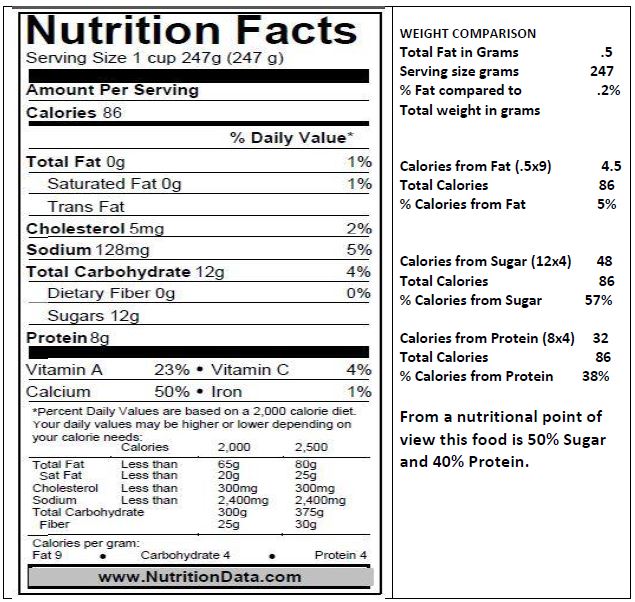
Skim Milk is 5% Fat and 57% Sugar. So what?
Live a healthier life, avoid cancer, heart issues, diabetes and arthritis and other autoimmune diseases.

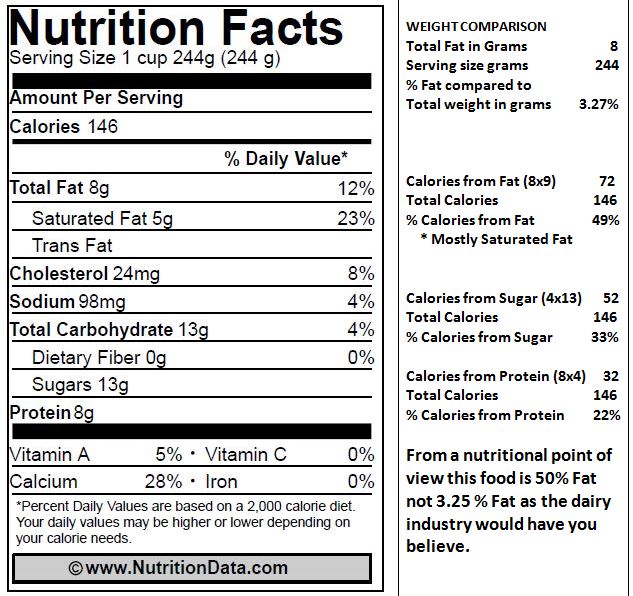
10-12
Oatmeal is one of the most beloved breakfast dishes out there; this is nothing new. They’re great for keeping you full, providing you with fiber, and are incredibly versatile, cheap, and easy to prepare. Whether you cook them on the stove, in the microwave, soak them overnight, or even bake with them, oats are a handy grain to keep in your plant-powered kitchen.
Oats are a common food eaten among a wide variety of ages, from kids to teens, and adults, they’re a classic staple grain that most people enjoy. But they’re beneficial for more than just the average person. Athletes can benefit from using oats in their diet for several reasons, which is why they’re often one of the star grains eaten on a body-building program or recommended for a general athlete’s diet.
If you’re an athlete, you need complex carbohydrates and protein from foods like oats in your dietfrom specific sources to provide you with energy without causing a blood sugar crash, and to repair and refuel your muscles. While some grains, such as brown rice, are healthy and contain beneficial nutrients, their overall nutritional profile doesn’t compare to that of oats.
B vitamins are important for a healthy metabolism, energy, brain health, and muscle function. Oats offer an immediate hit of B vitamins, including Vitamin B3, Vitamin B5, Vitamin B6, Vitamin B7 and Vitamin B9. Though eggs are often thought of as a top source of B vitamins, oats have so much more to offer in the B department. Though they’re lacking in B12, they’ll still provide you with an abundance of energy thanks to their B’s. One half cup of oats will provide you with quality B vitamins that will leave you energized for hours.
Magnesium is an important mineral for the everyday person, but especially for athletes who are looking to recover properly after a workout. Magnesium helps relieve sore muscles, encourages repair and regrowth of muscle cells, and lowers cortisol in the body, the stress hormone that’s elevated during exercise. While cortisol is helpful when you’re working out and in need of speed and adrenoline, you don’t want it elevated for a long period of time after you workout. Magnesium can help you relax, promotes a positive outlook, encourages healthy nervous system function, and stimulates neurotransmitters in the brain that fuel focus. A lack of magnesium can cause fatigue that no athlete (or anyone else) wants, can lead to insomnia, and can cause inflammation that impairs future workouts. Oats contain 275 milligrams of magnesium in just 1/2 cup dry rolled oats (1 cup cooked), which is more than a cup of spinach or kale coming in between 24-56 milligrams.
Everyone wants to know how plant-based athletes get their protein, so show them up and have some oats! One serving of oats contains as much protein as one egg, often thought of as the most prized source. What do eggs have that oats don’t? Cholesterol, harmful saturated fats, inflammatory properties, salmonella, and possibly hormones, pesticides, and GMO’s. No thanks- we’ll take our oatmeal instead! Oats contain 7 grams of protein in 1/2 cup of rolled oats. Choose 1/2 cup of steel cut and get 8-9 grams of protein. Oats are an easy way to sneak protein into your smoothie without a powder and can be consumed several times a day in place of other grains if you wish.
Oats contain around 4 milligrams of iron per 1/2 cup. That’s nearly 1/3 of the daily recommended amounts (18%)! Eating iron-rich foods like oats with a source of Vitamin C (such as berries, greens, lemon, oranges, apples, kiwi, and peppers) is an easy way to boost absorption of this important mineral. Athletes need iron to maintain energy just like anyone else, so choose the best plant-based sources such as oats, greens, chia seeds, spirulina, beans, legumes, and even cacao!
Beta glucans are soluble fibers found in oats that benefit the body in so many ways. First, they keep you full, aid in regularity, assist with removing cholesterol from the bloodstream, and provide a leaner waistline. This is helpful for athletes looking to stay energized, healthy, and keep a toned, lean look to go along with their plant-powered muscles. Oats have been said one of the best foods to reduce excess abdominal weight and are one of the most prized foods for withstanding athletes through long, grueling workouts.
Keep in mind, you want to choose plain, rolled oats (not prepackaged or instant), or you can go for steel-cut as an even healthier, whole option. If you’ve skipped out on oats until now, give this healthy grain a bit more attention in your diet from now on. Are you a gluten-free eater and worried about oats? Just choose certified, organic gluten-free oats so you can get this healthy staple into your diet without worrying about cross-contamination.
To prepare your oats the healthiest way possible, choose non-dairy milk, simple spices like cinnamon, ginger, nutmeg, cardamom, and fruits such as berries, apples, banana, and kiwis. Top your oats with some calcium, magnesium, and protein-rich almonds for greater satiety and energy, and toss in a little chia to boost your workout even further.
Pair your oats with other plant-based muscle-building foods for the most benefits and if you’re an athlete, do you use oats daily and if so, what’s your favorite way to eat them?
Image Source: Irene Yiran Wel/Flickr
We all know fruits and veggies are good for us – no news there, right? If you’ve bypassed cranberries as a simple holiday adornment or just an ingredient in cranberry sauce until now, it’s time we gave you some new insight into these magical berries and what they can do for you. Quite honestly, most of us probably associate cranberries with their ability to fight urinary tract infections, which they may do, but they’re much more beneficial for that. Cranberry juice, controversial to belief, isn’t always the best way to get cranberries’ nutrition into your diet.
Beyond blueberries and more exotic berries (such as goji and acai), cranberries offer their own unique benefits others do not. A relative of the blueberry family, belonging to Heather shrub plant species, the cranberry comes from a flowering plant that grows in water bogs in Canada, The United States and Europe. They’re to be treasured as much as possible since they’re only available through October through December in fresh form. Though relatively inexpensive and easy to find this time of year, they’re a remarkable superfood we’d benefit from using all year round.
Here’s why cranberries deserve a place in your diet:
Let’s start with a major benefit – cancer prevention, the topic everyone wants to know more about. Though there is no proven cure for cancer, a plant-based diet has been shown to provide major anti-cancer benefits. But just any old plant-based diet won’t do. A diet based off whole foods (leafy greens, fruits, beans, nuts, seeds, legumes, and whole grains) prove to have the most benefits. Cranberries and most berries, offer specific nutrients that serve as cancer’s worst nightmare. Cranberries’ most valuable antioxidants that fight cancer cells are: phenolics, proanthocyanidins, anthocyanins, flavonoids, and triterpenoids. They also contain: resveratrol, piceatannol, and pterostilbene. All these fancy antioxidants fight cancer cell growth, improve immunity, and ward off disease.
Not only can cranberries improve your chances against getting cancer thanks to their antioxidant benefits, but they have also been found to destroy cancer cell growth when consumed on a regular basis. They’ve been found to promote Phase 1 detoxification in the body, which triggers tumor cell death. Cranberries have specifically been linked to: breast, colon, prostate, and lung cancer prevention.
Cranberries are one of the best foods to cleanse the liver, though also one of the most overlooked. Their famous ability to improve urinary health and reduce urinary tract infections (UTI’s), is likely due to their antibacterial and antiviral properties that also promote Phase 1 detoxification within the liver. Your liver is the most important organ in your body for filtering out toxins that lead to disease. Cranberries have specifically been found to not only cleanse the liver but also cleanse the blood (which is important since it passes through your liver daily.) Here are 10 more foods that improve liver health further.
Cranberries kill harmful stomach bacteria including E. Coli and H. plylor (also referred to as Helicobacter pylor). Both lead to stomach disorders, virus development, and stomach ulcers. Cranberries come to the rescue with specific compounds that result in the death of this harmful bacteria and offer protection for the stomach lining. Their high Vitamin C content is another benefit that helps improve immunity. Since the immune system is largely housed in the digestive tract, eating foods that protect your body will also improve digestive health as a bonus. Cranberries even go a step further and help prevent future attachment of stomach bacteria when consumed on a regular basis.
Per 1/2 cup of berries, cranberries only contain 2 grams of sugar, with 3 grams of fiber, which is far less sugar than blueberries coming in at 16 grams, raspberries coming in at 13 grams, strawberries coming in at 8 grams, and blackberries coming in at 13 grams. While fruit from berries isn’t bad for you, it’s always a plus when such a nutritious food like berries offers lower sugar benefits. Eating fruits and vegetables with a low-glycemic index and plenty of fiber-rich, whole plant-based foods is an excellent way to fight off Type 2 diabetes.
Cranberries’ antioxidants have also been found to improve cardiovascular health, resulting in less arterial plaque, improving cholesterol, and improving blood health. Cranberries also improve blood pressure levels, which also increases heart health and prevents heart disease even further.
Cranberries have a wonderful, delicious tart flavor, with a sweet undertone once you start chewing them. They’re spectacular to include in breakfast dishes as a great, low-glycemic way to start the day. Cranberries go beautifully in oatmeal (overnight or cooked), quinoa porridge, or make a nice ingredient in a healthy pancake recipe. You can also bake muffins or bread with them, toss them into puddings and smoothies, or even use them as a nice garnish for a meal-worthy salad. They’re also cheap! Per 16 ounce bag of frozen organic cranberries at Whole Foods, you’ll only spend $3.00 off your hard earned dollars, which is about $2 less than a bag of blueberries or blackberries (though those are tasty too!) and $1.00 less than strawberries. Get your hands on them now though and stock up so you’ll have a nice stash year round!
It’s said to eat cranberries raw since processing destroys their nutrients and decrease enzymes that improve their absorption in the body. This is another benefit to eating frozen cranberries, which are frozen at their peak harvest. That doesn’t mean you can’t bake with cranberries from time to time, but do be sure to enjoy them raw when you can, especially if you’re eating them solely for health benefits.
Avoid those trendy, pricey juices made from cranberries (which are heated and highly processed), along with any type of granola bar or other processed foods that include dried cranberries coated with sugar. If you buy dried cranberries, please read the label. Almost every brand (except most organic brands) are processed with added sugar- even the popular Craisins you’re all probably fans of. Since sugar has been linked to cancer, weight gain, and contributes to Type 2 diabetes, it’s just not smart to add sugar to such a nutritious food. Wouldn’t you agree?
Don’t limit cranberries to sugary sauces and drinks alone, and certainly don’t reserve them just for the holiday season. Enjoy them all year round in so many, delicious ways!
Do you eat raw or frozen cranberries?


Let’s get to the low down and dirty on dairy in a few words: it’s a bad choice! But don’t let us be the one to tell you that. How about Dr. Mark Hyman, Dr. Neal Barnard, T. Colin Campbell, Dr. Mercola,Dr. Joel Kahn, and Dr. Joel Fuhrman?
Forbes magazine even detailed a study conducted in Britain at the end of last month that proves dairy milk is a bad choice. The milk drinkers in the study were not only more likely to die of cancer and heart disease, but also at a higher risk of bone fractures and osteoporosis. Then there’s the issue of vitality and wellness. Dr. Joel Kahn, a vegan cardiologist, explains that a life without dairy (and meat, fish, and eggs) is full of vitality, choices, and heart healthy nutrition.
But the mass amount of marketing from the media would like you to believe otherwise. The “Got Milk?” campaign slogan is still booming with popularity as The National Dairy Council uses celebrities to promote the use of milk in our culture. Children are told they need at least three servings a day to grow up big and strong, and trendy fitness foods like Muscle Milk and Power Bars are promoted to athletes looking to pump up their muscles with some protein. But let’s get real here: we don’t need milk to be strong, healthy, or fit.
Since more people are aware of dairy milk’s dangers these days, milk marketers are attacking non-dairy milk choices as unnatural or inferior sources. But let’s think about this for a minute: how is processing some almonds into milk any less natural than mechanically milking a pregnant cow that’s been impregnated multiple times a day (via artificial insemination, aka raped) who has udders that are likely infected and filled with bacteria? Keep in mind that that same cow’s children she gives birth to are stripped away from her at the moment of birth. That milk has to be extensively cleaned and heated (pasteurized), which destroys some the nutrients actually found in milk, so some nutrients are added back into the milk after processing. Hmm..doesn’t sound too natural to us!
Everyone knows plants contain protein by now, so the new health claim regarding milk and protein is that it’s higher in its BV (biological value.) What a stretch! Don’t believe the myth that you need mammary liquid from another animal to get enough protein. If you don’t need milk from your mother after a certain age, why would use need breast milk from an animal? Plenty of plants are packed with protein and offer plenty of beneficial protein with none of the harmful side effects of dairy. You don’t even have to combine foods (like rice and beans) as we once thought to get enough. Try some of our favorite sources.
Cow’s milk has been found to promote osteoporosis, not prevent it. Because dairy is so acidic and inflammatory, it’s been found to cause excessive bone loss, debunking the myth that calcium from dairy is the best option. What builds your bones? Greens, nuts, seeds, seaweed, beans, and legumes- all of our favorite foods!
Athletes often believe they need whey protein, milk, yogurt, or dairy-based fitness foods to keep them strong and build lean muscle. Again, wrong! Thanks to plants that encourage muscle strength, decrease inflammation, and promote greater satiety than dairy-based products, not one bit of dairy is needed to keep you strong. Learn How to Get Stronger on a Plant-Based Diet and how this vegan bodybuilder gets fit and buff without one bit of dairy in his diet.
The newest trendy health claim about dairy is that it promotes weight loss and a smaller waistline. You don’t need dairy to maintain a healthy weight or even lose weight. In fact, weight loss is one of the first benefits most people notice when they approach a whole foods, plant-based lifestyle. While small amounts of dairy may not lead to weight gain, it isn’t a ‘must-have’ for weight loss, to say the least. And while a junk-food plant-based diet isn’t the answer to a healthy weight either, no one can argue that a balanced, whole foods, plant-based diet will help you reach a healthy weight naturally.
Though dairy is one of the hardest foods for people to give up, it’s completely doable. Pick up some non-dairy milk, coconut or almond yogurt in place of dairy yogurt, try a vegan cheese or make your own, and go for coconut butter or non-dairy butter in place of regular butter.
Here are some helpful resources to ease you into the transition away from dairy easily and deliciously:
So while the popular endorsed saying might not be “Got Kale?”, we can change that when we continue to ignore the media hype surrounding the ridiculous health claims given to cow’s milk. Check out our entire dairy-free living section to read up on our best tips and get some food tips for working dairy-free calcium into your diet and join us in a dairy-free, delicious lifestyle!
Image Source: bluewaikiki.com/Flickr


…ds and they drain a lot of power. That’s where this molecule comes in,creatine. It acts as a quick reserve energy boost when your fuel supp…


Chances are good that you have diabetes or know someone who does. Even if you don’t, you’re paying for the care of millions of people with diabetes through your taxes. It’s a disease that affects people of all backgrounds, income levels, and, increasingly, ages, and it costs our country nearly a quarter trillion dollars every year — that’s well over the total yearly revenue of electronics giant Apple.
New statistics from the Centers for Disease Control and Prevention show that 29 million Americans have diabetes and another 86 million have prediabetes. Hardest hit are Native Americans, followed by African Americans and Latinos. They are at far greater risk for heart attacks, blindness, amputations, kidney failure, painful nerve symptoms, and loss of a decade of life compared with those who do not have the disease.
But a recent report has found that one simple prescription could help reverse diabetes, improve blood sugar, and lower weight, blood pressure, and cholesterol. It could allow the 115 million Americans with diabetes or prediabetes to dramatically reduce their medications or get off them entirely. And all this is possible, the analysis found, not with a new magic pill, but with tried-and-true, simple changes to diet.
A team of researchers from the United States and Japan, including the Physicians Committee’s Susan Levin, MS, RD and myself, published a new meta-analysis showing that a plant-based diet significantly improves diabetes management.
Combining the results of six prior studies, we found that a plant-based diet boosts blood sugar control considerably. Among the studies analyzed was our 2006 NIH-funded trial, which found that plant-based diets could improve a key indicator of blood sugar control called hemoglobin A1c as much as 1.2 points in 22 weeks. No drug comes close to offering those with diabetes this kind of relief.
The new meta-analysis focused on longer-term effects and combined the results of all available studies. The benefit of leaving meat out of the diet was as much as 0.7 points in some studies and averaged about 0.4 points overall. These numbers may seem small to those unfamiliar with the disease, but anyone with diabetes knows that such an improvement is truly profound.
If diet changes are so effective, why aren’t more doctors prescribing plants before pills?
Some wonder whether patients will stick to a plant-based diet. Well, studies show that patients are actually eager to make the switch. Why? Unlike conventional “diabetes diets,” vegan diets do not require counting calories or limiting carbohydrates. There’s no portion control or strenuous exercise routines. We tell our diabetes class and study participants that they can eat as much as they want — and as much whole wheat pasta, whole grains, and brown rice as they want — as long as they’re not eating animal products or lots of added oils. The diet is simple and clear, and it’s easier than ever to follow.
Plus, the “side effects” are all good. Weight comes down, blood pressure improves, and blood pressure and cholesterol drop. Best of all, low-fat, vegan diets provide freedom from the tedious routines of taking medications and injecting insulin.
That’s why doctors at Kaiser Permanente, the largest managed care organization in the United States, recently recommended that every patient receive information on plant-based diets. Doctors who lack the time or knowledge to prescribe a vegan diet can refer patients to registered dietitians and to plentiful online resources.
We can tackle diabetes at a policy level, too. Existing frameworks for improving nutrition in America, such as the National School Lunch Program and the Supplemental Nutrition Assistance Program (SNAP), could be better used to promote the consumption of disease-fighting foods like vegetables, fruits, whole grains, and legumes. Taxes could help curb consumption of unhealthful foods — the precedent has just been set by Berkeley’s soda tax and the Navajo Nation’s junk food tax.
As worrisome as the new statistics are, the solutions to the diabetes epidemic are at hand. With a plant-based diet, we could help tackle the disease once and for all.
Follow Neal Barnard, M.D. on Twitter: www.twitter.com/DrNealBarnard
Milk marketing campaigns will have you believe that if you don’t consume the recommended three 8 ounce servings of dairy a day, that likely, you’ll fall over and die from a bone fracture, develop osteoporosis, or become puny and weak. But use your brain- dairy milk was made for cows by nature to make them big and bulky- something I doubt any of us are aspiring to.
Cow’s milk also contains the milk protein casein, a natural drug-like chemical found in milk that has addictive properties. This is helpful for baby cows since it keeps them coming back for more breast milk from their mothers, which they need to be healthy and strong. But do we need casein? Obviously not, since this protein has been linked to cancer, food addictions, diabetes, and more.
Also consider that over 10,000 years ago, when animal domestication began, no one consumed cow’s milk to get their calcium, Vitamin D, or protein – they ate mostly plants for these benefits. Though breastfeeding is recommended for humans (and all other mammals), we weren’t designed to consume milk from our species after a certain age. Why in the world would we continue to breastfeed from another species? This is essentially what we’re doing when we drink cow’s milk, mind you. Only pregnant cows produce milk, and many are impregnated multiple times a day due to the high increase for milk demand in this country. With that not only comes animal cruelty, but also extra hormones from the pregnant, lactating cows. Yum, right?
Millions of people suffer from lactose intolerance a day, therefore avoiding dairy. And guess what? They’re absolutely fine. Lactose is a sugar found in milk that’s not only hard to digest, but also high in calories. A glass of skim milk is not a low calorie beverage, despite what marketing claims would have you believe. It still contains 12-13 grams of sugar, all from lactose. This not only contributes to higher insulin levels, but also added calorie intake. A glass of unsweetened almond milk on the other hand? You’re looking at 30 calories, 0 grams of sugar, 50 percent more calcium than dairy milk, and only 2 grams of fat, all from the healthy almonds the milk is made from. Which do you think is the real health drink?
In case you haven’t heard, dairy milk has consistently been linked to causing osteoporosis and bone loss. A study published by JAMA Pediatrics this year, followed over 100,000 men and women for more than two decades, from their teenage years into their adulthood. Those who consumed dairy milk were found to have no greater protection against fractures or bone loss compared to those who didn’t consume dairy milk. However, a study in THE BMJ found that increased dairy consumption was associated with a much greater risk of bone fractures and death. Well now, there’s something you won’t see on the “Got Milk?” campaign slogan!
Aside from health, let’s talk about the low down and dirty on the environment- something most people don’t think about when turning up a glass of moo milk. There are 270 million dairy cows in the United States used for milk production. Cow’s manure and dairy milk processing contributes to higher levels of CO2 from greenhouse gas emissions, which also has a negative impact on climate change. This not only means we’re breathing all of these gases and emissions from manure back in, but also means that the manure, pesticides, hormones, and herbicides used for feeding dairy cowsare being dumped back into our local water resources by irresponsible dairy milk producers.
Don’t trust a milk label- it’s designed to make you think you need milk to be healthy and you don’t.Protein and calcium are found abundantly in plants, and plant-based milks are an incredible alternative to dairy-based milk. Ditching dairy– now that’s what really does a body good.
Image Source: Andrew Magill/Flickr
This content provided above is for informational purposes only and is not a substitute for medical advice, diagnosis or treatment.


 November 26, 2014

 The Way To Eat