Obesity and Free Fatty Acids (FFA)

Logo of nihpa

About Author manuscripts Submit a manuscript NIH Public Access; Author Manuscript; Accepted for publication in peer reviewed journal;
Endocrinol Metab Clin North Am. Author manuscript; available in PMC Sep 1, 2009.
Published in final edited form as:
PMCID: PMC2596919
NIHMSID: NIHMS71140

Obesity and Free Fatty Acids (FFA)

INTRODUCTION

Obesity is closely associated with (peripheral as well as hepatic) insulin resistance (1) and with a low grade state of inflammation characterized by elevation of proinflammatory cytokines in blood and tissues (2). Both, insulin and inflammation, contribute to the development of type 2 diabetes (T2DM), hypertension, atherogenic dyslipidemias and disorders of blood coagulation and fibrinolysis. All these disorders are independent risk factors for atherosclerotic vascular disease (ASVD) such as heart attacks, strokes and peripheral arterial disease (3).

The reason why obesity is associated with insulin resistance is not well understood. In this chapter, I will review evidence demonstrating that free fatty acids (FFA) cause both insulin resistance and inflammation in the major insulin target tissues (skeletal muscle, liver and endothelial cells) and thus are an important link between obesity, insulin resistance, inflammation and the development of T2DM, hypertension, dyslipidemia, disorders of coagulation and ASVD (Figure 1).

Figure 1

Relationship between obesity, insulin resistance, inflammation and atherosclerotic vascular disease

The central nervous system effects of FFA, including the demonstration that infusion of oleic acid into the third ventricle of rats reduced food intake and hepatic glucose production, are reviewed separately (see Chapter 4).

FFA AND INSULIN RESISTANCE

The recognition that adipose tissue not only stores and releases fatty acids but also synthesizes and releases a large number of other active compounds (4) has provided a conceptional framework which helps to understand how obesity can result in the development of insulin resistance. According to this concept, an expanding fat mass releases increasing amounts of compounds such as FFA, angiotensin 2, resistin, TNF-α, interleukin 6, interleukin 1-β and others. Some of these compounds, when infused in large amounts, can produce insulin resistance. However, any substance, in order to qualify as a physiological link between obesity and insulin resistance, should meet at least the following 3 criteria: 1) the substance should be elevated in the blood of obese people; 2) raising it’s blood level (within physiologic limits) should increase insulin resistance and 3) lowering it’s blood level should decrease insulin resistance. So far, only FFA can meet these 3 criteria in human subjects. Plasma FFA levels are elevated in most obese individuals (5); raising plasma FFA levels increases insulin resistance (6) and lowering of FFA improves insulin resistance (7).

FFA levels are elevated in obesity

Plasma FFA levels are usually elevated in obesity because 1) the enlarged adipose tissue mass releases more FFA and 2) FFA clearance may be reduced (8). Moreover, once plasma FFA levels are elevated, they will inhibit insulin’s anti-lipolytic action, which will further increase the rate of FFA release into the circulation (9).

Raising FFA increases insulin resistance

In skeletal muscle, acutely raising plasma FFA, for instance by infusing heparinized lipid emulsions, reduces insulin stimulated glucose uptake (more than 80% of which occurs in skeletal muscle) dose-dependently in all individuals irrespective of gender and age (6,10). Under these conditions, the insulin resistance develops within 2–4 h after plasma FFA levels increase and disappears within 4 h after normalization of FFA levels (11).

In the liver, FFA induced hepatic insulin resistance is more difficult to demonstrate because the liver is more insulin sensitive than skeletal muscle (12). Nevertheless, there is convincing evidence that physiological elevations of FFA, such as seen after a fat rich meal, inhibit insulin suppression of hepatic glucose production (HGP) resulting in an increase in HGP (1). Acutely (1–4 h), this rise in HGP is due to FFA mediated inhibition of insulin suppression of glycogenolysis (13). Longer lasting elevations of FFA, however, are likely to also increase gluconeogenesis.

In endothelial cells, IV infusion of insulin has been shown to increase nitric oxide production resulting in increased peripheral vascular blood flow (14,15). Physiological elevations of plasma FFA produce insulin resistance in endothelial cells by inhibiting the insulin induced increase in nitric oxide and blood flow (16).

Lowering FFA reduces insulin resistance

Chronically elevated plasma FFA levels, as commonly seen in obese diabetic and non-diabetic individuals, also cause insulin resistance. This could be demonstrated by normalizing elevated plasma FFA levels for only 12 h which resulted in normalization of insulin stimulated glucose uptake in obese non-diabetic individuals while improving insulin sensitivity from ~ ¼ to ~ ½ of normal in obese patients with T2DM (7). This suggested that high plasma FFA levels may have been the sole cause for insulin resistance in obese non-diabetic subjects but were responsible for only ~ 1/2 of the insulin resistance in obese patients with T2DM (7). Similar results have been reported in non-diabetic subjects genetically predisposed to T2DM (17).

Mechanisms of FFA Mediated Insulin Resistance

FFA have been shown to produce a defect in insulin stimulated glucose transport and/or phosphorylation which is caused by a defect in insulin signaling (10,18). Plasma FFA can easily enter cells where they are either oxidized to generate energy in the form of ATP or re-esterified for storage as triglycerides (TG). Not surprisingly, therefore, raising blood FFA levels result in intracellular (intramyocellular or intrahepatocellular) accumulation of triglycerides (19). For reasons that are not well understood, raising plasma FFA levels also results in accumulation of several metabolites involved in FFA re-esterification including longchain acyl-CoA and diacylglycerol (DAG) (20). DAG is a potent activator of conventional and novel protein kinase C isoforms (21). In addition to PKC, several other serine/threonine kinases including IKK-β and c-Jun NH2-terminal kinase (JNK) can also be activated by acutely raising plasma FFA levels (22,23). Exactly, how these kinases are activated by FFA is not clear but may include FFA mediated generation of reactive oxygen species (ROS) (24), activation of the Toll like receptor 4 (TLR4) pathway (25) or endoplasmic reticulum stress (23). Once activated, one or several of these serine/threonine kinases can interrupt insulin signaling by decreasing tyrosine phosphorylation of the insulin receptor substrate 1 or 2 (IRS 1/2) (26). This will inhibit the activity of the IRS/PI3 kinase/Akt pathway which controls most of insulin’s metabolic actions including glucose uptake, glycogen synthesis, glycogenolysis and lipolysis (27). The IRS/PI3 kinase/Akt pathway is also important for the activation of endothelial nitric oxide synthase (NOS) and the production of nitric oxide (NO). In addition, FFA can reduce NO production through a second mechanism, namely, by stimulation of NAD(P)H oxidase. This has been shown to occur in a PKC dependent manner, and will lead to increased production of reactive oxygen species (ROS) and a decrease in NO (24) (Figure 2).

Figure 2

Potential mechanisms of FFA-induced insulin resistance and inflammation

FFA may also interfere with insulin stimulation of glucose transport by modulating glucose transporter (Glut) gene transcription and mRNA stability (28,29)

FFA AND INFLAMMATION

Obesity is associated with elevated levels of proinflammatory cytokines and chemokines in the circulation and in tissues (2). As mentioned, the adipose tissue produces and releases a large number of cytokines and chemokines (collectively called adipokines) (4), some of which are proinflammatory. Recent studies have shed some light on the reasons for the increased release of proinflammatory cytokines in obesity. In one study, mice fed a high fat diet for 3 months developed low grade hepatic inflammation which was associated with increased production and secretion of several proinflammatory cytokines (30). This suggested that the inflammatory state was caused either by a component of the diet or by a substance released from the enlarged adipose tissue. FFA are good candidates for both possibilities because they are elevated in most obese individuals both during a fat meal (31) and under basal and postprandial conditions (5).

The recent demonstration that acute elevation of plasma FFA, in addition to producing peripheral and hepatic insulin resistance, also activated the proinflammatory NFκB pathway (20) resulting in increased hepatic expression of several proinflammatory cytokines including TNF-α, IL1-β, IL6 and an increase in circulating MCP-1 (22), supported the notion that FFA is a primary link between obesity or high fat feeding and the development of inflammatory changes (Figure 2). In this context, the increase in circulating MCP-1 in response to an acute rise in plasma FFA is particularly interesting because MCP-1 is well established to regulate macrophage recruitment to sites of inflammation (32). The rise in plasma MCP-1 levels, therefore, may explain the recent observation of macrophage infiltration into the adipose tissue of obese animals (33).

The early events leading from a rise in circulating FFA to activation of the NFκB pathway are not clear but include several possibilities. First, as discussed, an increase in plasma FFA results in intramyocellular accumulation of DAG and activation of several PKC isoforms (20,22). Gao et al. have recently shown that the FFA mediated activation of IKK (a kinase involved in the activation of NFκB) in fat cell was PKC dependent (34). Thus, DAG mediated PKC activation may be an upstream effector of NFκB activation. Second, some recent evidence suggests that FFA mediated activation of IKK and NFκB may be, at least partially, mediated by the Toll like receptor-4 (TLR-4) (25). The TLR-4 pathway, which is essential for the development of innate immunity to pathogens, triggers production of inflammatory cytokines (35). Thus, it appears that sensing of excess nutrients such as FFA and sensing of infectious pathogens, may use the same signaling pathway and result in the same downstream effects, i.e., inflammation. Third, obesity and FFA have been shown to induce endoplasmic reticulum stress which can result in activation of IKK, JNK and inflammatory responses (36) and lastly, several G protein coupled receptors, including GRP-40 and GRP-120 have been shown to bind FFA (37,38). There is as yet, however, no evidence that these receptors are involved in any of the FFA activities discussed here.

FFA AND THE METABOLIC SYNDROME

The increase in the metabolic syndrome (also called the insulin resistance syndrome) is mainly driven by the worldwide increase in obesity. Not surprisingly, therefore, obesity associated and fatty acid mediated insulin resistance is intimately connected with all major components of this syndrome, i.e., T2DM, hypertension and atherogenic dyslipidemia as well as other components that have not yet been formally included in the metabolic syndrome complex such as disorders of blood coagulation and fibrinolysis.

Type 2 diabetes (T2DM)

FFA mediated insulin resistance will result in the development of T2DM unless the insulin resistance is compensated by oversecretion of insulin. There is increasing evidence that FFA stimulate insulin secretion, acutely and chronically, and that FFA induced insulin resistance is compensated by FFA mediated oversecretion of insulin in obese but otherwise healthy individuals (39). However, in pre-diabetic individuals (subjects with inherited predisposition to develop T2DM including first degree relatives of patients with T2DM) this compensation fails and the consequence of FFA induced insulin resistance will be T2DM (17,39). This explains why only ~ 50% of all obese, insulin resistant individuals, namely those who are unable to compensate, will d1evelop T2DM during their lifetime (40).

Hypertension

FFA induced insulin resistance also reduces endothelial production of nitric oxide through PKC dependent activation of NAD(P)H oxidase, resulting in increased production of ROS (see page 5 and ref. 24). Nitric oxide deficiency decreases vasodilatation and promotes the development of hypertension.

Atherogenic Dyslipidemia

Obesity and insulin resistance are associated with increased production of VLDL-TG. A major factor for this is believed to be the increased flux of FFA to the liver in combination with insulin resistance associated hyperinsulinemia. The precise mechanism of this insulin resistance driven hepatic VLDL overproduction remains, however, uncertain (41).

Disorders of coagulation and fibrinolysis

Hyperinsulinemia, the hallmark of insulin resistance, is now recognized to create a procoagulant state in diabetic and non-diabetic individuals by increasing circulatory levels of tissue factor procoagulant activity, increased generation of thrombin, elevated plasma levels of coagulation factors VII and VIII and activation of platelets (42,43).

Obesity, insulin resistance and T2DM are also associated with impaired fibrinolysis (44). Plasma concentrations of plasminogen activator inhibitor 1 (PAI-1), which is the primary inhibitor of fibrinolysis, are increased in obese insulin resistant individuals and in patients with T2DM (45,46). PAI-1 downregulates fibrinolysis by inhibiting the production of plasmin and thus promotes thrombosis. PAI-1 is synthesized in endothelial cells and hepatocytes and is present in platelets and in plasma (Reviewed in ref.47). In vitro, PAI-1 secretion is stimulated by insulin in human adipocytes and by FFAs in hepatocytes. Hence, elevated plasma FFA levels, via producing insulin resistance and hyperinsulinemia (with or without hyperglycemia), promote a state of increased tendency for thrombosis (see above) and decreased ability to lyse blood clots. Together, this increases the risk for acute vascular events.

FFA and matrix metalloproteinases

Smoking, together with the established, insulin resistance related risk factors for ASVD such as T2DM, hypertension, atherogenic dyslipidemia and disorders of blood coagulation and fibrinolysis probably cannot completely explain the obesity/insulin resistance related ASVD risk (48). This suggests that there may be other ways by which insulin resistance can increase this risk. Indeed, one such risk factor may be increased activity of several matrix metalloproteinases (MMPs). MMPs are enzymes with proteolytic activities against connective tissue proteins such as collagen, proteoglycans and elastin. They control degradation and remodeling of extracellular matrix. There is accumulating evidence that MMP-2, MMP-9 and MT-MMP play important roles in the development and progression of heart attacks, strokes, peripheral arterial disease and aortic aneurysms (4952). We have recently found that acutely increasing plasma levels of FFA, particularly when combined with hyperinsulinemia, strongly increased the activities of MMP-2, MMP-9 and MT-MMP in rat aorta (53). As mentioned, FFA also promote the release of proinflammatory cytokines which are known to be potent stimulators of MMP synthesis and release (49). Thus, the combination of increased MMP activity and inflammatory cytokines may lead to progression of atherosclerotic lesions and contribute to the increased risk for cardiovascular disease in obese insulin resistant individuals.

FFA AS TARGET FOR THERAPY

Because insulin resistance is at the core of several serious health problems associated with obesity, insulin resistance should be a major focus of therapy. Whereas weight loss through diet and exercise is clearly the most desirable way to reduce insulin resistance in obese people, neither diet and exercise programs nor presently available pharmacological approaches have been very successful. As pointed out above, elevated plasma FFA levels are responsible for much of the insulin resistance in obese individuals. Therefore, normalizing plasma FFA levels can be expected to improve insulin sensitivity. In support, we have shown that normalization of plasma FFA levels overnight with Acipimox, a nicotinic analog, normalized insulin resistance in obese, non-diabetic subjects and improved insulin resistance in obese patients with T2DM (7). Nicotinic acid or longacting nicotinic acid analogs effectively lower plasma FFA levels. Unfortunately, their use is associated with a rebound of plasma FFA to very high levels (54), which makes this class of drugs unsuitable for the longterm control of plasma FFA. Thiazolidinediones (TZD) lower plasma FFA levels longterm and without rebound. They do this primarily by stimulating fat oxidation through a coordinated induction of genes in adipose tissue related to FFA uptake, binding, β-oxidation and oxidative phosphorylation (55). However, TZD mediated lowering of plasma FFA levels is modest, ranging from < 10% to approximately 20% in most studies (56,57). Moreover, this class of drug has several unwanted effects which limits their use (58). Fibrates, another class of lipid lowering drugs also lower plasma FFA levels modestly and without rebound primarily by stimulating fat oxidation in the liver (59). As both classes of drugs work in different organs (TZDs in fat and fibrates in the liver) and through different mechanisms (TZDs through activation of PPAR-γ and fibrates through activation of PPAR-α), their use in combination produces greater decreases in plasma FFA levels as well as greater improvements in insulin sensitivity than the use of either drug alone (60).

Lowering of plasma FFA, in addition to improving insulin sensitivity, may also prevent activation of the proinflammatory and proatherogenic NFκB pathway and thus may reduce the incidence of atherosclerotic vascular problems. Thus, the challenges for the future include the prevention or correction of obesity and elevated plasma FFA levels through methods that include decreased caloric intake and increased caloric expenditure, development of easy, fast and reliable methods to measure FFA in small blood samples (comparable to portable blood sugar monitoring devices) and development of efficient pharmacological approaches to normalize increased plasma FFA levels.

SYNOPSIS

Plasma FFA levels are elevated in obesity. FFA cause insulin resistance in all major insulin target organs (skeletal muscle, liver, endothelial cells) and have emerged as a major link between obesity, the development of the metabolic syndrome and atherosclerotic vascular disease. Mechanisms through which FFA induce insulin resistance involve intramyocellular and intrahepatic accumulation of diacylglycerol and triglycerides, activation of several serine/threonine kinases, reduction of tyrosine phosphorylation of the insulin receptor substrate 1/2 (IRS 1/2) and impairment of the IRS/phosphatidylinositol 3 kinase pathway of insulin signaling. FFA also produce low grade inflammation in skeletal muscle, liver and fat through activation of the nuclear factor-κB and the c-Jun NH2 terminal kinase (JNK) pathways, resulting in release of proinflammatory and proatherogenic cytokines. In addition, FFA contribute to cardiovascular events by promoting a prothrombotic state by reducing fibrinolysis and by activating platelets and arterial matrix metalloproteinases (Figure 3).

Figure 3

Summary of relation between obesity, FFA and ASVD

ACKNOWLEDGEMENTS

We thank Maria Mozzoli, BS and Karen Kresge, BS for technical assistance and Constance Harris Crews for typing the manuscript.

This work was supported by National Institutes of Health grants RO1-DK-68895, RO1-HL-733267 and RO1-DK-066003.

Footnotes

Publisher’s Disclaimer: This is a PDF file of an unedited manuscript that has been accepted for publication. As a service to our customers we are providing this early version of the manuscript. The manuscript will undergo copyediting, typesetting, and review of the resulting proof before it is published in its final citable form. Please note that during the production process errors may be discovered which could affect the content, and all legal disclaimers that apply to the journal pertain.
REFERENCES

1. Boden G. Role of fatty acids in the pathogenesis of insulin resistance and NIDDM. Diabetes. 1997;46:3–10. [PubMed]
2. Tataranni PA, Ortega E. A Burning Question. Does an adipokines-induced activation of the immune system mediate the effect of overnutrition on type 2 diabetes? Diabetes. 2005;54:917–927. [PubMed]
3. Bray GA. Medical consequences of obesity. J Clin Endocrinol Metab. 2004;89:2583–2589. [PubMed]
4. Kershaw EE, Flier JS. Adipose tissue as an endocrine organ. J Clin Endocrinol Metab. 2004;89:2548–2556. [PubMed]
5. Reaven GM, Hollenbeck C, Jeng C-Y, et al. Measurement of plasma glucose, free fatty acid, lactate and insulin for 24 h in patients with NIDDM. Diabetes. 1988;37:1020–1024. [PubMed]
6. Boden G, Chen X, Ruiz J, et al. Mechanisms of fatty acid-induced inhibition of glucose uptake. J Clin Invest. 1994;93:2438–2446. [PMC free article] [PubMed]
7. Santomauro ATMG, Boden G, Silva M, et al. Overnight lowering of free fatty acids with acipimox improves insulin resistance and glucose tolerance in obese diabetic and nondiabetic subjects. Diabetes.1999;48:1836–1841. [PubMed]
8. Bjorntorp P, Bergman H, Varnauskas E. Plasma free fatty acid turnover in obesity. Acta Med Scand.1969;185:351–356. [PubMed]
9. Jensen MD, Haymond MW, Rizza RA, et al. Influence of body fat distribution on free fatty acid metabolism in obesity. J Clin Invest. 1989;83:1168–1173. [PMC free article] [PubMed]
10. Boden G, Chen X. Effects of fat on glucose uptake and utilization in patients with non-insulin-dependent diabetes. J Clin Invest. 1995;96:1261–1268. [PMC free article] [PubMed]
11. Boden G, Jadali F, White J, et al. Effects of fat on insulin stimulated carbohydrate metabolism in normal men. J Clin Invest. 1991;88:960–966. [PMC free article] [PubMed]
12. Rizza RA, Mandarino LJ, Gerich JE. Dose-response characteristics for effects of insulin on production and utilization of glucose in man. Am J Physiol. 1981;240:E630–E639. [PubMed]
13. Boden G, Cheung P, Stein TP, et al. FFA cause hepatic insulin resistance by inhibiting insulin suppression of glycogenolysis. Am J Physiol. 2002;283:E12–E19. [PubMed]
14. Baron AD. Insulin resistance and vascular function. J Diabetes Complications. 2002;16:92–102.[PubMed]
15. Zeng G, Nystrom FH, Ravichandran LV, et al. Roles for insulin receptor, PI3-kinase and Akt in insulin-signaling pathways related to production of nitric oxide in human vascular endothelial cells.Circulation. 2000;101:L1539–L1545. [PubMed]
16. Steinberg HO, Tarshoby M, Monestel R, et al. Elevated circulating free fatty acid levels impair endothelium-dependent vasodilation. J Clin Invest. 1997;100:1230–1239. [PMC free article] [PubMed]
17. Cusi K, Kashyap S, Gastaldelli A, et al. Effect on insulin secretion and insulin action of a 48-h reduction of plasma free fatty acids with acipimox in nondiabetic subjects genetically predisposed to type 2 diabetes. Am J Physiol Endocrinol Metab. 2007;292:E1775–E1781. [PubMed]
18. Dresner A, Laurent D, Marcucci M, et al. Effects of free fatty acids on glucose transport and IRS-1 associated phosphatidylinositol 3-kinase activity. J Clin Invest. 1999;103:253–259. [PMC free article][PubMed]
19. Boden G, Lebed B, Schatz M, et al. Effects of acute changes of plasma free fatty acids on intramyocellular fat content and insulin resistance in healthy subjects. Diabetes. 2001;50:1612–1617.[PubMed]
20. Itani SI, Ruderman NB, Schmieder , et al. Lipid-induced insulin resistance in human muscle is associated with changes in diacylglycerol, protein kinase C, and IκB-α Diabetes. 2002;51:2005–2011.[PubMed]
21. Farese R. In: Diabetes Mellitus: a Fundamental and Clinical Text. LeRoith D, Taylor SI, Olefsky JM, editors. Philadelphia: Lippincott; 2000. pp. 239–251.
22. Boden G, She P, Mozzoli M, et al. Free fatty acids produce insulin resistance and activate the proinflammatory nuclear factor-κB pathway in rat liver. Diabetes. 2005;54:3458–3465. [PubMed]
23. Hotamisligil GS. Role of endoplasmic reticulum stress and c-Jun NH2-terminal kinase pathways in inflammation and origin of obesity and diabetes. Diabetes. 2005;54:S73–S78. [PubMed]
24. Inoguchi T, Li P, Umeda F, et al. High glucose level and free fatty acid stimulate reactive oxygen species production through protein kinase C-dependent activation of NAD(P)H oxidase in cultured vascular cells. Diabetes. 2000;49:1939–1945. [PubMed]
25. Shi A, Kokoeva V, Inouye K, et al. TLR4 links innate immunity and fatty acid-induced insulin resistance. J Clin Invest. 2006;116:3015–3025. [PMC free article] [PubMed]
26. Yu C, Chen Y, Cline GW, et al. Mechanism by which fatty acids inhibit activation of insulin receptor substrate-1 (IRS-1)-associated phosphatidylinositol 3-kinase activity in muscle. J Biol Chem.2002;277:50230–50236. [PubMed]
27. Saltiel AR, Kahn CR. Insulin signaling and the regulation of glucose and lipid metabolism. Nature.2001;414:799–806. [PubMed]
28. Long SD, Pekala PH. Regulation of Glut4 gene expression by arachidonic acid. Evidence for multiple pathways, one of which requires oxidation to prostaglandin. E J Biol Chem. 1996;271:1138–1144.[PubMed]
29. Armoni M, Harel C, Bar-Yoseph F, et al. Free fatty acids repress the Glut4 gene expression in cardiac muscle via novel response elements. J Biol Chem. 205;280:34786–34795l. [PubMed]
30. Xu H, Barnes GT, Yang Q, et al. Chronic inflammation in fat plays a crucial role in the development of obesity-related insulin resistance. J Clin Invest. 2003;112:1821–1830. [PMC free article] [PubMed]
31. van Oostrom AJ, van Dijk H, Verseyden C, et al. Addition of glucose to an oral fat load reduces postprandial free fatty acids and prevents the postprandial increase in complement component 31–3. Am J Clin Nutr. 2004;79:5–10. [PubMed]
32. Rollins BJ, Walz A, Baggiolini M. Recombinant human MCP-1/JE induces chemotaxis, calcium flux, and the respiratory burst in human monocytes. Blood. 1991;78:1112–1116. [PubMed]
33. Weisberg SP, McCann D, Desai M, et al. Obesity is associated with macrophage accumulation in adipose tissue. J Clin Invest. 2003;112:1796–1808. [PMC free article] [PubMed]
34. Gao Z, Zhang X, Zuberi A, et al. Inhibition of insulin sensitivity by free fatty acids requires activation of multiple serine kinases in 3T3-L1 adipocytes. Molecular Endocrinology. 2004;18:2024–2034. [PubMed]
35. Medzhitov R. Toll-like receptors and innate immunity. Nat Rev Immunol. 2001;1:135–145. [PubMed]
36. Ozcan U, Cao Q, Yilmaz E, et al. Endoplasmic reticulum stress links obesity, insulin action, and type 2 diabetes. Science. 2004;306:457–461. [PubMed]
37. Hirasawa A, et al. Free fatty acids regulate gut incretin glucagon-like peptide-1 secretion through GPR 120. Nat Med. 2005;1:90–94. [PubMed]
38. Itoh Y, Kawamata Y, Harada M, et al. Free fatty acids regulate insulin secretion from pancreatic beta cells through GPR40. Nature. 2003;422:173–176. [PubMed]
39. Boden G. Free fatty acids and insulin secretion in humans. Current Diabetes Reports. 2005;5:167–270.[PubMed]
40. Benjamin SM, Valdez R, Geiss LS, et al. Estimated number of adults with prediabetes in the US in 2000: opportunities for prevention. Diabetes Care. 2003;26:645–649. [PubMed]
41. Bamba V, Rader DJ. Obesity and atherogenic dyslipidemia. Gastroenterology. 2007;132:2181–2190.[PubMed]
42. Boden G, Rao AK. Effects of hyperglycemia and hyperinsulinemia on the tissue factor pathway of blood coagulation. Current Diabetes Reports. 2007;7:223–227. [PubMed]
43. Boden G, Vaidyula VR, Homko C, et al. Circulating tissue factor procoagulant activity and thrombin generation in patients with type 2 diabetes: Effects of insulin and glucose. J Clin Endocrinol Metab.2007;92 0000-0000, in press. [PubMed]
44. Vague P, Juhan-Vague I, Aillaud MF, et al. Correlation between blood fibrinolytic activity, plasminogen activator inhibitor level, plasma insulin level and relative body weight in normal and obese subjects. Metabolism. 1986;35:250–253. [PubMed]
45. Pannacciulli N, De Mitrio R, Giorgino R, et al. Effect of glucose tolerance status on PAI-1 plasma levels in overweight and obese subjects. Obes Res. 2002;10:717–725. [PubMed]
46. Festa A, D’Agostino R, Jr, Tracy RP, et al. Elevated levels of acute-phase proteins and plasminogen activator inhibitor-1 predict the development of type 2 diabetes: the Insulin Resistance Atherosclerosis Study. Diabetes. 2002;51:1131–1137. [PubMed]
47. Sobel BE, Schneider DJ. Platelet function, coagulopathy, and impaired fibrinolysis in diabetes. Cardiol Clin. 2004;22:511–526. [PubMed]
48. Hennekens CH. Increasing burden of cardiovascular disease: current knowledge and future directions for research on risk factors. Circulation. 1998;97:1095–1102. [PubMed]
49. Newby AC. Dual role of matrix metalloproteinases (Matrixins) in intimal thickening of atherosclerotic plaque rupture. Physiol Rev. 2005;85:1–31. [PubMed]
50. Galis ZS, Sukhova GK, Lark MW, et al. Increased expression of matrix metalloproteinases and matrix degrading activity in vulnerable regions of human atherosclerotic plaques. J Clin Invest. 1994;94:2493–2503. [PMC free article] [PubMed]
51. Pasterkamp G, Schoneveld AH, Hijnen DJ, et al. Atherosclerotic arterial remodeling and the localization of macrophages and matrix metalloproteinases 1, 2 and 9 in the human coronary artery.Atherosclerosis. 2000;150:245–253. [PubMed]
52. Longo GM, Xiong W, Greiner TC, et al. Matrix metalloproteinases 2 and 9 work in concert to produce aortic aneurysms. J Clin Invest. 2002;110:625–632. [PMC free article] [PubMed]
53. Boden G, Song W, Pashko L, Kresge K. In vivo effects of insulin and free fatty acids on matrix metalloproteinases in rat aorta. Diabetes. 2007 in press. [PubMed]
54. Chen X, Iqbal N, Boden G. The effects of free fatty acids on gluconeogenesis and glycogenolysis in normal subjects. J Clin Invest. 1999;103:365–372. [PMC free article] [PubMed]
55. Boden G, Homko C, Mozzoli M, et al. Thiazolidinediones upregulate fatty acid uptake and oxidation in adipose tissue of diabetic patients. Diabetes. 2005;54:880–885. [PubMed]
56. Ghazzi MN, Perez JE, Antonucci TK, et al. Cardiac and glycemic benefits of troglitazone treatment in NIDDM: the Troglitazone Study Group. Diabetes. 1997;46:433–439. [PubMed]
57. Maggs DG, Buchanan TA, Burant CF, et al. Metabolic effects of troglitazone monotherapy in type 2 diabetes mellitus. A randomized, double-blind, placebo-controlled trial. Ann Intern Med. 1998;128:176–185. [PubMed]
58. Boden G, Zhang M. Recent findings concerning thiazolidinediones in the treatment of diabetes. Expert Opin Investig Drugs. 2006;15:243–250. [PubMed]
59. Staels B, Fruchart J-C. Therapuetic roles of peroxisome proliferator-activated receptor agonists.Diabetes. 2005;54:2460–2470. [PubMed]
60. Boden G, Homko C, Mozzoli M, et al. Combined use of rosiglitazone and fenofibrate in patients with type 2 diabetes. Prevention of fluid retention. Diabetes. 2007;56:248–255. [PubMed]

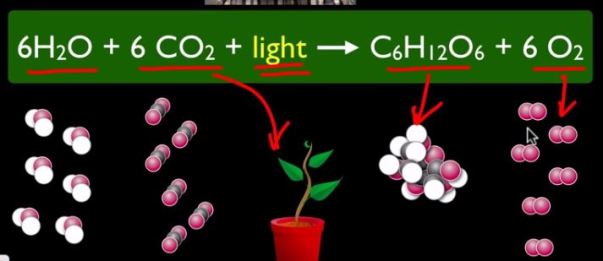
6 H2O + 6 CO2 + SUNLIGHT = C6H12O6 + O2

Paul Andersen explains the process of photosynthesis by which plants and algae can covert sunlight and carbon dioxide into glucose and oxygen. 

Photosynthesis

Just what we need, glucose and oxygen,that is just a starter for what plants can do for us.

How do you get enough protein on a plant-based diet?

This is a very popular question. And an important one, but even if you aren’t following a plant-based diet, do YU know how much protein you should be eating on a daily basis?

How much protein do we actually need?

Well, in the United States, the Dietary Reference Intake (DRI) for protein is 0.8 to 1.0 grams of protein per kilogram of body weight. To calculate your weight in kilograms, divide your weight in pounds by 2.2. That number is about how many grams you need each day. Approximately 15-25% of your total calories should be from protein sources. Although protein is certainly an essential nutrient, which plays many key roles in the way our bodies function, we do not need huge quantities of it.

Many Americans consume about twice the amount of protein necessary, and it’s important to note that excess protein can’t be stored in the body—ultimately, its elimination strains the liver and kidneys. Excessive protein consumption is linked to certain cancers (i.e.: colon, breast, prostate, pancreas), kidney disease and even osteoporosis. If you’re consuming a variety of clean, whole foods, you should get all the protein you need, without taxing your body.

Like this article so far? Share it with others on Twitter by clicking here.

Why is protein so important?
As you may or may not know, proteins are made up of amino acids, and they are the “building blocks” of life. Our skin, muscles, tendons, cartilage, even hair and nails, are all thanks to protein. Protein helps form enzymes, hormones, antibodies and new tissues. It replaces old cells with shiny new ones, and it transports important nutrients in and out of those cells. The human body can manufacture all but nine of the 22 amino acids that make up proteins. These nine amino acids are known as “essential” amino acids, and therefore must be derived from what we eat. There’s a lot of overlap from the sources of these “essentials,” which further proves that variety is best for covering bases. You don’t have to sweat every detail, or spend a ton of time planning meals—eat an assortment of whole foods and you will get what you need.

* Arginine
Classified as a semi-essential or “conditionally” essential amino acid, depending on the developmental stage and health status of the individual.
Find it in: almonds, beets, Brazil nuts, buckwheat, carrots, cashews, celery, chickpeas, coconut, cucumbers, flax seed, garlic, green vegetables, hazelnuts, kidney beans, leeks, lentil, lettuce, nutritional yeast, onion, parsnips, pecans, pine nuts, potatoes, pumpkin seeds, radishes, sesame seeds, sprouts, sunflower seeds and walnuts.
. . .
Histidine
Especially needed during infancy for proper growth and development—once was believed to be only essential for newborns, but is now known to be essential for adults, as well.
Find it in: apples, bananas, beans, beets, buckwheat, carrots, cantaloupe, cauliflower, celery, citrus fruits, cucumber, dandelion, endive, garlic, greens, legumes, mushrooms, pomegranates, radish, rice, seaweed, sesame, spinach, spirulina and turnip greens.
. . .
Isoleucine
Necessary for muscle production, maintenance and recovery—especially post-workout. Involved in hemoglobin formation, regulating blood sugar levels, blood clot formation and energy.
Find it in: almonds, avocados, cashews, chickpeas, coconut, lentils, olives, papaya, seaweed and most seeds like sunflower.
. . .
Leucine
Essential for growth hormone production, tissue production and repair. Prevents muscle wasting and is used in treating conditions such as Parkinson’s disease.
Find it in: almonds, asparagus, avocados, chickpeas, coconut, lentils, oats, olives, papayas, rice, sunflower seeds and walnuts.
. . .
Lysine
Great for calcium absorption, bone development, nitrogen maintenance, tissue repair, hormone production, antibody production.
Find it in: amaranth, apples, apricots, beans, beets, carrots, celery, cucumber, dandelion greens, grapes, papayas, parsley, pears, peas, spinach and turnip greens.
. . .
Methionine
The “cleaner”—important for fat emulsification, digestion, antioxidant (cancer prevention), arterial plaque prevention (heart health) and heavy metal removal.
Find it in: black beans, Brazil nuts, cashews, kidney beans, oats, sesame seeds, spirulina, spinach, sunflower seeds and watercress.
. . .
Phenylalanine
A precursor for tyrosine and the signaling molecules: dopamine, norepinephrine (noradrenaline) and epinephrine (adrenaline), as well as the skin pigment: melanin. Supports learning and memory, brain processes and mood elevation.
Find it in: apples, beets, carrots, cashews, flax seed, hazelnuts, nutritional yeast, parsley, pineapples, pumpkin seeds, sesame seeds, sunflower seeds, spinach and tomatoes.
. . .
Threonine
Monitors bodily proteins for maintaining or recycling processes.
Find it in: almonds, beans, carrots, celery, chickpeas, collards, flax seed, greens, green leafy vegetables, kale, lentils, lima beans, nori, nuts, papayas, sesame seeds, sunflower seeds and walnuts.
. . .
Tryptophan
Needed for niacin production, serotonin production, pain management, sleep and mood regulation.
Find it in: Brussels sprouts, carrots, celery, chives, dandelion greens, endive, fennel, nutritional yeast, pumpkin seeds, sesame seeds, snap beans, spinach, sunflower seeds, turnips and walnuts.
. . .
Valine
Helps muscle production, recovery, energy, endurance—balances nitrogen levels and is used in treatment of alcohol-related brain damage.
Find it in: apples, almonds, bananas, beets, broccoli, carrots, celery, dandelion greens, lettuce, nutritional yeast, okra, parsley, parsnips, pomegranates, potatoes, squash, tomatoes and turnips.

You may need more protein if you are…
• Mentally/physically tired (especially if you need daytime naps)
• Suffering from injuries/cramping/muscle soreness
• Unable to concentrate or focus
• Losing muscle, or unable to build it
• Losing hair
• Suffering from brittle/breaking nails
• Unusually susceptible to sunburn
• Suffering from headaches, fainting, nausea
• Cranky, anxious or moody or depressed

Remember, our bodies are designed, and biologically programmed, to survive. Symptoms are the way your body tries to communicate with you. If it doesn’t have enough of what it needs to thrive, it will do its best to get what it needs with what it has. If you are unable to build/retain muscle, that’s probably because you aren’t getting enough protein and your body is taking it from where it can—your muscle tissue. If you suffer from recurring/multiple injuries, your body probably doesn’t have the protein it needs for strength, rebuilding and recovery. Are your nails flimsy and breaking? Are you losing excessive hair? Your body may be holding onto what protein it has stored in the “bank,” versus using what little it has to create new nails or full hair.

This is also why nutrient-rich, whole foods are ideal, and why true health comes from these kinds of foods versus labels like “vegan.” Just because someone is vegan, vegetarian, or an omnivore for that matter, doesn’t make them healthy. Many folks make the mistake of “going vegan” and consuming a lot of processed, nutrient-void junk foods, pastas, etc. True health comes from the consumption of a variety of whole foods—the ones Mother Nature designed. It’s that simple.

Want to see how delicious plant-powerful recipes can be?

And here’s a helpful chart.
This chart is for reference only, since it’s recommended that you think of food in its “wholeness”—its natural, plant-based complexity. Excellent nutrition is truly about balance and variety. For example, everything that makes up a carrot is important for good health, not just the beta carotene, or the vitamin C, but the whole carrot. It’s packaged how Mother Nature designed—a symphony of nutrients, fiber and a large assortment of protective compounds, most of which still remain unnamed (and undiscovered). Imagine that.

Do I need to combine protein sources at each meal to make sure I get all essential amino acids?
No. It’s a myth. Nearly all whole foods (including greens and veggies) contain protein, and nearly all forms of protein contain all protein-forming amino acids in some quantity. If you eat a variety of nutrient-rich, whole foods, your body will work its magic to store what it needs to function optimally. Scientists used to claim that herbivores would develop protein deficiency if they didn’t get essential amino acids in proper, combined amounts at every meal. But our bodies are amazing. See, when we eat, amino acid “deposits” are made into a “storage bank,” and the body then takes what it needs as it’s needed. So, you don’t have to eat complementary proteins together with each meal in an effort to make complete protein. Your body has a system already set up; you just need to eat a variety of foods to fill the bank. By eating a variety of plant foods with “incomplete proteins” throughout the day, we can easily get enough “complete protein.”

Picture a giant 400lb gorilla. What does he eat to grow that strong, muscular body? Leaves, stems, roots, seeds and fruit (and maybe the occasional insect that lives on those foods). The body actually works less (uses less energy) to process protein from a vegetable-based diet than it does from a meat-based diet, too. This energy conservation is great for more efficient healing, building and overall optimal health. Most plant-based protein sources, contrary to animal-based sources, are also alkalizing for the body. Which means less aches and pains, freedom from disease, better sleep, happier moods, improved memory and concentration, stronger/more efficient digestion and an overall better state of health.

Complete Plant Protein Sources
Remember—variety. And if you want to make it even easier for yourself, here are a bunch of delicious, whole food options for complete plant-based proteins that you can keep in your pantry and fridge. Add them to salads, smoothies, wraps and more.

It’s also helpful to have a plant-based protein smoothie like Vega One once a day. It contains 15 grams of quality plant-based protein per serving (enter SHIPUSVEGA at checkout to get free shipping)—I usually have one a day with two scoops.

(These are gluten-free, too)
Amaranth: recipes | how to pop
Spirulina & Chlorella: add to smoothies, or take in powder or tablets
Buckwheat:
recipes | how to cook
Chia Seed: recipes
Hemp Seed: hemp milk recipe
Quinoa:  cooking tips and recipes
Sprouted Lentils (sprouting makes them complete):
how to sprout lentils
  |  lentil recipes

***
Print out this helpful Plant Protein Chart
 and keep it in your wallet or purse. Use it as a reference when planning meals for the week, or when shopping.
***

It’s all about variety.
While the protein question is a frequent one for plant-based eaters, don’t dismiss it in an uneducated haze of herbivore pride. It’s very important that we get enough protein each and every day, but as you can see, it’s not as difficult as most folks think—it’s actually quite easy (and did we mention delicious?). Variety is the key to acquiring all of the essential amino acids that we need, and YumUniverse shares an infinite collection of clean, whole food recipes that include this variety. Truly a universe of possibilities. Have fun with it.

Did YU enjoy this free resource? Then, please share it with others on Twitter by clicking here.
http://yumuniverse.com/plant-based-protein-information-chart/

Essential amino acids

Introduction 
Why learn this?

Amino acids play central roles both as building blocks of proteins and as intermediates in metabolism. The 20 amino acids that are found within proteins convey a vast array of chemical versatility. Tertiary Structure of a proteinThe precise amino acid content, and the sequence of those amino acids, of a specific protein, is determined by the sequence of the bases in the gene that encodes that protein. The chemical properties of the amino acids of proteins determine the biological activity of the protein. Proteins not only catalyze all (or most) of the reactions in living cells, they control virtually all cellular process. In addition, proteins contain within their amino acid sequences the necessary information to determine how that protein will fold into a three dimensional structure, and the stability of the resulting structure. The field of protein folding and stability has been a critically important area of research for years, and remains today one of the great unsolved mysteries. It is, however, being actively investigated, and progress is being made every day.

As we learn about amino acids, it is important to keep in mind that one of the more important reasons to understand amino acid structure and properties is to be able to understand protein structure and properties. We will see that the vastly complex characteristics of even a small, relatively simple, protein are a composite of the properties of the amino acids which comprise the protein.

Top
Essential amino acids

Humans can produce 10 of the 20 amino acids. The others must be supplied in the food. Failure to obtain enough of even 1 of the 10 essential amino acids, those that we cannot make, results in degradation of the body’s proteins—muscle and so forth—to obtain the one amino acid that is needed. Unlike fat and starch, the human body does not store excess amino acids for later use—the amino acids must be in the food every day.

The 10 amino acids that we can produce are alanine, asparagine, aspartic acid, cysteine, glutamic acid, glutamine, glycine, proline, serine and tyrosine. Tyrosine is produced from phenylalanine, so if the diet is deficient in phenylalanine, tyrosine will be required as well. The essential amino acids are arginine (required for the young, but not for adults), histidine, isoleucine, leucine, lysine, methionine, phenylalanine, threonine, tryptophan, and valine. These amino acids are required in the diet. Plants, of course, must be able to make all the amino acids. Humans, on the other hand, do not have all the the enzymes required for the biosynthesis of all of the amino acids.

Why learn these structures and properties?
It is critical that all students of the life sciences know well the structure and chemistry of the amino acids and other building blocks of biological molecules. Otherwise, it is impossible to think or talk sensibly about proteins and enzymes, or the nucleic acids.

http://www.biology.arizona.edu/biochemistry/problem_sets/aa/aa.html

How come plants can make essential amino acids but people can’t?

How come plants can make essential amino acids but people can’t? After all, both need the same amino acids to survive.

-A curious adult from California

February 8, 2011

That’s a great question! When you think about it, it does seem weird that most animals don’t make a lot of the amino acids they need to survive. But it isn’t.

Animals get these amino acids by eating plants or animals that eat plants. This works because plants can make all twenty amino acids including the ten or so “essential” ones that most animals can’t. Another good reason to eat your veggies!

Animals evolved to work this way because it saves energy. Any of our distant ancestors that lost the ability to make these amino acids had extra energy for other things. And apparently that extra energy helped them thrive. In fact, they did so well that eventually only their offspring survived.

And we all come from these survivors. The end result is that animals (including us) have lost the ability to make many of their amino acids.

What I want to do for the rest of the answer is talk about how species can lose the ability to do things over time. And to do this, I need to take a step back and talk about genes, mutations, and something called pseudogenes.

Change can be Good

Genes are chunks of DNA that tell our cells what to make, like recipes in a cookbook. But DNA can change and sometimes this will change the recipe. Which will change what gets made.

This is like when a family recipe gets passed on. Sometimes someone in the family tweaks a recipe to improve it. The next generation then gets this improved recipe.

Changes in your DNA are called mutations instead of tweaks. Mutations in a gene can either be good, bad, or have no effect.

Kind of like our family recipe. If someone rewrites it in cursive or changes the measurements to metric, then the changes don’t have any effect. But if they change how the dish is cooked, then it might be good or bad.

For our genes, good mutations might let us save energy by “turning off genes” and stopping us from making something (like amino acids). They might also help us do things better like being able to drink milk as an adult. These might be like changing up a cake recipe so the cake cooks for a shorter time to make it moister.

Bad mutations might be those that can cause us problems, like alcohol intoleranceor even genetic disorders like Huntington disease. This might be like cooking the cake for such a short time you end up with a goopy mess.

Mutations that are very good are more likely to get passed on to the next generations. Just like the improved family recipe.

When a gene gets shut off because of a mutation, it is like someone misplacing the family recipe. It is still there, we just can’t find it so we don’t use it.

The DNA that makes up the broken gene stays around…even after millions of years! And as you’ll see below, sometimes our cells can find that lost recipe and fix it so they can use it again.

Scientists call this a pseudogene and they find pseudogenes by matching up similar chunks of DNA between different species. Scientists have found pseudogenes in animals that are almost certainly parts of the old machinery for making the essential amino acids. So we had working versions of these genes at one time, but now they are broken.

Before getting into more detail about pseudogenes, I think it is worth thinking more about how losing a gene might be useful. It helps me to think about the process if I think about those genes as various car parts.

Less is More

A Model T is definitely different from a Focus, a Prius or a Leaf. Along the way, parts were changed, added, and even lost.

For example, the parts that are involved in fuel processing have DEFINITELY changed since the invention of the first gasoline powered car. Many rounds of improvements were needed in the gasoline processing to increase those MPGs!

Eventually hybrids were invented and I think we can all agree that was a step forward when it comes to fuel efficiency. However these cars still use gasoline, so the traditional parts used in fuel processing are still there, but not used as much.

Now companies are making electric cars. They don’t need the car parts that deal with gasoline. So those parts are tossed out of the design.

Genes like the ones that make essential amino acids are like the fuel processing parts in electric cars and were eventually shut off/”lost” when they weren’t needed. Electric cars don’t need parts dealing with gasoline just like you don’t need genes dealing with essential amino acids. We both now get our energy from different sources!

Now that we’ve got a good handle on losing genes, we’re ready to dive back into the topic of pseudogenes. Ideally at this point I would now talk about those amino acid making genes we animals all lost millions of years ago.

The problem is that scientists, for whatever reason, haven’t yet done a lot of work on these. What I’ll do instead, is talk about a pseudogene involved in making vitamin C. And how it got turned back on in some birds.

We Didn’t Always Need Oranges

You’ve heard of vitamin C right? Most plants and animals can make vitamin C out of sugar but humans, and our closely related primates (monkeys and apes), can’t.

Making vitamin C from sugar takes lots of genes that all have to work one right after the other. Primates have a mutation in a gene called GULO (short for L-gulonolactone oxidase) that wrecks the recipe. This gene, the last step for making vitamin C, is now a pseudogene in humans.

The GULO story is even more interesting in birds. Some birds have a working GULO while others don’t…nothing crazy there. But it looks like some bird species that lost the ability to make vitamin C actually regained it millions of years later. They found that old family recipe that had been lost.

Their damaged recipe was repaired so they could now make their own vitamin C again. A good reason to keep these relics around in our DNA!

Pseudogenes are related to more than amino acids or vitamins. Humans alone have lost genes involved in smell, taste and immunity. In fact there have been thousands of human pseudogenes identified over the last few years.

More about vitamin C pseudogenes. Guinea pigs have a different mutation knocking out the GULO gene compared to primates like us.

Dr. Jan DeNofrio, Stanford University

Back in Circulation: Sciatica and Cholesterol

· December 5th 2014 ·

Atherosclerotic plaque clogging the arteries feeding our spine may lead to low back pain, disc degeneration, and sciatic nerve irritation.

View Transcript
Sources Cited
Acknowledgme

Protein

Answer to a Reader’s Question:

Many people are rightfully confused about the various ways that protein recommendations are established, and fail to know the main factors that have caused the confusion. Understanding the protein recommendations requires an understanding of the history of protein research and the serious bias that crept into the science over the years. From the beginning, there was a very strong bias that has emphasized the health importance of protein and this almost always meant animal-based protein. This bias arose even though the research results clearly showed in many cases that it SHOULD NOT be emphasized. Nonetheless nutrition researchers still emphasized higher consumption of protein because it was the “sign of civilization itself” as was said in the early 1900s and, further, that those who did not consume these generous amounts of protein (i.e., meat) were “of an effeminate nature”!

Researchers continually pushed the protein idea and continually found ways to develop methodologies and algorithms to ‘show’ that higher levels of protein were advisable. The whole concept of protein “quality” was devised so that it could be said that animal protein was high quality and plant proteins were low quality when, in fact, the concept of quality only indicated a biological efficiency of utilization per unit protein consumed. Naturally, animal-based proteins more nearly mimic our needs because they are composed of the right ratio of amino acids, thus are used more efficiently. But these studies were mostly based on animal production research that served the farm community (also served for my PhD thesis!) far more than it served the interests of human health. More efficiently used “high quality” proteins also efficiently grow cancer cells as well!

However, it’s important not to miss the really bizarre point that the current US dietary guidelines advocate an upper limit of 35% of calories as protein that is supposedly consistent with minimizing chronic diseases. The only way that one can go this high is to be a virtual carnivore. The correct recommended intake is around 8-10% protein (not 35%!) which can be easily supplied by a good whole foods plant based diet. Even potatoes will do the job alone.

So, it’s back to the question of how and why and who is recommending these ridiculous numbers. The first time that these new high limits appeared was when a top consultant to the dairy industry, was chairing the Food and Nutrition Board that was responsible for the report. That report was funded by the dairy industry-based Dannon Institute, among other corporate benefactors who, accidentally I suppose, rather liked these high protein recommendations.

This is where Dr. Caldwell Esselstyn’s research that was focused on low fat intake and my research that was initially focused on lower protein intake converged, pointing to the elimination of animal based food consumption that was so highly correlated in international studies with Western diseases.

No Whey! Man

No Whey, Man. I’ll Pass on the Protein Powder

By Guest Author November 7th, 2014 The Wheys of Dairy & Casein123 Comments

For the past fifteen years, I have been closely involved with the bodybuilding industry. I have an intimate understanding of how the industry operates. In a nutshell, it is sustained by the supplement companies that sponsor the athletes who represent them. This in turn inspires fans who admire the athletes to purchase the products they represent, thus creating a cycle that drives record sales and profits, all the while potentially harming the health of many involved in the industry later on down the line.

Two of my favorite professional bodybuilders, Nasser El Sonbaty and Mike Matarazzo, recently died in their forties, likely from diet-related health issues. In all probability, their deaths were a result of too much protein consumption, coupled with the use of performance enhancing substances day after day until their organs failed. Now they’re gone. This is not a rare occurrence in bodybuilding. Though bodybuilders exercise more than the average person, the rate of bodybuilders suffering from diet-related health problems is often more common than the general American public falling ill to diet-related diseases. Clearly, there is a problem that needs to be addressed.

If there is one thing in the sport of bodybuilding that is as common as weight training, it is the use of supplements. No supplement is more widely consumed than protein powder. The powders of choice among mainstream bodybuilders are whey and casein, which are proteins derived from cow’s milk. In fact, these are the substances of choice for most protein powder consumers worldwide.
Athletes from all walks of life embrace the consumption of excess protein under the assumption that more is better. Many companies (and entire industries) have gone to great lengths to convince the public that they need to seek out high protein foods and consume as much protein as possible, without any consideration of the health consequences that accompany excess consumption. The focus on consuming large amounts of protein is so engrained in our culture, there are often warnings given out by friends and relatives of those following a plant-based diet that protein will be hard to come by without consuming animal products. That is another way protein supplements squeeze their way into the diets of citizens everywhere, through the unwarranted fear that we won’t get enough of this specific nutrient, suggesting whey and casein as plausible aids in this quest.

Years ago, I learned from Dr. T. Colin Campbell’s book, written with his son, Dr. Thomas Campbell, The China Study, that casein has the ability to turn on and turn off cancer growth simply by adjusting the level of intake of that protein. This was determined through years of clinical trials, experiments, and tests, which yielded these results, and are outlined in detail in Dr. Campbell’s research. His findings show that when casein is consumed in large quantities, cancer cells increase in size, and when there is a cessation in consumption of casein, cancer tumor cells recede.[1] I later learned that elevated levels of protein can also cause kidney damage, liver problems, kidney stones, excess fat gain, contribute to the damaging of the lining of artery walls, lead to plaque build up in arteries, result in lethargy, diminish bone density, and cause a host of other health problems. If this is truly the case, as it has been revealed by Dr. Campbell and numerous other world renowned experts who came to the same conclusions through experimentation, observation, and scientific research, why are these products consumed at such high levels? With their direct correlations to increased risk of disease, why is casein, which has been linked to illnesses such as prostate cancer, more than any other protein, allowed to be sold in stores? Why are these products even produced? After all, who needs them, besides calves?

If we have special protein powders created from cow’s milk for human consumption, it would only make sense that it must be because our society sees a very high rate of protein deficiency. But, that isn’t the case at all. In fact, a protein deficiency is almost unheard of in America and only exists in someone who does not consume adequate calories. The reason this is so, is because of the macronutrient make-up of food. Food is only made up of proteins, fats, carbohydrates, and water (and sometimes alcohol). Some level of protein is present in all foods, and in significant quantities in specific types of foods such as beans and other legumes, nuts, seeds, leafy green vegetables, other vegetables and grains. The amount of protein required by the human body (5-10% of total calories per day) is relatively low in comparison to the other macronutrients. It is therefore impossible to be protein deficient when sufficient calories are consumed. This is how nature works. In reality, most people in developed countries, including those following a plant-based diet, eat too much protein, not the other way around.[2] We clearly don’t have a health or nutritional need for whey or casein protein powders, so why are they here, why are they so popular, so common, and why is their use so infrequently questioned?

Part of the answer lies in the world of bodybuilding and the magazines, books, websites, athletes, and other individuals that feed the industry. The community that I have been part of for so long is a key factor in keeping these antiquated ideas about protein alive. It is therefore my (and others’) mission to effectively dispel these myths by showing a healthier way to support fitness goals without the use of any substances that came from a cow’s udder. As a semi-retired bodybuilder and current health and wellness advocate and multi-sport athlete, I endorse a whole-food, plant-based diet for optimal results, even when bodybuilding. I aim to put the desire for elevated levels of protein to rest by showing how a relatively low protein, whole-food, plant-based diet can support all athletic endeavors effectively and efficiently. I have achieved great results as a plant-based athlete for the past two decades, and have sought to lead by example.

If health is your goal, clearly, your answer to cow-based protein powders should be, “No whey, man.” Let’s put this into perspective. If you had to buy a clearly labeled animal-derived fat powder and carbohydrate powder at the same time of purchase as a whey or casein protein powder, would you proceed with the purchase? Or would it seem so silly to get your required macronutrients from canisters of animal by-products, the cashier at the store would raise an eyebrow and question your sanity? Consider these questions the next time you think about buying powders made from cow secretions for proper nutrition. How about eating something from a garden instead? Not only is it a much healthier choice, but fresh produce is a lot more appetizing, too.

References

Campbell, T.C., Campbell, T.M. (2006). The China Study. Dallas, Texas: BenBella.
Do Vegetarians Get Enough Protein? (2014). Retrieved from (link).
Guest Author Robert Cheeke
Robert Cheeke, bestselling author of Vegan Bodybuilding & Fitness, and author of the new book, Shred It!, available on http://www.veganbodybuilding.com.
Related Posts:
Animal Protein as a CarcinogenAnimal Protein as a Carcinogen proteinProtein