Canadians have heart disease

Few Canadians have good heart health

A new study finds nine per cent of Canadian adults meet the criteria for “ideal” cardiovascular health.

Photograph by: Jason Kryk, Postmedia News File Photo , Postmedia News

A paltry nine per cent of Canadian adults – fewer than one in 10 – meet the criteria for “ideal” cardiovascular health, a new study based on nearly half a million Canadians says.

The heart health of the nation’s youth is only marginally better, with only 17 per cent of those aged 12 to 19 – fewer than one in five – getting top scores for healthy behaviours.

How many calories should I eat?

One of the most common questions that I am asked is “How many calories should I eat?” and while many of us are hoping to hear that “magic number” of what is going to help us lose weight, the fact is our caloric needs are highly individual. Calculating your basal metabolic rate (BMR) is the simplest way to find the answer. Here’s how it works:

Your BMR is the amount of energy your body needs to function. We use about 60% of the calories we consume each day for basic bodily functions such as breathing.

Other factors that influence your BMR are height, weight, age and sex. (Please note that this formula applies only to adults.)

Calculate BMR

Step one is to calculate your BMR with the following formula:

Women:

655 + (4.3 x weight in pounds) + (4.7 x height in inches) – (4.7 x age in years)

Men:

66 + (6.3 x weight in pounds) + (12.9 x height in inches) – (6.8 x age in years)

The resulting number of each equation is your BMR.

Calculate Activity

Step two: In order to incorporate activity into your daily caloric needs, complete the following calculation:

If you are sedentary: Multiply BMR x 20 percent

If you are lightly active: Multiply BMR x 30 percent

Add this number to your BMR. This resulting number is the number of calories you can comfortably consume each day without weight gain.

An apple a day

An apple a day … keeps cholesterol at bay? Fruit may work better than statins at preventing artery blockages: study

Sarah Knapton, The Daily Telegraph, National Post Wire Services | 18/12/13 | Last Updated: 18/12/13 1:27 PM ET
More from National Post Wire Services

The soluble fibre found in fruits such as apples may block the formation of plaque on artery walls better than conventional cholesterol drugs, a new study suggests.

Peter Macdiarmid/Getty Images filesThe soluble fibre found in fruits such as apples may block the formation of plaque on artery walls better than conventional cholesterol drugs, a new study suggests.

An apple a day really will keep the doctor away and is as effective as statins at preventing strokes and heart attacks, a new U.K. study suggests.

Researchers at the University of Oxford have concluded that around 8,500 deaths could be prevented every year if people over 50 who are not already taking statins ate an apple each day.

The Pendragon apple contained more beneficial compounds than any other

Apples are high in soluble fibre which slows the build-up of cholesterol-rich plaque in the arteries. Last year researchers found the Pendragon apple contained more beneficial compounds than any other.

Dr. Adam Briggs, of the BHF health promotion research group at Oxford, said: “While no one currently prescribed medicine should replace them with apples, we could all benefit from eating more fruit.”

Apples, unlike statins, have no side effects

Also apples, unlike statins, have no side effects.

Previous studies, which showed the benefits of fruit consumption for cardiovascular health and decreased mortality, were compared with similar mortality figures for statins.

Around 5.2 million people are eligible for statins. If everyone over age 50 were to be prescribed statins, it would mean an extra 17.6 million would take them — and 9,400 more deaths would be prevented each year.

‘The Victorians had it about right’

Researchers assumed there would be a 70% compliance rate if apples were prescribed, which would prevent 8,500 deaths. The results appear in the British Medical Journal.

Noting further that the study shows just how profoundly even small changes in diet and lifestyle can affect health outcomes, Briggs said: “The Victorians had it about right when they came up with their brilliantly clear and simple public health advice: ‘An apple a day keeps the doctor away.’ “

Skip the Supplements

images
By PAUL A. OFFIT and SARAH ERUSH
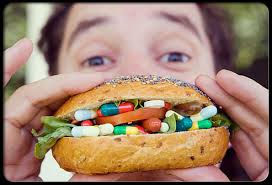
PHILADELPHIA — PARENTS whose children are admitted to our hospital occasionally bring along something extra to help with their care: dietary supplements, like St. John’s wort to ameliorate mild depression or probiotics for better health.
Here’s the problem: The Joint Commission, which is responsible for hospital accreditation in the United States, requires that dietary supplements be treated like drugs. It makes sense: Vitamins, amino acids, herbs, minerals and other botanicals have pharmacological effects. So they are drugs.
But the Food and Drug Administration doesn’t regulate dietary supplements as drugs — they aren’t tested for safety and efficacy before they’re sold. Many aren’t made according to minimal standards of manufacturing (the F.D.A. has even found some of the facilities where supplements are made to be contaminated with rodent feces and urine). And many are mislabeled, accidentally or intentionally. They often aren’t what they say they are. For example:
In 2003, researchers tested “ayurvedic” remedies from health food stores throughout Boston. They found that 20 percent contained potentially harmful levels of lead, mercury or arsenic.
In 2008, two products were pulled off the market because they were found to contain around 200 times more selenium (an element that some believe can help prevent cancer) than their labels said. People who ingested these products developed hair loss, muscle cramps, diarrhea, joint pain, fatigue and blisters.
Last summer, vitamins and minerals made by Purity First Health Products in Farmingdale, N.Y., were found to contain two powerful anabolic steroids. Some of the women who took them developed masculinizing symptoms like lower voices and fewer menstrual periods.
Last month, researchers in Ontario found that popular herbal products like those labeled St. John’s wort and ginkgo biloba often contained completely different herbs or contaminants, some of which could be quite dangerous.
The F.D.A. estimates that approximately 50,000 adverse reactions to dietary supplements occur every year. And yet few consumers know this.
Parents of children admitted to our hospital often request that we continue treating their child with dietary supplements because they believe in them, even if that belief isn’t supported by evidence. More disturbing were the times when children were taking these supplements without our knowledge. Doctors always ask parents if their children are taking any medicines. Unfortunately, because most parents don’t consider dietary supplements to be drugs, we often never knew about their use, let alone whether they might react dangerously with the child’s other treatments.
The F.D.A. has the mandate, but not the manpower, to oversee the labeling and manufacture of these supplements. In the meantime, doctors — and consumers — are on their own.
Our hospital has acted to protect the safety of our patients. No longer will we administer dietary supplements unless the manufacturer provides a third-party written guarantee that the product is made under the F.D.A.’s “good manufacturing practice” (G.M.P.) conditions, as well as a Certificate of Analysis (C.O.A.) assuring that what is written on the label is what’s in the bottle.
The good news is that we’ve been able to find some vitamins, amino acids, minerals and a handful of other supplements that meet this standard. For example, melatonin has been shown to affect sleep cycles and has a record of safety, and we identified a product that met manufacturing and labeling standards.
The bad news is that this was a vanishingly small percentage of the total group. Around 90 percent of the companies we reached out to for verification never responded. They didn’t call us back, or their email or manufacturing addresses changed overnight. Of the remainder, many manufacturers refused to provide us with either a statement of G.M.P. or a C.O.A.; in other words, they refused to guarantee that their products were what they said they were. Others lied; they said they met G.M.P. standards, but a call to the F.D.A. revealed they had been fined for violations multiple times. Perhaps most surprising, some manufacturers willingly furnished information that their product didn’t meet standards — like one company that provided a C.O.A. showing that its product contained 47,000 International Units of beta-carotene, when the label stated 25,000.
Now, when parents in our hospital still want to use products whose quality can’t be assured, we ask them to sign a waiver stating that the supplement may be dangerous, and that most have not been studied for their effectiveness. “Use of an agent for which there are no reliable data on toxicity and drug interactions,” the waiver reads, “makes it impossible to adequately monitor the patient’s acute condition or safely administer medications.”
What can other individuals who are concerned about supplement safety do? They can look for “U.S.P. Verified” on the label — this proves the supplement has been inspected and approved under the United States Pharmacopeial Convention. Unfortunately, fewer than 1 percent of the 55,000 or so supplements on the market bear this label. The real answer is that, until the day comes when medical studies prove that these supplements have legitimate benefits, and until the F.D.A. has the political backing and resources to regulate them like drugs, individuals should simply steer clear.
For too long, too many people have believed that dietary supplements can only help and never hurt. Increasingly, it’s clear that this belief is a false one.
Paul A. Offit is chief of the division of infectious diseases at the Children’s Hospital of Philadelphia, where Sarah Erush is the clinical manager in the pharmacy department.

Soy and Your Health

Soy products have recently enjoyed increasing popularity. Soy products include soybeans (also called edamame) and any other items made from soybeans, including soymilk, tofu, tempeh, miso, and vegetarian meat and dairy substitutes like soy meats and soy cheeses. Like most other plant foods, the most healthful choices are those that are minimally processed so they retain all of their original nutrients. But because soy products are so widely consumed, some people have raised the question as to whether they are safe. Let’s take a look at what medical studies show:

Cancer Prevention and Survival

Epidemiological studies have found that soy protein may reduce the risk for cancers including breast, colon, and prostate.1

Studies show that women who include soy products in their routine are less likely to develop breast cancer, compared with other women. In January 2008, researchers at the University of Southern California found that women averaging one cup of soymilk or about one-half cup of tofu daily have about 30 percent less risk of developing breast cancer, compared with women who have little or no soy products in their diets.2However, to be effective, the soy consumption may have to occur early in life, as breast tissue is forming during adolescence.3,4

What about women who have been previously diagnosed with breast cancer? The Women’s Healthy Eating and Living Study showed that women previously diagnosed with breast cancer gain a major advantage by incorporating soy products into their diets. Those who consumed the most soy products cut their risk of cancer recurrence or mortality in half. Similarly, a study in the Journal of the American Medical Associationreported results based on 5,042 women previously diagnosed with breast cancer who were participating in the Shanghai Breast Cancer Survival Study over a four-year period. The study showed that women who regularly consumed soy products, such as soymilk, tofu, or edamame, had a 32 percent lower risk of recurrence and a 29 percent decreased risk of death, compared with women who consumed little or no soy.5 Meanwhile, a study at Kaiser Permanente suggested much the same thing. Women who avoid soy products get no advantage at all. Those who include soy products in their diets appear to cut their risk of cancer recurrence.6

A 2012 analysis that combined the results of prior studies, including a total of 9,514 women from the United States and China, showed that those who consumed the most soy products were 25 percent less likely to have their cancer return, compared with those who tended to avoid soy products.7 Other studies, including the Women’s Healthy Eating and Living Study, have found that there was no effect or a favorable effect on breast tissue density in breast cancer survivors consuming soy, regardless of hormone receptor status.8,9

Why should soy products reduce cancer risk? Most research has zeroed in on phytoestrogens found in soybeans (phyto means “plant”). Some researchers have suggested that these compounds somehow block the effects of estrogens. However, that does not appear to be the entire explanation, as diet effects may also benefit people with estrogen-receptor-negative cancers.

Fertility

Other concerns include whether soy has a negative effect on reproductive health. However, studies in both men and women have shown that soy did not hinder reproduction.10,11

Also, adults who had been fed soy infant formula as infants were found to have no difference in their reproductive health when compared with adults who had been fed cow’s milk formula.12

Male Hormones

Soy products have no adverse effects on men and may help prevent cancer in men. A meta-analysis published in Fertility and Sterility, based on more than 50 treatment groups, showed that neither soy products nor isoflavone supplements from soy affect testosterone levels in men.13 An analysis of 14 studies published in the American Journal of Clinical Nutrition showed that increased intake of soy resulted in a 26 percent reduction in prostate cancer risk.14 Researchers found a 30 percent risk reduction with nonfermented soy products such as soymilk and tofu.

Fibroids

Soy products may reduce the risk of fibroids, knots of muscle tissue that form within the thin muscle layer that lies beneath the uterine lining. A study of Japanese women found that the more soy women ate, the less likely they were to need a hysterectomy, suggesting that fibroids were less frequent.15 In a study of women in Washington State, soy did not seem to help or hurt, perhaps because American women eat very little soy, compared with their Japanese counterparts.16 What did have a big effect in this study were lignans, a type of phytoestrogens found in flaxseed and whole grains. The women consuming the highest amounts of these foods had less than half the risk of fibroids, compared with the women who generally skipped these foods. So, again, phytoestrogens seem beneficial, countering the effects of a woman’s natural estrogens, although in this case the benefit comes from foods other than soy.

Thyroid Health

Clinical studies show that soy products do not cause hypothyroidism.17 However, soy isoflavones may take up some of the iodine that the body would normally use to make thyroid hormone.18 The same is true of fiber supplements and some medications. In theory, then, people who consume soy might need slightly more iodine in their diets. (Iodine is found in many plant foods, and especially in seaweed and iodized salt.) Soy products can also reduce the absorption of medicines used to treat hypothyroidism.17People who use these medicines should check with their health care providers to see if their doses need to be adjusted.

Other Health Effects

A study looking at the diets and measures of inflammation in 1,005 middle-aged Chinese women who were part of the Shanghai Women’s Health Study showed that the more soy products the women consumed, the less inflammation they experienced. Inflammation is linked to cancer, type 2 diabetes, and cardiovascular disease.19 Soy products appear to reduce low-density lipoprotein (“bad”) cholesterol.20They may also reduce the risk of osteoporosis-related hip fractures. In a study published in the American Journal of Epidemiology, women who consumed at least one-fourth cup of tofu per day averaged a 30 percent reduction in fracture risk.21 A study in the journal Menopause found that women taking soy isoflavone supplements for six weeks to 12 months reduced the frequency of hot flashes by 21 percent, compared with women taking a placebo.22

Overnutrition

Soy products are typically high in protein. Some manufacturers have exploited this fact, packing isolated soy protein into shakes and turning it into meat substitutes. However, it may be prudent to avoid highly concentrated proteins from any source, including soy. It has long been known that cow’s milk increases the amount of insulin-like growth factor in the bloodstream,23 and this compound is linked to higher cancer risk. Some evidence suggests that highly concentrated soy proteins (indicated as “soy protein isolate” on food labels) can do the same.24 Simple soy products, such as tempeh, edamame, or miso, are probably the best choices.

Summary

Evidence to date indicates that soy products may reduce the risk of breast cancer and breast cancer recurrence. They do not appear to have adverse effects on the thyroid gland, but may reduce the absorption of thyroid medications. The benefits of soy products appear to relate to traditional soy products, not to concentrated soy proteins

References
1. Badger TM, Ronis MJ, Simmen RC, Simmen FA. Soy protein isolate and protection against cancer. J Am Coll Nutr. 2005;24:146S-149S.
2. Wu AH, Yu MC, Tseng CC, Pike MC. Epidemiology of soy exposures and breast cancer risk. Br J Cancer. 2008;98:9-14.
3. Korde LA, Wu AH, Fears T, et al. Childhood soy intake and breast cancer risk in Asian American women. Cancer Epidemiol Biomarkers Prev. 2009;18:1050-1059.
4. Shu XO, Jin F, Dai Q, et al. Soyfood intake during adolescence and subsequent risk of breast cancer among Chinese women. Cancer Epidemiol Biomarkers Prev. 2001;10:483-488.
5. Shu XO, Zheng Y, Cai H, et al. Soy food intake and breast cancer survival. JAMA. 2009;302:2437-2443.
6. Guha N, Kwan ML, Quesenberry CP Jr, Weltzien EK, Castillo AL, Caan BJ. Soy isoflavones and risk of cancer recurrence in a cohort of breast cancer survivors: the Life After Cancer Epidemiology study. Breast Cancer Res Treat. 2009;118:395-405
7. Nechuta SJ, Caan BJ, Chen WY, et al. Soy food intake after diagnosis of breast cancer and survival: an in-depth analysis of combined evidence from cohort studies of US and Chinese women. Am J Clin Nutr. 2012;96:123-132.
8. Messina MJ, Loprinzi CL. Soy for breast cancer survivors: a critical review of the literature. J Nutr. 2001;131(11 Suppl):3095S-3108S.
9. Caan BJ, Natarajan L, Parker BA, et al. Soy food consumption and breast cancer prognosis. Cancer Epidemiol Biomarkers Prev. 2011;20;854–858.
10. Mitchell JH, Cawood E, Kinniburgh D, Provan A, Collins AR, Irvine DS. Effect of a phytoestrogen food supplement on reproductive health in normal males. Clin Sci (Lond). 2001;100:613-618.
11. Kurzer MS. Hormonal effects of soy in premenopausal women and men. J Nutr. 2002;132:570S-573S.
12. Strom BL, Schinnar R, Ziegler EE, et al. Exposure to soy-based formula in infancy and endocrinological and reproductive outcomes in young adulthood. JAMA. 2001;286:807-814.
13. Hamilton-Reeves JM, Vazquez G, Duval SJ, Phipps WR, Kurzer MS, Messina MJ. Clinical studies show no effects of soy protein or isoflavones on reproductive hormones in men: results of a meta-analysis. Fertil Steril. 2010;94:997-1007.
14. Yan L, Spitznagel EL. Soy consumption and prostate cancer risk in men: a revisit of a meta-analysis. Am J Clin Nutr. 2009;89:1155-1163.
15. Nagata C, Takatsuka N, Kawakami N, Shimizu H. Soy product intake and premenopausal hysterectomy in a follow-up study of Japanese women. Eur J Clin Nutr. 2001;55:773-777.
16. Atkinson C, Lampe JW, Scholes D, Chen C, Wahala K, Schwartz SM. Lignan and isoflavone excretion in relation to uterine fibroids: a case-control study of young to middle-aged women in the United States. Am J Clin Nutr. 2006;84:587-593.
17. Messina M, Redmond G. Effects of soy protein and soybean isoflavones on thyroid function in healthy adults and hypothyroid patients: a review of the relevant literature. Thyroid. 2006;16:249-258.
18. Divi RL, Chang HC, Doerge DR. Anti-thyroid isoflavones from soybean: isolation, characterization, and mechanisms of action. Biochem Pharmacol. 1997;54:1087-1096.
19. Wu SH, Shu XO, Chow WH, et al. Soy food intake and circulating levels of inflammatory markers in Chinese Women.J Acad Nutr Diet. 2012;112:996-1004.
20. Pipe EA, Gobert CP, Capes SE, Darlington GA, Lampe JW, Duncan AM. Soy protein reduces serum LDL cholesterol and the LDL cholesterol:HDL cholesterol and apolipoprotein B:apolipoprotein A-I ratios in adults with type 2 diabetes. J Nutr. 2009;139:1700-1706.
21. Koh WP, Wu AH, Wang R, et al. Gender-specific associations between soy and risk of hip fracture in the Singapore Chinese Health Study. Am J Epidemiol. 2009;170:901-909.
22. Taku K, Melby MK, Kronenberg F, Kurzer MS, Messina M. Extracted or synthesized soybean isoflavones reduce menopausal hot flash frequency and severity: systematic review and meta-analysis of randomized controlled trials.Menopause. 2012;19:776-790.
23. Heaney RP, McCarron DA, Dawson-Hughes B, et al. Dietary changes favorably affect bone remodeling in older adults. J Am Diet Assoc. 1999;99:1228-1233.
24. Dewell A, Weidner G, Sumner MD, et al. Relationship of dietary protein and soy isoflavones to serum IGF-1 and IGF binding proteins in the Prostate Cancer Lifestyle Trial. Nutr Cancer. 2007;58:35-42.

Huge Study Of Diet Indicts Fat And Meat

By JANE E. BRODY
Published: May 08, 1990

EARLY findings from the most comprehensive large study ever undertaken of the relationship between diet and the risk of developing disease are challenging much of American dietary dogma. The study, being conducted in China, paints a bold portrait of a plant-based eating plan that is more likely to promote health than disease.

The study can be considered the Grand Prix of epidemiology. Sixty-five hundred Chinese have each contributed 367 facts about their eating and other habits that could ultimately help them and Americans preserve their health and prolong their lives. The data alone fill a volume of 920 pages, to be published next month by Cornell University Press. Among the first tantalizing findings are these: Obesity is related more to what people eat than how much. Adjusted for height, the Chinese consume 20 percent more calories than Americans do, but Americans are 25 percent fatter. The main dietary differences are fat and starch. The Chinese eat only a third the amount of fat Americans do, while eating twice the starch. The body readily stores fat but expends a larger proportion of the carbohydrates consumed as heat. Some of the differences may be attributable to exercise. The varying levels of physical activity among the Chinese were measured, but the data have not yet been analyzed.

Reducing dietary fat to less than 30 percent of calories, as is currently recommended for Americans, may not be enough to curb the risk of heart disease and cancer. To make a significant impact, the Chinese data imply, a maximum of 20 percent of calories from fat – and preferably only 10 to 15 percent – should be consumed.

Eating a lot of protein, especially animal protein, is also linked to chronic disease. Americans consume a third more protein than the Chinese do, and 70 percent of American protein comes from animals, while only 7 percent of Chinese protein does. Those Chinese who eat the most protein, and especially the most animal protein, also have the highest rates of the ”diseases of affluence” like heart disease, cancer and diabetes.

A rich diet that promotes rapid growth early in life may increase a woman’s risk of developing cancer of the reproductive organs and the breast. Childhood diets high in calories, protein, calcium and fat promote growth and early menarche, which in turn is associated with high cancer rates. Chinese women, who rarely suffer these cancers, start menstruating three to six years later than Americans. Dairy calcium is not needed to prevent osteoporosis. Most Chinese consume no dairy products and instead get all their calcium from vegetables. While the Chinese consume only half the calcium Americans do, osteoporosis is uncommon in China despite an average life expectancy of about 70 years, just five few years less than the American average.

These findings are only the beginning. Dr. T. Colin Campbell, a nutritional biochemist from Cornell University and the American mastermind of the Chinese diet study, predicts that this ”living laboratory” will continue to generate vital findings for the next 40 to 50 years.

The study, started in 1983 to explore dietary causes of cancer, has been expanded to include heart, metabolic and infectious diseases. Dr. Chen Junshi of the Chinese Institute of Nutrition and Food Hygiene organized the survey to cover locations from the semitropical south to the cold, arid north.

Exacting, Labor-Intensive Study

The extensive volume of raw data and its counterpart on computer tape will be available to any scientist to use as raw material for medical research.

It is an exacting, labor-intensive study, initially financed by the National Cancer Institute, that probably could not have been done anywhere except China. For nowhere else can accurate mortality statistics be combined with data from people who live the same way in the same place and eat the same foods for virtually their entire lives.

Nowhere else is there a genetically similar population with such great regional differences in disease rates, dietary habits and environmental exposures. For example, cancer rates can vary by a factor of several hundred from one region of China to another. These large regional variations in China highlight biologically important relationships between diet and disease.

And nowhere else could researchers afford to hire hundreds of trained workers to collect blood and urine samples and spend three days in each household gathering exact information on what and how much people eat, then analyzing the food samples for nutrient content.

‘The Whole Diet Panoply’

”The total cost in U.S. dollars of this project – $2.3 million plus 600 person-years of labor contributed by the Chinese Government – is a mere fraction of what it would have cost to do the same study here,” Dr. Campbell noted. And unlike typically circumscribed American studies that examine one characteristic as a factor in one disease, the Chinese investigation ”covers the whole diet panoply as it relates to all diseases.”

Dr. Mark Hegsted, emeritus professor of nutrition at Harvard University and former administrator of human nutrition for the United States Department of Agriculture, said: ”This is a very, very important study – unique and well done. Even if you could pay for it, you couldn’t do this study in the United States because the population is too homogeneous. You get a lot more meaningful data when the differences in diet and disease are as great as they are in the various parts of China.”

In the first part of the study, 100 people from each of 65 counties throughout China each contributed 367 items of information about their diets, lives and bodies. The responses from residents of each county were then pooled to derive countywide characteristics that could be measured against the area’s death rates for more than four dozen diseases.

By matching characteristics, researchers derived 135,000 correlations, about 8,000 of which are expected to have both statistical and biological significance that could shed light on the cause of some devastating disease.

In the poorer parts of China, infectious diseases remain the leading causes of death, but in the more affluent regions, heart disease, diabetes and cancer are most prominent, Dr. Campbell said.

Adding Taiwan to the Research

Although from an overall perspective of nutrient composition the Chinese diet is more health-promoting than ours, he said, there are some important limitations that result from a lack of economic development.

”Food quality and variety are not as good as ours,” he explained. ”With limited refrigeration, bacteria and mold contamination is more common, large amounts of salt and nitrites are used to preserve foods and hot spices are used to mask off-flavors.”

The study is now being expanded and revised. New mortality rates are being gathered to update the original mortality data from the early 1970’s and to reflect causes of death for 100 million people in the late 1980’s. The original 6,500 participants are being resurveyed and people from 12 counties in Taiwan are being included in the expanded survey, which will also measure many socioeconomic characteristics.

”We want to see how economics change and health factors follow,” Dr. Campbell explained in an interview. ”Taiwan should be interesting because it is intermediate between the United States and China in nutrient intake and plasma cholesterol levels. And since the Taiwanese gene pool is more like the Chinese, we can study the relative contributions of genetics and diet to risk of disease.”

Cholesterol as Disease Predictor

Dr. Campbell continued: ”So far we’ve seen that plasma cholesterol is a good predictor of the kinds of diseases people are going to get. Those with higher cholesterol levels are prone to the diseases of affluence – cancer, heart disease and diabetes.”

Contrary to earlier reports that linked low blood cholesterol levels to colon cancer, the Chinese study strongly suggests that low cholesterol not only protects against heart disease but also protects against cancer of the colon, the most common life-threatening cancer among Americans. In China, mortality rates from colon cancer are lowest where cholesterol levels are lowest.

Over all, cholesterol levels in China, which range from 88 to 165 milligrams per 100 milliliters of blood plasma, much lower than those in the United States, which range from 155 to 274 milligrams per 100 milliliters of plasma.

”Their high cholesterol is our low,” Dr. Campbell noted. He said the data strongly suggest that a major influence on cholesterol levels and disease rates is the high consumption of animal foods, including dairy products, by Americans.

‘Basically a Vegetarian Species’

”We’re basically a vegetarian species and should be eating a wide variety of plant foods and minimizing our intake of animal foods,” he said.

The Chinese have already begun to capitalize on these findings, using them to develop national food and agricultural policies that will promote health.

”Usually, the first thing a country does in the course of economic development is to introduce a lot of livestock,” Dr. Campbell said. ”Our data are showing that this is not a very smart move, and the Chinese are listening. They’re realizing that animal-based agriculture is not the way to go.”

The plant-rich Chinese diet contains three times more dietary fiber than Americans typically consume. The average intake in China is 33 grams of fiber a day, and it ranges as high as 77 grams in some regions. Dr. Campbell found no evidence to suggest that diets very high in fiber are in any way deleterious to nutritional well-being.

While American scientists worry that fiber may interfere with the absorption of essential minerals like iron, no reason for concern was found among the Chinese. Rather, those with the highest fiber intake also had the most iron-rich blood.

Iron From Vegetables

The study also showed that consumption of meat is not needed to prevent iron-deficiency anemia. The average Chinese adult, who shows no evidence of anemia, consumes twice the iron Americans do, but the vast majority of it comes from the iron in plants.

Nor are animal products needed to prevent osteoporosis, the study showed. ”Ironically,” Dr. Campbell noted, ”osteoporosis tends to occur in countries where calcium intake is highest and most of it comes from protein-rich dairy products. The Chinese data indicate that people need less calcium than we think and can get adequate amounts from vegetables.”

Another common health concern that could prove to be a red herring is the fear that aflatoxin, which is produced by a mold that grows on peanuts, corn and other grains, causes liver cancer. Rather, the Chinese study strongly indicates that chronic infection with hepatitis B virus and high serum cholesterol levels are the primary culprits.

”We did not find any relationship between aflatoxin and liver cancer, and we have the largest study on this question ever done,” Dr. Campbell said.

Among other intriguing findings are a relationship between infection with herpes simplex virus and coronary heart disease and a relationship between infection with the yeast candida and nasopharyngeal cancer.

”Lots and lots such relationships are turning up as we plot out the 367 characteristics on maps of China and try to match them up with maps of disease rates,” Dr. Campbell said. ”The data now need to be interpreted, and six Chinese scientists are working with us on this. The amount of information gathered in this study is kind of staggering,” he said, then proceeded to outline his interest in gathering more.

Ribollita

images

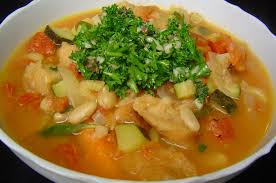
I think Ribollita can be defined mostly by the core ingredients which always seem to be white cannelloni beans, kale, tomatoes and ‘stale’ bread. The rest of the ingredients are seasonable vegetables and that is why so many recipes are different. I believe that the first four I mentioned actually define this dish. Also, there is never any pasta added which might make it enter the realm of minestrone.
Jennifer D
_____________________________________________________________________
My Recipe
Red onion
Head of garlic  (the majority thinly sliced, the rest minced)
1 Small leek (optional)
1-2 Carrots
Bell Pepper (optional)
Zucchini (optional)
1 Can whole tomatoes (crushed by hand) (***Some people use fresh roma tomatoes)
I can cannelloni beans
1/2 cup red or white wine
One bunch of Kale washed and chopped.
Salt and pepper to taste
(Other common ingredients include potatoes, celery and savoy cabbage)
___________________________________________________________________
Stage No. 1:  Saute…
Add in this order and saute:
Olive Oil
1 medium red onion chopped
1 head of garlic (2/3 thinly sliced and 1/3 minced)
1 small leek chopped (optional)
1 large or 2 small carrots chopped (un-pealed carrots are more rustic)
( **** a lot of recipes call for celery and potatoes. I didn’t have any)
1 bell pepper (any color) I chose yellow for contrast.
zucchini (yellow or green)
salt to taste
 
Stage No 2. 
Add…
Can of diced tomatoes or hand crushed whole tomatoes. (***Some people use fresh roma)
Add 1/3 can of cannelloni beans mashed finely with a fork to help thicken
Splash of red or white wine
3 cups vegetable (or faux chicken broth)
(Afterwards it is important to keep a few cups of broth at your ready disposal to keep this just shy of a soup level) I used 3 more cups throughout the evening to keep it where I wanted.
Stage No. 3
Wilt the kale into the soup/stew.
(****It is also common to use savoy cabbage in addition to the kale)
Add 2/3 can of cannelloni beans
Stage No. 4
Toast crostini slices with olive oil on top. When crunchy, rub with halved garlic cloves
Stage No. 5
Serve soup/stew over toasted bread (or add crusty bread on top) and if you have fresh basil add that at the end.

Trans Fat should be Zero

Tackling Trans Fat


Trans fat is a type of fat found in foods that increases our risk for heart disease. Many Canadians eat too much trans fat. Here’s what you need to know about what trans fat is and where to find it.


What is trans fat?

Trans fat is a fat found in foods. Trans fat is made when a liquid vegetable oil is changed into a solid fat.  Trans fat is often added to processed foods because it can improve taste and texture and helps the food stay fresh longer.

Why is trans fat bad for your health?

Trans fat increases your risk of heart disease. This is because:

  • Trans fat raises your LDL (bad) cholesterol AND
  • Trans fat lowers your HDL (good) cholesterol

How much trans fat can I eat?

Trans fat is not needed for a healthy diet. You should aim to eat as little trans fat as possible.


What foods have trans fat?

These foods often have trans fat. You will need to read the Nutrition Facts table to know for sure:

  • Deep fried foods (spring rolls, chicken nuggets, frozen hash browns, French fries)
  • Ready to eat frozen foods (quiche, burritos, pizza, pizza pockets, French fries, egg rolls, veggie and beef patties)
  • Hard (stick) margarine and shortening
  • Commercially baked goods (donuts, Danishes, cakes, pies)
  • Convenience foods (icing, puff pastry, taco shells, pie crusts, cake mixes)
  • Toaster pastries (waffles, pancakes, breakfast sandwiches)
  • Oriental noodles
  • Snack puddings
  • Liquid coffee whiteners
  • Packaged salty snacks (microwave popcorn, chips, crackers)
  • Packaged sweet snacks (cookies, granola bars)

Trans fat can also be found naturally in some foods. Meat, milk, and butter naturally contain small amounts of trans fat. The trans fat found naturally in foods is different than manufactured trans fat and does not increase your risk of heart disease.


What to look for on the label

Food manufacturers must list how much trans fat is in their foods on the Nutrition Facts table. Because of this, many food manufacturers have changed their recipes. A large number of packaged foods are now reduced in trans fat or are trans fat free.

  • Look at the number of grams of trans fat in the Nutrition Facts table. Choose products with the lowest amount.
  • Look at the %DV beside saturated fat on the Nutrition Facts table. Choose products with 10% DV or lower for saturated fat (this number is actually for the total of saturated and trans fat). The lower the number the better. Foods with a 5% DV or lower are considered low in fat. Watch this video to learn how to use the %DV on the Nutrition Facts table.
  • Check the ingredient list: avoid eating foods made with hydrogenated or partially hydrogenated oil and shortening.
  • Look for words such as “free of trans fatty acids”, “reduced in trans fatty acids” and “lower in trans fatty acids”.

For information on how to read the Nutrition Facts table, watch these videos.


Reducing the amount of trans fat you eat

It is difficult to completely stop eating trans fat. The goal is to eat as little trans fat as possible. Remember that just because a food is trans fat free does not mean it is fat free. Many food companies have replaced the trans fat in foods with other types of fat – especially saturated fat. Too much saturated fat can also increase your heart disease risk.

  • Continue to watch your fat intake and choose lower fat foods at home and when eating out.
  • Eat more vegetables, fruit, and unprocessed whole grains: these foods contain no trans fat.
  • Avoid deep fried foods. Choose grilled, steamed, broiled or baked instead.
  • Cook at home whenever you can. Bake your own cakes, muffins and pancakes instead of relying on pre-packaged mixes.
  • Bake and cook with a soft, non-hydrogenated margarine instead of hard (stick) margarine, butter or shortening.
  • Go online before you go to the restaurant to check the fat and trans fat content of foods.
  • Read nutrition labels on packaged foods to make lower saturated and trans fat choices.
  • Choose leaner meat and lower fat milk to cut down on the overall amount of fat that you eat. Lean meats include pork cutlets, extra lean ground beef and skinless chicken and turkey breasts. Choose dairy products like milk, yogurt and cottage cheese with 2% MF (milk fat) or less.
  • Use healthy monounsaturated and polyunsaturated fats most often. These include olive oil, canola oil, vegetable oils and non-hydrogenated (soft) margarine. Avoid coconut and palm oil.

You may also be interested in:

Recipe Makeover: Reducing the Fat in the Kitchen

Omega -3 fats deliver Oh Mega benefits

10 Heart Healthy Kitchen Tools

Was this article helpful? Tell us how. Please fill out our short survey.